
In today’s fast-paced world, maintaining physical health is no longer merely a personal endeavor; it has transformed into a key element of social status. As our understanding of health and wellness evolves, luxury fitness clubs have risen to prominence, combining fitness with a lifestyle that often reflects wealth and exclusivity. These clubs go beyond traditional gym offerings, creating environments where personal training, high-end amenities, and social engagement converge to shape a new definition of fitness culture.
The Ambience of Opulence
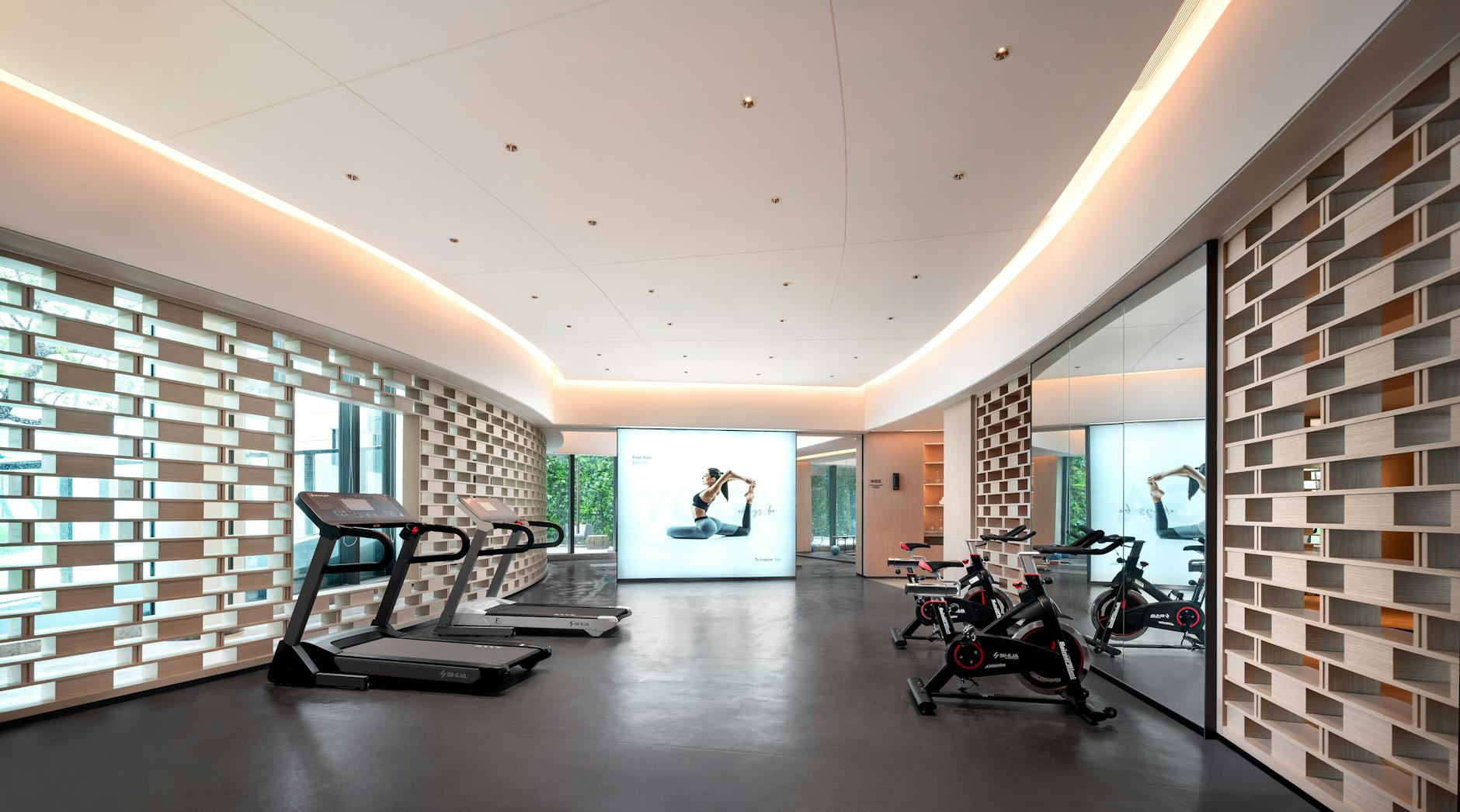
The allure of luxury fitness clubs begins with their meticulously designed environments. The interiors are often a fusion of high-end architecture and innovative design elements that create a serene space for members to unwind and work out. Think soaring ceilings, natural light streaming through glass walls, and high-quality materials such as polished wood, marble, and plush textiles. These clubs prioritize a sensory experience and strive to make every visit feel like a retreat rather than a chore.
Moreover, the integration of technology is crucial. Members can expect state-of-the-art equipment that features advanced tracking and performance analytics. These tools not only enhance the workout experience but also align with the members’ desire for results and personal progress. Designers focus on creating areas conducive to both individual workouts and group sessions, allowing for a community feel while maintaining personal space.
As guests enter these luxurious spaces, they are greeted not just by the scent of high-end aromatherapy but also by well-trained staff members ready to provide excellent service. This first impression of opulence sets the tone for what members can expect throughout their journey in the club—where every detail has been meticulously considered to convey exclusivity and refinement.
A Community of Like-Minded Individuals
Beyond the physical aspects, luxury fitness clubs curate a community that often aligns with the lifestyles and values of their members. Access to these exclusive spaces is typically restricted to individuals who can afford premium membership fees, creating a sense of camaraderie among those who frequent these establishments. Members engage in networking opportunities that extend beyond the gym, facilitating connections among business professionals, influencers, and high-profile individuals.
Group classes, personal training sessions, and social events serve as occasions for members to interact, fostering relationships based on both fitness goals and shared interests. Some clubs even offer workshops and social mixers, allowing members to engage with fitness experts, wellness coaches, and nutritionists. The combination of fitness and socialization creates an environment where members can thrive both physically and socially, enhancing their status among peers.

This social aspect significantly adds to the appeal of luxury fitness clubs. Walking into such an establishment provides not just physical benefits but also an opportunity to elevate one’s social standing. The discussions around the latest fitness trends, health foods, and wellness strategies often happen in these settings, placing members at the forefront of health and lifestyle conversations.
Wellness Trends and Their Status Symbol
The growing focus on wellness in luxury fitness clubs also reflects broader cultural trends that prioritize holistic health. Members are no longer just seeking a place to work out; they are looking for comprehensive wellness experiences that include nutrition, mindfulness, and recovery. Clubs are increasingly integrating spa-like amenities, such as massage therapists, nutrition consultants, and wellness coaches, placing emphasis on recovery and mental well-being as critical components of fitness.
Moreover, these clubs often feature innovative fitness classes that go beyond traditional workouts. With options ranging from aerial yoga to high-intensity interval training (HIIT) led by renowned trainers, members are provided with exclusive access to experiences that are often unavailable in regular gyms. This emphasis on unique, high-value offerings allows luxury fitness clubs to differentiate themselves in an increasingly crowded market.
As wellness becomes synonymous with success, the allure of luxury fitness clubs grows stronger. The commitment to health and fitness is seen not just as a personal choice but as a lifestyle that projects wealth and sophistication. Participating in the latest fitness trends signals not only an investment in one’s health but also a desire to be part of an elite community that values physical and mental well-being.
The Ripple Effect on Urban Design and Lifestyle
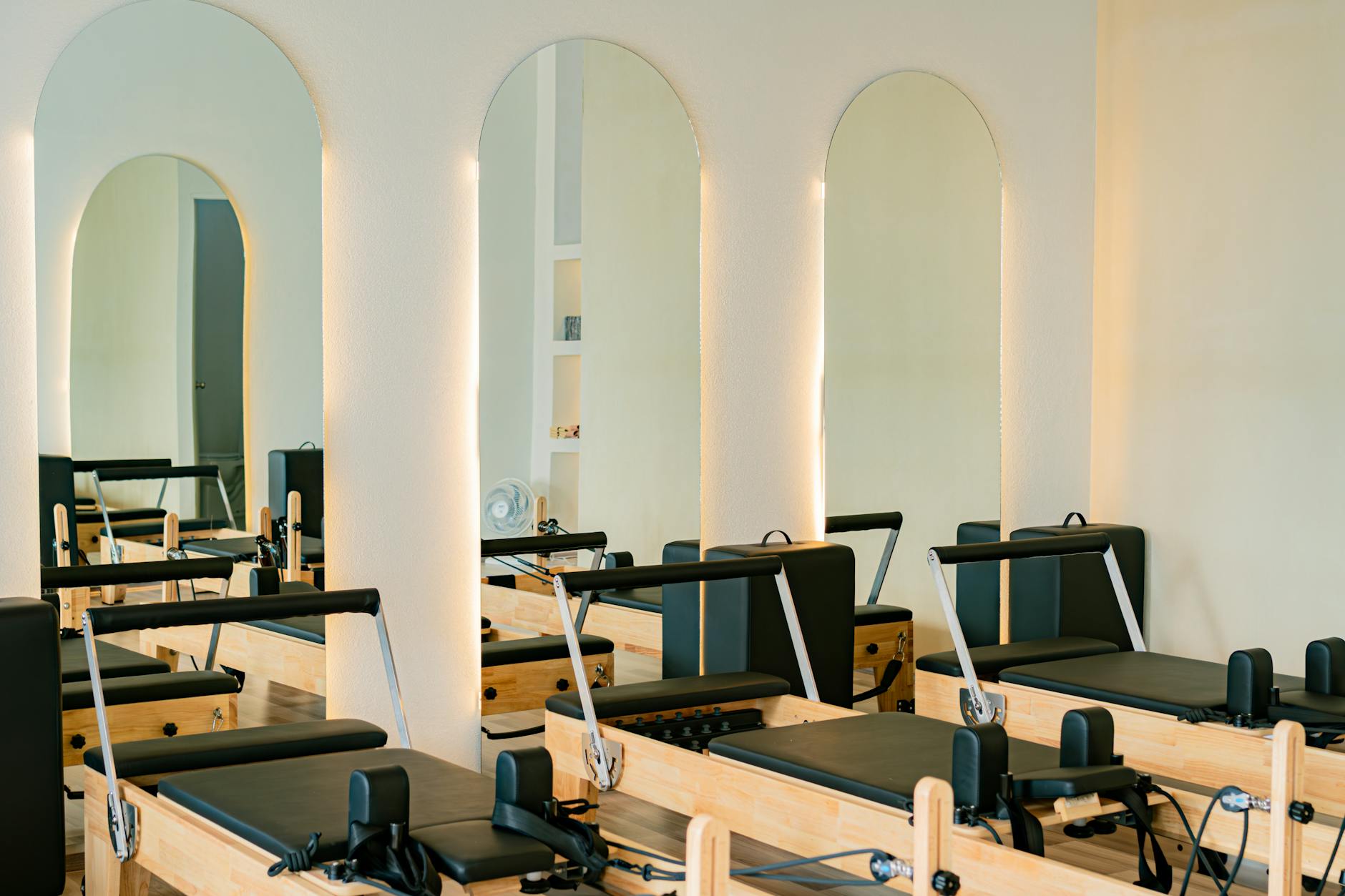
The rise of luxury fitness clubs has also influenced urban design, as cities adapt to accommodate these increasingly popular venues. In many metropolitan areas, developers are integrating fitness spaces into residential complexes, commercial centers, and even lifestyle districts. This architectural trend underscores the importance of fitness not only as a personal pursuit but as a community centerpiece.
Urban planners recognize that successful fitness spaces can bolster local economies while enhancing residents’ quality of life. As cities invest in green spaces, parks, and recreational areas, the presence of luxury fitness clubs can elevate the overall perception of a neighborhood. This ripple effect extends beyond just fitness; it signals a commitment to wellness, community engagement, and social responsibility—values that are deeply appreciated in today’s culture.
Furthermore, as the demand for luxury fitness experiences grows, existing clubs are continually raising the bar, leading to a competitive atmosphere that drives innovation in design, amenities, and services. The landscape of urban living is evolving, positioning fitness not just as a niche endeavor but as a cornerstone of modern lifestyle offerings.
In this environment, luxury fitness clubs are establishing themselves as critical hubs for social interaction, personal development, and community building. Members who choose these spaces are not merely investing in their fitness; they are participating in a broader cultural phenomenon that intertwines health, luxury, and social status.
In summary, luxury fitness clubs are redefining the relationship between wellness and social status. They encapsulate a lifestyle that values health, community, and exclusivity—qualities that resonate with their affluent members. As these clubs continue to evolve, they will likely play an increasingly important role in shaping urban culture and personal identities, demonstrating that the pursuit of fitness transcends individual goals to become a defining aspect of modern life.
