
In today’s fast-paced, interconnected world, brands are no longer just selling products; they are curating experiences and building communities. Events have become a powerful tool for brands to create and maintain cultural relevance, allowing them to engage consumers on a deeper level than traditional marketing methods. The significance of events in brand strategy can be articulated through three key dimensions: creating immersive experiences, leveraging social media, and fostering community connections.

Creating Immersive Experiences
Immersive events draw consumers into a brand’s world, making them feel like active participants rather than passive observers. Brands such as Nike and Red Bull have mastered the art of creating unforgettable experiences that resonate with their audiences. For example, Nike’s ‘Breaking2’ event in 2017 aimed to break the two-hour marathon barrier. This not only showcased Nike’s commitment to innovation but also united runners and spectators around a common goal. By inviting consumers to witness this historical attempt, Nike provided an interactive platform that filled the brand with excitement and aspiration.
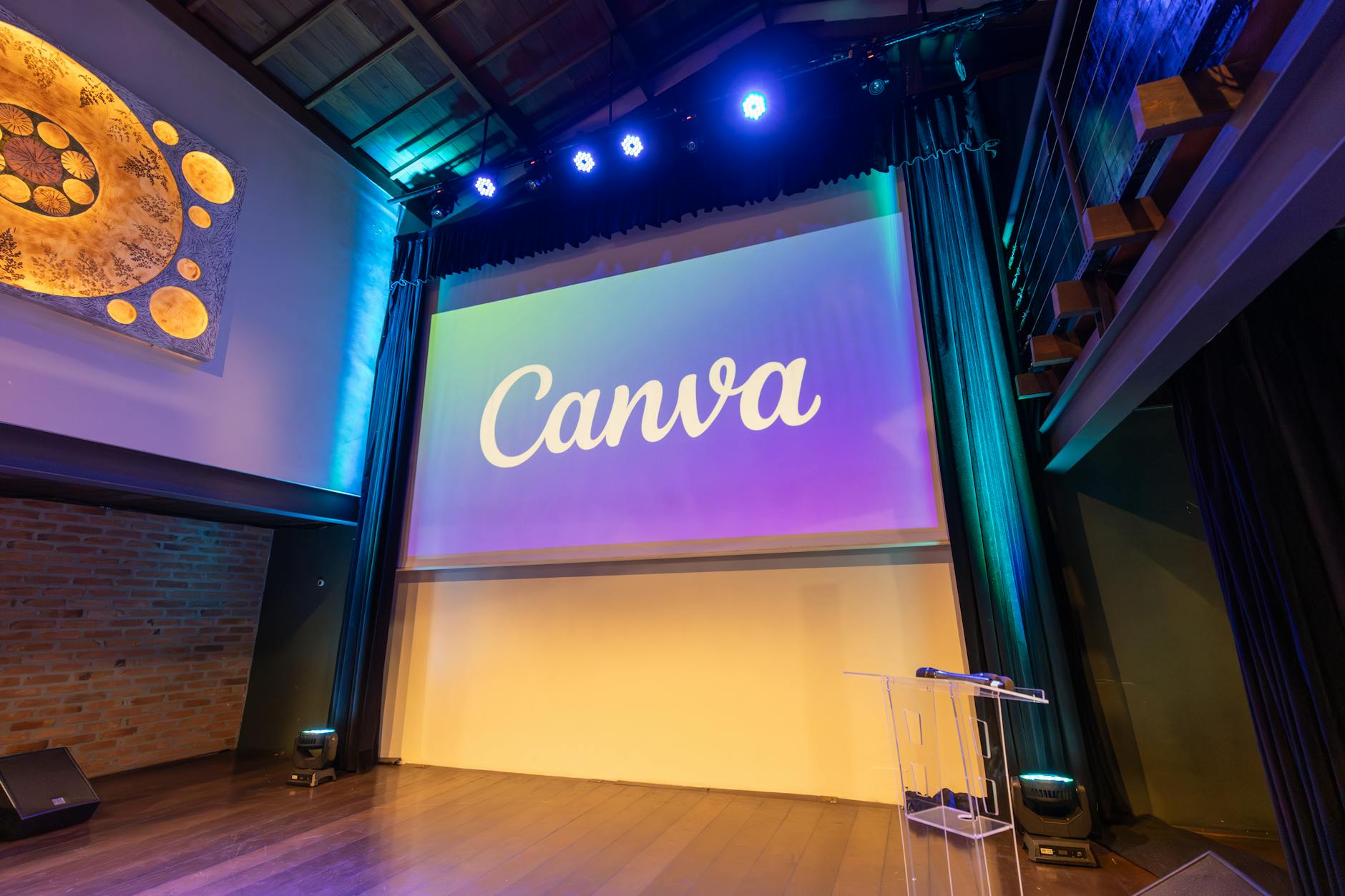
Moreover, the design and execution of these events are crucial for enhancing brand identity. Attention to detail—from venue selection to the ambiance created—can elevate the consumer experience significantly. Brands often collaborate with artists and influencers to design these experiences, ensuring that they are not only engaging but also visually appealing. This multi-sensory approach captivates attendees and encourages them to share their experiences on social media, thus amplifying the event’s reach and impact.

The Power of Social Media Amplification
In an age where social media dominates communication, events are also a significant catalyst for online engagement. Brands leverage social media platforms before, during, and after an event to maximize reach and build anticipation. For instance, Coachella is not merely a music festival; it’s a cultural phenomenon. Many brands utilize this annual event to showcase their latest collections through fashion collaborations with artists and influencers, thus enhancing their cultural presence. Brands like H&M and ASOS create buzz on platforms like Instagram and TikTok, offering behind-the-scenes glimpses, influencer takeovers, and interactive polls that keep audiences engaged long after the event concludes.
Live-streaming events on social media has also opened up new avenues for brands to engage audiences who may not be able to attend in person. By broadcasting key moments, brands can reach a global audience, creating a sense of inclusivity and community around their events. This kind of engagement fosters a sense of belonging among followers, making them feel like they are part of something bigger than themselves, which enhances brand loyalty.
Fostering Community Connections
At the heart of cultural relevance lies the ability to connect with communities. Brands that prioritize community engagement create powerful emotional bonds with their audiences. Consider how brands like Patagonia have effectively engaged their customer base through environmental initiatives. Their events often focus on conserving nature, which resonates deeply with their environmentally-conscious consumers. By organizing beach clean-ups or outdoor exhibitions, Patagonia not only promotes its brand message but also solidifies its role as a community leader.
Additionally, brands can enhance their relevance by tailoring events to reflect local culture and values. Supporting local artists, musicians, and businesses during an event strengthens community ties and showcases a brand’s commitment to the area it serves. For example, the annual ‘Whiskey Fest’ event in various cities invites local distilleries to participate, offering attendees an authentic taste of regional offerings while also reinforcing the brand’s dedication to community involvement. Such strategic collaborations amplify brand messaging while fostering local pride among attendees, making the experience more culturally rich.
Strategic Outcomes and Brand Loyalty
The ultimate goal of integrating cultural relevance into events is to foster loyalty among consumers. When brands successfully create memorable experiences that align with cultural values or social issues, they generate emotional connections that go beyond transactional relationships. An example lies in the success of major corporations during significant social movements, such as the LGBTQ+ Pride events. Brands like Absolut Vodka and Ben & Jerry’s have contributed to awareness and support through their sponsorships of Pride parades, positioning themselves as allies to the community. This commitment enhances brand loyalty, encouraging consumers to choose these brands over their competitors, especially in times of social change.
Moreover, events serve as platforms for brand storytelling. Every interaction—whether a participant shares their experience on social media or engages in a panel discussion—provides the brand an opportunity to share its narrative. Aligning events with social causes or cultural trends enables brands to appeal to the emotions and values of their target audience, ultimately solidifying their place in the cultural landscape.
Conclusion
Through thoughtfully curated events, brands can effectively cultivate cultural relevance by creating immersive experiences, harnessing the power of social media, and fostering community connections. In an era where consumers seek genuine engagement, brands must prioritize their role in culture, ensuring that their events resonate with the ideals and interests of their audiences. The strategic combination of these elements not only enhances brand perception but also encourages long-term loyalty in an increasingly competitive landscape.
