
In today’s fast-paced consumer landscape, where new brands and trends emerge daily, the appeal of heritage brands remains remarkably strong. These legacy brands, often steeped in history and tradition, provide consumers with a sense of trust and reliability that is increasingly hard to find. This article delves into the reasons behind the enduring trust in heritage brands, particularly in the context of interior design, and explores how their narratives shape consumer choices.

The Allure of Authenticity
At the heart of the appeal of heritage brands is authenticity. Many consumers yearn for products that not only serve a purpose but also tell a story. Heritage brands often embody this authenticity through their long-standing traditions, craftsmanship, and unique narratives. For instance, a handcrafted piece of furniture created by a brand that has been in the same family for generations communicates a sense of history and dedication to quality that mass-produced items simply cannot replicate.
This narrative contributes to a deeper emotional connection between consumers and the products they choose for their homes. The design industry, where personal expression and identity are paramount, thrives on this connection. While modern brands might focus on sleek designs and trendy aesthetics, heritage brands emphasize their roots and the artisans behind their creations. This distinction builds trust, as consumers feel they are investing in something meaningful rather than ephemeral.
Quality Over Quantity
Heritage brands typically prioritize quality over quantity, a principle that resonates strongly with consumers who value longevity in their purchases. The materials used in their products are often sourced with great care, and the manufacturing processes are designed to endure the test of time. In a world increasingly saturated with disposable goods, the promise of durability and timelessness offered by heritage brands stands out.
Take, for example, the legacy of brands known for their exquisite textiles. Manufacturers that have spent decades perfecting their craft offer consumers not only products but also a guarantee of quality. This assurance is especially appealing in the realm of interior design, where the right fabric can transform a space and redefine its character. Consumers are willing to invest in high-quality items because they know they are making a smart choice, one that will enhance their homes for years to come.

Trust Built Through Consistency
Consistency is another key factor that cultivates trust in heritage brands. Over the years, these brands have established a reliable reputation through their adherence to certain standards in both design and production. When consumers see a brand consistently deliver quality and style across its product offerings, it reinforces their belief in that brand’s integrity.
This sense of dependability is particularly significant in interior design, where each piece contributes to a cohesive aesthetic. A heritage brand that has maintained its commitment to craftsmanship and quality over generations invites consumers to revisit their collections time and again. Each new product is met with anticipation, rooted in the established understanding that the brand will deliver a piece that complements their existing decor beautifully.
Cultural Significance and Emotional Resonance
Heritage brands often encapsulate cultural significance, drawing on histories that resonate with consumers on a personal level. For many, these brands evoke nostalgia and familiar memories that go beyond mere aesthetics. A chair that has adorned a family home for generations, or a rug that has been passed down through the years, carries stories and sentiments that infuse a space with warmth and character.
This emotional resonance is particularly crucial in the context of home design, where the goal is often to create not just a visually appealing space but also one that feels inviting and personal. Consumers are increasingly seeking products that reflect their values and heritage, further amplifying the connection to heritage brands that share similar narratives. As they curate their living environments, they gravitate toward items that speak to their identity, thus enhancing the trust placed in brands that understand this desire.
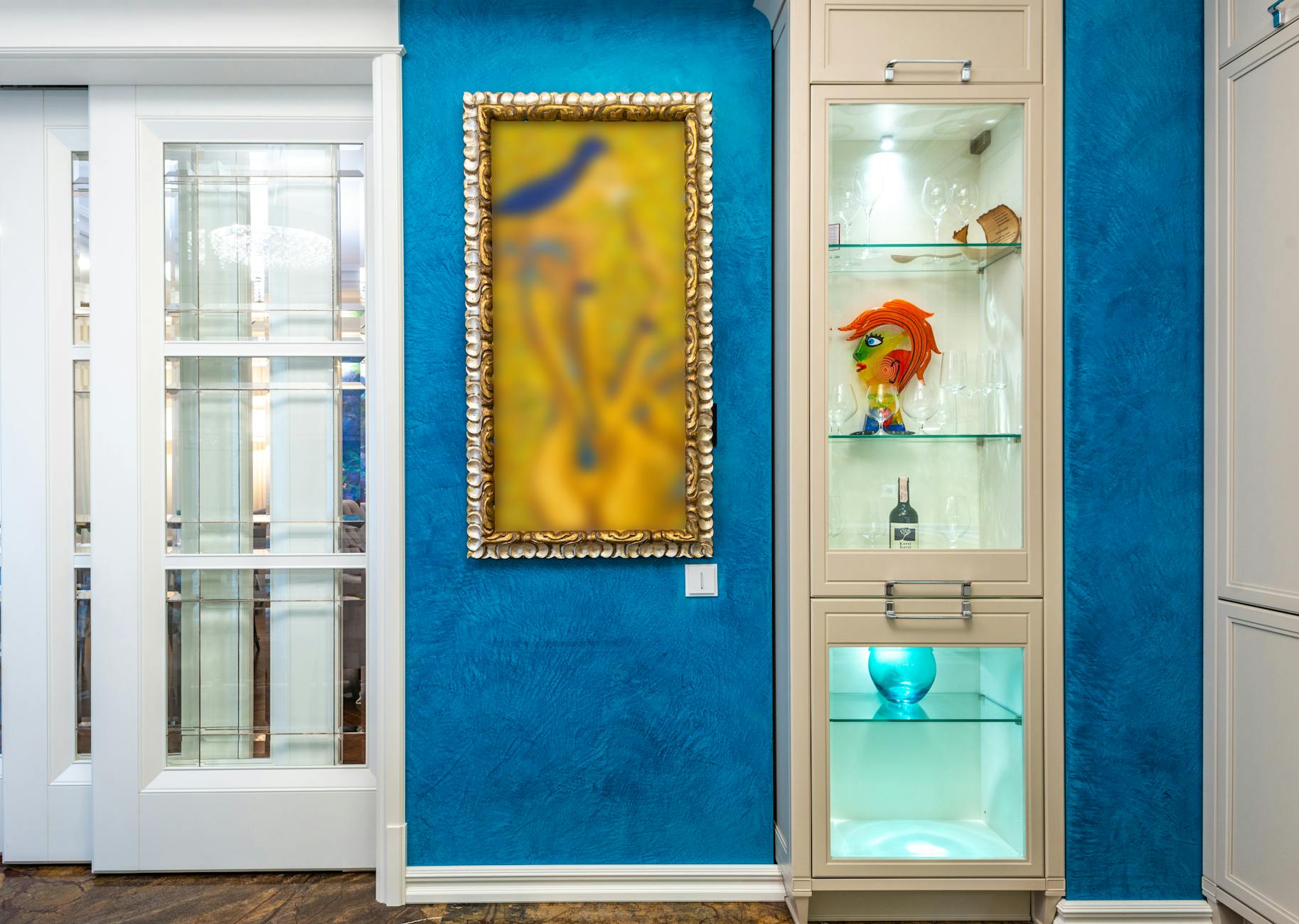
Responding to Modern Needs with a Backstory
While heritage brands are rooted in history, they also possess the flexibility to adapt to modern consumer needs. This ability to innovate while remaining true to their heritage is a compelling aspect that strengthens consumer trust. Brands that engage in sustainable practices, for example, are not only preserving their traditional production methods but are also responding to the growing demand for environmentally friendly products.
The incorporation of modern design trends while maintaining core values allows heritage brands to remain relevant in the contemporary market. Consumers appreciate when a brand acknowledges the present while honoring its roots. This balance creates a dynamic where trust is continuously reinforced, as consumers recognize that the brand respects both its history and the future.
Conclusion: A Timeless Connection
In the complex world of interior design, heritage brands provide consumers with an anchor of trust and reliability. Through their commitment to authenticity, quality, consistency, cultural significance, and modern adaptability, these brands forge meaningful connections with their audience. As consumers become more discerning and intentional in their purchasing decisions, the trust in heritage brands is likely to flourish, offering them not only products but also a sense of identity and connection in their living spaces.
