
As curiosity piques and adventure beckons, exploring abandoned places and ghost towns has become a unique form of escapism for many. These fascinating realms, steeped in history and nostalgia, evoke a mix of wonder and melancholy. Once thriving communities, some became desolate due to economic downturns, natural disasters, or societal shifts. These ghostly remnants challenge our understanding of time, memory, and the human experience, inviting us to reflect on our past while pondering the future.
The Allure of Abandonment
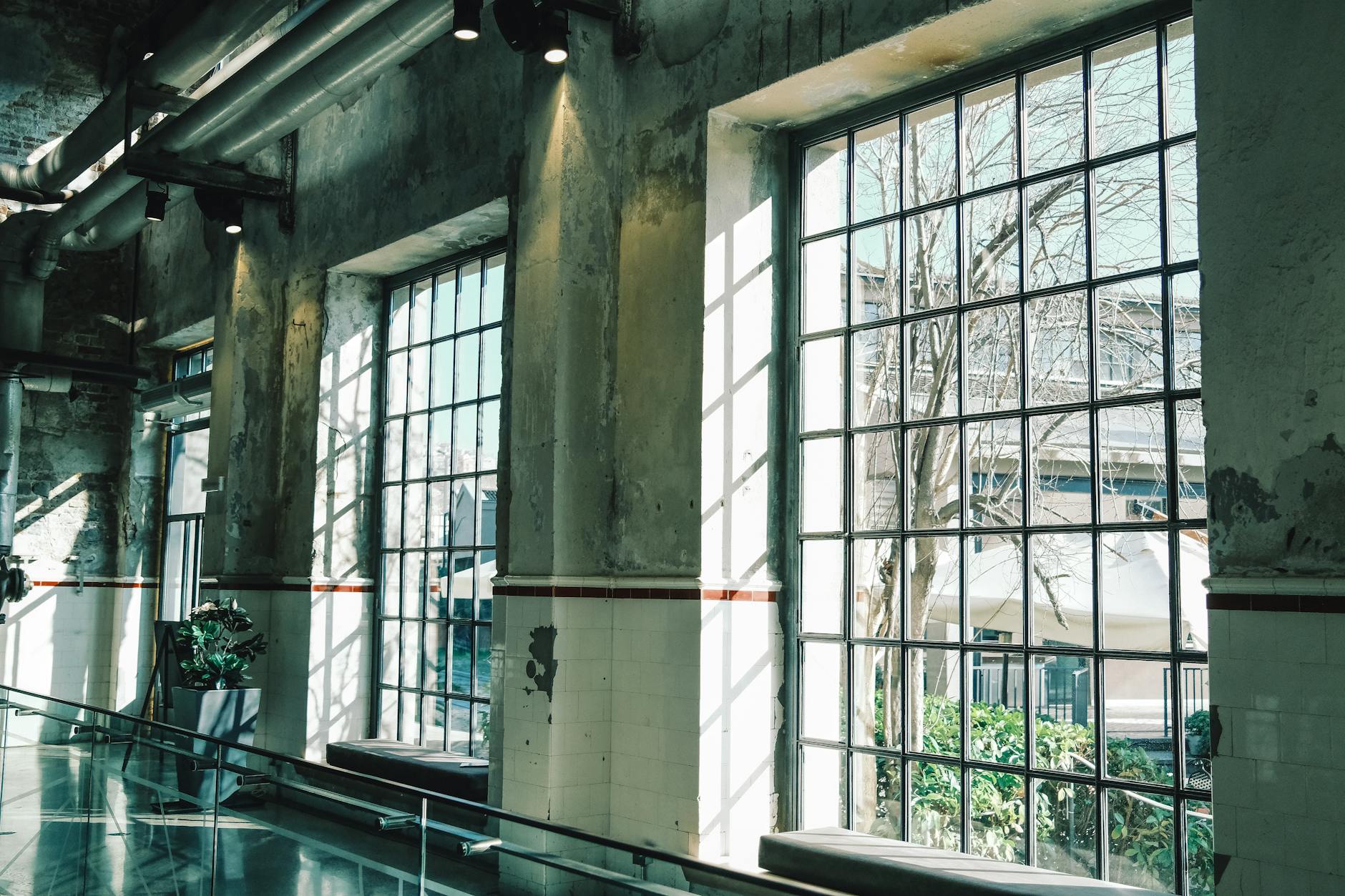
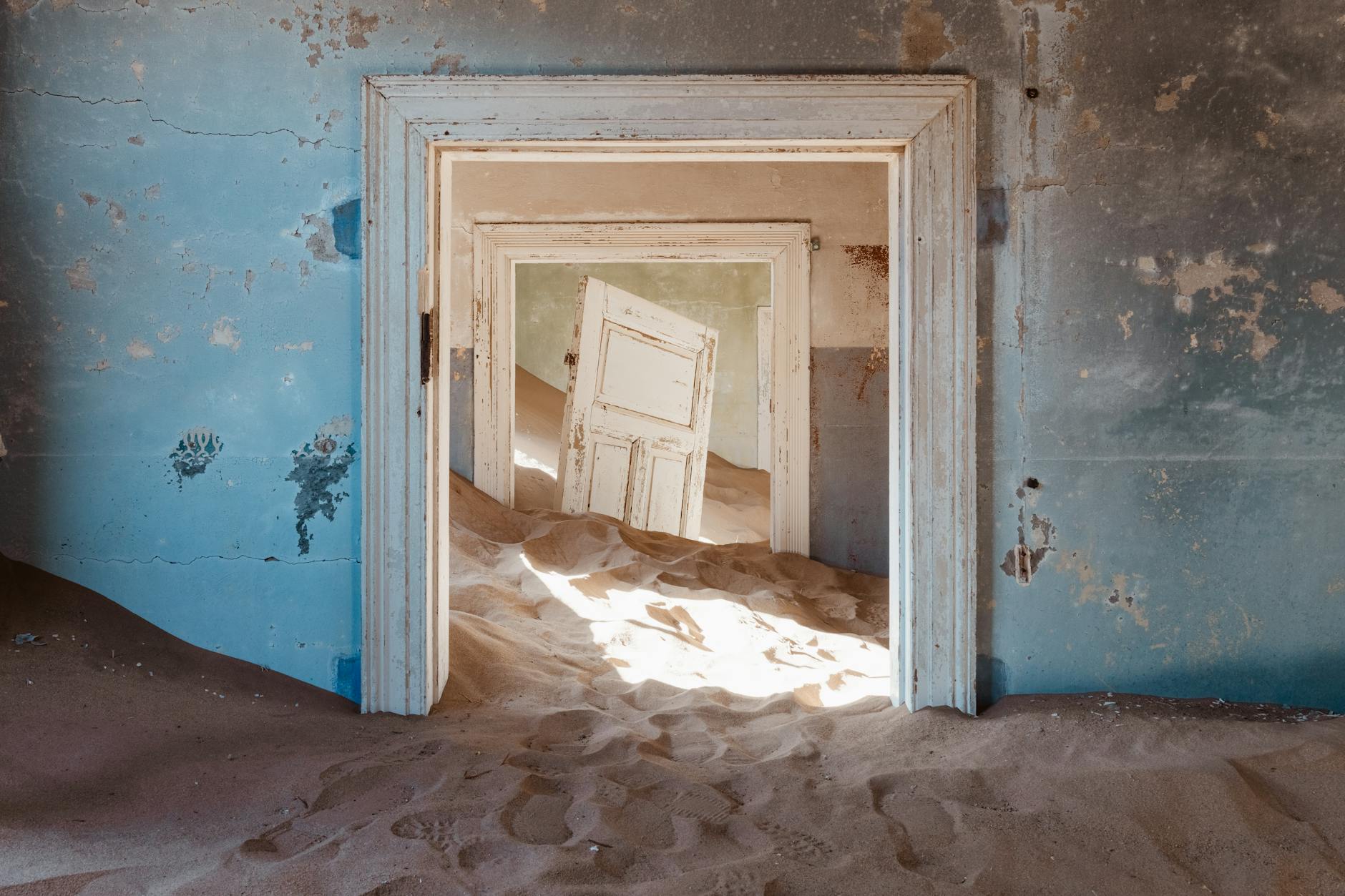
Why do we find such intrigue in the essence of what remains? Abandoned places represent a palpable stillness, a silence filled with stories untold. The peeling paint, crumbling bricks, and rusting machinery are time capsules that speak to lives once lived and dreams once pursued. Photographers, urban explorers, and history enthusiasts are drawn to these spaces, each seeking to capture their beauty and reveal their often tragic narratives.
The allure goes beyond mere aesthetics; it taps into our collective human emotions. Visiting sites like the deserted town of Bodie in California or the hauntingly beautiful Chernobyl Exclusion Zone elicits empathy for those who once thrived in these situations. The juxtaposition of human endeavor against the backdrop of nature’s reclamation serves as a vivid reminder of mortality and the transience of life itself.
Design Inspiration from the Forgotten
Interior designers and architects have increasingly embraced the concept of designing spaces that evoke the spirit of the abandoned. The rustic charm and character found in these deserted places can be reinterpreted for modern interiors, merging past and present in innovative ways. From distressed wood finishes to repurposed vintage furnishings, the aesthetic of abandonment can transform a home into a narrative-driven space.
Elements such as exposed brick, weathered woods, and industrial materials can instill a sense of history in modern design. This trend is often seen in loft conversions and contemporary homes that seek to celebrate imperfection and authenticity. By integrating items from abandoned places—like old factory tools or vintage signs—designers can create spaces that feel both lived-in and unique, telling stories that connect to a broader cultural memory.
“The beauty of an abandoned place lies in its story—the people who walked its halls, the laughter that once echoed, and the dreams that fell silent.”
Safety and Ethics in Exploration
While the excitement of exploring abandoned sites is undeniable, it is crucial to approach these adventures with safety and respect. Many ghost towns and derelict sites are located on private property, making trespassing a legal issue as well as an ethical concern. Before embarking on an exploration, it’s essential to research the location and seek permission when necessary. Respecting local laws and property rights fosters goodwill and keeps the history of these places preserved.
Equally important is the safety aspect of exploring abandoned sites. Many structures are unstable, and hazards like broken glass, sharp objects, or toxic materials can pose risks. Wearing appropriate footwear, carrying a flashlight, and ideally exploring with a group are prudent measures to ensure a safe and enjoyable experience. Further, leaving no trace of one’s visit, whether through litter or vandalism, preserves the integrity of these historical spaces for future explorers.
Documenting the Journey
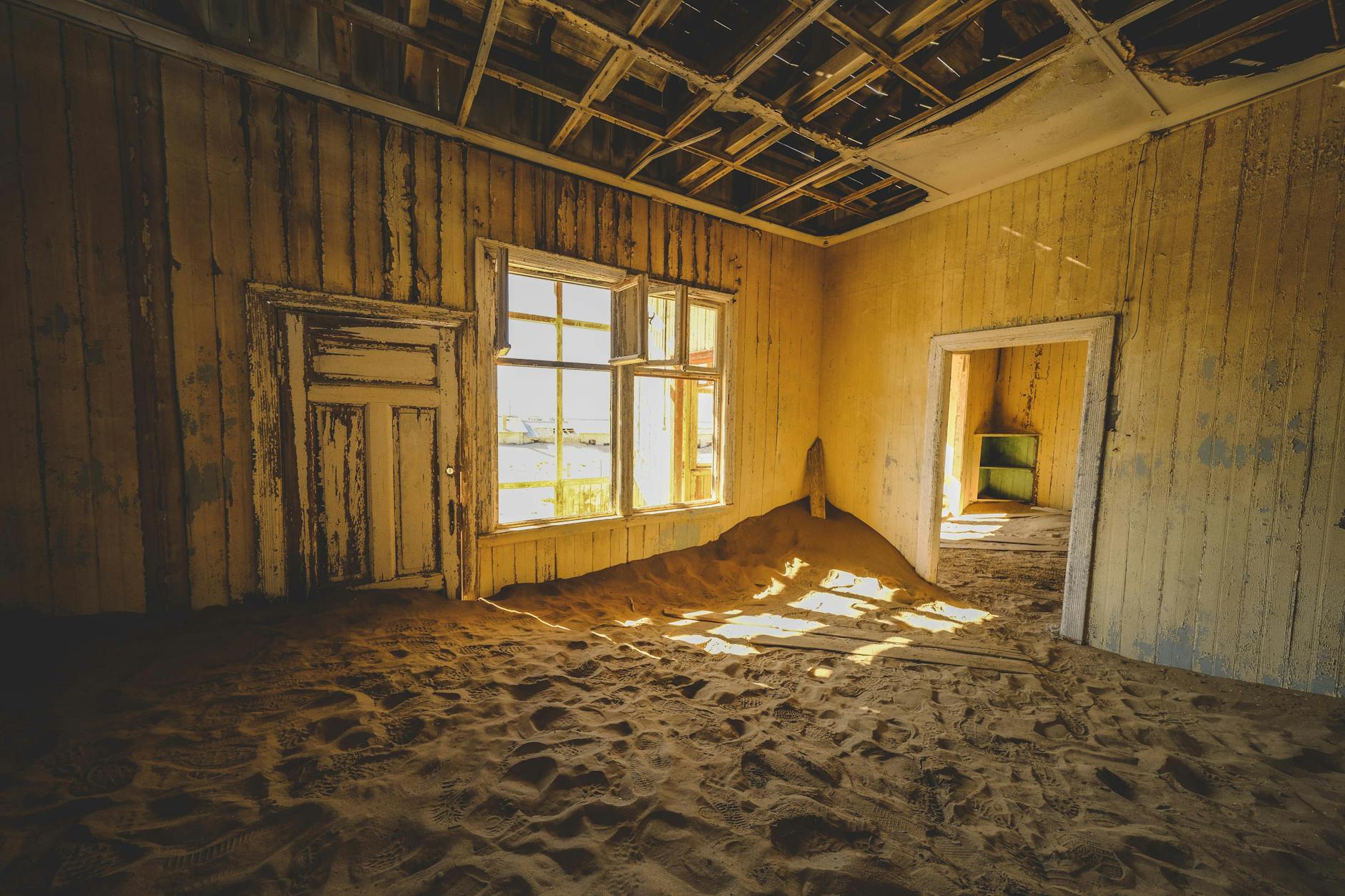
For many, the art of exploring abandoned places extends to documenting the journey through photography and storytelling. Capturing the essence of these locations involves not only photographing their physical attributes but also the emotions they evoke. The play of light and shadow, the colors of decay, and the textures of age can create stunning visual narratives that resonate with viewers.
Content creators, including bloggers and social media influencers, often share their explorations online, allowing others to witness the beauty and haunting quality of these places without physically visiting. These stories serve not only to entertain but also to educate audiences about the history associated with each location. Many find inspiration in the tales of resilience, loss, and human ingenuity that these ghost towns embody, making their journeys rich with meaning.
Celebrating the Past, Envisioning the Future
Exploring abandoned places and ghost towns challenges individuals to confront the concept of time in unique ways. These remnants of existence prompt reflection on community, identity, and change. The cyclical nature of life—birth, growth, decay, and rebirth—echoes within these spaces, sparking conversations about urban development, gentrification, and preservation.
As designers and urban planners begin to recognize the value in these historical narratives, opportunities arise to transform ghost towns into revitalized spaces. Rather than erasing the memories associated with these sites, innovative approaches may integrate their stories into modern developments, creating sustainable environments that honor the past while adapting to contemporary needs.
In conclusion, the exploration of abandoned places and ghost towns offers a multifaceted lens through which we can examine history, design, and human experiences. The stories held within these walls remind us of our shared humanity and the inevitability of change. As we walk through these echoing spaces, we are not merely observers; we are participants in an ongoing narrative that weaves past, present, and future together in rich and meaningful ways.
