
The bridges of the world serve more than just a practical purpose; they are towering symbols of human ingenuity and artistry. Each bridge reflects the culture, history, and architectural innovation of its location. From ancient structures that have stood the test of time to modern marvels that redefine engineering possibilities, the world’s iconic bridges offer fascinating insights into both design and the societies that created them. In this exploration, we’ll delve into some of the most celebrated bridges, highlighting their unique characteristics and the cultural significance they embody.
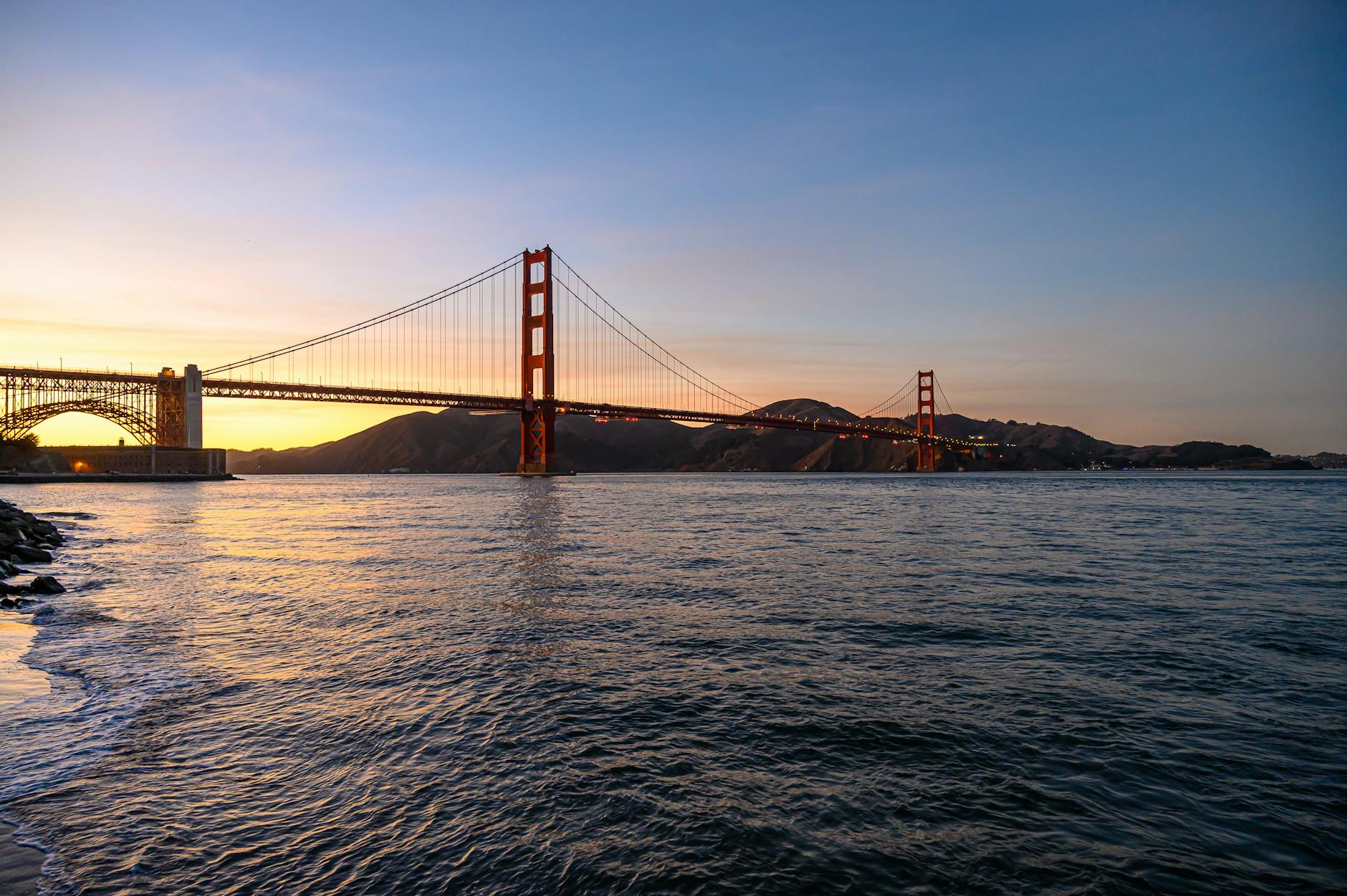
The Golden Gate Bridge: A Symbol of San Francisco
Opened in 1937, the Golden Gate Bridge is arguably one of the most recognized suspension bridges in the world. Spanning approximately 1.7 miles across the Golden Gate Strait, it connects San Francisco to Marin County in California. With its striking International Orange color, the bridge not only enhances the natural beauty of its surroundings but also stands as a testament to the engineering prowess of its time. Designed by architect Irving Morrow and engineer Joseph Strauss, the bridge features Art Deco design elements that contribute to its aesthetic appeal.
Beyond its engineering marvel, the Golden Gate Bridge holds immense cultural significance. It has been featured in countless films, photographs, and artworks, symbolizing freedom and innovation. Each year, tourists flock to its viewing areas, capturing the majestic structure against the backdrop of the Pacific Ocean. The bridge has also endured its share of challenges, including seismic upgrades to ensure its resilience against earthquakes. Thus, it represents not just a means of transportation but a beacon of hope, inspiration, and perseverance for those who admire it.
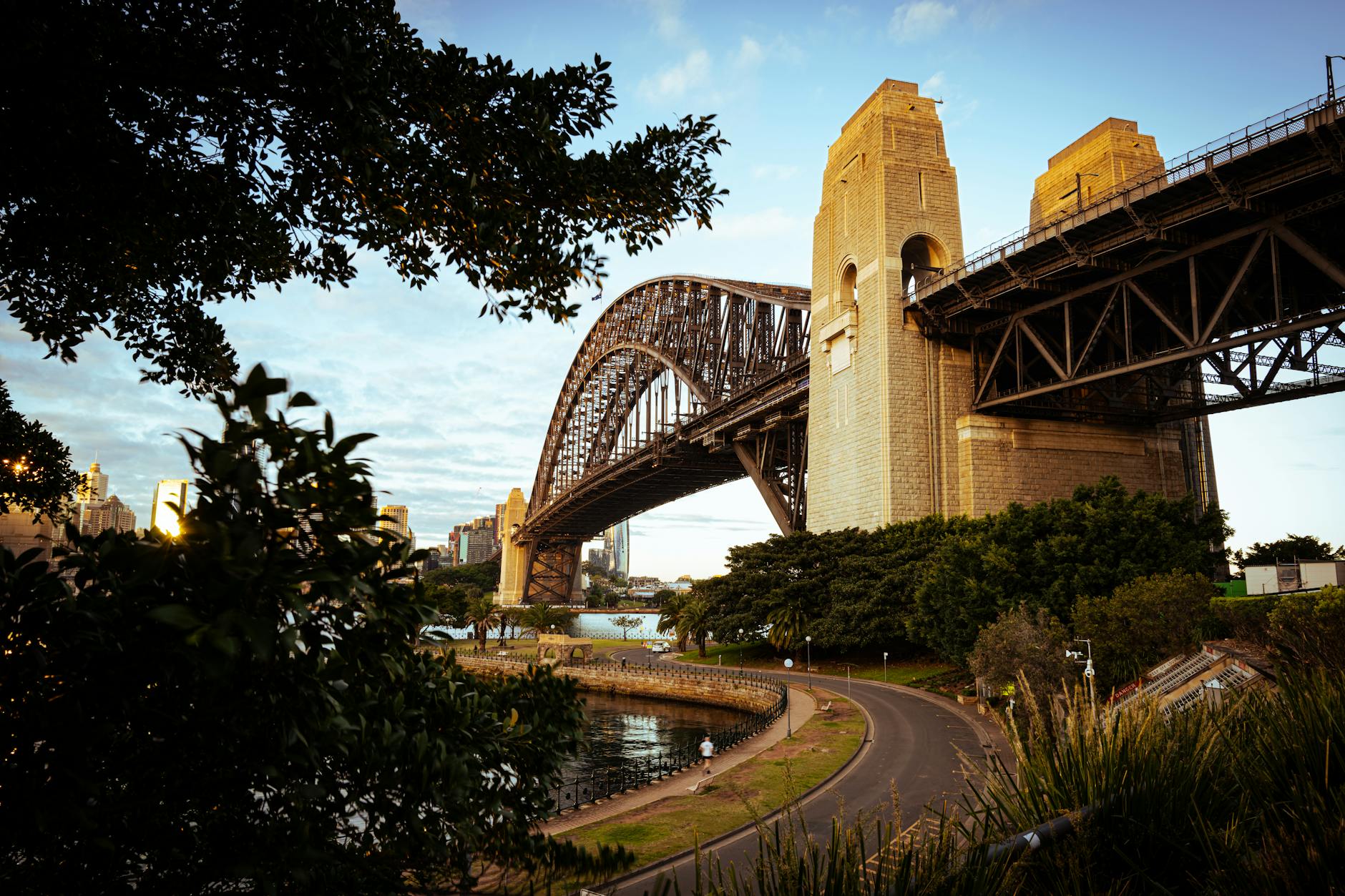
Sydney Harbour Bridge: The Coathanger
The Sydney Harbour Bridge, affectionately nicknamed “The Coathanger,” stretches across the spectacular Sydney Harbour. Completed in 1932, this steel arch bridge is an icon of Australian architecture and design. With a total length of 1,149 meters, it was the world’s tallest steel arch bridge at the time of its completion. The bridge’s design allows it to not only carry vehicular traffic but also accommodate pedestrians and cyclists, making it a crucial part of Sydney’s urban infrastructure.
As one of Australia’s most famous landmarks, the Sydney Harbour Bridge is heavily integrated into the city’s cultural life. Events such as the annual New Year’s Eve fireworks and the Bridge Walk allow thousands to experience its beauty firsthand. Moreover, the bridge features a dedicated climbing experience where adventurous visitors can scale to its highest point for breathtaking views of Sydney’s skyline and the iconic opera house. This melding of functionality and cultural engagement elevates the Sydney Harbour Bridge beyond mere infrastructure—it’s a vibrant part of the social fabric of Sydney.
Tower Bridge: London’s Historical Guardian
London’s Tower Bridge, completed in 1894, is another quintessential example of a bridge that marries functionality with historical significance. This combined bascule and suspension bridge spans the River Thames and is often mistakenly identified as London Bridge due to its distinctive towers and Victorian Gothic style. Tower Bridge was designed to accommodate the busy shipping traffic of the Thames while facilitating road access into the city—an ingenious solution for its time.
The bridge’s two imposing towers rise to nearly 65 meters, making it an architectural landmark that has become synonymous with London itself. Visitors can explore the impressive Engine Rooms which house the original steam engines that powered the bascules. Furthermore, the glass-floored walkway at the upper level provides a unique vantage point, allowing guests to look down at the traffic and river below—an experience that beautifully combines history with modern technology. Over the years, Tower Bridge has seen countless events, including royal processions and the Olympic Games, cementing its role as a historical guardian of London’s vibrant past.
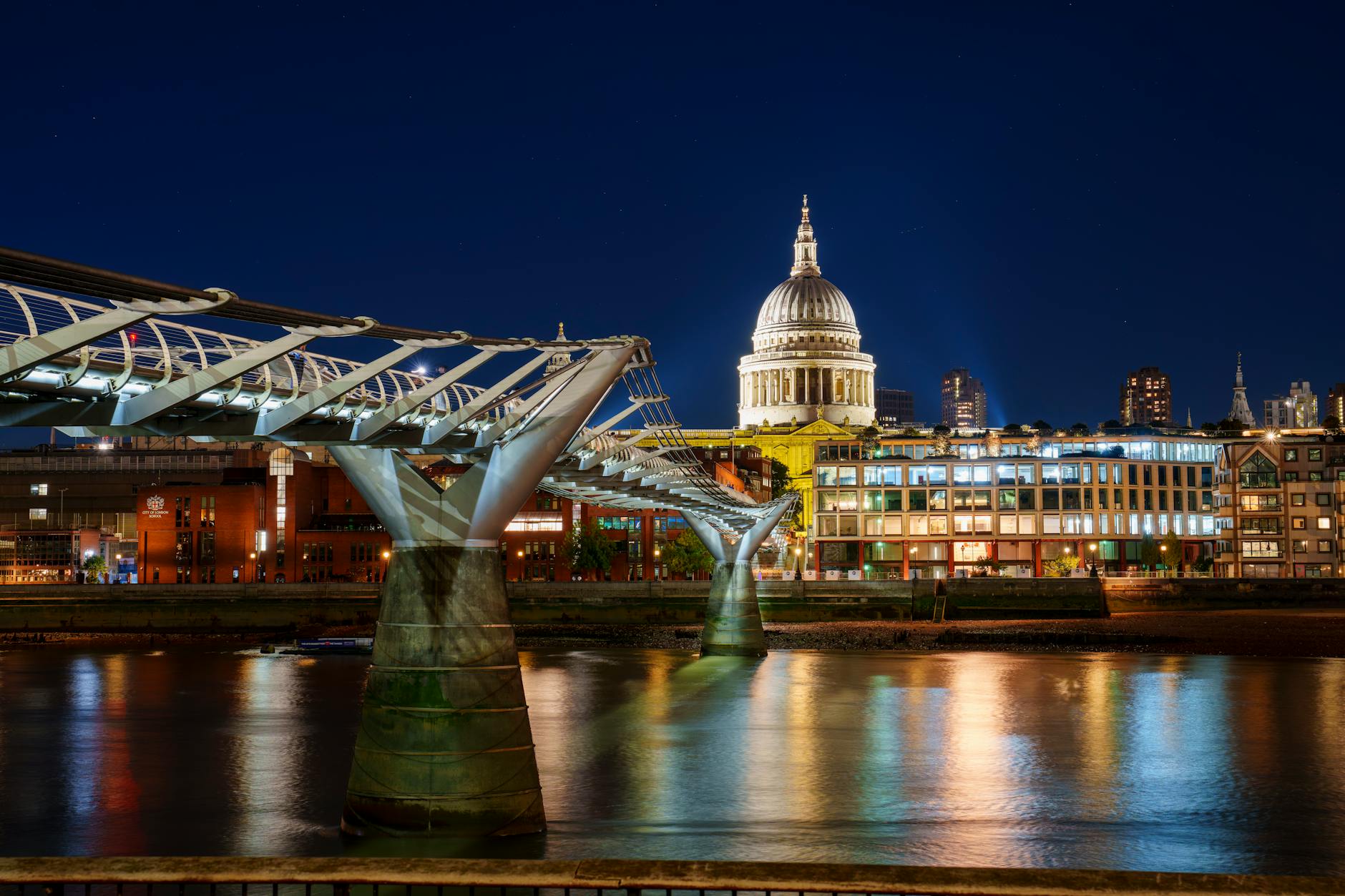
Millennium Bridge: Modern Design Meets Functionality
In stark contrast to the designs of the historical bridges mentioned, the Millennium Bridge in London represents the epitome of contemporary architectural innovation. This pedestrian suspension bridge, opened in the year 2000, connects St. Paul’s Cathedral with the Tate Modern and Shakespeare’s Globe Theatre. Designed by the architectural firm Foster and Partners in collaboration with the engineering firm Arup, the bridge features a minimalistic design—its sleek lines and modern materials reflect a forward-thinking approach to urban design.
However, its initial opening was marred by a phenomenon known as “synchronous lateral excitation,” causing the bridge to sway alarmingly. After extensive modifications, the bridge was reopened in 2002, demonstrating resilience and the importance of user experience in architectural design. Today, the Millennium Bridge is celebrated not only for its aesthetic appeal but also for promoting walkability in London—a feature that encourages social interaction and community engagement in the urban landscape.
Bridges: More Than Just Connections
These iconic bridges exemplify the intersection of engineering, culture, and art across the globe. They serve as vital infrastructure in their respective cities while embodying the history and aspirations of the people who built them. Each structure tells a unique story—whether through its innovative design, historical significance, or the way it has shaped the urban environment. Bridges, in essence, are not merely physical connections between places; they symbolize the connectivity of human experience.
The evolution of bridge design continues to reflect advances in technology and changing societal needs. As urban areas grow and adapt, the importance of these structures becomes increasingly vital. Whether they stand as symbols of resilience, creativity, or innovation, the world’s most iconic bridges remain treasures worth celebrating and preserving for future generations.
