
Interior design is not merely about aesthetics; it’s a harmonious blend of function and form that evolves with time while remaining grounded in specific principles. In a world where trends come and go, understanding the timeless design principles helps in crafting spaces that don’t just look good today but also resonate with future generations. This article explores the essential principles of timeless interior design, focusing on balance, harmony, color, and space while providing insights into how to apply them effectively.
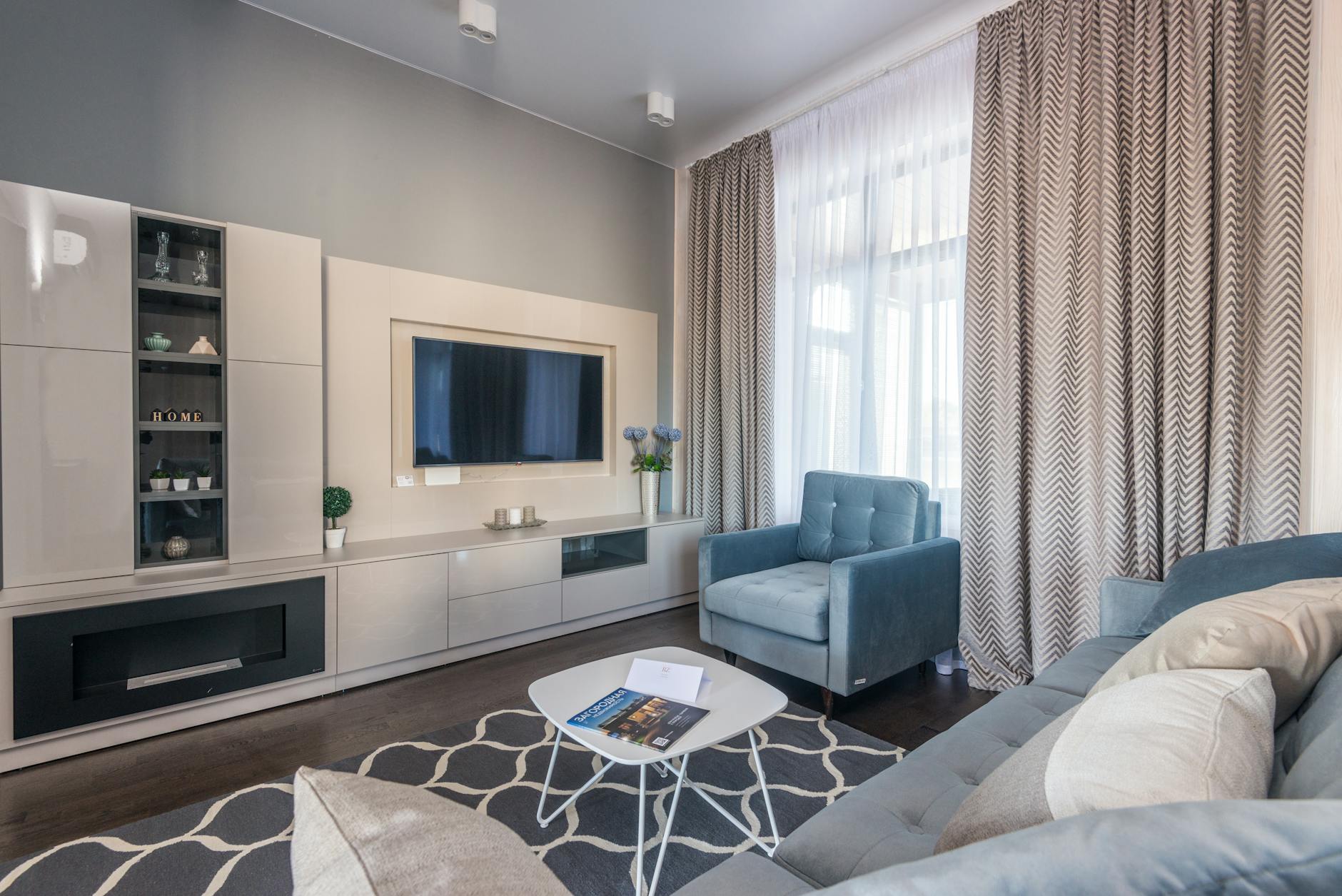
Balance: The Foundation of Design
Balance is the cornerstone of any well-designed space. It translates to the visual weight distribution within a room, creating a sense of stability. There are three types of balance: symmetrical, asymmetrical, and radial. Symmetrical balance is often seen in traditional designs where equal weight is placed on either side of a central point. This creates a classic and formal look, often used in living rooms, dining areas, and entryways.
Asymmetrical balance, on the other hand, utilizes varied shapes, colors, and textures to create a sense of equilibrium without mirroring elements. This approach is more playful and can often be seen in modern or eclectic designs. Lastly, radial balance involves arranging elements around a central point, which is frequently used in larger spaces such as circular rooms or those with a focal point like a fireplace. Mastering balance is essential as it sets the groundwork for a pleasing aesthetic.
Harmony and Unity: The Power of Cohesion
Harmony in interior design refers to the seamless flow and connection between chosen elements. Achieving harmony requires a thoughtful selection of colors, textures, patterns, and shapes that work together as a cohesive unit. Unity, a component of harmony, ensures that each element complements others, fostering an inviting atmosphere.
One effective way to achieve harmony is by sticking to a consistent color palette. A well-curated color scheme that resonates throughout the space creates visual coherence. For example, if a room is painted in soft blues and whites, incorporating similar hues in upholstery, art pieces, and decorative items reinforces unity. Additionally, varying textures—like pairing a smooth leather couch with a knitted throw—adds depth while maintaining visual harmony.
Color: The Emotionally Charged Element
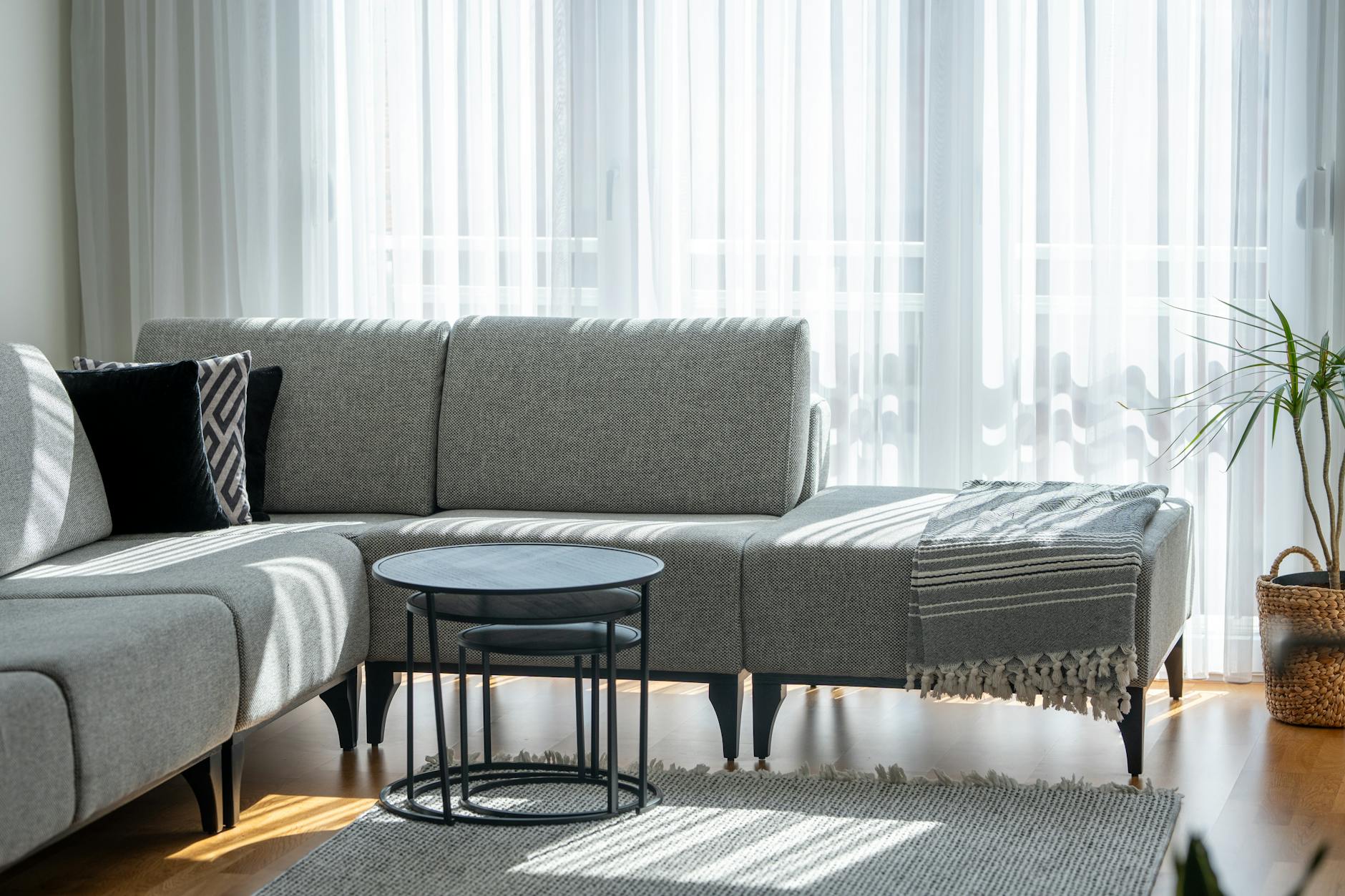
Color holds transformative power in interior design and plays a crucial role in setting the mood of a space. Understanding color theory is fundamental to creating a timeless look. Neutral colors—including whites, greys, and beiges—serve as a fantastic backdrop. They evoke calmness and can make a room feel more expansive. Bold colors, when used strategically, can add vibrancy and depth, becoming focal points that draw the eye.
For timeless designs, consider the 60-30-10 rule: 60% of the room should be a dominant color, 30% a secondary color, and 10% an accent color. This technique ensures a balanced yet dynamic color scheme. For instance, a neutral beige wall can be paired with deep navy furniture and soft coral throw pillows, creating a stunning, harmonious contrast. Additionally, understanding how natural light interacts with your chosen colors can dramatically affect a room’s ambiance throughout the day.
“Color is the keyboard, the eyes are the harmonies, the soul is the piano with many strings.” – Wladimir Nabokov
Space and Scale: The Art of Proportion
Understanding space and scale is pivotal in achieving a timeless interior design. Space is the area within a design, and how it is utilized can drastically affect how we perceive a room. Open concepts are popular, yet even smaller spaces can be made to feel larger with strategic planning. Using mirrors can create an illusion of depth, while multifunctional furniture can maximize the utility of limited space.
Scale refers to the size of furniture and decor in relation to the room. An oversized sofa in a petite living room can overwhelm the space, while a tiny coffee table can easily get lost in a grand sitting area. Therefore, ensure that furnishings are proportionate to the dimensions of the room. A good rule of thumb is to leave adequate space around furniture for ease of movement while maintaining aesthetic harmony. Additionally, layering elements at varying heights can add interest and dimension without cluttering the space.
Timeless Materials and Textures
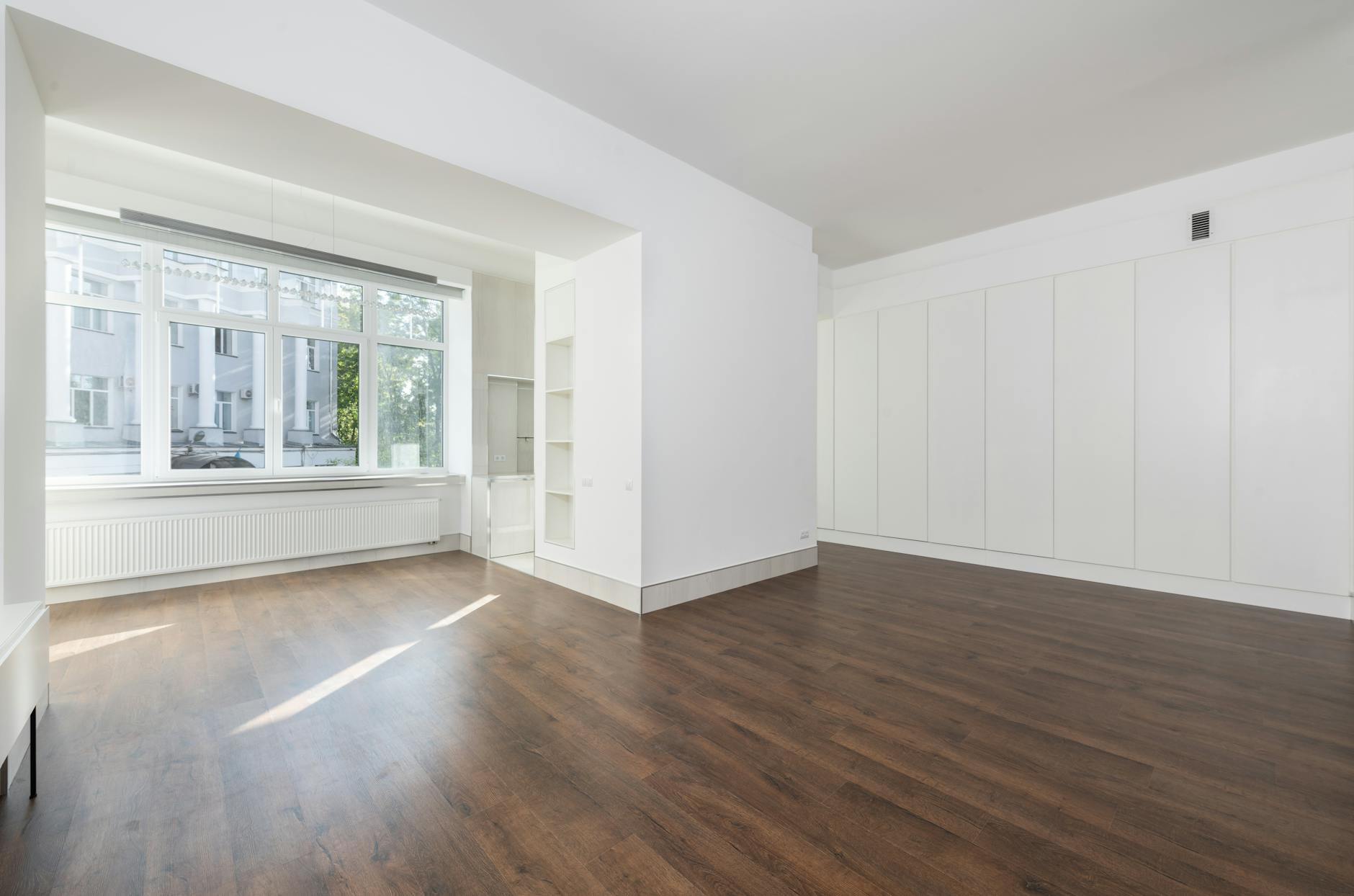
Incorporating timeless materials and textures into your design is crucial for longevity. Natural materials like wood, stone, and metal not only provide durability but also evoke a sense of authenticity. A reclaimed wood dining table, for example, adds character and a tactile element that resonates with many styles—from rustic to modern minimalist.
Textures play a significant role in creating visual interest and depth. Consider layering different materials—like plush velvet cushions against a sleek leather sofa or a soft wool rug atop wooden flooring—to engage the senses. Aim for a mix of finishes and surfaces to create an inviting, well-rounded space. Timeless design often embraces elegance in simplicity, so choose quality over quantity in your selections, ensuring each piece tells a story.
Conclusion
Timeless interior design transcends fleeting trends and cultural shifts. By grounding your approach in principles like balance, harmony, color, space, and the use of timeless materials, you can create spaces that not only look beautiful today but will continue to resonate for years to come. As you embark on your design journey, remember that the best interiors are those that reflect personal stories while adhering to these enduring principles. After all, a well-designed space is not just a place to inhabit—it is a canvas of life, memories, and emotions.
