Rainforests are often referred to as the lungs of our planet, and for good reason. Comprising roughly 6% of Earth’s surface, these vibrant ecosystems play a crucial role in maintaining the planet’s climate, supporting biodiversity, and providing resources for human civilization. From the Amazon Basin to the lush landscapes of Southeast Asia, the world’s rainforests are teeming with life, intricacies, and opportunities for exploration. This article delves into the significance, diversity, and challenges of rainforests around the globe, while showcasing some of the unique experiences these verdant realms offer.
The Significance of Rainforests
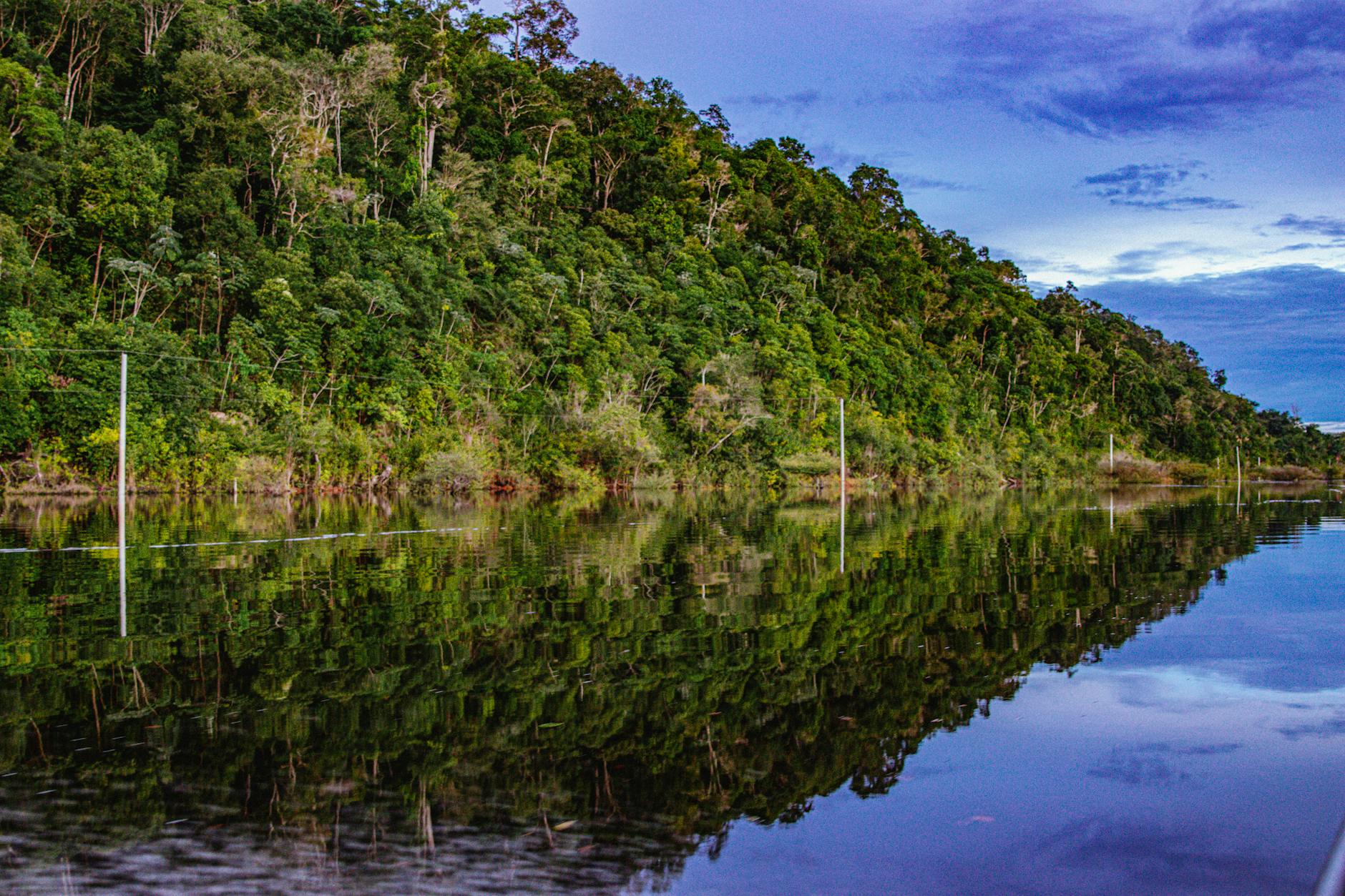
Rainforests are vital for several reasons. Firstly, they absorb a significant amount of carbon dioxide, helping to mitigate climate change. It is estimated that the Amazon rainforest alone stores 76 billion metric tons of carbon, acting as an essential buffer against global warming. Furthermore, rainforests are home to an estimated 50% of all plant and animal species on Earth, making them invaluable for biodiversity. This biodiversity is not only crucial for ecological balance but also offers medicinal resources, with many modern pharmaceuticals originating from rainforest flora.
Beyond their ecological importance, rainforests hold immense cultural significance. Indigenous peoples have lived in these environments for centuries, relying on the rich resources for their livelihoods while developing intricate relationships with the ecosystem. Their traditions, knowledge, and languages offer a wealth of information about sustainable living and natural resource management, often rooted in generations of experience.
Diverse Rainforest Regions
While rainforests can be found on nearly every continent, the most notable regions include the Amazon, the Congo Basin, and Southeast Asia. Each of these areas boasts unique characteristics, species, and communities.
The Amazon Rainforest
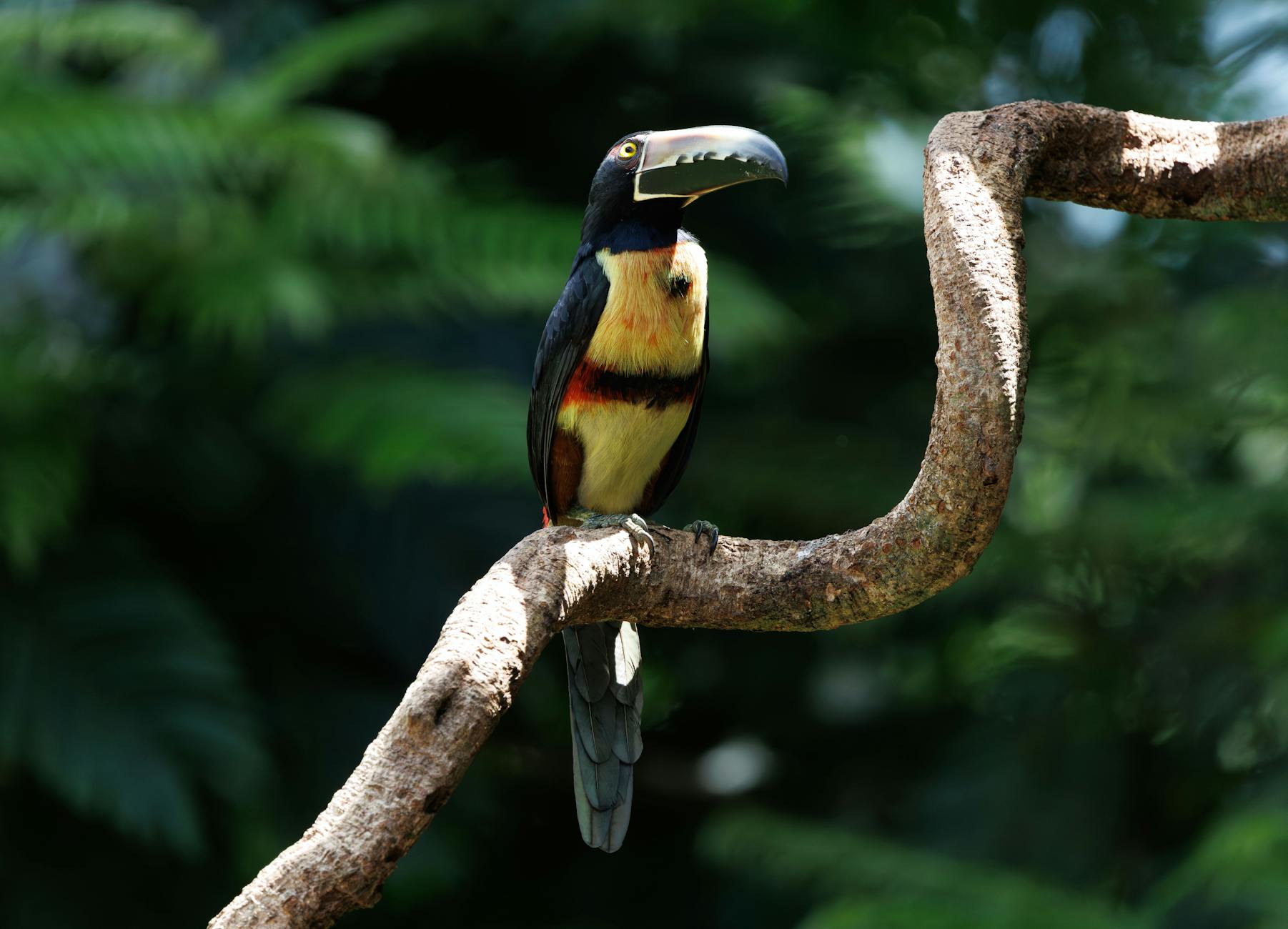
Spanning across five countries—Brazil, Peru, Colombia, Venezuela, and Ecuador—the Amazon rainforest is the largest tropical rainforest in the world. This biodiverse haven is home to over 40,000 plant species, 2.5 million insect species, and countless birds, mammals, and reptiles. Exploring the Amazon offers adventurers a chance to witness spectacular wildlife, from vibrant toucans to elusive jaguars. Eco-tourism has become increasingly popular in this region, allowing visitors to engage with local communities and learn about the delicate ecosystems they inhabit.
Activities in the Amazon can range from guided canoe trips along the river to immersive treks through the jungle. Visitors often have the chance to experience indigenous cultures firsthand, partaking in traditional practices like fishing, hunting, and crafting. However, the Amazon faces significant threats from deforestation and climate change, making responsible tourism essential to its preservation.
The Congo Basin
The Congo Basin, the second-largest rainforest in the world, spans across six countries: the Democratic Republic of Congo, Republic of Congo, Gabon, Cameroon, Central African Republic, and Equatorial Guinea. It is a cradle of evolution, hosting unique species such as the endangered mountain gorilla and the elusive okapi. The dense foliage and intricate waterways create a rich tapestry of life, attracting researchers and nature enthusiasts alike.
Ecotourism in the Congo Basin is gaining traction, with initiatives aimed at promoting conservation efforts that benefit local communities. Guided forest hikes, wildlife observation, and visits to local markets provide insight into the area’s biodiversity and cultural practices. Nevertheless, mining, logging, and poaching continue to pose serious threats to the region’s integrity. Increased awareness and support for sustainable practices are vital for ensuring the health of this vibrant ecosystem.
Southeast Asian Rainforests
Southeast Asia’s rainforests, covering countries like Indonesia, Malaysia, Thailand, and the Philippines, are among the most complex and biodiverse in the world. The region is known for its towering dipterocarps, vibrant orchids, and diverse wildlife, including the critically endangered Sumatran orangutan and the Malayan tiger. The rainforests here are a blend of coastal, montane, and lowland ecosystems, offering diverse habitats and experiences for explorers.
Hiking in the highlands of Malaysia or cruising the rivers of Borneo can reveal hidden waterfalls and unique wildlife encounters. Cultural experiences, such as visiting traditional longhouse communities, allow travelers to engage directly with local peoples and learn about their connection to the forest. The immense deforestation for palm oil plantations and logging represents an ongoing challenge in Southeast Asia, underscoring the need for sustainable solutions that protect both biodiversity and indigenous communities.
Conservation Challenges and the Path Forward
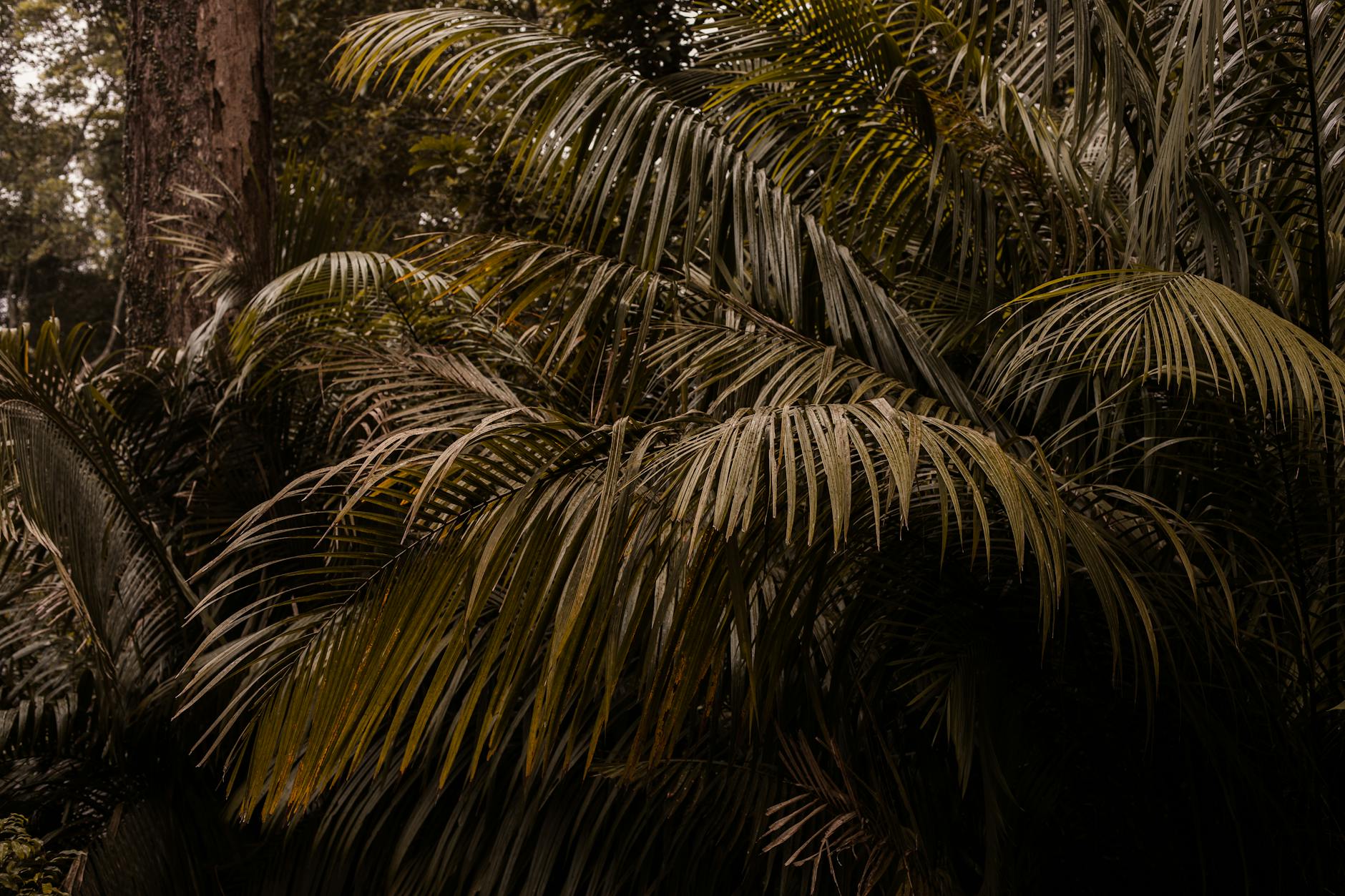
The world’s rainforests are facing unprecedented threats from human activity—deforestation, climate change, and unsustainable resource extraction. Approximately 18 million acres of forest are lost each year, primarily due to agricultural expansion, logging, and infrastructure development. This loss not only endangers countless species but also disrupts the livelihoods of indigenous communities who depend on these ecosystems for their survival.
To combat these challenges, various organizations and governments are partnering to create protected areas, implement sustainable practices, and promote reforestation efforts. The rise of eco-tourism has also highlighted the economic potential of conservation, encouraging communities to preserve their natural resources while generating income. Efforts to raise awareness and educate the public on the importance of rainforests are critical to fostering a global movement towards protecting these vital ecosystems.
As we explore the richness of rainforests, it becomes clear that they are not only a source of wonder and adventure but also a keystone of planetary health. Each visit to these unique environments offers an opportunity to connect with nature and contribute to its preservation. By understanding and appreciating the beauty and significance of rainforests, we can advocate for their future and ensure they thrive for generations to come.