
In a world increasingly defined by mass production and digital commodification, craftsmanship remains a bastion of integrity and authenticity. Far from being mere handiwork, craftsmanship encapsulates a set of values that define not only the product’s worth but also the story behind its creation. As consumers become more discerning, understanding the nuances of craftsmanship becomes essential in deciphering value.
The Essence of Craftsmanship
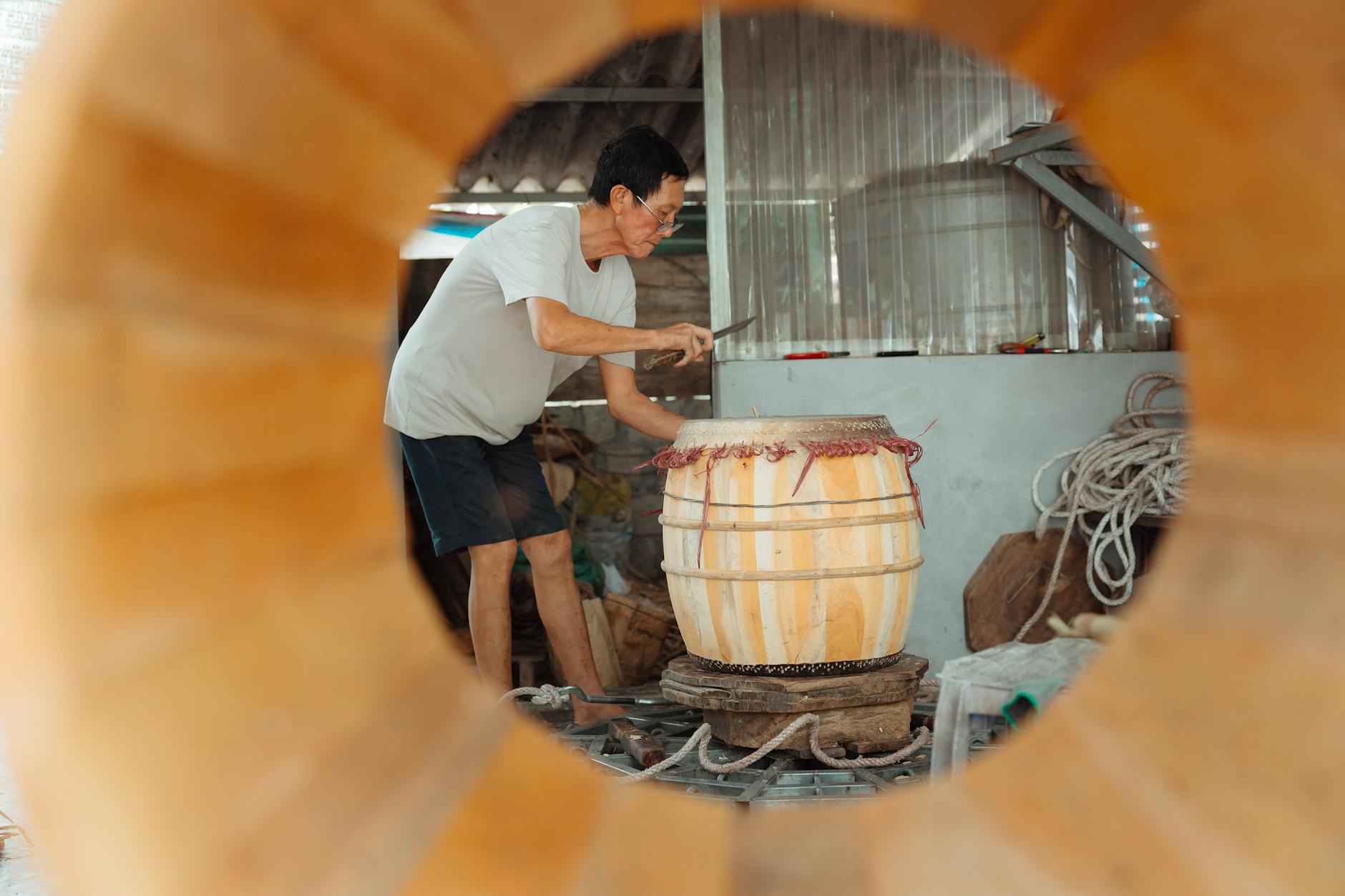
Craftsmanship represents skill, artistry, and a commitment to quality. It is the intentional process of creating something from raw materials into a finished product embodying functionality and beauty. This contrasts sharply with the disposability associated with mass-produced goods, where corners are cut and quality is often sacrificed in favor of lower costs. Handcrafted goods—be it furniture, clothing, or artisanal food—often carry a distinctive character that speaks to the time and effort invested in their making.
One key aspect of craftsmanship is the storyteller behind the product. Each artisan brings their unique background, experiences, and perspectives to their work, imbuing each item with a narrative that cannot be replicated in a factory setting. This narrative fosters a connection between the maker and the consumer, adding a layer of emotional value that transcends mere utility. As a result, products born from craftsmanship often become cherished heirlooms, carrying memories and significance through generations.
Quality Over Quantity: The Economic Impact
Understanding craftsmanship as a cornerstone of value also opens a discussion about its economic implications. When consumers opt for handcrafted over mass-produced items, they are often willing to pay a premium. This willingness reflects a growing recognition that quality often trumps quantity. The burgeoning market for artisanal goods is not just a trend but an indication of a collective shift towards valuing sustainability, longevity, and ethical production practices.
By investing in craftsmanship, consumers support local economies and small businesses, ensuring that traditional skills and trades are preserved. This support has far-reaching effects on communities, where artisans can continue their craft and contribute to local culture. Furthermore, the economic benefits extend beyond the artisan; they encourage a market ecosystem that prioritizes quality, working conditions, and environmental sustainability, ultimately benefiting everyone involved.

Craftsmanship in the Age of Technology
While technology has revolutionized production processes, the relationship between craftsmanship and technology doesn’t have to be adversarial. Advanced technologies—like 3D printing and computer-aided design—can complement traditional methods, offering artisans tools to enhance their creations rather than replacing them. For instance, a skilled woodworker might use a laser cutter to achieve precision while still applying traditional joinery techniques by hand. This fusion not only preserves craftsmanship but also expands its possibilities, allowing for unique products that maintain a human touch.
Moreover, the digital landscape provides artisans with platforms to reach a global market, showcasing their work far beyond their local communities. Websites and social media enable artisans to tell their stories and connect with consumers who value the craftsmanship behind their products. In turn, this digital exposure can lead to increased appreciation for handmade goods, encouraging more people to seek out and invest in craftsmanship.
Redefining Value in Consumer Choices
As consumer preferences shift, the criteria for evaluating value are evolving. Today’s consumers are more informed and prioritize purpose-driven purchasing decisions. They seek products that align with their values—be it sustainability, ethical sourcing, or social responsibility. Craftsmanship stands at the intersection of these priorities, as it typically entails a slower, more thoughtful production process that results in higher quality and minimized environmental impact.
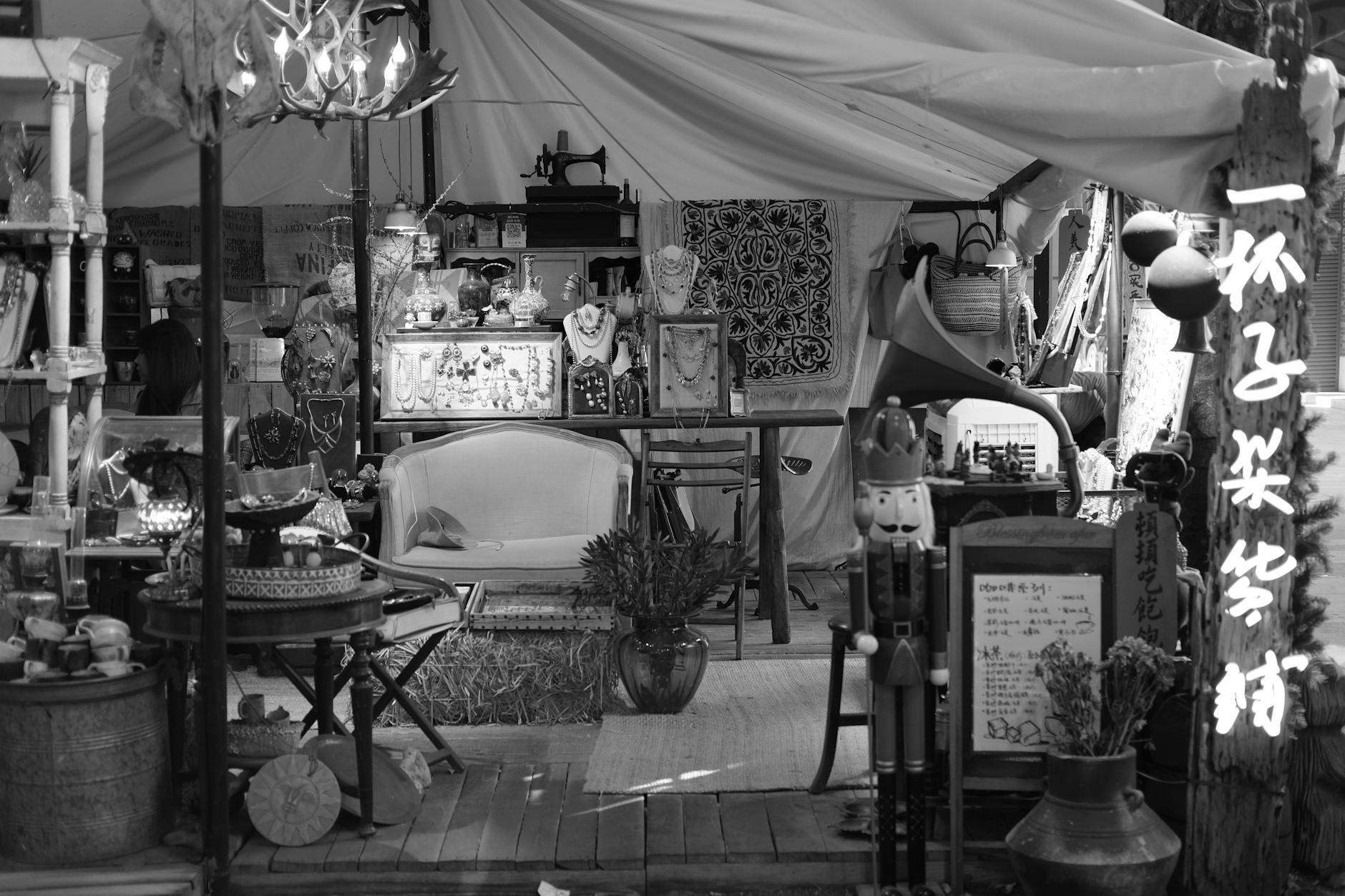
Moreover, the emotional resonance associated with handcrafted goods cannot be overlooked. Purchasers often feel a deeper connection to items with a story, as they reflect the craftsmanship, time, and passion invested by the artisan. This emotional engagement transforms the straightforward transaction of buying a product into a more profound exchange—one that involves appreciation, respect, and often, a sense of community. Such connections reinforce the idea that craftsmanship enhances value in a manner that mass production cannot replicate.
The Future of Craftsmanship and Value Creation
As we navigate an increasingly automated world, the future of craftsmanship looks bright. The increasing demand for personalized, unique, and high-quality goods indicates a return to valuing the human touch in production. Additionally, the rising interest in sustainable practices positions craftsmanship as a viable response to global challenges like climate change and resource depletion. By prioritizing quality over quantity, craftsmanship provides a pathway to a more sustainable economy.
Craftsmanship, therefore, becomes an essential part of our collective narrative. It offers a counter-narrative to rapid consumerism, emphasizing appreciation for skill, tradition, and the human experience behind every product. As more people begin to recognize and champion the values associated with craftsmanship—be it through supporting local artisans, making informed purchasing decisions, or investing in quality over quantity—we cultivate a culture that celebrates the art of creation.
In essence, craftsmanship defines value not only through the physical attributes of an item but also through the deeper connections fostered between makers and consumers. This relationship, built on trust, authenticity, and a shared appreciation for quality, ultimately enriches our lives and the communities in which we live.
