
In a world increasingly defined by mass production and the fast-paced nature of consumerism, the value of craftsmanship is experiencing a significant resurgence. This shift reflects a broader cultural appreciation for quality over quantity, where hand-made, unique items are celebrated as the epitome of luxury. As our lives become more intertwined with technology, the desire for authenticity and artisanal skills has become paramount. Craftsmanship is no longer just a mode of production; it represents a status symbol that resonates deeply in our contemporary society.
The Allure of the Handmade
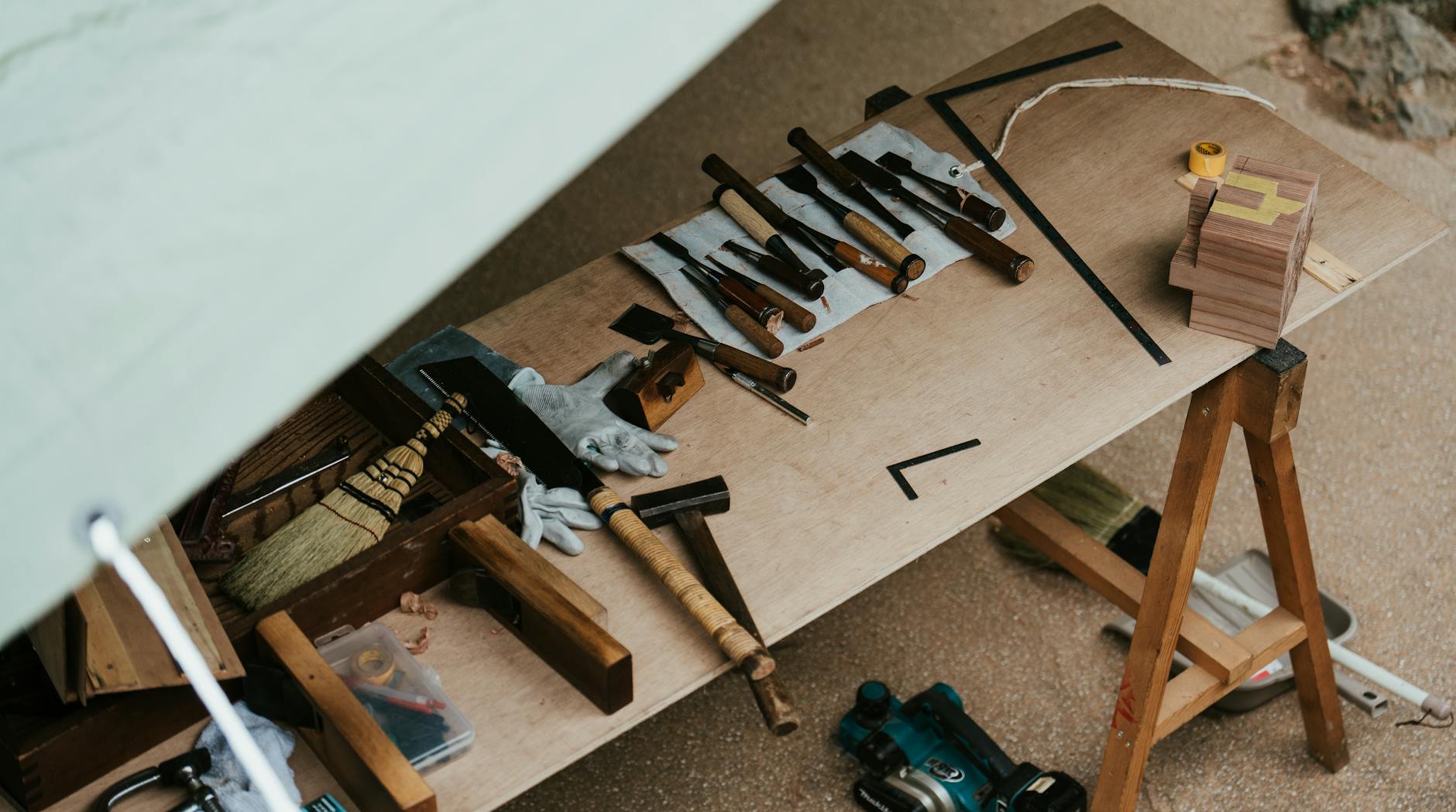
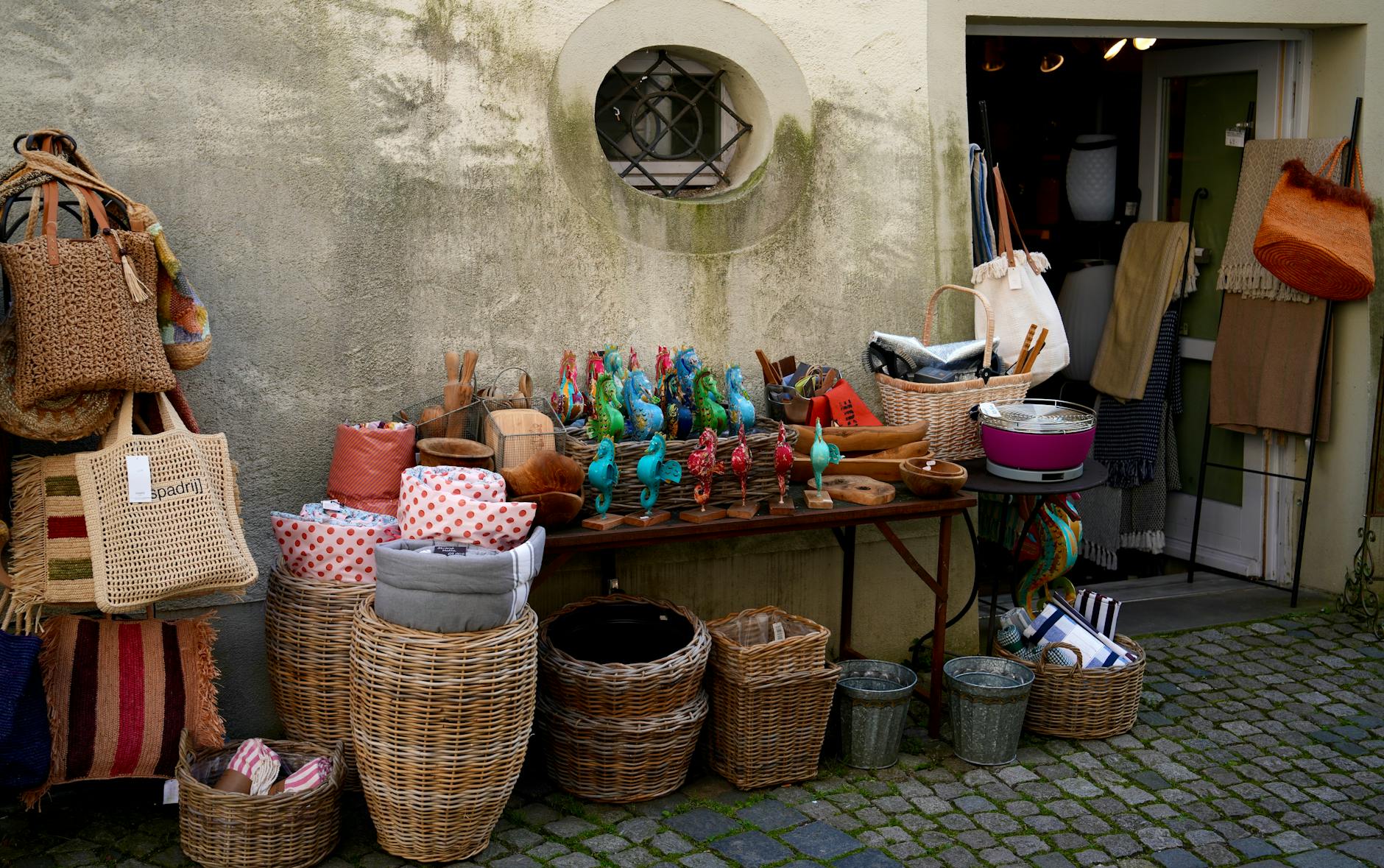
The handmade movement captures a longing for real, tangible connections in a digital age. Consumers are increasingly shifting their purchasing habits towards local artisans and small businesses that prioritize quality and skill in their work. Items crafted by hand carry stories, history, and character that mass-produced products often lack. When someone invests in a handmade object—be it furniture, clothing, or artisanal food—they are not just purchasing a product; they are acquiring a piece of someone’s passion and dedication.
This fascination with the handmade is rooted in the human experience. People are drawn to crafts that require time, skill, and artistry. For instance, a custom-made leather bag is not merely a functional item; it is a statement of one’s values and priorities. The uniqueness of handmade goods empowers consumers to express their individuality while also supporting skilled artisans who invest their lives in perfecting their trades.

Craftsmanship as a Statement of Values
In today’s economy, where sustainability and ethical production are paramount concerns, craftsmanship conveys a strong message about personal values. Craftsmanship is often aligned with environmentally friendly practices, emphasizing the importance of sustainable materials and fair labor. Consumers are increasingly aware of the ecological impact of their purchases and often prefer to support artisans who produce items locally and ethically. By choosing handcrafted products, they not only contribute to the preservation of traditional crafts but also promote a more sustainable economy.
Famous chef and restaurateur Alice Waters has long advocated for the importance of supporting local artisans and farmers, believing that the food we consume is inextricably linked to the culture we foster. This idea extends beyond culinary arts—craftsmanship across all disciplines stands as a testament to cultural identity and heritage. The resurgence of craftsmanship illustrates a longing for a return to slower, more intentional living that emphasizes quality, sustainability, and authenticity in every aspect of life.
Social Media and the Craftsmanship Renaissance
In the digital age, platforms like Instagram and Pinterest have become catalysts for the craftsmanship movement. Social media has provided artisans with the space to showcase their work, connect with potential customers, and build a community around their craft. The visual nature of these platforms emphasizes the beauty of artisanal work, making it accessible and desirable to a broader audience. The curated aesthetics of platforms filled with beautiful, handmade goods have established a new form of aspiration—craftsmanship is now something to be celebrated and aspired to, changing its perception from a niche interest to a mainstream sensation.
Additionally, the rise of e-commerce has empowered consumers globally to seek out and purchase handcrafted items from artisans around the world. Online marketplaces allow small businesses to thrive without the need for extensive physical storefronts, further democratizing access to quality craftsmanship. This not only amplifies the visibility of artisans but also fosters global appreciation for craft skills that may have been overlooked or undervalued in larger retail environments.
The Future of Craftsmanship in Luxury
As craftsmanship continues to rise as a status symbol, it is beginning to influence even the luxury market. Traditional luxury brands are recognizing the importance of craftsmanship as a unique selling proposition in a crowded marketplace. More luxury designers are pivoting towards artisanal techniques and limited collections, emphasizing the meticulous work that goes into each piece. Brands like Hermès and Gucci have emphasized their artisanal roots, underscoring that exclusive, beautiful items often have stories etched into their creation—crafted with care, skill, and time.
This shift has also led to a growing interest in skills previously considered modest or mundane. As celebrities and influencers tout the beauty of handmade crafts, skills like woodworking, pottery, and textile arts are being celebrated more widely. Workshops, classes, and community events focused on these skills have proliferated, fostering a more profound appreciation for craftsmanship across generations. The new generation is keen to learn and master these crafts, ensuring that they do not fade into oblivion.

This embrace of craftsmanship represents a radical departure from the one-size-fits-all mentality that has dominated consumer culture. Instead of uniformity, there is a preference for individuality and authenticity. In this new paradigm, craftsmanship embodies a genuine connection to the products we use and the people who create them. This cultural shift transcends mere aesthetics; it offers a richer, more meaningful relationship with our possessions and the artisans behind them.
In summary, as we navigate a world saturated with disposable goods and rapid consumption, the renewed appreciation for craftsmanship serves as a powerful reminder of the importance of quality, sustainability, and the human touch. Craftsmanship is more than just a status symbol; it is a celebration of tradition, artistry, and a collective step towards a more thoughtful consumer culture. The hands that craft these exquisite pieces do not just mold materials; they shape our values and aspirations as a society.
