
In the modern landscape, a noticeable shift is occurring in consumer behavior—one that places a higher value on experiences over the traditional notion of ownership. Whether it’s travel, dining, or entertainment, people are increasingly prioritizing the ephemeral moments that enrich their lives over the tangible possessions that once defined status and success. This transition reflects not just a change in personal preferences but also broader social and economic trends that define today’s world.
The Rise of Experiential Culture
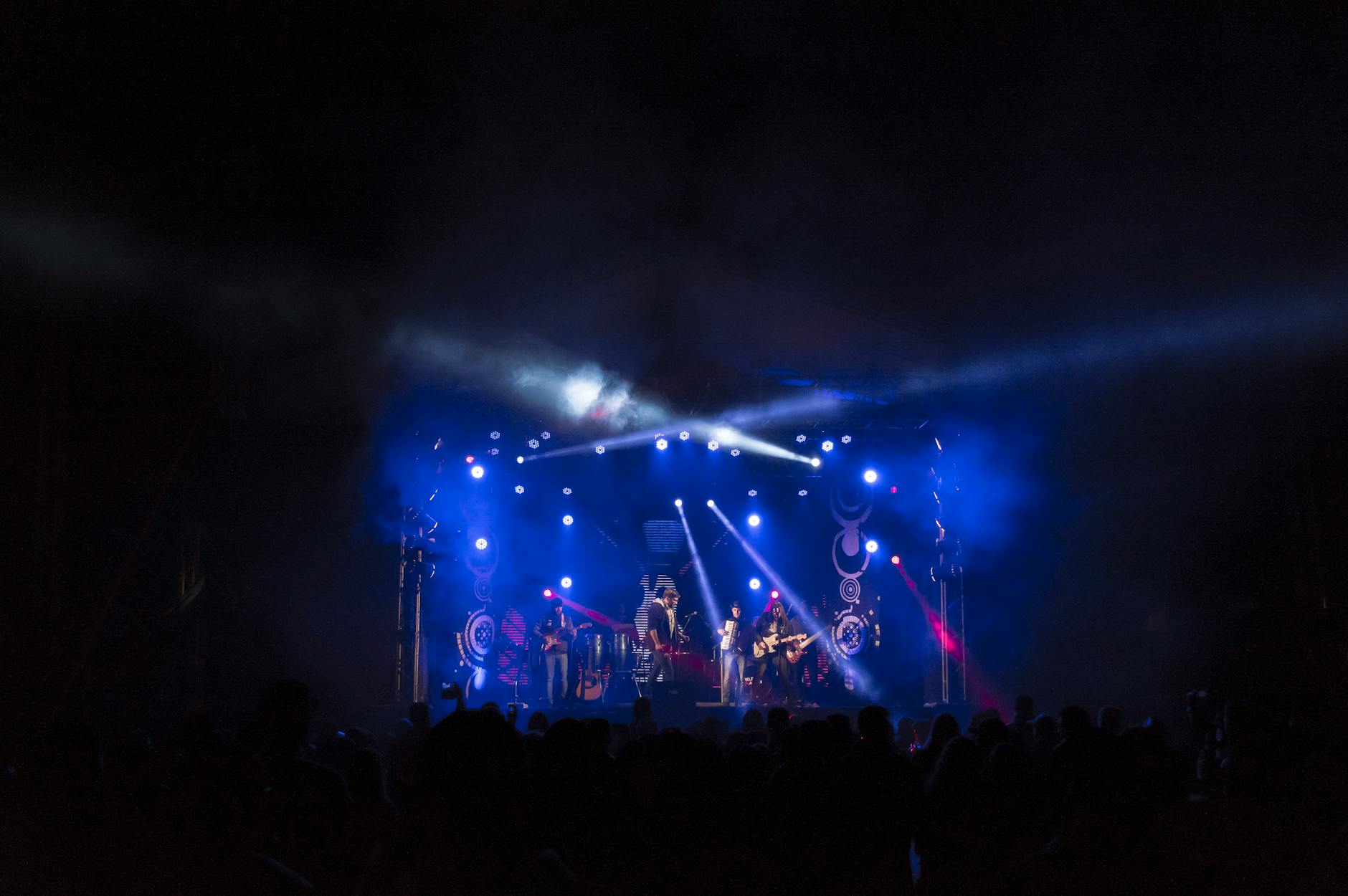
According to recent studies, over 75% of millennials and Gen Z consumers prefer spending their money on experiences rather than material goods. This emerging trend is shaped by several factors, including a growing awareness of mental well-being, an increase in social media influence, and a shift in the values we associate with fulfillment. Experiences have an intrinsic quality that material items lack; they create memories, foster connections, and, ultimately, define our identities.
The social media revolution plays a pivotal role in this experience-driven culture. Platforms like Instagram and TikTok glorify experiences, encouraging users to share moments of joy, adventure, and exploration. This has led individuals to seek unique experiences that provide not just fulfillment but also content worth sharing. As the saying goes, “If you didn’t post it, did it even happen?” This cultural mindset reinforces the idea that experiences hold more value than physical ownership.
Experiences as a Source of Happiness
Psychological research has long indicated that experiences tend to provide greater long-term satisfaction than material possessions. According to a study published in the journal *Journal of Consumer Research*, consumers report higher levels of happiness from experiences than from buying material goods. Why? Experiences promote social connections and provide stories to tell, which in turn enhance our sense of self-worth and belonging.
Furthermore, the act of planning an experience—whether it’s a trip to a foreign country or a weekend getaway—can be just as pleasurable as the experience itself. Anticipation brings joy, adding a layer of happiness that owning a new gadget or item cannot replicate. This aspect of experiential consumption aligns with theories in positive psychology suggesting that experiences are not just fleeting moments; they become part of our life narratives, enriching our understanding of who we are.

The Economic Perspective: Sharing and Sustainability
From an economic standpoint, the shift toward experiences is driven by technological advancements that have made sharing more accessible. Services like Airbnb and Uber have revolutionized travel and transportation, allowing consumers to experience more with less financial commitment. This sharing economy model reflects a fundamental change in how we perceive ownership. Why own a car or a vacation home when you can access these resources as needed?
This burgeoning trend also aligns with sustainability. As awareness of environmental issues grows, individuals are becoming more conscious of their consumption habits. Owning fewer things means less waste and a lower carbon footprint. As a result, many are opting for experiences that allow them to engage with the environment meaningfully while minimizing their impact. From eco-tourism to farm-to-table dining experiences, the focus is on sustainable joy rather than material accumulation.
Transforming Our Relationships with Material Goods
As experiences take center stage, our relationship with material possessions is evolving. We are beginning to appreciate quality over quantity, seeking items that enhance our experiences rather than cluttering our lives. Minimalism, as a lifestyle, has gained traction among younger generations, promoting the idea that owning fewer possessions leads to greater freedom and happiness.
This newfound appreciation for experiences over ownership does not imply a rejection of all material goods. Instead, it encourages us to consider what we truly value. Brands are recognizing this shift, adopting strategies that focus on memorable customer experiences rather than simply pushing products. Companies from luxury brands to tech startups are integrating experiential marketing, showcasing how their products enhance life’s moments—think immersive pop-up events, virtual reality, or exclusive brand collaborations.
Redefining Success in Modern Life
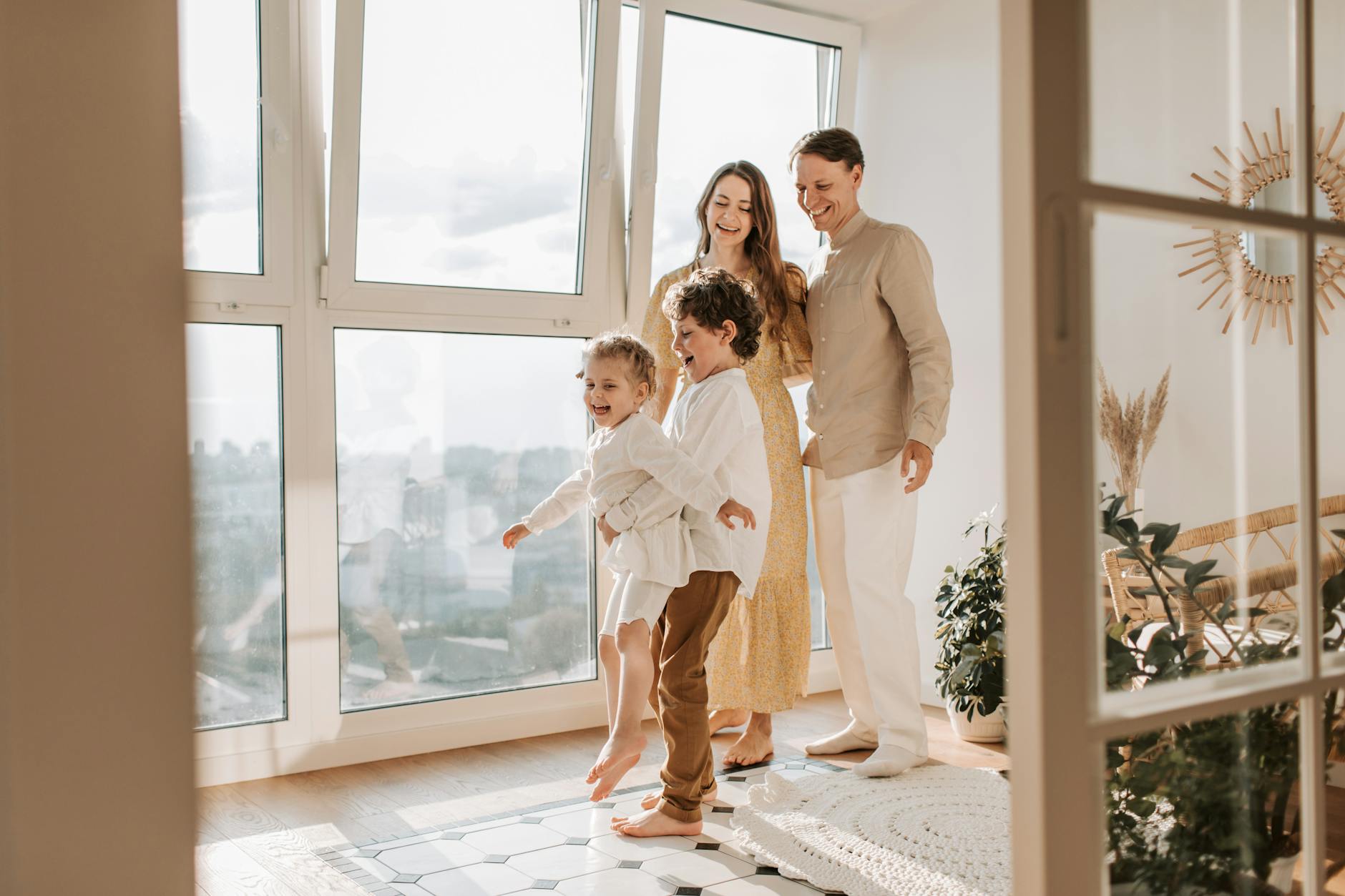
In a world increasingly defined by experiences, the traditional metrics of success are also evolving. Instead of measuring wealth by the number of possessions, success is now often gauged by the richness of life experiences. Travel stories, shared meals, and adventures are becoming the new status symbols, fostering a culture of connection that transcends material wealth.
This shift impacts how people prioritize their time and resources. Individuals are opting for experiences that offer personal growth—attending workshops, engaging in volunteer work, or exploring new cultures. The defining question in this new paradigm becomes, “What experiences will leave a lasting impact on my life?” Living this way fosters wisdom and emotional intelligence, invaluable traits in both personal and professional aspects of life.
Potential Downsides of the Experience Economy
However, it is critical to recognize that the emphasis on experiences does not come without its challenges. The pressure to document and share experiences can lead to anxiety and even a sense of inadequacy when comparing one’s life to the curated images of others. Moreover, the commodification of experiences can dilute their authenticity, as commercial interests try to capitalize on the experience economy. To strike a balance, it is essential to approach experiences mindfully, ensuring they align with genuine values rather than external expectations.
Additionally, access to unique experiences can be limited, often depending on one’s economic situation. Disparities in resources may prevent some individuals from participating in the experience economy, highlighting a need to create inclusive opportunities that allow a broader range of people to benefit from experiential living.
Embracing a Future of Experiences
As we move forward, the focus on experiences over ownership is likely to deepen, reshaping our social fabric and individual psyches. Embracing this trend can lead to a more fulfilling life, where joy is derived not from what we own but from what we do and whom we share it with. Companies that adapt to this shift will thrive, offering products and services that enrich our experiences rather than simply filling our homes with more things.
In conclusion, as we navigate through life, it becomes increasingly evident that experiences matter more than ownership. By prioritizing unique moments and shared adventures, we not only enhance our own lives but also encourage a culture that celebrates connection, sustainability, and personal growth. This transition is not merely about consumer habits; it reflects a fundamental change in how we define happiness and fulfillment in our lives.
