
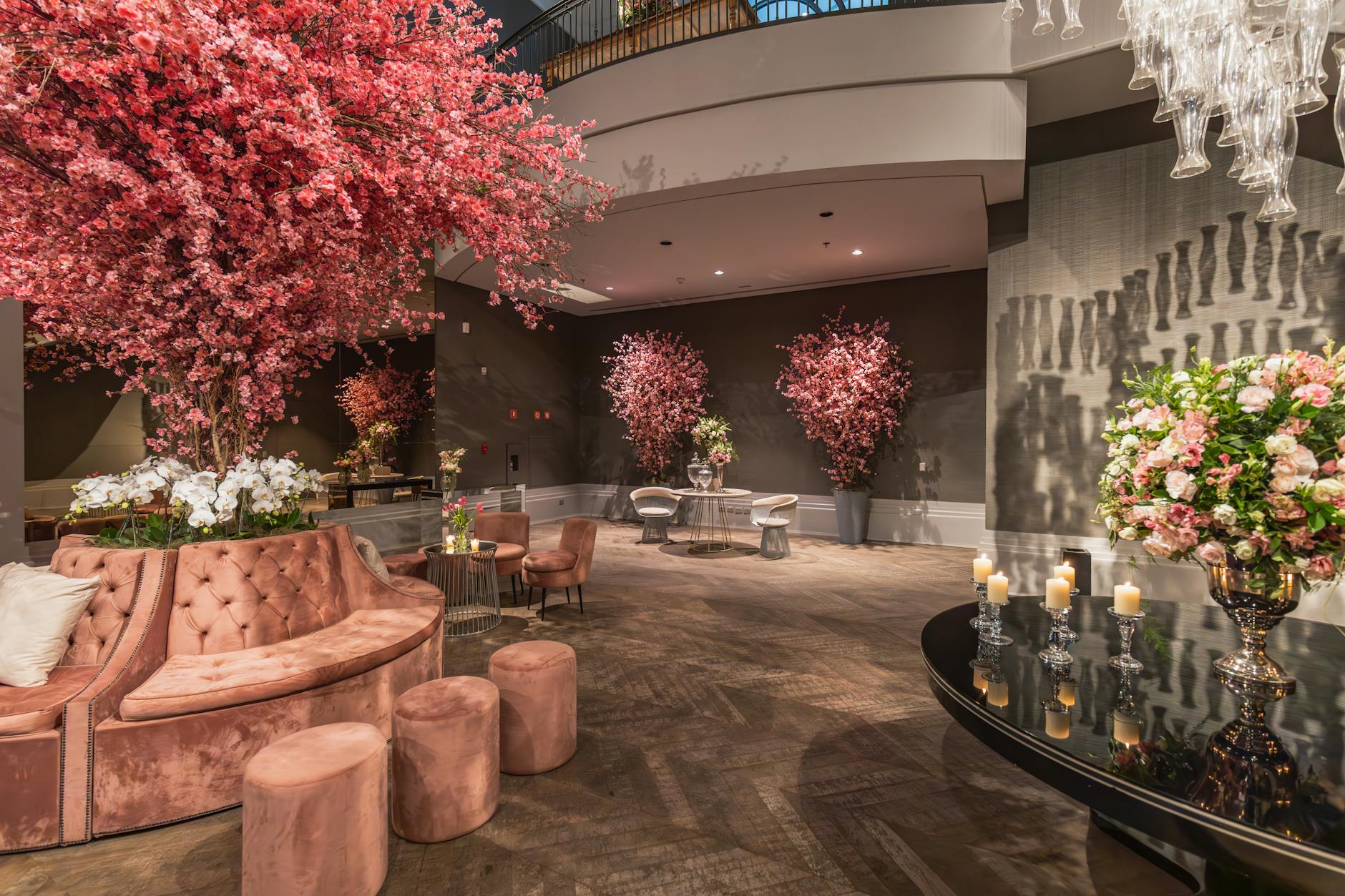
In a world increasingly characterized by accessibility and openness, the concept of “invite-only” has emerged as a fascinating paradox. Whether it’s a luxurious club, an exclusive event, or even a specialized online community, the allure of invite-only spaces often transcends their tangible offerings. These venues don’t just provide a service; they impart an aura of exclusivity and prestige that can be irresistible. So, what exactly makes these places “invite-only,” and why do we find them so appealing?

The Allure of Exclusivity
The first and foremost reason invite-only spaces hold significant appeal is the allure of exclusivity. There’s a certain prestige associated with being part of a select group, which often contributes to a feeling of belonging among its members. This exclusivity can manifest in various ways—geographically, economically, or socially. For example, high-profile clubs in cities like New York or London may require not just a hefty membership fee but also a personal recommendation from current members. This additional layer of qualification cements the status of the group as elite and desirable.
Moreover, the psychology of exclusivity reveals that people are drawn to what is scarce or limited. Behavioral economics suggests that perceived scarcity enhances value. When something is available to only a few, it elevates the desirability of that object or experience. The phrase “invite-only” has its own connotation of rarity; it stimulates curiosity and intrigue, inviting individuals to seek out what lies behind the velvet rope. As the saying goes, “you want what you can’t have,” and this phenomenon is amplified in social settings within invite-only spaces.
Criteria for Selection
To be part of an invite-only environment, individuals often must satisfy specific criteria laid out by the host. Criteria for selection can range from social status and professional achievements to particular interests or affiliations. In many cases, these spaces serve a dual purpose: they aim to cultivate a community of like-minded individuals while also fostering networking opportunities.
For instance, elite networking events often invite industry leaders to exchange ideas, thereby enhancing both personal and professional growth. Memberships in such spaces may require proof of achievement or a demonstrated commitment to excellence in a given field. As a result, invite-only gatherings not only create connections but also elevate the caliber of conversations, leading to a richer experience for all involved.
In the digital age, the criteria for inclusion have expanded to include online spaces as well. Platforms such as Clubhouse and specialized forums often thrive on invite-only systems. In these cases, the criteria might focus on expertise in a particular area or active engagement within a specific community. The successful applicant often finds themselves in an environment where they can learn from and collaborate with others who share their passions or pursuits.
Fostering a Culture of Privacy and Trust
Privacy and trust are foundational elements in invite-only spaces. Such environments foster a sense of safety and confidentiality, which is essential for candid discussions, whether they’re personal or professional. The understanding that every conversation shared in these settings is shielded from outside scrutiny creates an invaluable layer of comfort.
Moreover, invite-only spaces often have established norms and values that help solidify relationships among members. The intimate nature of these communities allows peers to build trust over time, establishing bonds that can lead to longstanding collaborations or friendships. In contrast, open environments may often lack the same level of safety, making individuals hesitant to share their thoughts or ideas.
This culture of privacy is particularly crucial in industries where innovation and intellectual property matter. By gathering a select group of individuals, invite-only groups can brainstorm or discuss ideas without the fear of outside influence or competitive pressure. This trust fosters creativity and collaboration, allowing members to push boundaries and think outside the box.

Balancing Exclusivity with Diversity
While the exclusivity of invite-only spaces can be appealing, it also raises the question of diversity and inclusion. Efforts to create more diverse environments within these exclusive settings often become a tightrope walk. Too much emphasis on exclusivity can lead to homogeneity, while an influx of diverse voices may compromise the very nature of what makes the community special.
In recent years, many invite-only spaces have recognized the value of diversity and are making strides to balance this aspect without compromising their exclusivity. Some organizations have begun to implement mentorship programs or outreach initiatives that invite individuals from underrepresented backgrounds to join. This helps refresh the community while still maintaining the standards that define the invite-only ethos.
The way forward for many invite-only spaces will involve intentionally evolving their criteria for selection to include a broader spectrum of experiences and perspectives. The challenge lies in achieving this without diluting the ethos that attracts current members. More organizations are beginning to understand the importance of fostering an environment where varied viewpoints can coexist, leading to richer discussions and deeper connections.
Conclusion: The Intrigue of Invite-Only Spaces
The intrigue surrounding invite-only places is multifaceted, blending allure, criteria for selection, privacy, and the very real challenges of fostering diversity. These spaces often serve as catalysts for connection, discussion, and innovation. They elevate the experience of belonging among their members while simultaneously inviting curiosity from those on the outside.
In society today, as we navigate the complexities of social interactions in both physical and digital realms, the desire for community remains strong. Invite-only spaces will continue to draw interest, both for their exclusivity and for the rich experiences they promise to deliver to those fortunate enough to receive an invitation.
