
In the realm of interior design, the concept of exclusivity plays a pivotal role in dictating not only desirability but also the inherent value of a space. As consumers become more sophisticated and discerning, they increasingly seek out unique elements that stand out from the mainstream. Exclusivity, therefore, is not just a status symbol; it is a narrative that defines the character, aesthetic, and experience of a space. This article will explore how exclusivity shapes desirability and the transformative impact it has on luxury interior design.
The Psychology Behind Exclusivity
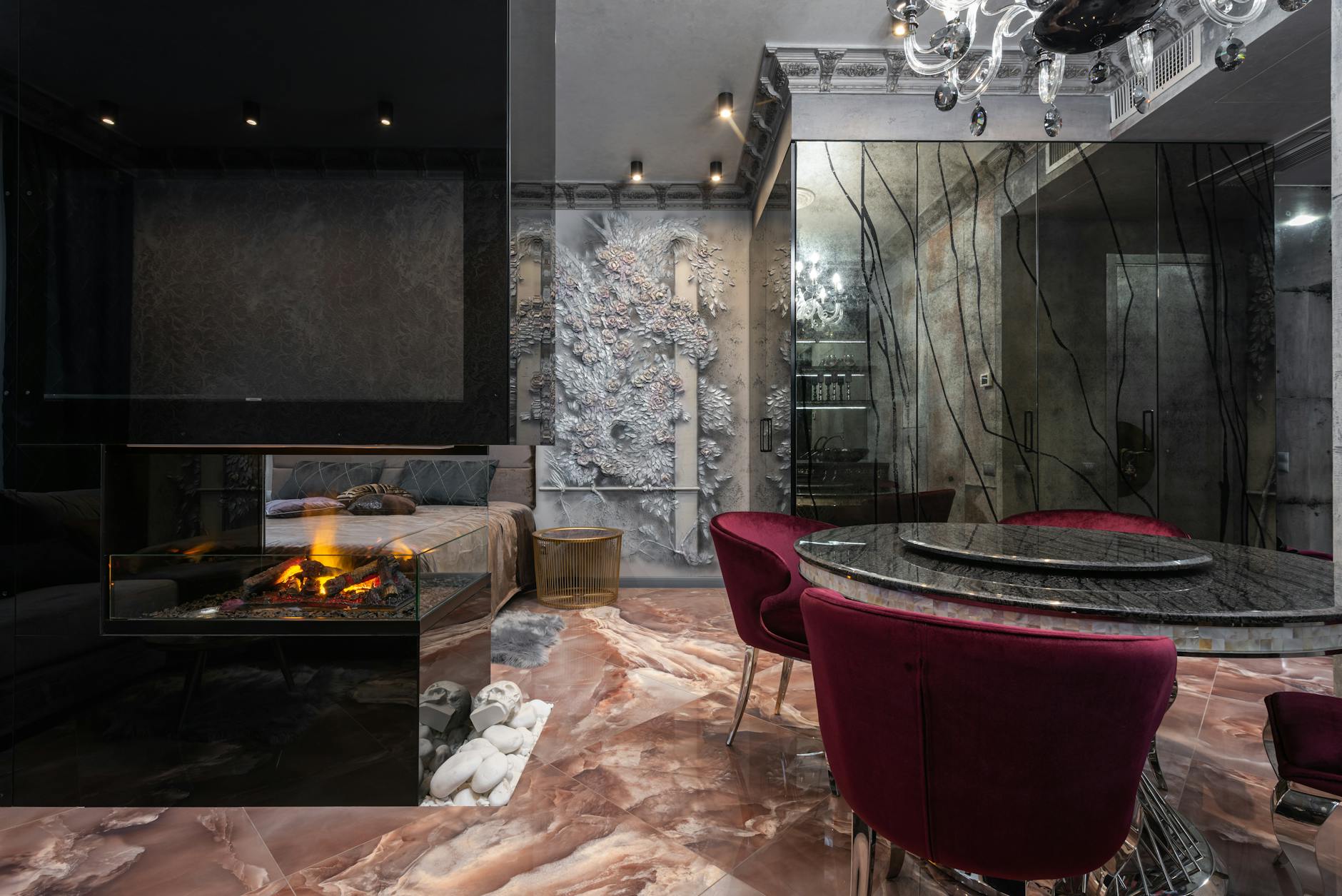
Understanding the psychology of exclusivity is essential for both designers and consumers. People are inherently drawn to things that are rare or limited in availability. This attraction is often tied to an innate desire for social status and self-identity. Luxury brands leverage this psychological phenomenon by producing limited-edition pieces, thereby creating an air of rarity and urgency. In interior design, this translates to unique furnishings, bespoke elements, and tailored solutions that cater to individual tastes.
For instance, consider bespoke furniture crafted from rare woods or handmade ceramics that can’t be replicated on a mass scale. These items not only serve a functional purpose but also contribute to a narrative of exclusivity within a home. When individuals surround themselves with exclusive pieces, they reinforce their personal brand, enhancing their social standing among peers.
Exclusivity and Design Trends
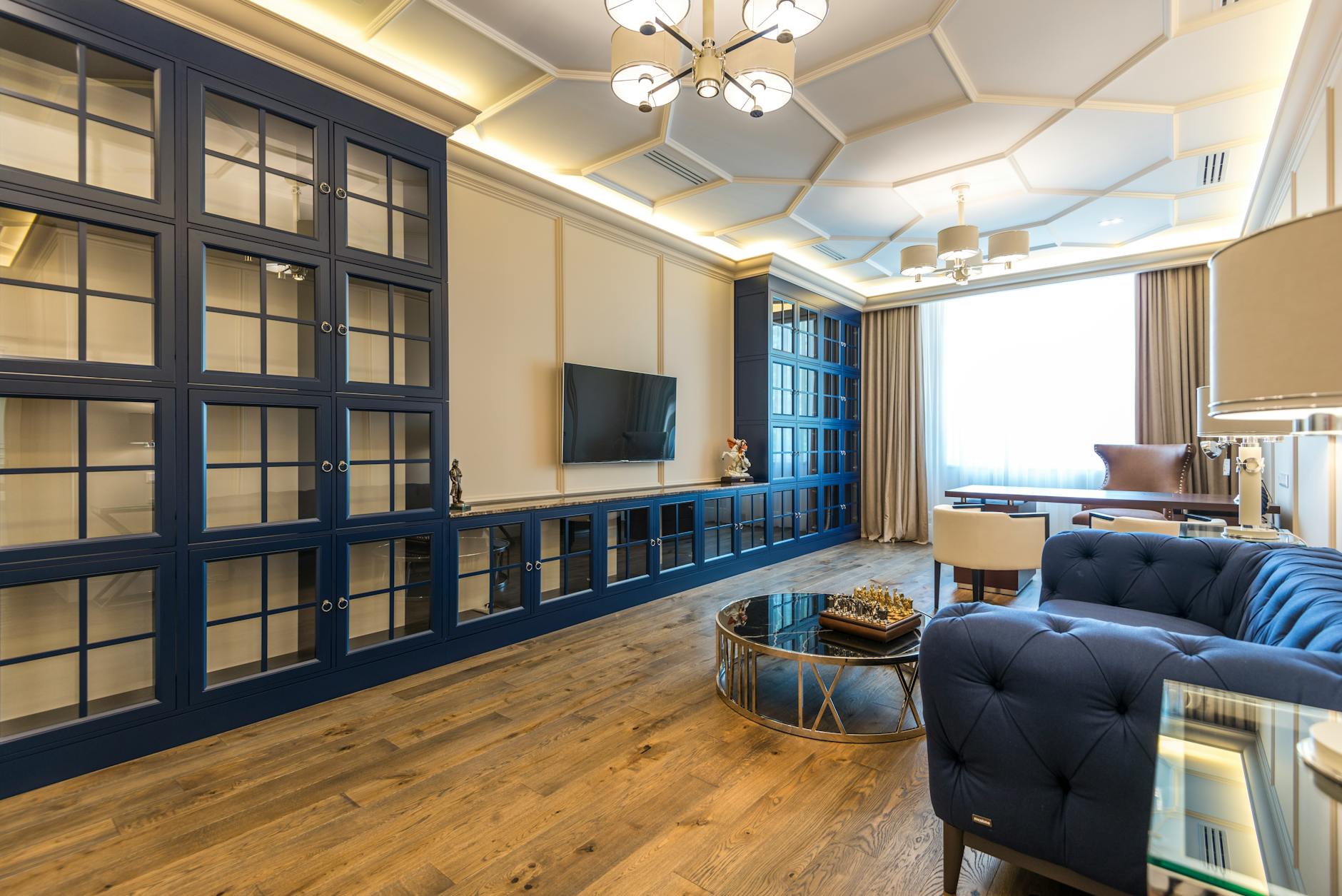
Exclusivity has a profound impact on design trends, often serving as the catalyst for emerging styles. As designers strive to distinguish their work, the push towards originality drives innovation in materials, color palettes, and layouts. In recent years, trends such as biophilic design and sustainable luxury have gained traction, reflecting a growing awareness of environmental issues while still appealing to the desire for exclusivity.
Incorporating exclusive, sustainable materials—like reclaimed wood or artisanal textiles—into a space not only elevates its aesthetic but also provides a compelling story. Homeowners can feel proud that their design choices reflect a commitment to the environment while also being one-of-a-kind. Such curated experiences resonate deeply with today’s consumers, who are increasingly drawn to brands that reflect their values.
Creating an Exclusive Atmosphere
To cultivate an exclusive atmosphere in a home, designers must focus on personalization and unique elements that resonate with the occupant’s identity. This could involve curating art collections that have personal significance, sourcing local artisans’ work, or even integrating bespoke architectural features. Each element should tell a story—whether it’s a piece of art from a local gallery or furniture designed specifically for the homeowner.
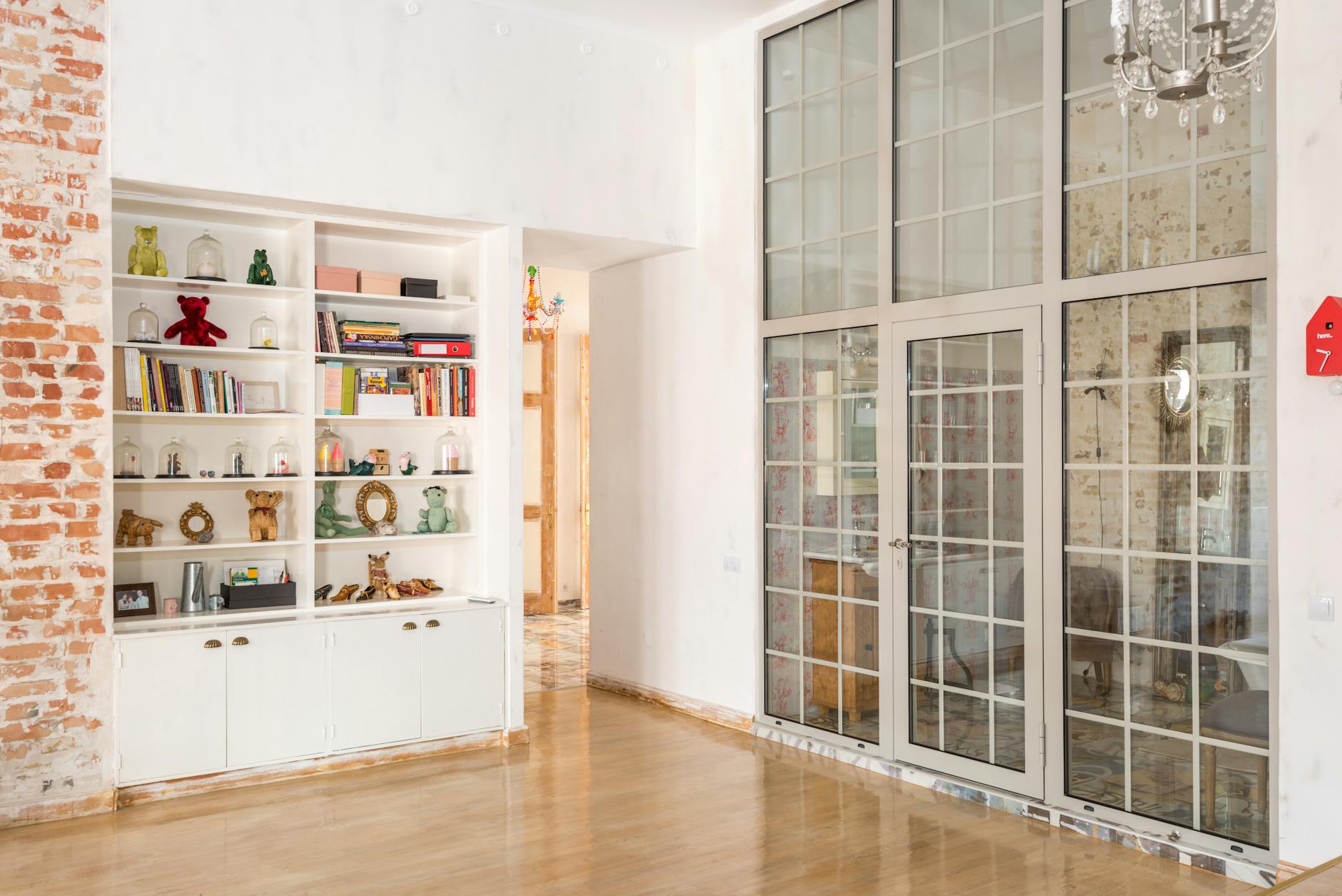
In addition, the smart use of space and layout can significantly enhance exclusivity. Open concepts that allow for fluid movement, combined with distinct, defined areas for various activities, create a sense of spaciousness and luxury. For example, a unique reading nook with custom shelving and expertly chosen lighting not only serves its function but also becomes a standout feature within the home.
The Impact of Technology on Exclusivity
In today’s high-tech world, technology plays an essential role in enhancing the sense of exclusivity in interior design. Smart home systems allow homeowners to personalize their living environments in ways that were once unimaginable. Whether it’s through automated lighting that adjusts to mood or climate control systems tailored to specific preferences, technology not only elevates comfort but also reinforces a unique lifestyle.
Moreover, custom tech solutions—such as hidden audiovisual systems or integrated smart shelves—serve to streamline a space, ensuring that sophistication does not come at the expense of functionality. When every element of a home is meticulously crafted to cater to the owner’s individual needs, it fosters a sense of exclusivity that is increasingly appealing in luxury design.
Ready-Made Exclusivity: The Role of Limited Editions and Customization
The concept of ready-made exclusivity has gained momentum, with designers offering limited collections that allow consumers to tap into the luxury market without the need for completely bespoke solutions. These limited editions often feature a unique design twist or a rare color palette, appealing to a demographic that values both exclusivity and accessibility.
Furthermore, the customization aspect enables consumers to have a say in the design process, making them feel more connected to their living spaces. Customized wallpaper, personalized artwork, or tailored fabrics allow homeowners to express their individuality while still benefiting from the design expertise of professionals. This dual approach not only caters to a wider audience but also redefines what luxury means in interior design.
Exploring the Future of Exclusivity in Interior Design
As we move forward, the role of exclusivity in interior design is likely to evolve. With advancements in technology and a growing focus on sustainability, the luxurious yet very personal aspects of design will become even more pronounced. New materials and 3D-printing technologies are set to make bespoke design even more accessible and unique, while sustainable practices will allow for the creation of exclusive designs that also prioritize the planet.
Moreover, as the global market continues to expand, particularly in emerging economies, the definition of exclusivity may also shift. Designers will need to adapt to diverse cultural influences and preferences, ensuring that exclusivity remains dynamic and relevant.
In conclusion, the interplay between exclusivity and desirability in interior design creates a rich tapestry that defines modern luxury. By understanding the psychological factors behind exclusivity, embracing emerging trends, and harnessing the power of technology, designers can craft spaces that not only fulfill aesthetic desires but also offer a deeply personal connection to the homeowner. In this ever-evolving landscape, the future of interior design holds the promise of endless possibilities, driven by individual expression and the quest for distinction.
