
In today’s fast-paced digital landscape, luxury brands increasingly pivot towards creating immersive experiences that transcend traditional marketing approaches. These “experience-only” events allow brands to forge deep emotional connections with their clientele, transforming passive customers into active participants. By prioritizing unique and engaging experiences, luxury brands not only enhance their prestige but also foster brand loyalty in a crowded marketplace.
The Essence of Experience-Only Events
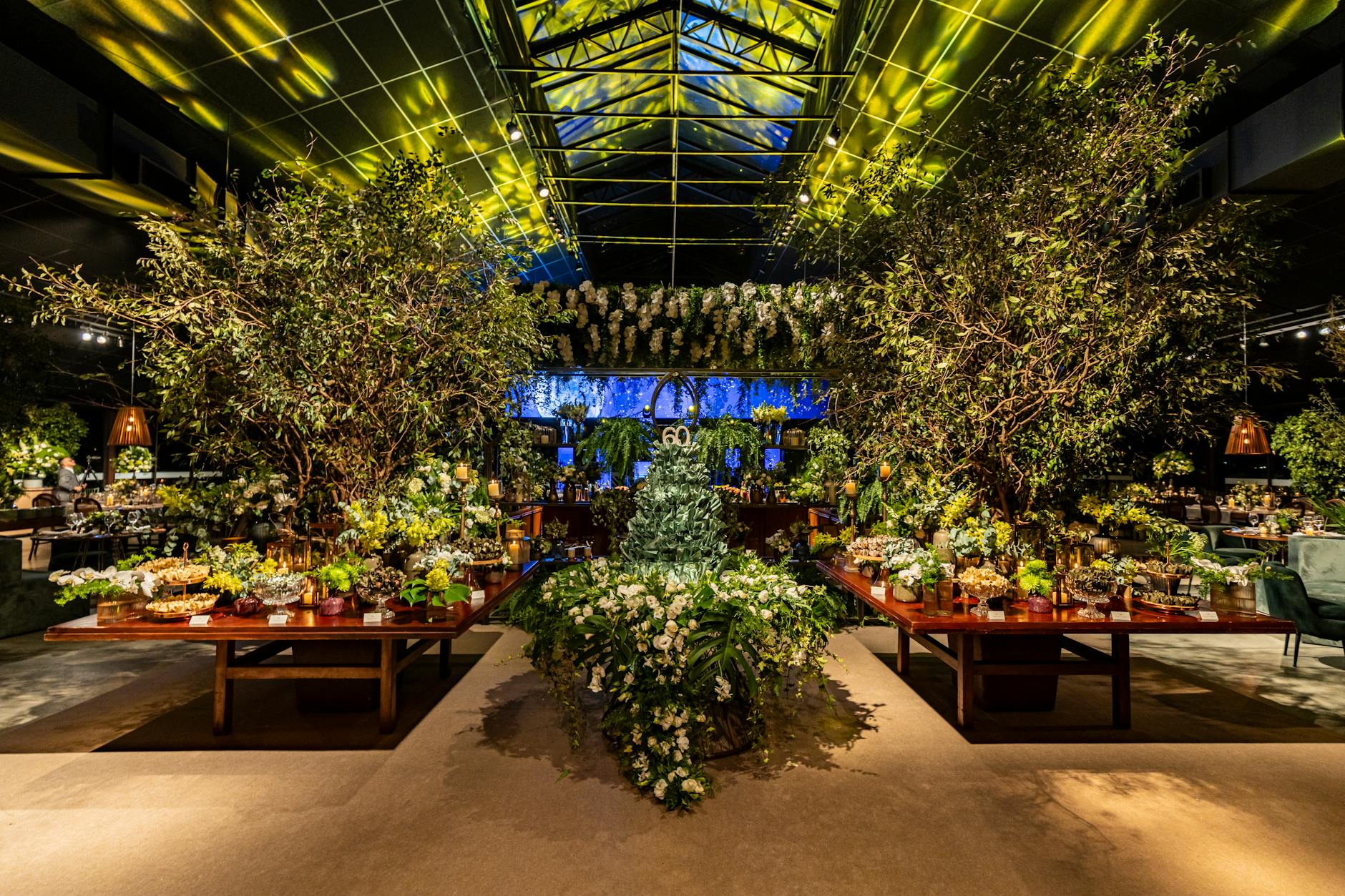
Experience-only events are meticulously curated occasions where the emphasis is placed on engagement rather than mere product promotion. These events serve as a canvas for brands to showcase their identity, values, and artistry. Instead of presenting a product line, luxury brands craft scenarios that immerse attendees in an atmosphere of exclusivity and elegance. For instance, brands like Chanel or Gucci have been known to host private runway shows set against stunning backdrops, providing an unparalleled experience that resonates long after the event has concluded.
At the core of these experiences is storytelling. Every element, from the venue selection to the choice of catering, contributes to a narrative that embodies the brand’s ethos. This approach not only enhances the experiential quality but also creates a sense of belonging among attendees. Luxury brands tap into the allure of exclusivity, ensuring that invitations are coveted and attendance feels like a privilege. This phenomenon reinforces the idea that the brand isn’t simply selling a product; it’s inviting its audience into a world that reflects its values and ambitions.
Curating Unforgettable Experiences
Crafting an unforgettable experience requires meticulous planning and an intimate understanding of the target audience. Luxury brands often conduct extensive research to identify preferences, interests, and lifestyle choices of their clientele. This data informs every aspect of the event, from the aesthetic choices to the activities offered. For example, brands like Tiffany & Co. may host intimate jewelry-making workshops where participants can create personalized pieces while enjoying fine champagne. This not only showcases the craftsmanship behind their products but also provides a hands-on experience that resonates with attendees.
Moreover, partnerships with artists, musicians, and culinary experts elevate the experience. By collaborating with renowned figures, luxury brands enhance their events with a level of sophistication that aligns with their brand image. For instance, Louis Vuitton might feature exclusive performances by celebrated musicians or collaborations with renowned chefs to create a culinary experience that tantalizes the senses. Such partnerships elevate the event beyond just a gathering; they transform it into a cultural moment that attendees will remember and talk about long after the event is over.
Embracing Technology
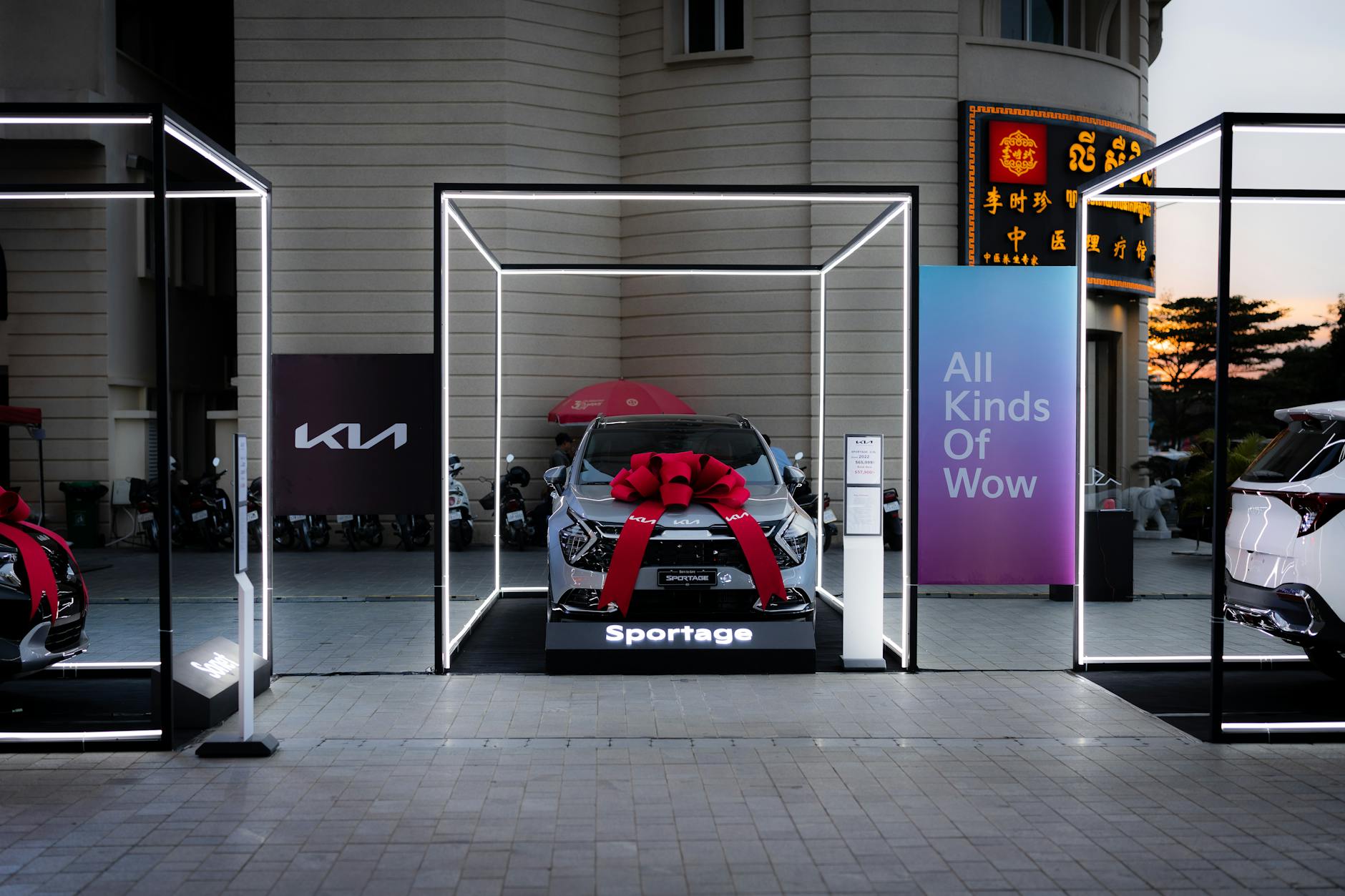
With the rapid advancement in technology, luxury brands are also leveraging digital tools to enhance their experience-only events. Virtual and augmented reality, interactive installations, and live-streaming capabilities provide attendees with innovative ways to engage with the brand. For example, a luxury car brand might allow potential buyers to virtually experience a test drive through immersive VR technology at an exclusive event. This innovative approach blurs the lines between the physical and digital realms, creating a multifaceted experience that captivates attendees.
Additionally, social media plays a critical role in amplifying the reach of experience-only events. Brands encourage attendees to share their experiences in real-time, effectively turning guests into brand ambassadors. Hashtags, Instagram stories, and live posts create a digital footprint that extends the event’s impact beyond its physical confines. This organic promotion not only enhances the brand’s visibility but also establishes a sense of community among attendees, fostering ongoing engagement.
The Aftermath: Building Long-Term Relationships
The goal of experience-only events is not just to create a memorable moment but to build lasting relationships with attendees. Following the event, luxury brands often follow up with personalized messages, exclusive offers, or invitations to future events. This post-event engagement reinforces the emotional connections made during the experience, transforming fleeting encounters into lasting partnerships. Brands like Prada leverage customer relationship management (CRM) strategies to track engagement and feedback, utilizing this data to refine future experiences and deepen their relationships with clients.
Furthermore, these experiences often evoke a sense of nostalgia that keeps the brand top-of-mind. Attendees may share their experiences with friends and family, expanding the brand’s reach organically. The ripple effect created by a well-executed experience-only event can have far-reaching implications, driving referrals and attracting new clientele who are eager to be part of the luxury brand’s exclusive world.
Luxury Brand Examples: A Closer Look
To truly understand how experience-only events are executed, let’s examine a few high-profile examples. In 2021, Chanel hosted a runway show in the heart of Paris, surrounded by stunning art installations that encapsulated the spirit of the collection. Attendees were treated to an immersive environment that reflected the luxe, artistic essence of the brand, leaving a lasting impression on all who attended.
Similarly, Burberry has been at the forefront of blending technology and fashion, utilizing augmented reality during their runway shows. Attendees experienced the show through a digital lens while immersive displays allowed them to explore the collection beyond mere garments. This innovative approach not only captivated those present but also extended an invitation to the brand’s online audience, showcasing how experience-only events can seamlessly integrate the physical and digital worlds.
Luxury brands are redefining the way they interact with consumers by prioritizing unforgettable experiences. By creating immersive, engaging, and exclusive environments, they are successfully transforming how customers perceive their brand. The impact of these experience-only events reaches far beyond the immediate past; they are vital tools for building identity, loyalty, and advocacy in today’s competitive luxury landscape.
