
In today’s fast-paced world, stress has become an expected part of daily life. Whether it stems from work pressures, personal responsibilities, or unforeseen challenges, the impact of stress can be overwhelming. However, by implementing intentional lifestyle changes, it is possible to create an environment that fosters calmness and resilience. This article explores practical strategies to significantly reduce stress and enhance overall well-being.
Understanding the Sources of Stress
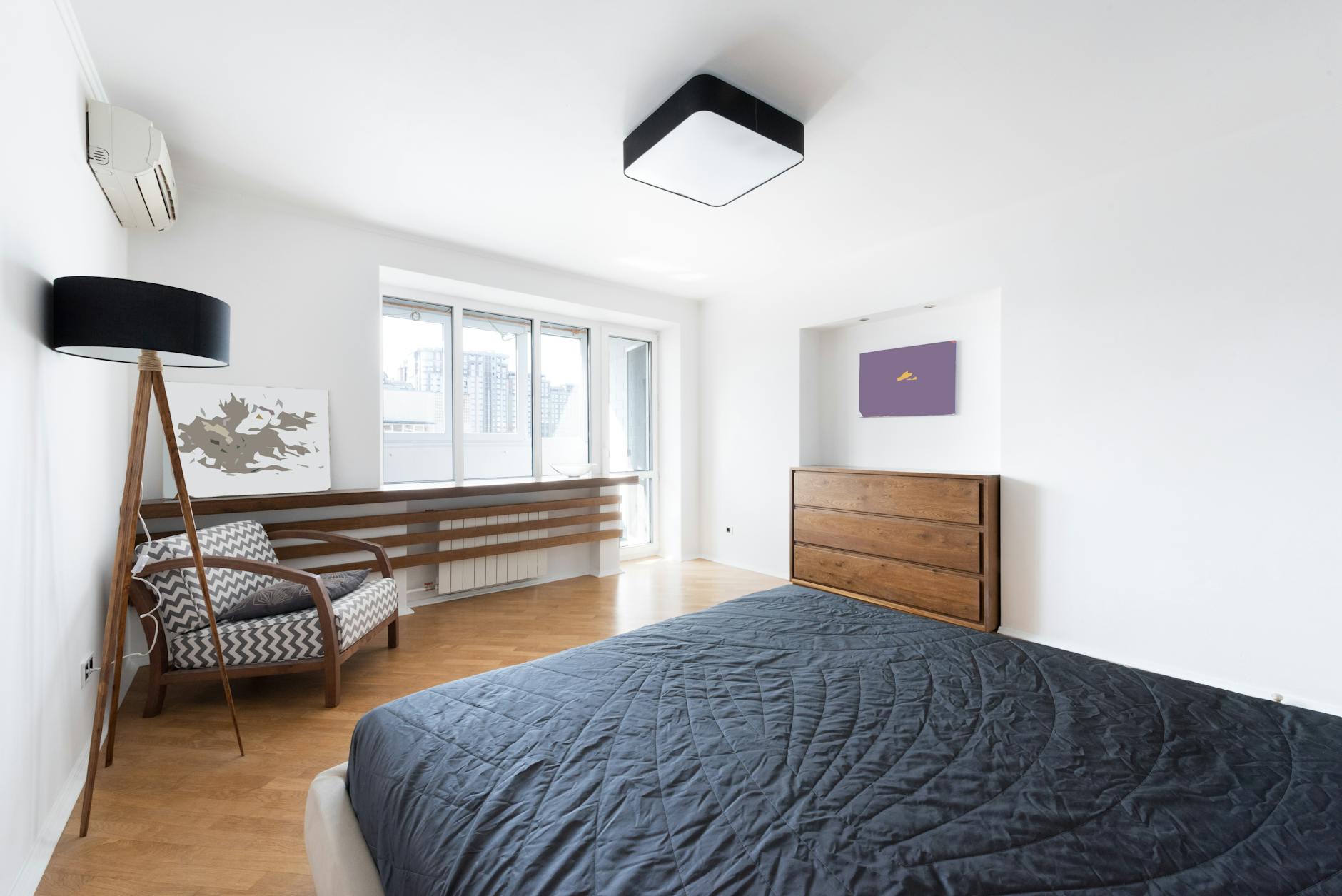
Before tackling stress reduction, it’s essential to understand its sources. Stress can be broadly categorized into two types: acute stress, which is short-term and often caused by immediate challenges, and chronic stress, which results from long-term pressure that can affect health and mood. Identifying personal stressors, whether they are work-related, family obligations, or social commitments, is the first step toward creating a tailored approach to reduce stress.
Consider maintaining a stress journal to document feelings, situations, and responses. This exercise can illuminate patterns that lead to stress, helping you become aware of triggers and develop effective coping mechanisms. Record not only the moments of heightened stress but also the circumstances when you felt calm or content. This record will serve as a valuable tool in recognizing what fosters a peaceful mindset.
Establishing Healthy Routines
Integrating healthy routines into daily life is a crucial component of stress reduction. A structured day promotes a sense of predictability and control, which can mitigate feelings of anxiety. Begin by establishing a consistent sleep schedule, aiming for 7–9 hours of quality sleep per night. Sleep is vital for cognitive function and emotional regulation, and even slight sleep deprivation can heighten stress levels.
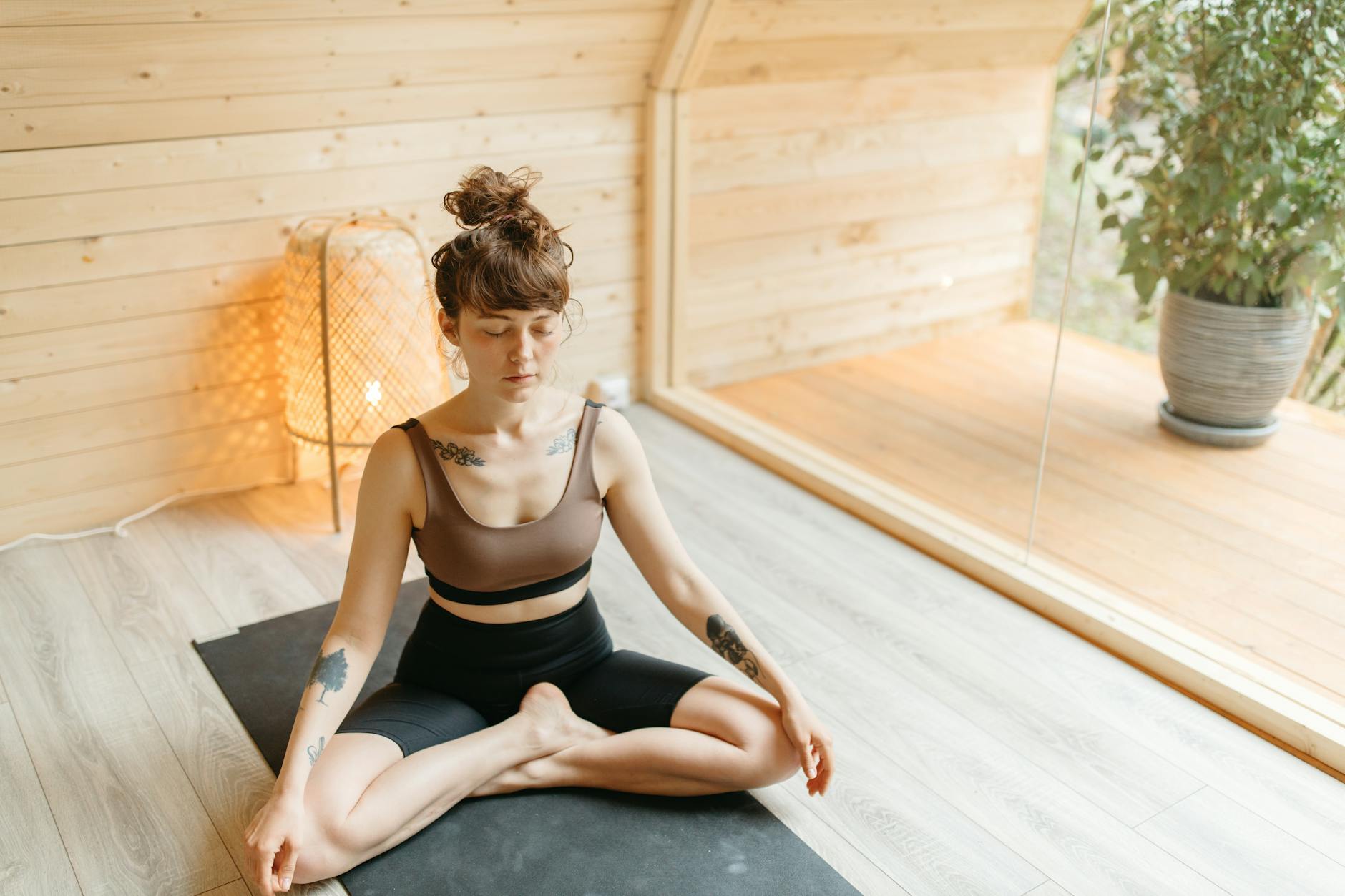
In addition to sleep, prioritize physical activity. Regular exercise has been shown to release endorphins—natural mood lifters that can help relieve stress. Find activities you enjoy, whether it’s dancing, hiking, or practicing yoga. Aim for at least 150 minutes of moderate aerobic activity each week, and consider incorporating mindfulness practices such as meditation or deep-breathing exercises. These practices can reduce stress hormones and cultivate a sense of calm in the midst of life’s chaos.
Creating a Peaceful Environment
The physical environment can profoundly affect mental well-being. A cluttered, chaotic space can lead to feelings of overwhelm; therefore, creating a serene and organized environment is vital. Start small by decluttering your living space. Invest time in organizing your home or work area, removing unnecessary items and creating designated spaces for essential belongings.
Incorporating elements that promote relaxation can also enhance your environment. Consider adding plants or natural elements, as studies show that greenery can improve mood and reduce stress levels. Sounds play a role too; soothing music or nature sounds can create a calming atmosphere, while excessive noise can increase stress. Create a sanctuary in your home, a designated area where you can unwind, read, or practice mindfulness free from distractions.
Building Supportive Relationships
Social support is a crucial factor in managing stress. Building and maintaining positive relationships provide an emotional buffer against stressors. Engage with friends, family, or colleagues who uplift and encourage you. Open communication about your feelings and struggles can foster deeper connections and alleviate feelings of isolation. Seek out social activities or groups that align with your interests to broaden your support system.
In addition to nurturing existing relationships, consider engaging in community service or volunteer work. Helping others not only fosters a sense of purpose but also enhances your connection to the community. This engagement can provide perspective, reminding you that everyone faces challenges, and often, helping others can bring joy and reduce your stress levels.
Prioritizing Self-Care and Mindfulness
As life becomes increasingly busy, self-care often gets pushed aside. It’s crucial to prioritize time for yourself to recharge and refresh your mind and body. Schedule regular breaks throughout your day to step away from work or responsibilities. Use this time to engage in activities that bring you joy—reading, gardening, or simply enjoying a cup of tea can all be forms of self-care.
Moreover, mindfulness practices can significantly reduce stress and improve overall well-being. Mindfulness involves being present in the moment, focusing on your thoughts and feelings without judgment. Techniques such as guided meditation, journaling, or mindful breathing exercises can help anchor you in the present, easing the mind’s tendency to ruminate on past events or future worries.
Incorporate mindfulness into everyday activities, such as eating or walking, by paying attention to sensory experiences. This practice can transform routine actions into moments of calm, fostering a greater appreciation for the present and reducing stress accumulation.
Embracing Healthy Coping Mechanisms
When faced with stress, many turn to unhealthy coping mechanisms, such as excessive drinking, smoking, or overeating. It’s essential to develop healthier alternatives that can effectively manage stress. Reach for nourishing foods, stay hydrated, and limit caffeine and sugar intake, which can exacerbate anxiety and contribute to mood swings.
Engaging in creative pursuits can also serve as a powerful outlet for stress relief. Consider exploring artistic activities, such as painting, writing, or playing a musical instrument. These activities not only channel emotions but also promote relaxation and provide a sense of accomplishment. Remember, finding what works for you is key—there’s no one-size-fits-all when it comes to managing stress.
In your daily life, practice gratitude. Reflecting on and acknowledging the positive aspects of your life can shift your focus away from stressors, fostering a more optimistic outlook. Maintain a gratitude journal, listing three things you are grateful for each day. This habit can cultivate a sense of contentment and significantly counteract stress.

In conclusion, creating a lifestyle that reduces stress involves a multifaceted approach. By understanding the sources of stress, establishing healthy routines, creating a peaceful environment, building supportive relationships, prioritizing self-care, and embracing healthy coping mechanisms, you can foster resilience and significantly improve your quality of life. Remember, the journey toward stress reduction is personal, and it’s essential to find what resonates with you. Small, consistent changes over time can lead to a more balanced and fulfilling life.
