Illuminating Your Space: The Art of Layered Lighting in Interior Design
In the world of interior design, lighting is often overlooked as a mere functional element, relegated to the background of the overall aesthetic. However, the truth is that lighting is a powerful tool that can transform a space, creating mood, enhancing architectural features, and even affecting our well-being. Understanding the concept of layered lighting is essential for anyone looking to elevate their interior design game. By combining ambient, task, and accent lighting, you can achieve a harmonious balance that not only beautifies your home but also makes it functional and welcoming.
Understanding the Three Layers of Lighting
To master the art of layered lighting, it is crucial to understand the three primary types: ambient, task, and accent. Each layer serves a unique purpose, and when combined effectively, they can create an inviting atmosphere that caters to various activities and moods.
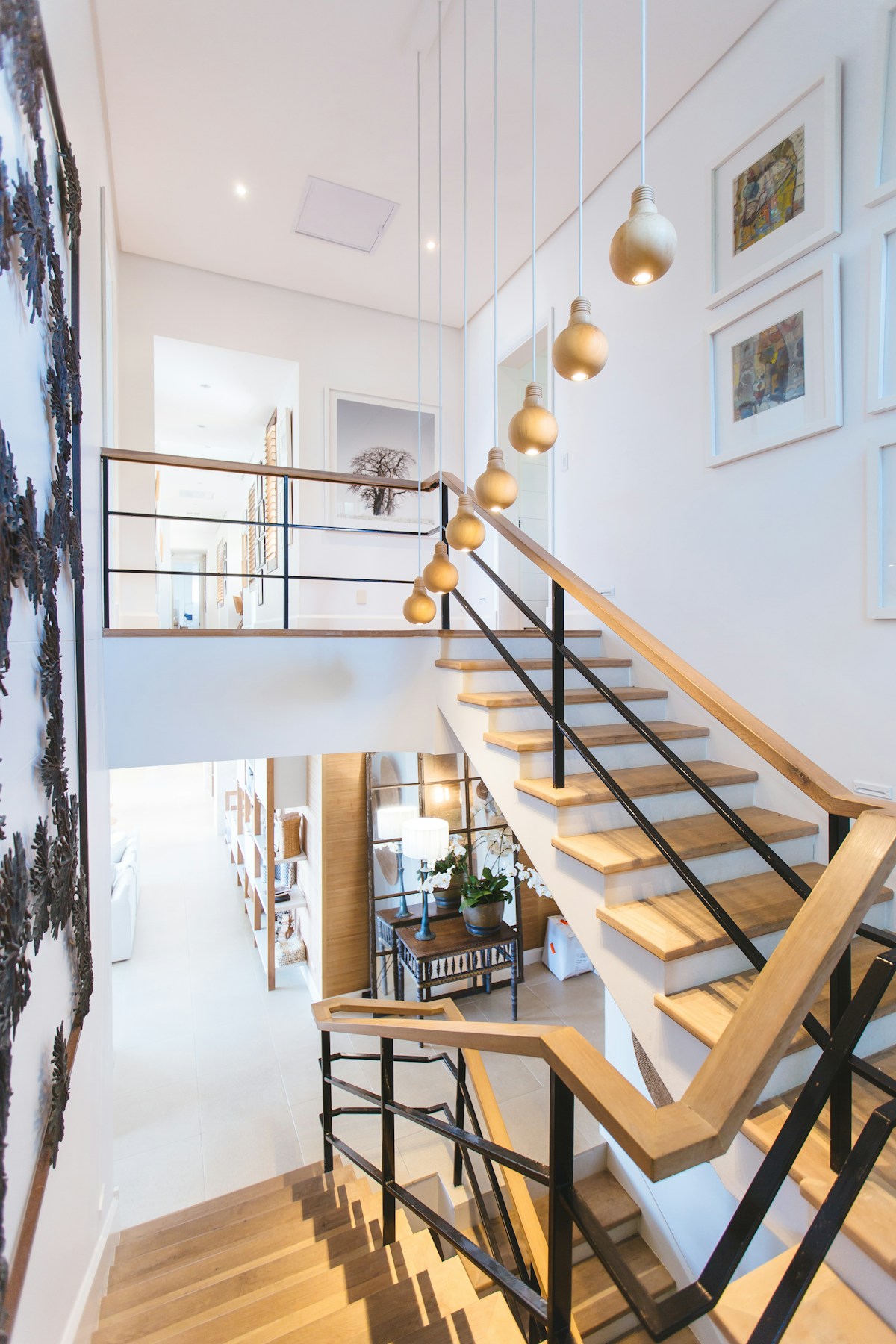
Ambient Lighting: This is the foundational layer that sets the overall illumination level in a room. It provides a comfortable level of brightness without causing glare. Ambient lighting can be achieved through ceiling fixtures, chandeliers, or even wall-mounted sconces. For example, a well-placed pendant light over a dining table can provide functional illumination while adding a decorative touch. When selecting ambient lighting, consider the size of the room and the height of the ceilings. A larger space may require more powerful fixtures or multiple light sources to ensure even distribution of light.
Task Lighting: This layer is designed for activities that require focused illumination, such as reading, cooking, or working. Task lighting should be bright enough to prevent eye strain but soft enough to maintain a cozy atmosphere. Examples include desk lamps, under-cabinet lighting in kitchens, and bedside lamps. When choosing task lighting, think about the specific functions that will take place in each area. Adjustable fixtures, such as swing-arm lamps or track lighting, allow you to direct light where it's needed most.
Accent Lighting: This layer is all about highlighting specific features or creating visual interest. Whether it's a piece of artwork, architectural details, or plants, accent lighting can add depth and drama to a room. Common fixtures for accent lighting include wall-mounted picture lights, spotlights, or even LED strip lights. The key to effective accent lighting is to use it sparingly; too much can detract from its impact. A well-placed spotlight on a beautiful piece of art can draw the eye and create a focal point, making the space more engaging.
Designing with Intention: Creating a Lighting Plan
Creating an effective lighting plan involves more than just choosing fixtures. It requires intentionality and an understanding of how different light sources will interact within the space. Here are some practical steps to help you design a comprehensive lighting plan:
-
Assess Your Space: Begin by evaluating the rooms you want to illuminate. Consider the size, layout, and purpose of each space. Take note of any architectural features, such as high ceilings or large windows, that can influence your lighting choices.
-
Define Zones: Think about how you use each area. Are there specific tasks that require adequate lighting, such as reading in the living room or cooking in the kitchen? Defining zones will help you determine where to place task lighting.
-
Choose Fixtures Wisely: Select fixtures that complement your design style and enhance the ambiance of the room. For a modern aesthetic, consider sleek pendant lights or minimalist sconces. If your style leans towards rustic, you might opt for wrought iron fixtures or vintage-inspired bulbs.
-
Layer Your Lighting: As you select fixtures, keep in mind the importance of layering. Aim to incorporate all three types of lighting—ambient, task, and accent—into each space. This will ensure a well-rounded illumination that serves various functions.
-
Control the Brightness: Incorporating dimmers into your lighting plan allows for flexibility and adaptability. Dimmers enable you to adjust the brightness according to the time of day or the mood you want to create. For instance, a bright, well-lit kitchen is perfect for cooking, while soft, dimmed lighting in the evening can create a cozy atmosphere for relaxation.
-
Experiment and Adjust: Once your lighting plan is in place, take the time to experiment with different configurations. Move lamps, adjust dimmers, and see how the light interacts with colors and textures in your space. Don’t be afraid to make changes until you achieve the desired ambiance.
The Impact of Color and Texture on Lighting
Lighting does not exist in a vacuum; it interacts with the colors and textures present in your interior design. The way light reflects off surfaces can dramatically change the appearance of a room. Understanding this interplay can help you make informed decisions about color palettes and materials.
Color: Light can affect how colors appear in a space. For example, warm light can make cool colors like blue or green appear softer and more inviting, while cool light can enhance the brightness and vibrancy of warm colors like red or yellow. When selecting light bulbs, consider the color temperature measured in Kelvins (K). A warm white bulb (around 2700K) is ideal for creating a cozy atmosphere, while a cool white bulb (around 4000K) is better suited for task lighting in workspaces.
Texture: Different textures can absorb or reflect light in varying ways. Matte surfaces tend to absorb light, creating a subdued ambiance, while glossy surfaces reflect light, adding brightness and energy to a room. For example, a glossy tile backsplash in a kitchen can enhance task lighting, while a matte-finished wall paint can create a more intimate setting. When designing a space, consider how these textures will interact with your lighting choices.
The Role of Natural Light
While artificial lighting plays a crucial role in interior design, natural light is equally essential. Daylight can significantly enhance the mood and functionality of a space. Here are some strategies to maximize natural light in your home:
-
Window Treatments: Choose light, airy window treatments that allow natural light to filter through while providing privacy. Sheer curtains or blinds can be ideal for this purpose. Avoid heavy drapes that can block sunlight and create a dark atmosphere.
-
Reflective Surfaces: Incorporate mirrors and reflective materials into your design to amplify natural light. A strategically placed mirror can bounce light around the room, making it feel brighter and more spacious.
-
Color Choices: Opt for lighter colors in your walls and furnishings to enhance the effect of natural light. Soft whites, pastels, and light neutrals can help reflect sunlight, creating an airy and open feel.
-
Open Layouts: Consider an open floor plan that allows light to flow freely between spaces. Removing unnecessary walls or barriers can create a more connected and illuminated environment.
By thoughtfully combining natural and artificial lighting, you can create a home that is both functional and aesthetically pleasing. The right lighting choices will not only enhance the beauty of your interiors but also improve your overall quality of life.
Conclusion: The Essence of Light in Interior Design
In the realm of interior design, lighting is an art form that requires careful consideration and planning. By understanding the three layers of lighting—ambient, task, and accent—you can create a balanced and inviting atmosphere that caters to your lifestyle. A well-designed lighting plan not only enhances the aesthetic appeal of your space but also transforms it into a functional haven.
As you embark on your lighting journey, remember that experimentation is key. Adjust your fixtures, play with colors and textures, and embrace the interplay between light and shadow. With thoughtful design, you can illuminate your home in a way that reflects your personality and enhances your daily experiences. For inspiration, consider browsing through resources like this Pinterest board and this one to see how others have beautifully integrated layered lighting into their interiors. Let your space shine bright with the perfect blend of light!