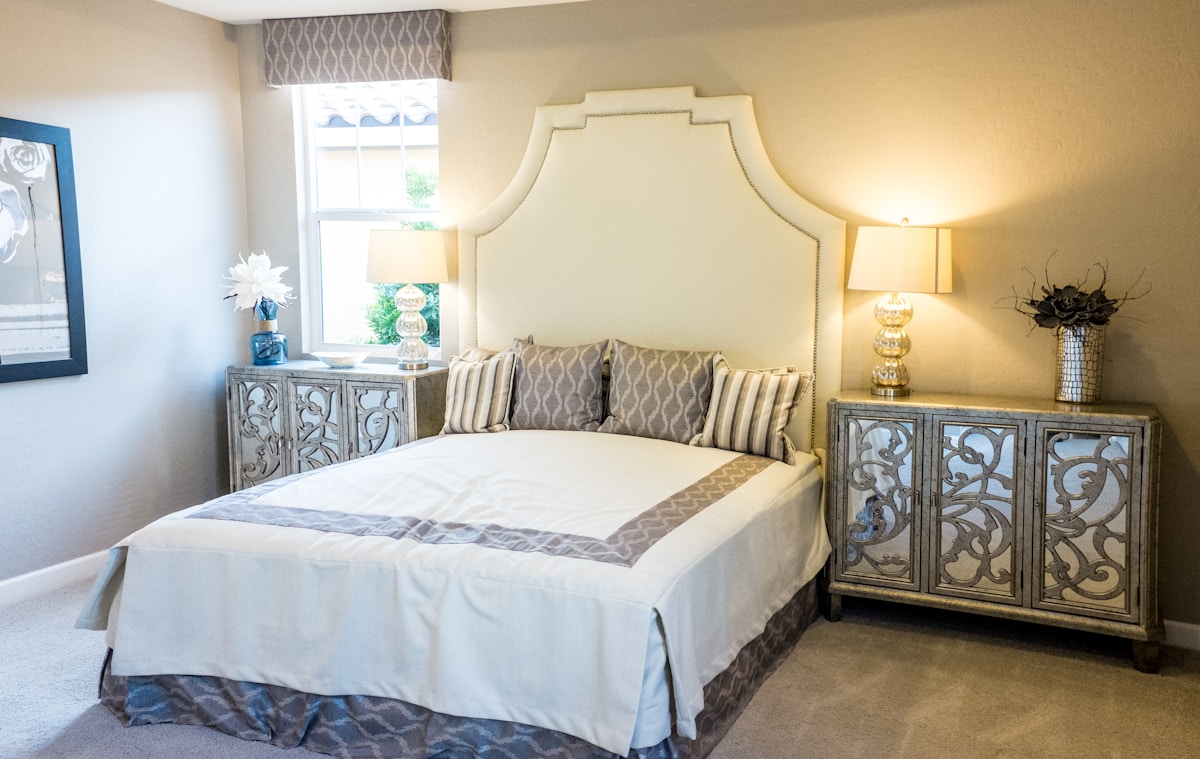
The Art of Layering: Elevating Your Interior Design with Textures and Colors
In the ever-evolving world of interior design, the importance of layering cannot be overstated. Layering is not just about piling on textiles or colors; it's an art that requires a keen eye for balance, harmony, and a deep understanding of the space being curated. When done correctly, this technique can transform a room from mundane to mesmerizing, creating a warm and inviting atmosphere that reflects personal style while maintaining functionality. In this article, we will explore the principles of layering textures and colors, providing practical tips and inspiring ideas to help you elevate your interior spaces.
Understanding the Fundamentals of Layering
Before diving into the specifics of layering textures and colors, it's crucial to grasp the basic principles behind this design technique. Layering is about creating depth and interest within a space. By combining various elements—such as fabrics, colors, patterns, and materials—you can evoke different moods and create a cohesive environment. Think of layering as building a visual narrative; every layer adds a new chapter, contributing to the overall story that your space tells.
A successful layering strategy often starts with a neutral base. Neutral colors provide a versatile backdrop that allows other design elements to shine. Once you have established a solid foundation, you can introduce an array of textures and colors. Consider the following components when layering in your interiors:
-
Textures: Incorporate a mix of materials such as wood, metal, glass, fabric, and stone to create a tactile experience. For example, a plush velvet sofa can be beautifully complemented by a sleek glass coffee table and rustic wooden accents.
-
Colors: Use a color palette that resonates with your desired mood. Softer, muted tones can create a tranquil environment, while bold, vibrant hues can energize a space. When layering colors, consider using varying shades of the same hue to create a monochromatic look or contrasting colors to make a statement.
-
Patterns: Patterns add visual interest and dynamism to a room. Mixing patterns can be challenging but rewarding; aim for a balance between bold prints and subtle designs to prevent the space from feeling chaotic.
Layering Textures: A Practical Approach
When it comes to layering textures, the key is to create a sense of balance and harmony. Here are some practical tips to help you layer textures effectively:
-
Start with a Focal Point: Identify the focal point of your room, such as a fireplace, a statement piece of furniture, or a stunning piece of artwork. Build your layering strategy around this focal point to create a cohesive look.
-
Vary the Textures: Combine different textures to add depth to your space. For instance, pair a soft area rug with a leather sofa and a chunky knit throw. This contrast not only enhances the visual appeal but also invites touch and comfort.
-
Use Textured Accessories: Incorporate accessories that bring texture to the forefront. Think decorative pillows, throws, and even wall hangings. For instance, a mix of woven, embroidered, and patterned cushions on a sofa can create a rich and inviting seating area.
-
Play with Scale: Consider the scale of your textures. Large, oversized elements can anchor a room, while smaller, intricate details can add interest. For example, a large woven basket can serve as a stylish storage solution, while a collection of smaller decorative items can be artfully displayed on shelves or tables.
The Power of Color Layering
Color is one of the most powerful tools in interior design. It can dramatically affect mood, perception of space, and even the functionality of a room. Layering colors effectively requires a thoughtful approach. Here are some strategies to help you master color layering:
-
Choose a Cohesive Color Palette: Start by selecting a color palette that resonates with your personal style and the atmosphere you wish to create. A cohesive palette makes it easier to layer colors without overwhelming the space. For inspiration, consider creating a mood board or exploring platforms like Pinterest, where you can find ideas such as this colorful room design.
-
Use Neutrals as a Base: Neutral colors serve as an excellent foundation for layering. They create a calming backdrop that allows bolder colors to stand out. For example, a light gray or beige wall can beautifully highlight jewel-toned furniture or vibrant artwork.
-
Incorporate Accent Colors: Once you have established your base, introduce accent colors through accessories, textiles, and artwork. These pops of color can energize the space and draw attention to specific areas. For a striking effect, consider using unexpected colors that contrast with your base palette.
-
Experiment with Ombre Effects: Ombre is a popular technique that involves blending colors from light to dark. This gradual transition can be applied to walls, textiles, or decorative accents, adding depth and intrigue to your design.
Balancing Warm and Cool Tones
When layering colors, understanding the balance between warm and cool tones is essential. Warm colors (reds, oranges, yellows) evoke feelings of warmth and energy, while cool colors (blues, greens, purples) create a sense of calm and tranquility. Striking the right balance between these tones can enhance the overall ambiance of your space.
-
Create Zones with Color: Use warm colors in areas where you want to encourage social interaction and energy, such as living rooms or dining areas. In contrast, cool colors can be used in spaces designed for relaxation, like bedrooms or reading nooks.
-
Layer Colors Gradually: Instead of overwhelming a space with too many colors at once, layer them gradually. Start with a neutral base, then introduce warm tones followed by cool accents. This approach creates a natural flow and balance.
Bringing It All Together
Ultimately, the art of layering is about creating a space that feels cohesive, inviting, and true to your personal style. By understanding the principles of layering textures and colors, you can transform any room into a beautiful sanctuary that reflects your unique aesthetic.
Remember to take your time when layering; it’s a process that evolves as you discover new elements that resonate with you. Don’t be afraid to experiment with different combinations of textures and colors until you find the perfect balance. For additional inspiration, explore curated designs on platforms like Pinterest, such as this layered interior.
In conclusion, layering is a powerful design tool that can elevate your interiors to new heights. By thoughtfully combining textures, colors, and patterns, you can create a harmonious environment that is both functional and aesthetically pleasing. Embrace the art of layering, and watch as your spaces come to life in ways you never thought possible.