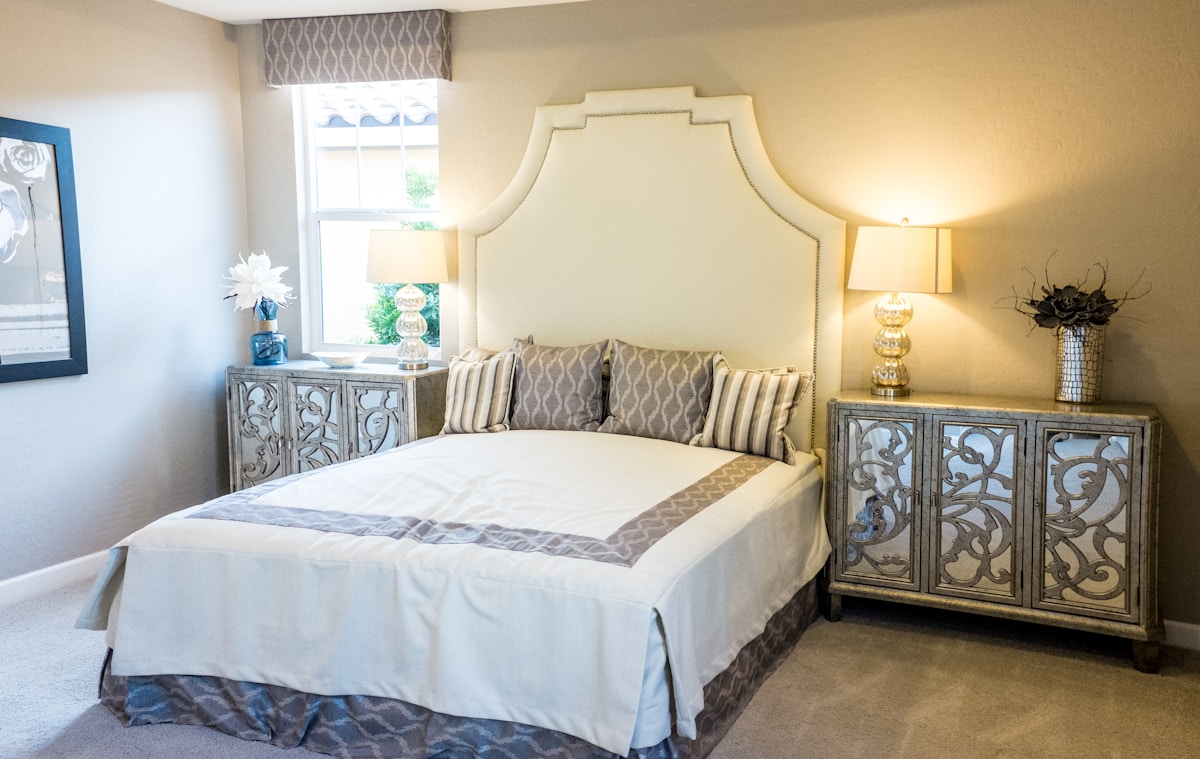
Transforming Spaces: The Art of Layered Textures in Interior Design
In the realm of interior design, creating a space that feels both cohesive and inviting is essential. One of the most effective techniques to achieve this is through the use of layered textures. By combining different materials, fabrics, and finishes, designers can add depth and character to any room. This article delves into the significance of layering textures, offering insight into how you can use this approach to elevate your interiors. From the choice of materials to the arrangement of elements, we will explore practical tips and inspiration to help you create a harmonious atmosphere.
The Importance of Texture in Design
Texture plays a pivotal role in interior design. It can influence how a space feels, both physically and emotionally. A well-thought-out combination of textures can evoke warmth, comfort, and sophistication. Conversely, a lack of texture can lead to a sterile and uninviting environment. When designing a room, think of texture as an integral component that contributes to the overall aesthetic.
Different textures can serve various purposes: soft fabrics like velvet and cotton create a sense of comfort, while hard surfaces like wood, metal, and glass can add a modern edge. Layering these textures not only adds visual interest but also creates a tactile experience that invites interaction. For instance, consider a living room with a plush velvet sofa paired with a sleek glass coffee table and a woolen throw blanket. The contrast of materials brings the space to life, making it more engaging.
Choosing the Right Textures
Selecting the right textures is crucial in achieving a balanced look. Here are some key factors to consider when choosing textures for your space:
-
Contrast: Mixing different textures can create a dynamic balance. Pairing hard surfaces with soft fabrics can help to create visual tension that adds excitement to the design. For example, a leather armchair can be softened by a chunky knit throw.
-
Color Palette: Textures can enhance or detract from your chosen color scheme. Neutral tones often benefit from texture, as they add depth without overwhelming the space. On the other hand, bold colors can be toned down with softer textures to create a more balanced look.
-
Functionality: Consider the purpose of the room when selecting textures. High-traffic areas like living rooms and hallways might benefit from durable materials, while bedrooms can incorporate softer, more luxurious fabrics.
-
Scale and Proportion: The size of the textures should complement the scale of the room. Large, bold textures can make a statement in spacious rooms, while smaller, intricate textures can add detail to more intimate spaces.
-
Seasonality: Textures can also reflect seasonal changes. Light linens and airy fabrics are perfect for summer, while heavier materials like wool and faux fur can create warmth in the winter months.
By thoughtfully considering these factors, you can curate a selection of textures that not only enhance the aesthetic of your space but also reflect your personal style.
Layering Techniques to Enhance Your Space
Now that you understand the importance of texture and how to choose the right materials, let’s explore some practical techniques to layer textures effectively in your space.
1. Start with a Base Layer
Begin by establishing a base layer in your space, which typically includes larger furniture pieces and foundational elements such as rugs and wall colors. For instance, a neutral area rug can serve as a perfect backdrop for additional layers. If your walls are painted in a soft hue, they can allow other textures to shine without competing for attention.
2. Add Soft Furnishings
Once you have your base layer, incorporate soft furnishings to introduce warmth and comfort. This may include cushions, throws, and upholstered pieces. Experiment with varying fabric types—mixing cotton, linen, and velvet can create an inviting atmosphere. Don’t shy away from patterns; a floral print pillow can complement a striped cushion, adding complexity to the arrangement.
3. Introduce Decorative Accessories
Accessories play a significant role in layering textures. Consider using ceramics, metal accents, or glass objects to add dimension to your space. A ceramic vase filled with dried flowers can sit atop a wooden side table, juxtaposing the hard surface with organic softness.
4. Use Wall Treatments
Wall treatments can also contribute to textured layering. Consider wallpaper with a tactile finish, or wood paneling for a rustic touch. You can even create an accent wall with a different texture, such as exposed brick or reclaimed wood, to draw the eye and provide a focal point.
5. Play with Lighting
Lighting is a crucial aspect of texture layering. Different light sources can highlight textures in unique ways. For example, soft ambient lighting can enhance the feel of plush fabrics, while directional lighting can cast shadows that reveal the intricacies of textured surfaces. Consider layering your lighting with table lamps, floor lamps, and wall sconces to create different moods throughout the day.
Inspiration and Resources
As you embark on your journey to layer textures in your home, seeking inspiration can be immensely helpful. Platforms like Pinterest offer a wealth of ideas to explore different combinations and styles. For instance, check out this collection of layered textures on Pinterest here to see how others have successfully incorporated various materials into their designs. Additionally, consider browsing through curated boards focusing on specific styles, such as bohemian, modern, or rustic, to find ideas that resonate with your vision.
It’s also beneficial to visit local showrooms or design stores to see and feel materials in person. Touching fabrics or exploring different finishes can spark new ideas that you might not have considered otherwise. Keep a journal to jot down your thoughts and inspirations, and don’t hesitate to take photos of arrangements that catch your eye.
Final Thoughts
Layering textures is a powerful tool in the interior designer’s arsenal, allowing for the creation of spaces that are not only visually appealing but also rich in sensory experience. By thoughtfully selecting and combining different materials, you can craft a unique atmosphere that reflects your style and meets your needs. Remember to consider contrast, color, functionality, scale, and seasonality when choosing textures, and embrace various layering techniques to enhance your space.
Ultimately, the goal is to create an environment that feels cohesive yet layered—a space where each element contributes to the narrative of your home. With careful consideration and a touch of creativity, you can transform any room into a textured haven that invites comfort and inspires joy. For more ideas on layering textures, consider exploring this curated board on Pinterest here for additional inspiration.