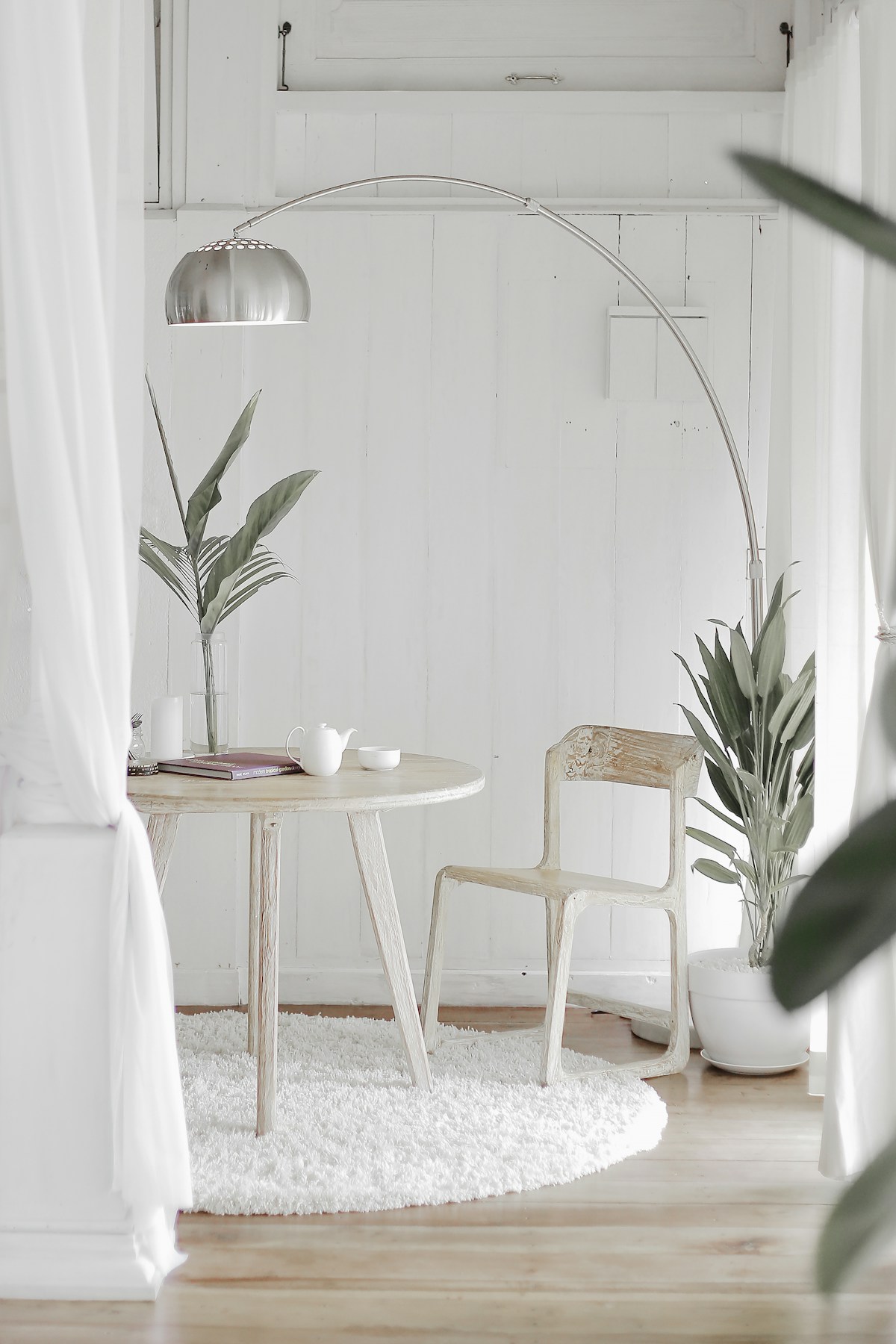
Transforming Your Space: The Art of Layered Lighting in Interior Design
In the realm of interior design, the significance of lighting cannot be overstated. It goes beyond mere functionality, serving as a crucial element that can dramatically alter the mood and atmosphere of a space. Layered lighting—an approach that integrates different types of lighting to achieve a balanced and dynamic environment—has become a focal point in modern interiors. This article explores the principles of layered lighting, its various components, and practical tips for implementation, ensuring that your spaces are not only illuminated but also infused with character and warmth.
The Fundamentals of Layered Lighting
Layered lighting is about creating a cohesive lighting plan that combines three primary types of lighting: ambient, task, and accent. Each of these types plays a vital role in achieving a well-rounded illumination scheme.
-
Ambient Lighting: This is the foundational layer that provides overall illumination to a room. It can come from overhead fixtures, such as ceiling-mounted lights or chandeliers, and is essential for visibility and navigation in the space. Natural light also contributes to ambient lighting, so consider how windows and doors can enhance the overall light quality.
-
Task Lighting: As the name suggests, task lighting is designed to illuminate specific areas where activities take place. This includes reading lamps, under-cabinet lighting in kitchens, or desk lamps in home offices. Task lighting should be bright enough to support focused activities without causing glare or strain.
-
Accent Lighting: This type of lighting adds drama and interest to a space by highlighting architectural features, artwork, or decor. Spotlights, wall sconces, and picture lights are common examples of accent lighting. It’s an essential tool for creating focal points and enhancing the aesthetic appeal of your interior.
By thoughtfully combining these three types of lighting, you can create a balanced and inviting atmosphere that caters to both functionality and style.
Practical Tips for Implementing Layered Lighting
To successfully implement layered lighting in your interiors, consider the following practical tips that cater to various aspects of your home.
-
Assess Your Space: Before making any changes, take a moment to evaluate your space. Identify the areas that require more light and those that might benefit from a softer ambiance. Take note of the activities that occur in each space—do you read in the living room, cook in the kitchen, or work from home? Understanding your needs will guide your lighting choices.
-
Choose the Right Fixtures: Selecting the appropriate fixtures for each layer of lighting is crucial. For ambient lighting, consider ceiling-mounted fixtures that complement your decor style. For task lighting, look for adjustable lamps that can direct light where it’s needed most. Accent lighting can be achieved through decorative fixtures that enhance the room’s aesthetic, such as decorative sconces or stylish pendant lights.
-
Incorporate Dimmers: One of the most versatile tools in lighting design is the dimmer switch. Dimmers allow you to adjust the brightness of your lights, making it easy to create the perfect atmosphere for different occasions—from bright and lively gatherings to intimate, cozy evenings. This flexibility is especially beneficial in multi-functional spaces.
-
Layer Lighting Heights: Varying the height of your light sources can create a more dynamic and interesting environment. Consider using floor lamps, table lamps, and pendant lights at different heights to add depth. Combining these different levels of lighting can also draw the eye upward, making your space feel larger and more inviting.
-
Utilize Natural Light: Don’t forget the power of natural light. Maximize daylight by using sheer curtains, strategically placing mirrors to reflect light, and positioning furniture to allow light to flow freely. Natural light not only enhances the beauty of your space but also provides a healthy and vibrant atmosphere.
-
Create Zones: In larger spaces, consider creating lighting zones that cater to different activities. For instance, in an open-concept living area, you might use ambient lighting for the whole area, task lighting for the kitchen, and accent lighting to highlight artwork in the living room. This zoning approach helps define areas while maintaining an overall cohesive design.
Color Temperature: The Unsung Hero of Lighting
Another critical aspect to consider in layered lighting design is color temperature. Measured in Kelvin (K), color temperature can significantly impact the mood of your space. Lower Kelvin values (2700K-3000K) yield a warm, cozy glow, ideal for living rooms and bedrooms, while higher values (4000K-5000K) produce a cooler, more clinical light suitable for kitchens and workspaces.
When selecting bulbs, consider mixing different color temperatures to enhance the layered lighting effect. For example, use warm white bulbs in your ambient fixtures, cool white for task lighting, and adjustable color temperatures for accent lights to create versatility and character throughout your home.
Embracing Smart Lighting Technology
As technology continues to evolve, smart lighting solutions have become increasingly accessible and popular in interior design. Smart bulbs and lighting systems allow you to control your lights remotely, adjust brightness, and even change color temperatures with a simple tap on your smartphone or command to your voice assistant.
Integrating smart lighting into your layered design can enhance its functionality and convenience. For instance, you can set schedules for lights to turn on and off, simulate occupancy when you’re away, or create personalized lighting scenes for different activities, such as movie nights or dinner parties. This modern approach not only enhances your lifestyle but also adds a futuristic touch to your home.
Final Thoughts: The Transformative Power of Layered Lighting
Incorporating layered lighting into your home is more than just a design choice; it’s a transformative process that enhances the functionality and aesthetic of your space. By understanding the different types of lighting, making thoughtful choices about fixtures, and considering the impact of color temperature and technology, you can create a well-lit environment that reflects your personal style and meets your practical needs.
As you embark on your lighting journey, remember that the key lies in balance and versatility. A well-executed layered lighting plan not only illuminates but also elevates your interior design, making your home a comfortable, inviting, and beautiful sanctuary. Whether you’re redesigning an existing space or starting from scratch, the principles of layered lighting will serve you well, guiding you towards a harmonious and stylish home. For inspiration on layered lighting ideas, explore these designs on Pinterest: Layered Lighting Ideas 1 and Layered Lighting Ideas 2.