
In an era where consumerism and cultural identity intertwine, luxury brand events have transcended mere marketing tools to become significant cultural phenomena. These events are not just about showcasing products; they encapsulate lifestyle aspirations, creativity, and social dialogues. From exclusive fashion shows and art collaborations to immersive brand experiences, luxury brands are now at the forefront of cultural conversations that shape societal trends.
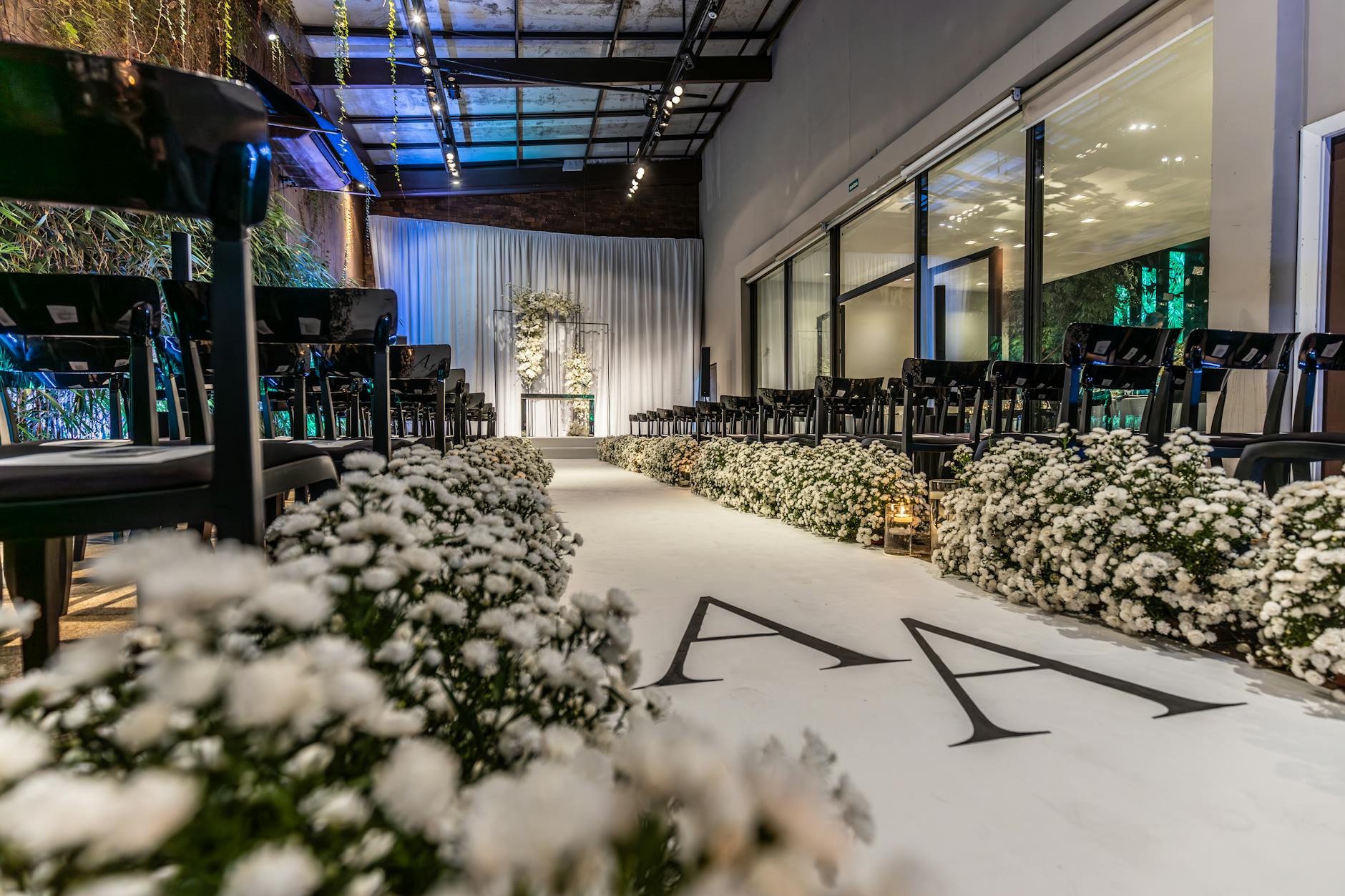
Fashion Shows: More Than Just Runway Appearances
Fashion shows have long served as the battleground for luxury brands like Gucci, Chanel, and Louis Vuitton, but today’s events are evolving into platforms for social commentary and artistic expression. Take, for instance, the recent Gucci Fall/Winter 2022 show, held at the historic ‘Palazzo della Civiltà Italiana’ in Rome. The show’s narrative revolved around the themes of self-identity and societal norms, seamlessly blending fashion with cultural critique.
Such events are crucial for setting trends that influence not only the fashion industry but also broader cultural paradigms. The grandeur of these shows, paired with intricate storytelling, captivates audiences while provoking discussions on inclusivity, sustainability, and identity—a reflection of the societal shifts we are witnessing today.
Moreover, luxury brands recognize the potential of digital engagement. Initiatives like live streaming and interactive experiences have extended their reach, making it possible for audiences worldwide to participate in these events. This democratization of luxury fashion has transformed how trends are perceived and embraced, creating a global tapestry of cultural influences.
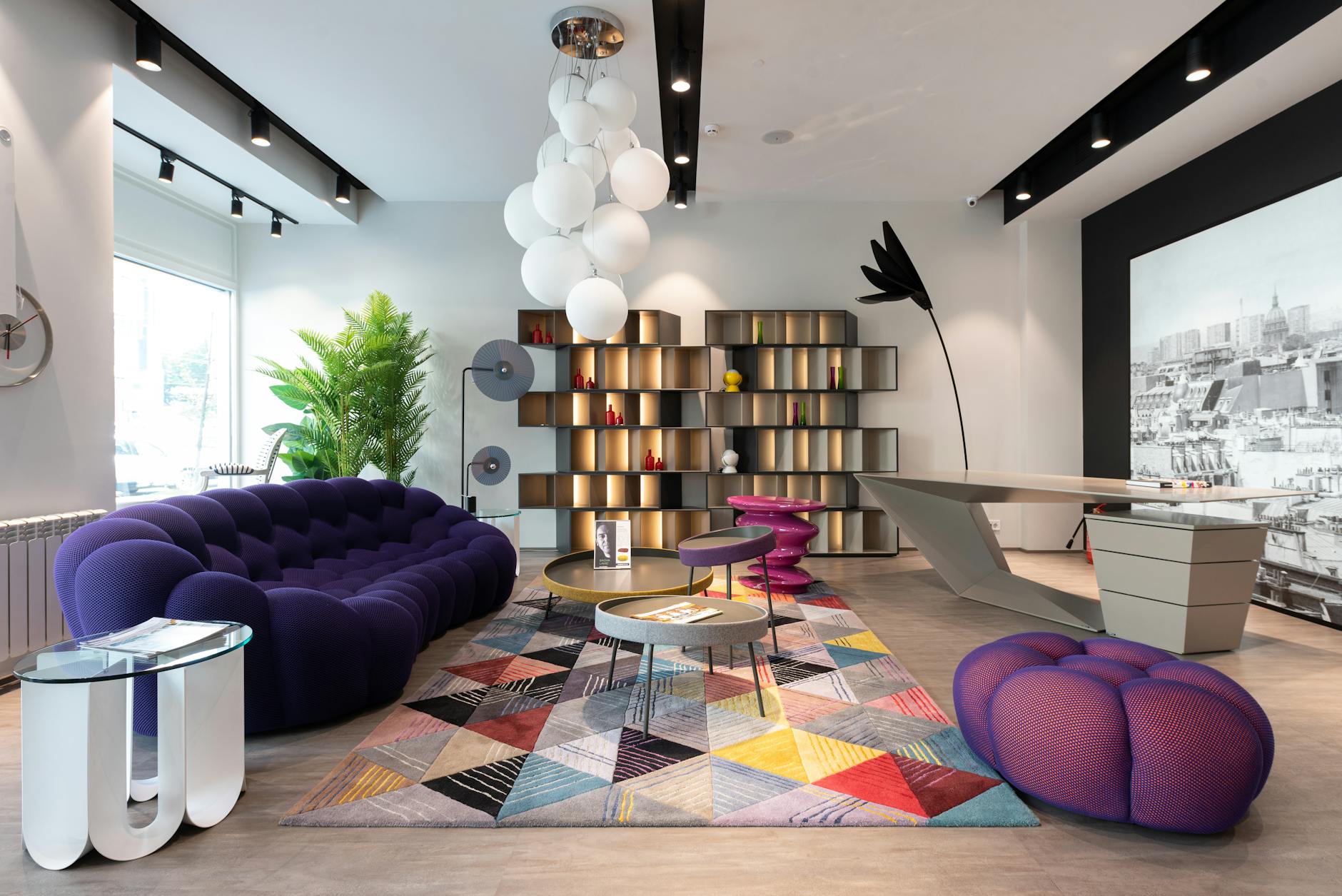
Art Collaborations: Bridging Creativity and Commerce
Another significant aspect of luxury branding today is the collaboration with contemporary artists. These partnerships have redefined the traditional boundaries of art and commerce, fostering innovative creations that resonate with both collectors and consumers. Brands like Louis Vuitton have successfully collaborated with artists like Takashi Murakami and Jeff Koons, creating limited-edition products that serve as art pieces and status symbols simultaneously.
Such collaborations instill a sense of exclusivity and desirability, as consumers are not just purchasing a product; they are acquiring a piece of art that often comes with a narrative. For example, the Louis Vuitton x Yayoi Kusama collection combines Kusama’s iconic polka dot patterns with the brand’s classic designs, blending high fashion with contemporary art seamlessly.
This strategy not only elevates the brand’s cultural cachet but also invites a younger demographic who resonate with the artistic community. The integration of art into luxury branding fosters a dialogue around creativity and self-expression, allowing brands to become cultural leaders in an increasingly competitive landscape.
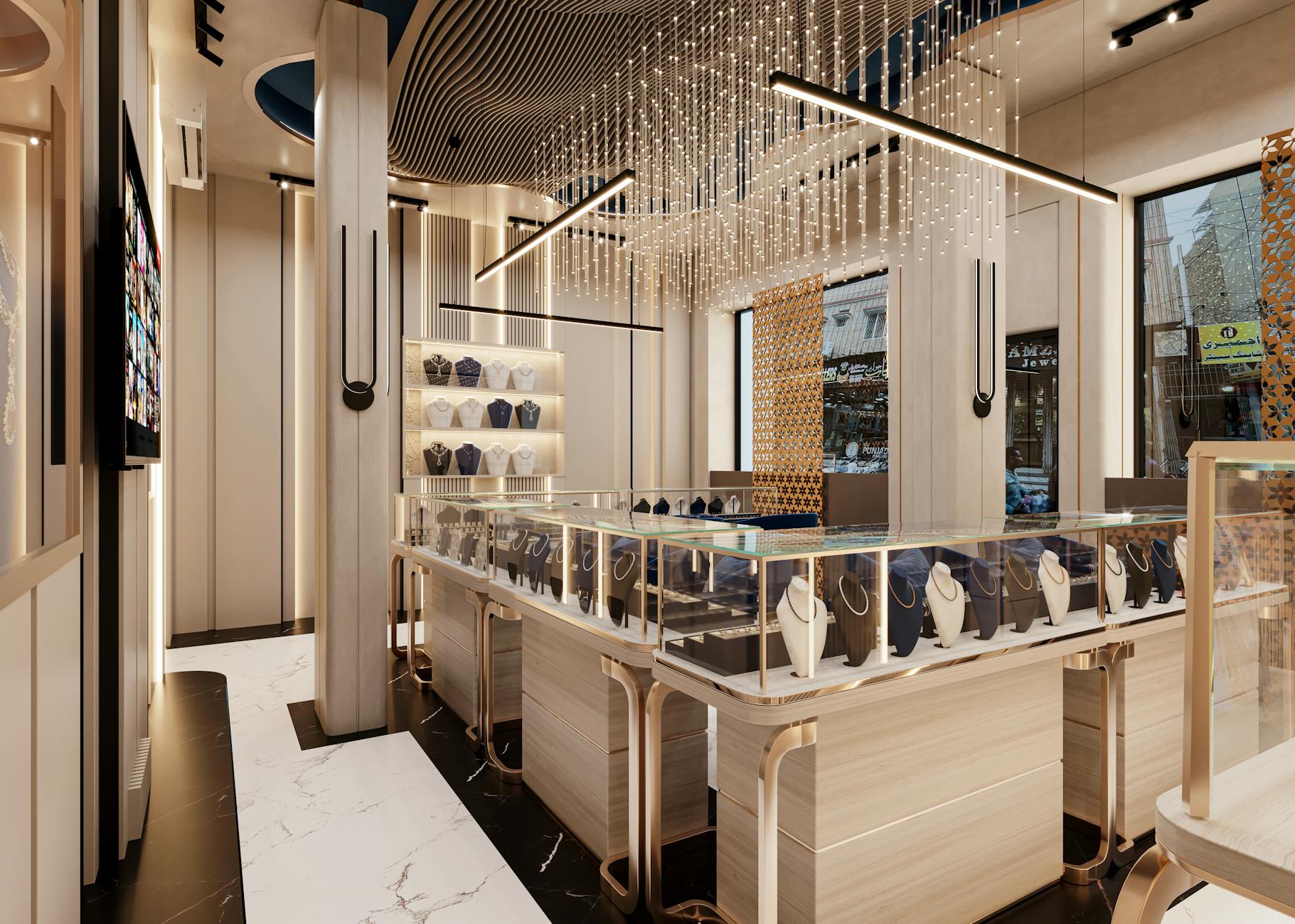
Immersive Experiences: The New Frontier of Consumer Engagement
As consumers seek deeper connections with brands, immersive experiences have emerged as a vital tool for luxury companies to forge emotional ties with their audience. Brands like Dior and Chanel have embraced experiential marketing through pop-up events and interactive installations that invite consumers to engage with the brand narrative.
One notable example is Dior’s ‘Dior Maison’ pop-up, which showcased the intersection of luxury fashion and home decor. The event allowed visitors to step into a world of elegance and artistry, experiencing the brand’s lifestyle offerings in a tangible, multi-sensory manner. This not only heightens brand loyalty but also promotes a lifestyle that consumers aspire to.
These immersive experiences extend beyond traditional demographics, attracting diverse audiences who may not have previously engaged with these luxury brands. By creating environments where customers can interact with products in meaningful ways, luxury brands are crafting narratives that resonate across generations and cultures.
The Role of Technology in Defining Luxury Culture
In an age where technology permeates every aspect of life, luxury brands are leveraging digital innovations to redefine culture. From augmented reality (AR) to artificial intelligence (AI), these tools enhance brand storytelling and consumer engagement. For instance, Balenciaga made waves with its “The Lost Tape” video campaign, which utilized AI-generated characters to explore themes of existentialism in fashion.
This integration of technology represents a fusion of art, culture, and commerce, allowing brands to craft narratives that resonate with today’s tech-savvy consumers. The capability to create unique, personalized shopping experiences has become essential for maintaining relevance in a saturated market. Brands that embrace technology not only reinforce their cultural position but also set benchmarks for what luxury experiences can be.
Additionally, the rise of social media has transformed how luxury brands communicate with consumers. Platforms like Instagram and TikTok have given rise to a new form of influencer marketing, enabling brands to reach audiences in more organic, relatable ways. The visual nature of these platforms complements the aesthetic sensibilities of luxury brands, allowing them to engage in cultural dialogues and reach consumers where they are most active.
Conclusion: Defining Culture Through Luxury
Luxury brand events are no longer isolated showcases; they are dynamic platforms that reflect and shape contemporary culture. Through fashion shows, art collaborations, immersive experiences, and technological integration, luxury brands are redefining consumer engagement and cultural narratives. As these events continue to evolve, they will undoubtedly play a pivotal role in influencing artistic expressions, societal values, and ultimately, cultural identity itself.
