
As the effects of climate change, urbanization, and human activity continue to reshape our planet, many breathtaking and culturally significant places are at risk of disappearing. Whether due to rising sea levels, natural disasters, or the pressures of modern life, these destinations may soon become inaccessible. For those with a passion for travel and a desire to experience the wonders of the world, now is the time to visit these remarkable sites before they vanish forever.
1. The Maldives: The Sinking Paradise
The Maldives is an archipelago of over 1,000 coral islands in the Indian Ocean, known for its stunning white-sand beaches, crystalline waters, and vibrant marine life. A paradise for luxury travelers and scuba diving enthusiasts alike, the Maldives faces an imminent future due to climate change. With an average elevation of just 1.5 meters above sea level, it is one of the countries most vulnerable to rising ocean levels.
Scientists predict that if current trends continue, much of the Maldives could be submerged by 2100. This alarming fate has prompted the Maldivian government to seek innovative solutions, such as building floating islands and investing in sea defenses. However, the clock is ticking, making now the perfect time to experience this breathtaking destination and its unique culture.

Visitors can enjoy various activities in the Maldives, such as snorkeling with manta rays, exploring the vibrant coral reefs, and indulging in luxurious spa treatments. Each resort offers a unique glimpse into Maldivian culture, which emphasizes sustainability and environmental awareness. By visiting, travelers not only indulge in paradise but also raise awareness about climate change’s effects on vulnerable nations.
2. Venice: The City on Water
Venice, the iconic Italian city known for its winding canals, historic architecture, and artistic heritage, is slowly sinking. The combination of rising sea levels and land subsidence has put this UNESCO World Heritage site at significant risk. It is estimated that parts of Venice could be underwater by 2100, creating an urgent need to explore the city’s rich history and beautiful scenery before it is too late.
The local government has implemented measures to combat flooding, such as the MOSE project, which aims to create a series of barriers to protect the city from high tides. However, the impact of climate change cannot be ignored. Travelers can visit landmarks such as St. Mark’s Basilica, the Rialto Bridge, and the Doge’s Palace while they still can. A gondola ride through the canals offers a unique perspective of this historically rich city.
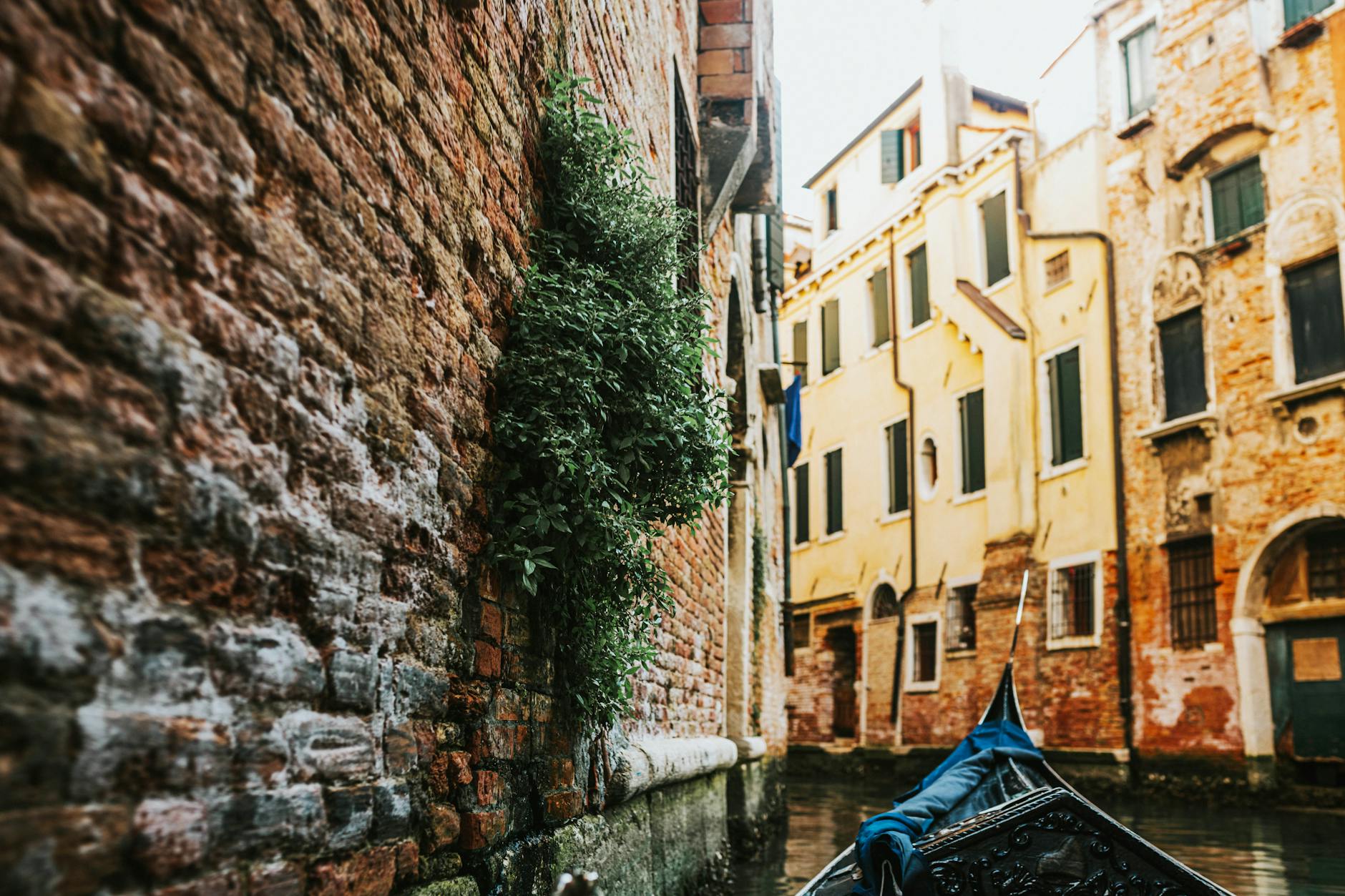
While in Venice, don’t miss the lesser-known neighborhoods like Burano, with its colorful houses, and Murano, famous for its glassmaking. Engage with local artisans who keep traditions alive, and savor the culinary delights of Venetian cuisine. Experiencing so many aspects of Venice before the tide of change sweeps over it offers not only a memorable trip but also a poignant reflection on preserving cultural heritage.
3. Machu Picchu: The Lost City of the Incas
Hidden high in the Andes Mountains of Peru, Machu Picchu is one of the most iconic archaeological sites in the world. This ancient Incan citadel, often shrouded in mist, is celebrated for its stunning architecture and breathtaking mountain scenery. However, rising tourism numbers, erosion, and climate change are threatening this historical wonder.
The Peruvian government has recognized the need for conservation efforts and has limited the number of daily visitors to help preserve Machu Picchu. As travelers flock to this UNESCO World Heritage site, the challenge lies in balancing tourism with preservation. For those eager to experience the mystique of the Lost City of the Incas, visiting soon ensures a glimpse of this ancient marvel, rich in history and cultural significance.
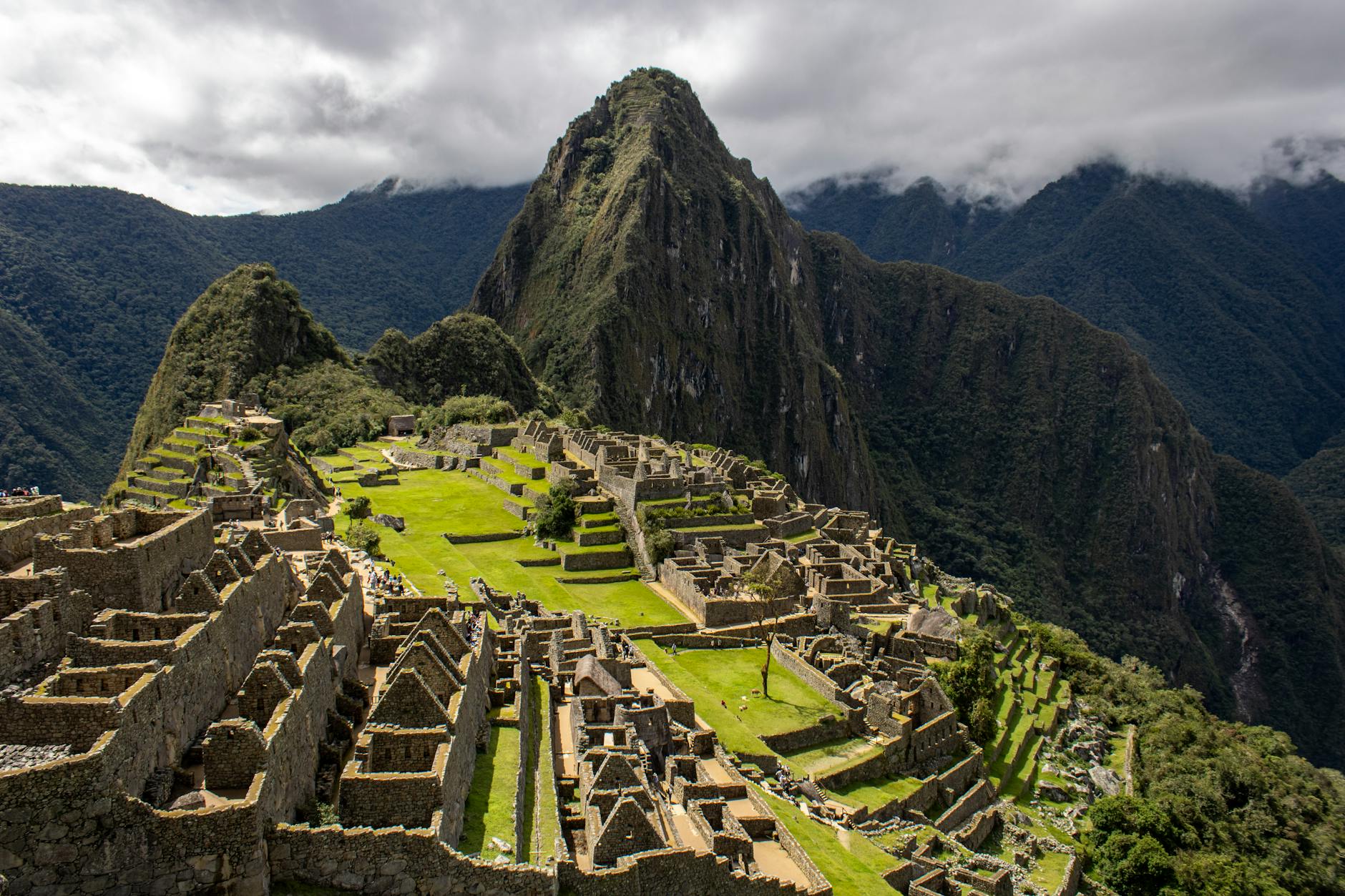
A trek along the Inca Trail is a rewarding experience, allowing visitors to witness breathtaking landscapes and ancient ruins along the way. Engaging with local guides can provide invaluable insights into the Incan civilization and its architectural brilliance. However, as preservation efforts continue, the window to experience Machu Picchu in its original state may soon close.
4. The Great Barrier Reef: A World of Color at Risk
The Great Barrier Reef, located off the coast of Queensland, Australia, is the largest coral reef system on the planet, teeming with marine life and an array of vibrant colors. However, the reef faces severe threats from climate change, coral bleaching, and ocean acidification. As temperatures rise, the coral’s ability to survive diminishes, putting this UNESCO World Heritage site in jeopardy.
Efforts to protect and preserve the reef are underway, but the urgency for visitors to experience this natural wonder is more pressing than ever. Snorkeling and diving opportunities abound, with adventures that allow travelers to encounter various marine species, including turtles, tropical fish, and even whales. Booking an eco-tour can further support conservation efforts by contributing to the local economy and raising awareness about the importance of reef preservation.
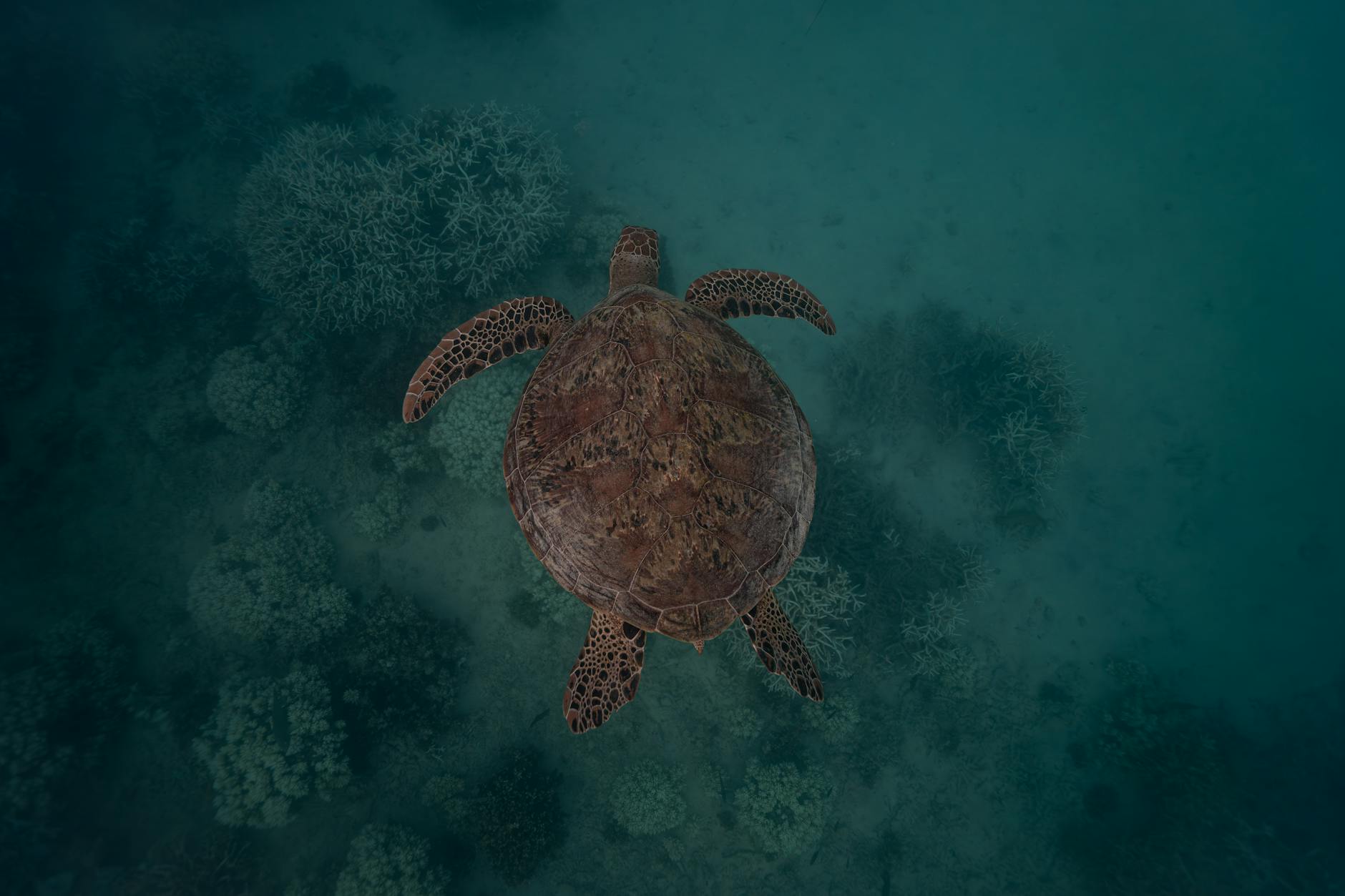
As visitors explore the Great Barrier Reef, they will witness not just its beauty but also the challenges it faces. Engaging with marine biologists and conservationists offers invaluable insights into the reef’s fragile ecosystem and the essential steps being taken to protect it. Visiting the Great Barrier Reef before it undergoes significant changes provides a chance to appreciate its magnificence while advocating for its future.
In a world where climate change and human activities threaten our most cherished landmarks, traveling to these extraordinary places can foster a deeper understanding of their fragility. By visiting destinations such as the Maldives, Venice, Machu Picchu, and the Great Barrier Reef, travelers not only embark on unforgettable journeys but also contribute to the global conversation on conservation and preservation. Now is the time to explore these incredible sites before they become mere memories of a world we once knew.
