
Across the globe, the rich tapestry of diverse cultures is woven together by unique traditions, many of which continue to inspire and influence modern interior design. Understanding these traditions allows one not only to appreciate their intrinsic value but also to integrate elements of them into one’s home, fostering an environment infused with authenticity and character. In this article, we will explore several lesser-known cultural practices and how they can enhance the aesthetic and emotional quality of living spaces.
The Art of Minimalism in Scandinavian Culture
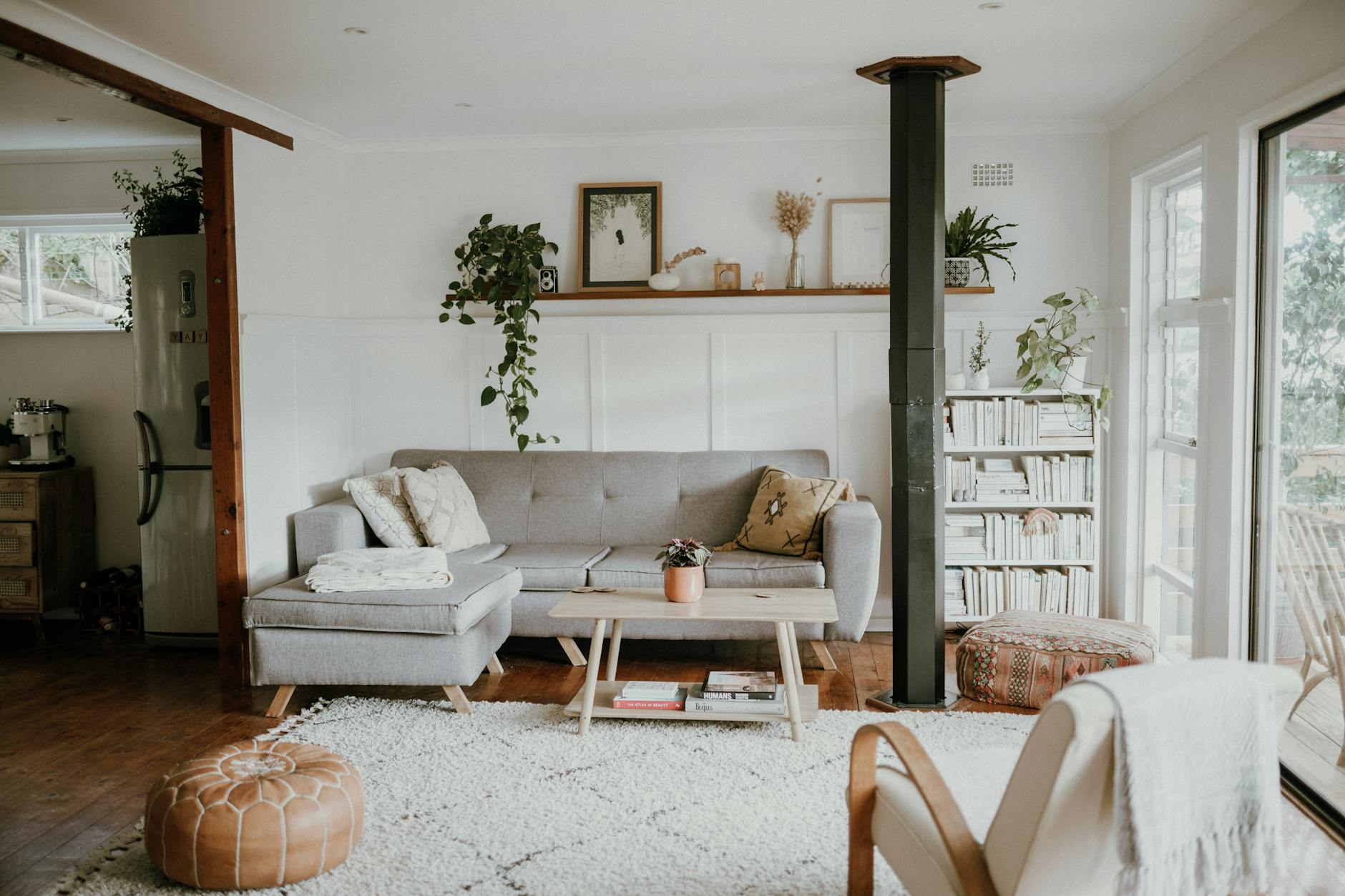
Scandinavian design is renowned for its focus on minimalism, functionality, and simplicity. Originating from countries like Sweden, Denmark, and Norway, this tradition emphasizes clean lines and a neutral palette, which creates a serene and inviting atmosphere. For example, in Swedish homes, the concept of ‘lagom’—meaning ‘just the right amount’—guides homeowners to seek balance in their living spaces. This principle invites individuals to embrace a clutter-free environment where form follows function.
Incorporating Scandinavian elements into your home can be as simple as choosing furniture with straightforward designs and natural materials like wood or wool. Moreover, for those looking to create a cozy ambiance, layering textures with throws and cushions in muted tones can add warmth without overwhelming the space. Additionally, large windows are a hallmark of Scandinavian design, allowing natural light to flood the interiors, which is crucial for enhancing mood and well-being.
The Philosophy of Wabi-Sabi in Japanese Aesthetics
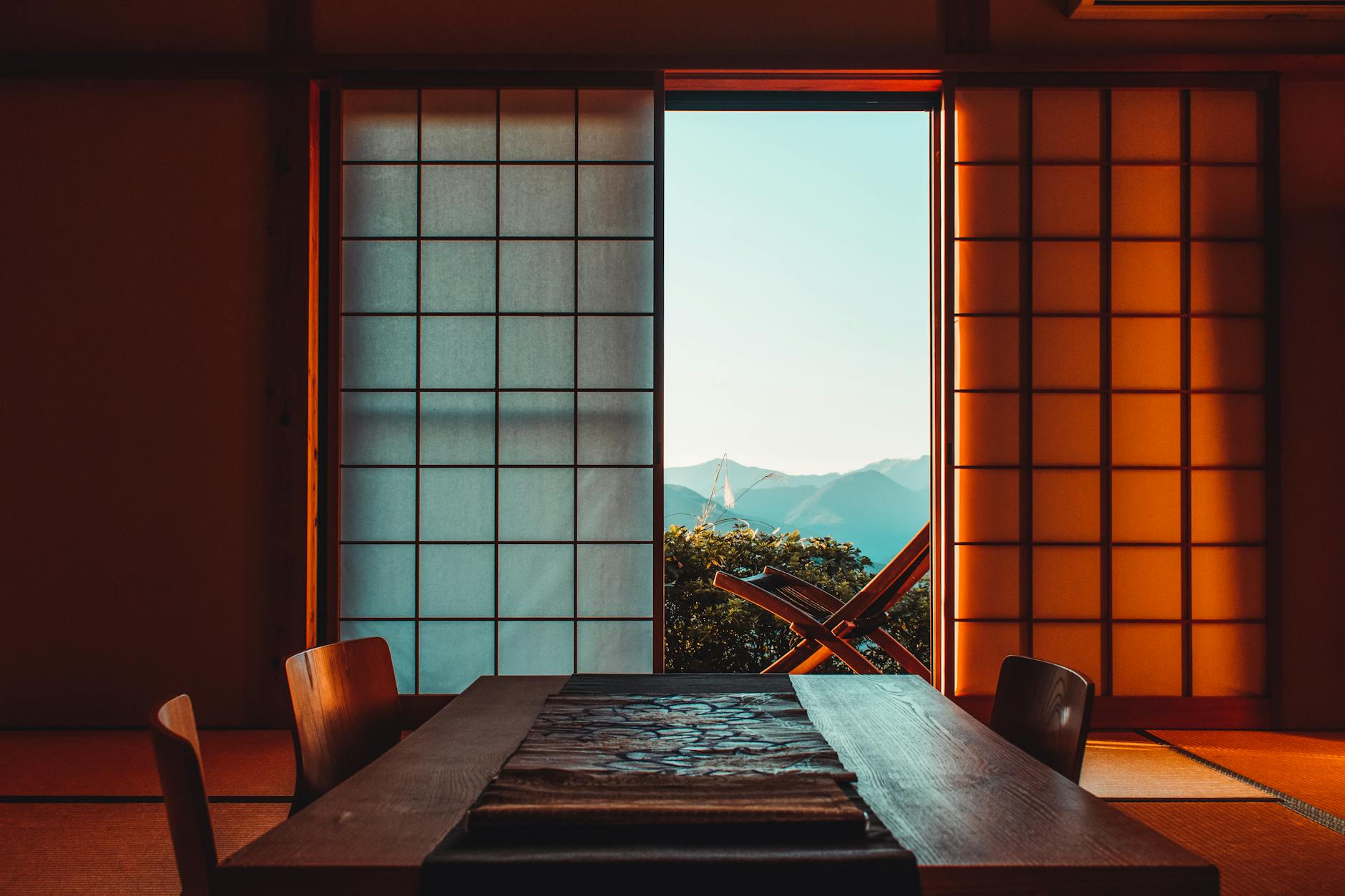
Wabi-sabi is a Japanese philosophy that finds beauty in imperfection and transience. This aesthetic celebrates authenticity by valuing the natural wear and tear that objects exhibit over time. Rather than striving for perfection, individuals who embrace wabi-sabi create spaces that reflect their journey—each scratch or dent tells a story. Traditional Japanese interiors often feature tatami mats and shoji screens, which embody the seamless blend between indoor and outdoor living. These elements encourage mindfulness and a deep appreciation for nature.
Incorporating wabi-sabi into modern interiors can transform your space into a sanctuary. Consider using handcrafted pottery with natural flaws, reclaimed wood furniture, or textiles with irregular patterns. This approach not only adds character but also fosters a sense of peace and acceptance within the home. Furthermore, less can often mean more; by curating decor pieces that truly resonate with you, you can create a more meaningful and serene environment.
The Vibrancy of Dia de los Muertos in Mexican Culture
Dia de los Muertos, or the Day of the Dead, is a vibrant Mexican tradition that honors deceased loved ones with colorful altars, or ‘ofrendas,’ adorned with photos, flowers, and food. This cultural celebration illustrates a unique perspective on mortality—rather than viewing death with sadness, it is approached as a joyful reunion with the departed. Homes during this time are often transformed into lively spaces filled with marigold flowers, sugar skulls, and papel picado, celebrating life through color and creativity.
Incorporating elements of Dia de los Muertos into your home can be an uplifting way to honor heritage. Consider adding colorful ceramics, embroidered textiles, or framed artwork that features traditional motifs. These vibrant pieces can serve as conversation starters and create an inviting atmosphere that reflects your appreciation for cultural diversity. Additionally, using seasonal decorations from this tradition can provide an opportunity to infuse your space with a festive spirit throughout the year.
Textiles and Patterns in African Traditions
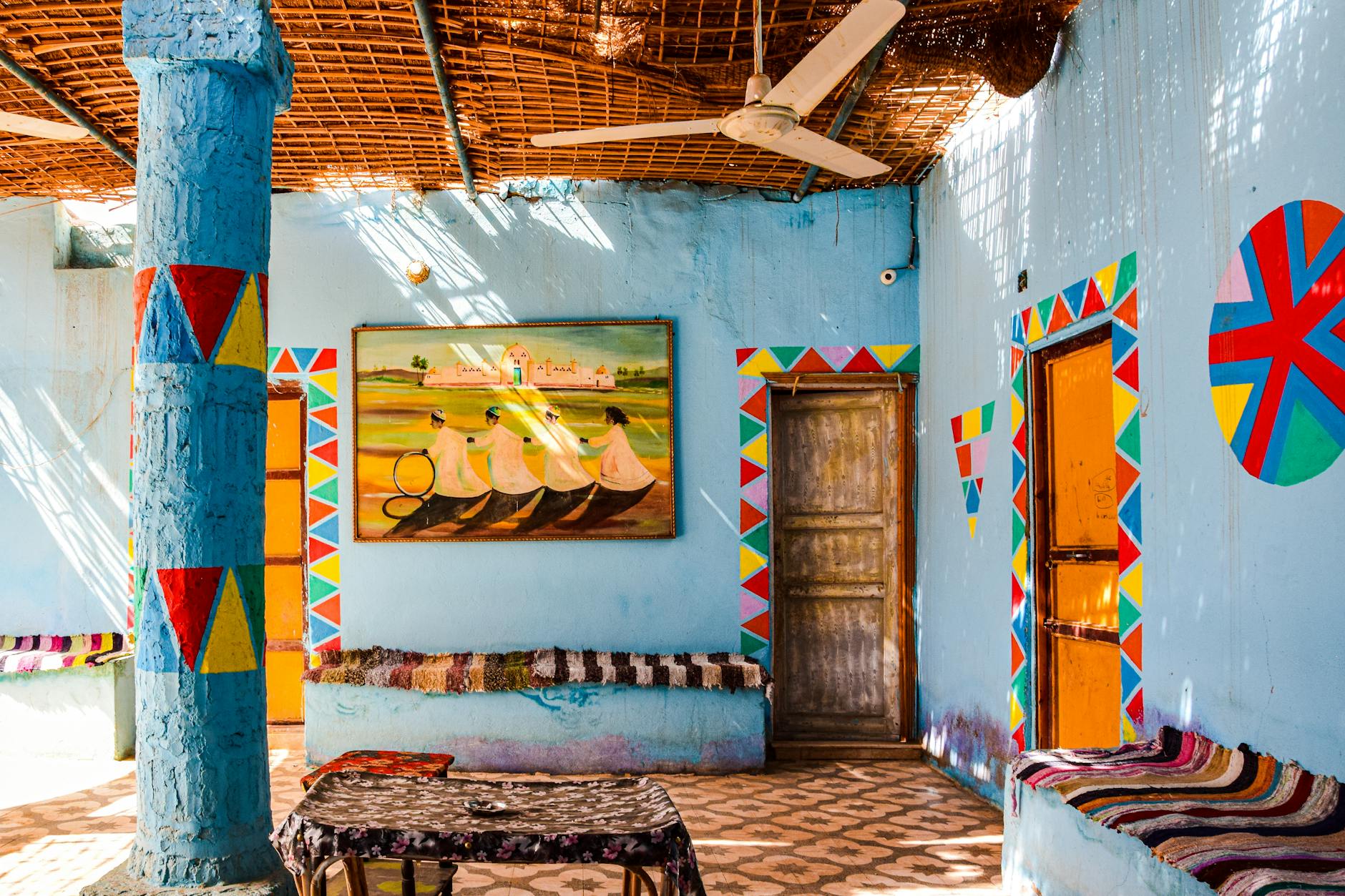
African culture is famously rich in textiles, each pattern and color carrying significant meanings and stories. From the bold Kente cloth of Ghana to the intricate mud cloth of Mali, these fabrics often serve as a means of communication, telling stories about the people who make them. Incorporating African textiles into your home can add a layer of depth and vibrancy while paying homage to this beautiful heritage. These textiles can be used as upholstery, wall hangings, or even as table runners, bringing warmth and character to any space.
Moreover, the incorporation of African art and design can serve as a powerful reminder of heritage and history. Handmade baskets, carved wooden sculptures, and pottery can elevate your home decor, adding dimensions of texture and warmth. Pairing these elements with more neutral backgrounds allows the bold colors and patterns to stand out, creating a harmonious balance that resonates with the spirit of the original cultures.
Celebrating Community through Indian Festivals
Indian culture is a stunning mosaic of traditions, many of which are celebrated through vibrant festivals such as Diwali and Holi. These occasions inspire elaborate decorations incorporating layers of color, light, and textures—often showcasing the richness of Indian craftsmanship. Decorative items like lanterns, colorful drapes, and intricate rangoli designs can significantly enhance a home’s decor, bringing in not just beauty but also a sense of community and celebration.
To incorporate these festive elements into your home year-round, consider using traditional Indian textiles and wall art that showcase intricate patterns and bold colors. Creating designated spaces that allow for expression—whether through a gallery wall of colorful art or a cozy nook adorned with cushions and throws—can bring an air of festivity while maintaining a comfortable living environment. This not only personalizes your space but also allows for a continuous celebration of life and community, reminiscent of the joyous gatherings that characterize Indian festivals.
Understanding and incorporating unique cultural traditions into your living space can transform your home into an oasis of inspiration and meaning. By embracing the artistry and values embedded in these practices, you not only honor the cultures they represent but also enrich your own living experience. As we weave these narratives into our homes, we create a beautiful interplay of history, art, and identity that resonates deeply within us.
