
In recent years, the role of glass and mirrors in premium interior design has grown significantly, moving beyond mere functional elements to become pivotal in creating sophisticated and luxurious spaces. These materials not only contribute to the aesthetic appeal but also enhance spatial perception, natural light flow, and overall ambiance. This article explores the various ways glass and mirrors are utilized in upscale interiors, highlighting their transformative power and versatility.
Elevating Aesthetic Appeal
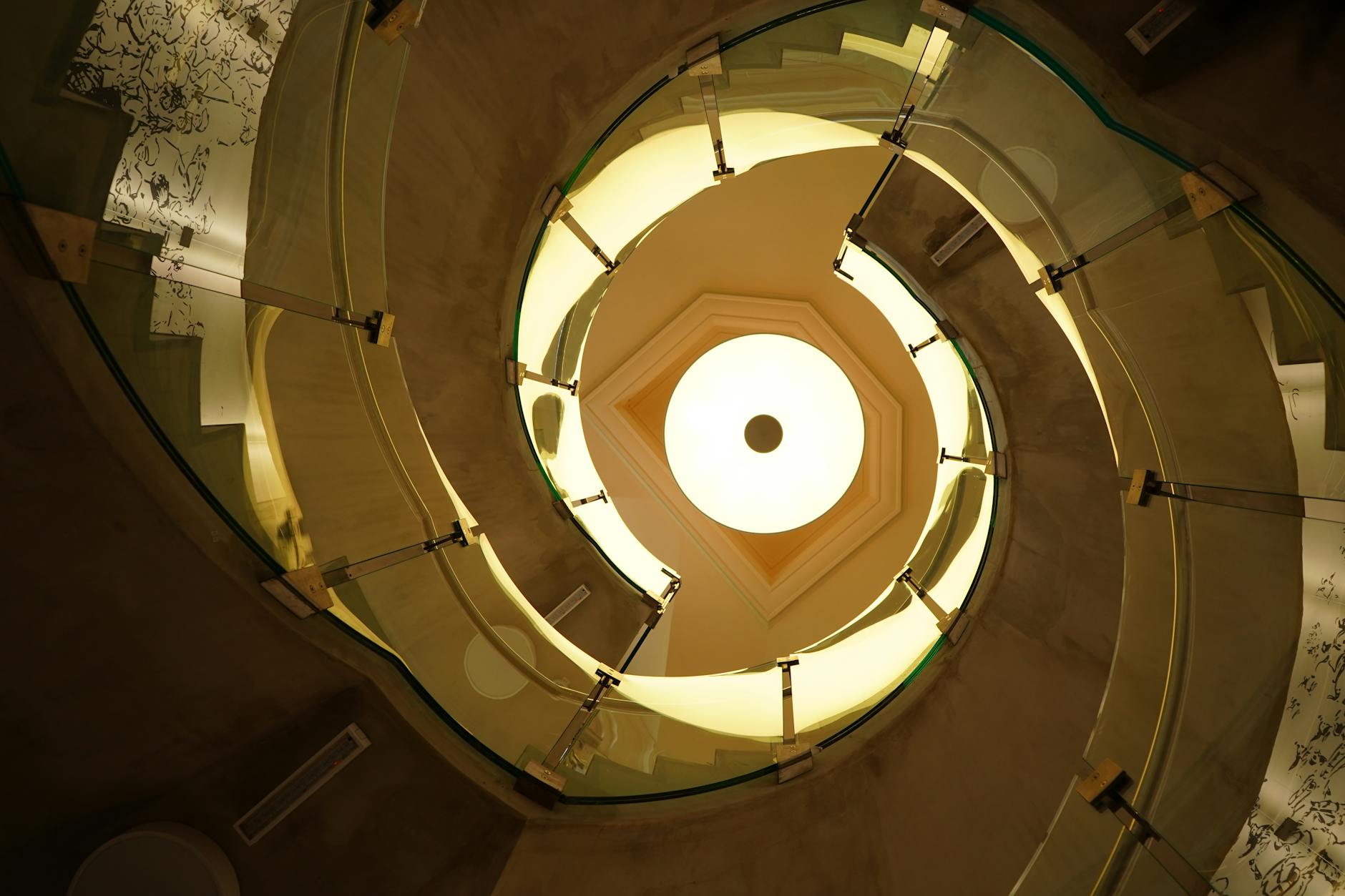
The incorporation of glass elements in premium interiors reflects a modern, sleek aesthetic that resonates with contemporary design sensibilities. From expansive glass windows that offer panoramic views to glass room dividers that maintain openness, these features create a seamless connection between indoor and outdoor spaces. Architects and designers often opt for floor-to-ceiling glass to enhance a sense of spaciousness and bring in an abundance of natural light, making the space feel more inviting.
Furthermore, decorative glass pieces enhance the visual intrigue of a room. Think of glass sculptures, vases, or even artistic panels that serve as focal points. These decorative elements not only add a personal touch but also interact beautifully with light, creating reflections and refractions that dance across the space. This play of light and glass can evoke feelings of tranquility and elegance, essential for any premium interior.
Mirrors: More Than Just Reflections
Mirrors play a critical role in the art of interior design, particularly in luxurious settings. They are not merely reflective surfaces; they can dramatically alter the perception of space and light. Strategically placed mirrors can make a small room feel more expansive, reflecting both natural and artificial light to brighten darker corners. This technique is especially effective in urban apartments or smaller spaces where maximizing light and openness is crucial.
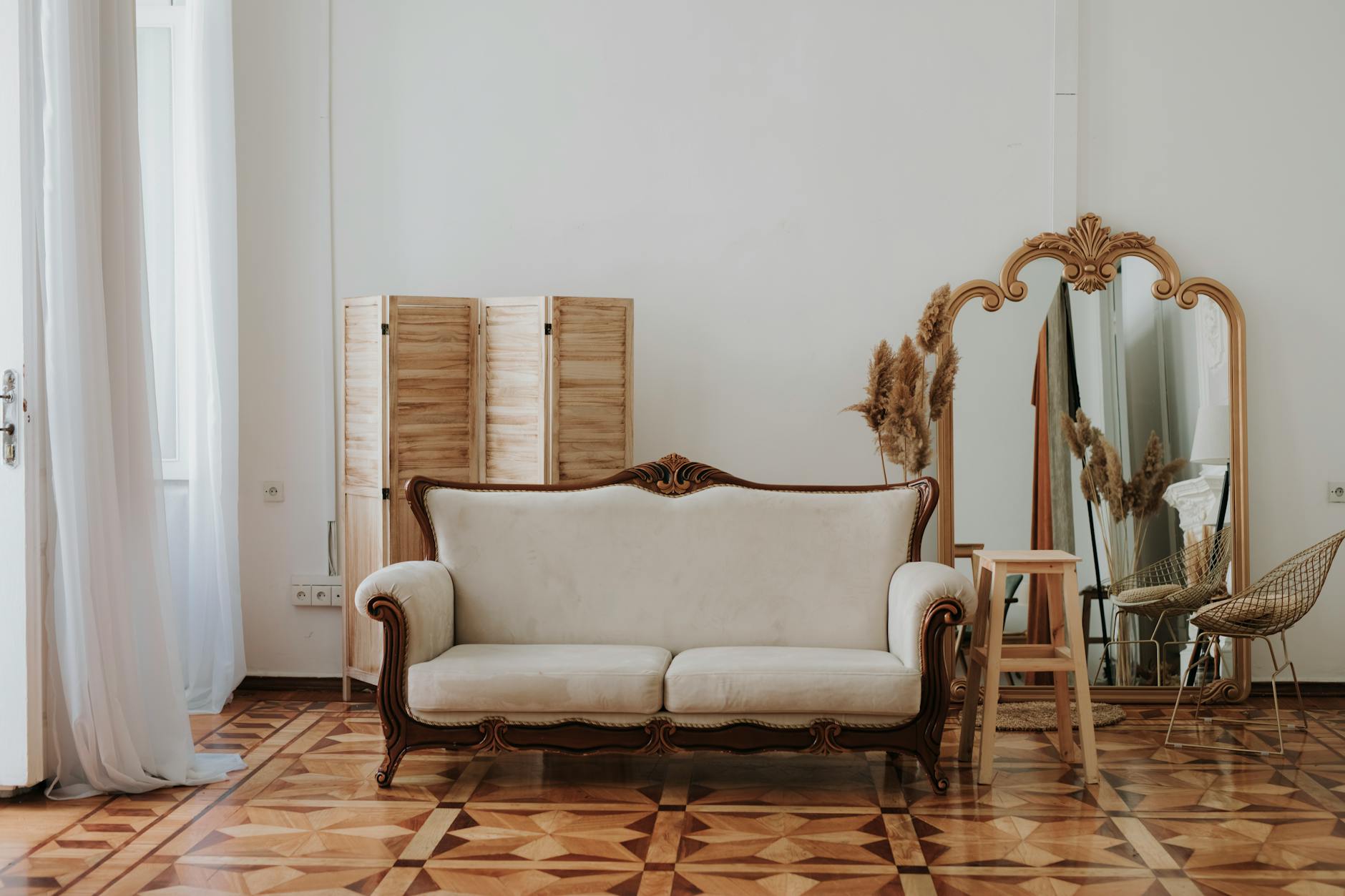
Moreover, decorative mirrors are often used as statement pieces in premium interiors. A large, ornately framed mirror can become a centerpiece in a hallway or living area, drawing the eye and enhancing the overall elegance of the room. Choosing the right shape and finish for mirrors is essential; round mirrors can soften sharp angles, while geometric mirrors may add a contemporary touch. The right mirror can add a layer of sophistication, making it a vital element in the design narrative of any luxurious space.
Functional Flexibility with Glass
Beyond aesthetics, glass offers functional benefits that contribute to premium interior design. Its versatility allows for innovative applications, such as glass partitions that create distinct functional areas without sacrificing openness. This flexibility is especially beneficial in modern homes where spaces serve multiple purposes. A glass office partition, for instance, can provide privacy without isolating the workspace from the rest of the home, maintaining an open and inviting atmosphere.
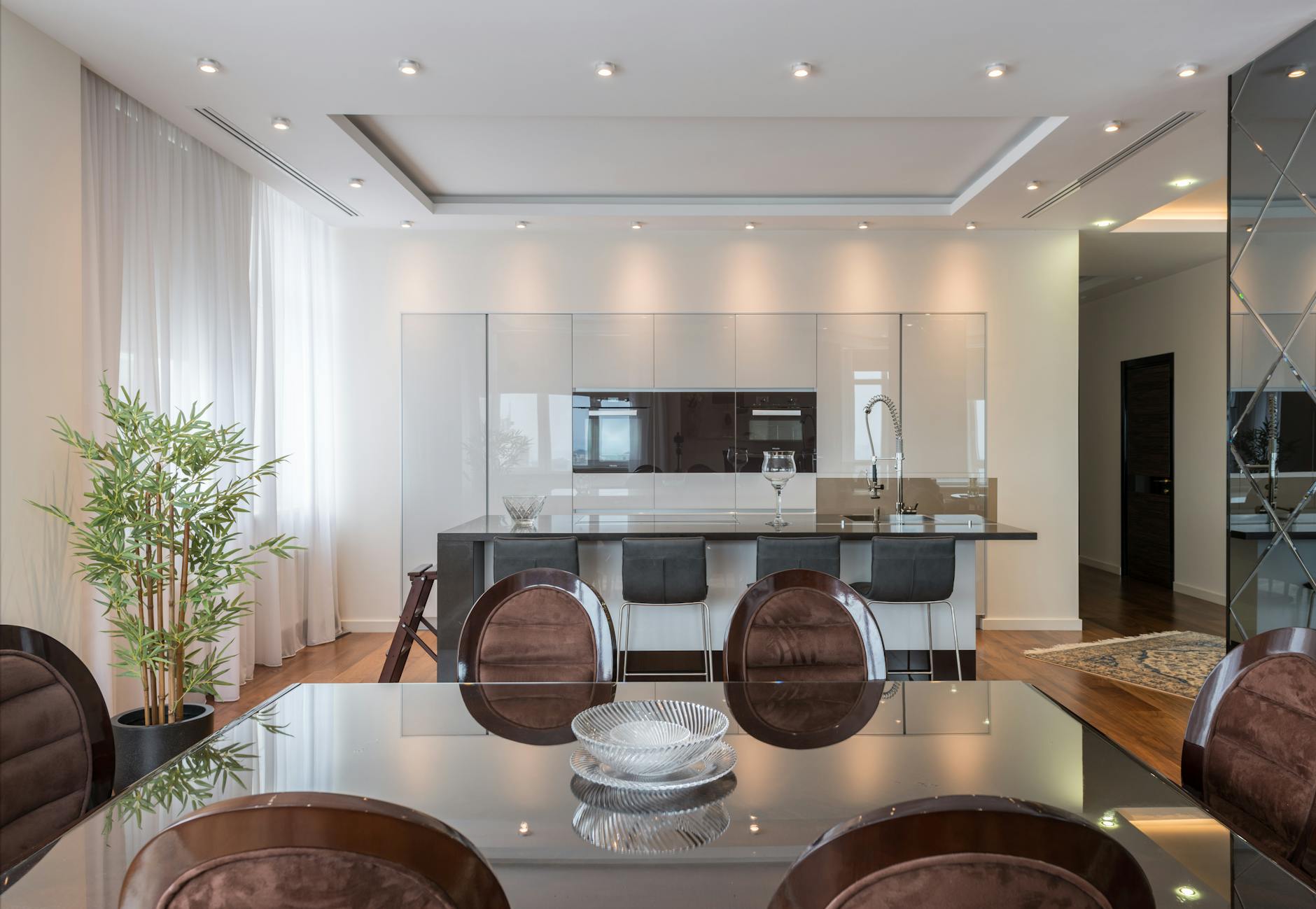
Furthermore, glass surfaces are increasingly used in furniture design. Items like glass coffee tables, dining tables, and shelving units leverage the material’s transparency, which minimizes visual clutter while providing an air of sophistication. These designs often incorporate high-quality materials alongside glass, such as polished metals or rich woods, to create a harmonious blend of textures that elevate the overall design. The result is a chic and contemporary aesthetic that resonates with discerning tastes.
Creating Atmosphere with Reflective Surfaces
The reflective qualities of glass and mirrors extend beyond mere utility; they significantly influence the mood and atmosphere of a room. Carefully planned lighting, combined with reflective surfaces, can amplify the ambiance in a space. Designers often layer lighting—using overhead fixtures, wall sconces, and accent lights—to create depth and drama. When light interacts with glass and mirrors, it can enhance the emotional trajectory of a space, making it feel either serene or vibrant, depending on the desired effect.
For instance, a dimly lit lounge with soft lighting can feel more intimate when complemented by reflective surfaces. In contrast, a well-lit dining area can feel expansive and lively, thanks to carefully positioned mirrors that reflect light and create a vibrant ambiance for entertaining guests. In this way, the interplay of light and reflective surfaces is vital in crafting the emotional landscape of premium interiors.
Sustainability and Innovation in Glass Design
As sustainability becomes a cornerstone of contemporary design, innovations in glass technology support eco-friendly practices in premium interiors. Modern glass options often feature energy-efficient properties, including low-emissivity coatings that reduce heat loss while maximizing light. Such advancements allow designers to harness the beauty and functionality of glass while adhering to eco-conscious principles.
Moreover, recycled glass is a compelling choice for premium interiors, offering both sustainability and uniqueness. Designers are increasingly utilizing reclaimed glass for various applications, from countertops to artistic installations. This not only reduces environmental impact but also adds character to a space, as each piece tells its own story. The embrace of sustainable materials like glass aligns perfectly with the ethos of luxury design, marrying elegance with environmental responsibility.
In summary, the use of glass and mirrors in premium interiors is both an art and a science. These materials contribute to aesthetic appeal, space perception, and atmosphere, making them indispensable in modern luxurious design. Their innovative applications and sustainable options further enhance their relevance in today’s design landscape, ensuring that glass and mirrors will continue to play a pivotal role in shaping elegant and sophisticated interiors for years to come.
