
In a world where consumerism is often viewed through the lens of acquiring goods, the role of luxury experiences in shaping identity has emerged as a more profound and engaging narrative. Luxury is no longer just about ownership of material possessions; it has evolved into a curated experience that reflects personal values, aspirations, and social affiliations. From exclusive travel adventures to bespoke dining experiences, the interplay between luxury and personal identity is creating a new cultural landscape where experiences are the ultimate status symbols.
The Shift from Ownership to Experience
For decades, luxury was synonymous with owning high-end products—think designer handbags, luxury cars, and exquisite watches. However, a subtle shift has occurred in the perception of luxury. The modern affluent consumer is increasingly prioritizing experiences over possessions. This phenomenon is driven not only by a desire for unique memories but also by the understanding that experiences can communicate values and status in a way that mere ownership cannot.
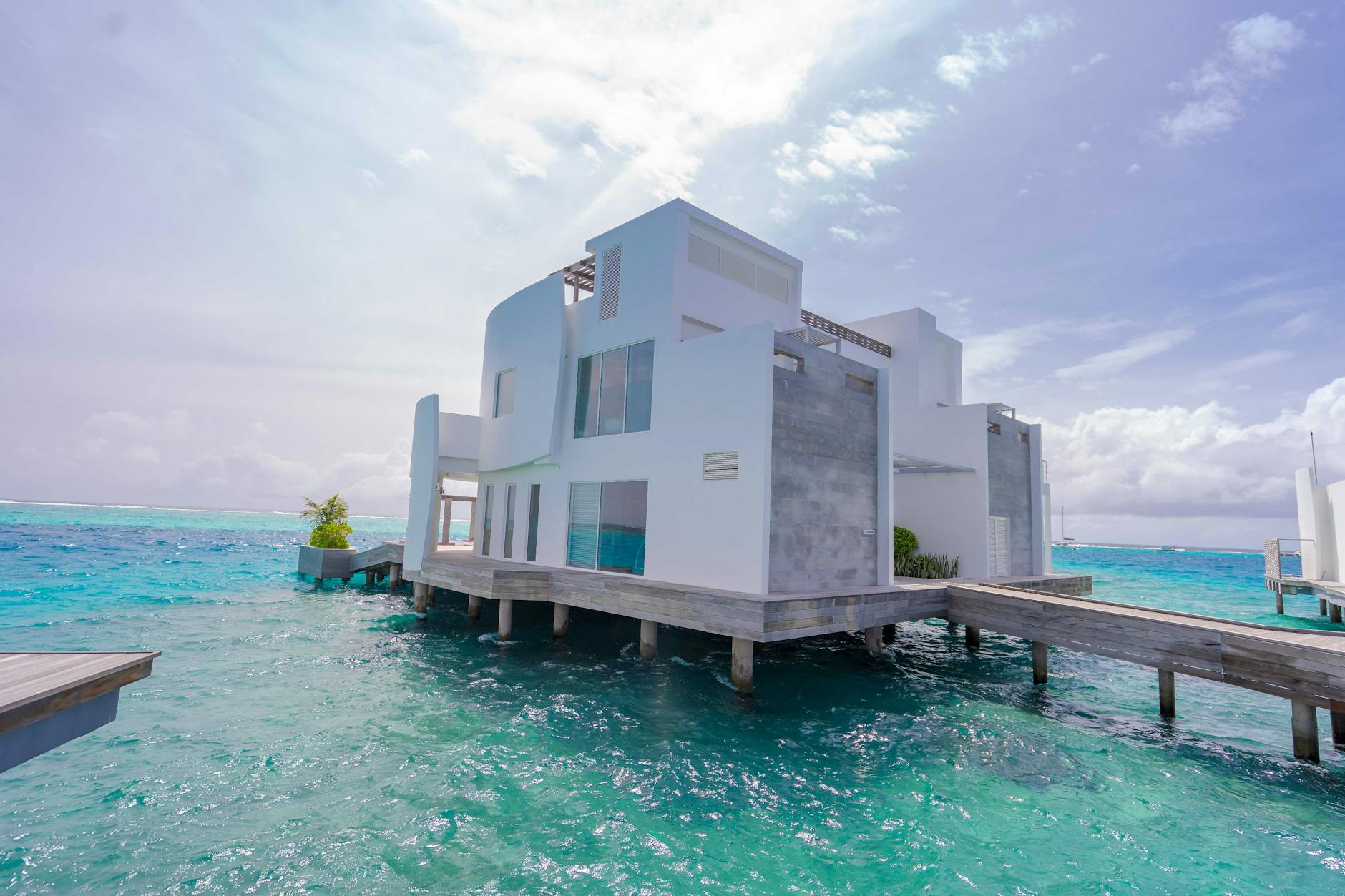
Luxury experiences, such as gourmet dining, yacht charters, and lavish getaways, offer a form of storytelling that material goods simply cannot replicate. These experiences allow individuals to craft a narrative about themselves that resonates with their self-image and aspirations. For example, a weekend in a private villa in Tuscany does more than provide relaxation; it encapsulates a lifestyle choice and a statement about one’s place within a social hierarchy.
Experiential Luxury as a Reflection of Values
The increasing focus on experiences also aligns with a broader cultural shift towards authenticity and sustainability. Consumers today are more aware of the narratives surrounding the brands they support. Luxury experiences often reflect personal values—whether it’s a commitment to sustainability, a passion for local culture, or an appreciation for artisanal craftsmanship. Luxury travel, for instance, emphasizes immersive cultural experiences that foster connections with local communities, promoting responsible tourism while enhancing personal identity.
As individuals seek to align their purchasing decisions with their values, they are increasingly drawn to experiences that allow them to express their beliefs. A fine dining experience that emphasizes organic ingredients or a stay at an eco-conscious resort enables consumers to not only enjoy luxury but also to feel good about how they achieve it. This intentionality in choosing experiences over material objects fosters a sense of identity that extends beyond the individual, resonating with a community of like-minded consumers.
The Role of Social Media in Luxury Experiences
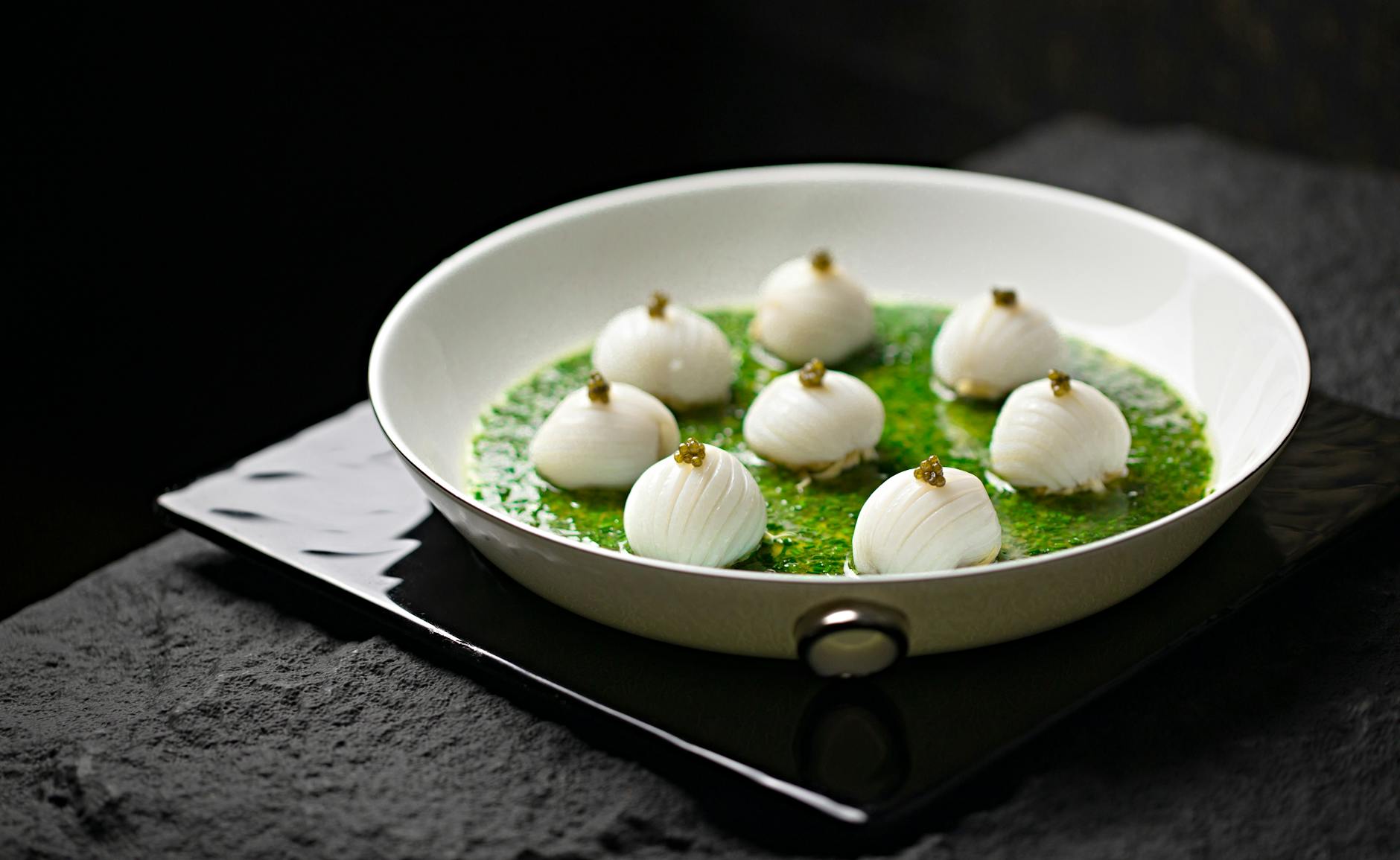
In the digital age, social media has become a powerful tool for shaping identity, particularly concerning luxury experiences. Platforms like Instagram and Pinterest allow users to share their experiences with a broader audience, turning personal indulgences into public narratives. A snapshot of a sunset viewed from a private yacht or a photo of a beautifully plated dish garnished with edible gold can elevate an individual’s social standing, crafting an image of opulence and sophistication.
This public display of experiences further transforms how individuals perceive luxury. The need for social validation has shifted the paradigm from experiencing luxury for personal satisfaction to curating an experience that others will admire. As a result, luxury experiences not only serve to enhance personal identity but also function as social currency that can reinforce or challenge social hierarchies.
“The best luxury is being able to own your time, to experience life on your terms. It’s no longer about what you have but about what you do with what you have.”
The Future of Luxury Experiences and Identity
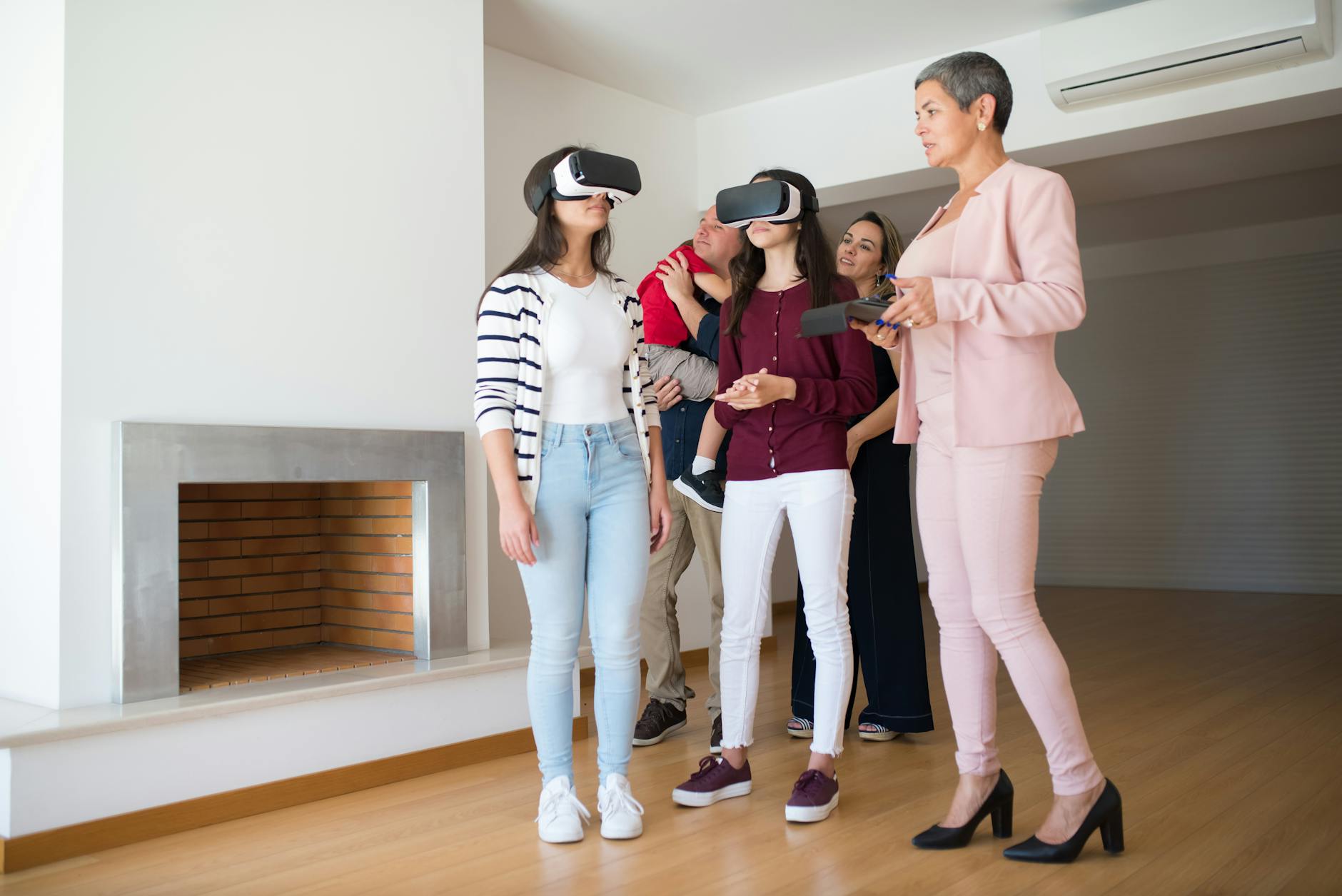
As we think about the future, it’s essential to consider how luxury experiences will continue to evolve in shaping identity. The rise of virtual reality and augmented reality technology is already starting to redefine how people engage with luxury. Consumers might soon experience luxury travel from their living rooms or attend exclusive virtual events, blurring the lines between physical and digital experiences.
This evolution will likely push the concept of identity further, as individuals explore new dimensions of themselves through digital experiences. The intersection of luxury, technology, and identity will create a new framework for understanding what it means to experience luxury in a rapidly changing world. As technology democratizes access to experiences, how will that reshape the traditional notions of luxury and identity? This question reflects an exciting era where inclusivity may redefine what it means to indulge.
In conclusion, luxury experiences are not merely indulgences; they are powerful agents of identity formation. As society continues to shift from ownership to experience, the way individuals perceive themselves and communicate that identity to the world will transform. Understanding this relationship offers invaluable insights into consumer behavior and the evolving landscape of luxury.
