
In the world of elite architecture and design, collaboration stands as the cornerstone of success. The intricate relationship between architects and interior designers shapes not just the aesthetic appeal but also the functionality of spaces. When these two disciplines come together, they create environments that resonate with purpose and sophistication. This article explores how architects and interior designers collaborate on high-end projects, their distinct yet integrated roles, and the innovative outcomes that arise from their synergy.
The Synergy of Vision and Function
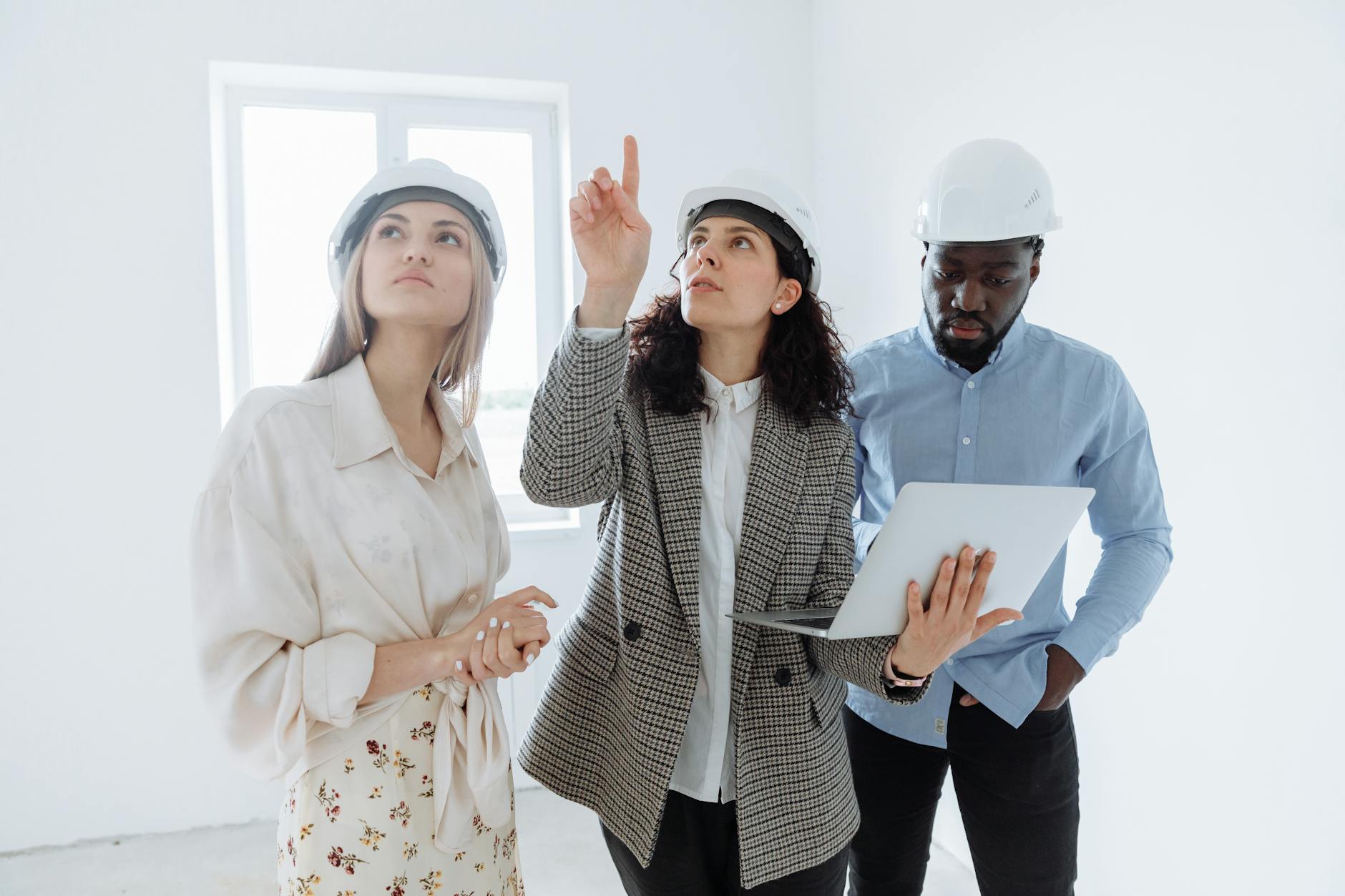
At the heart of any elite project lies a shared vision—a concept that begins as an architectural blueprint and evolves into a fully realized space. Architects lay the groundwork through structural design, focusing on durability, aesthetics, and compliance with regulations. Interior designers then breathe life into these structures, considering aspects such as color palettes, furnishings, and the overall atmosphere.
This collaboration is not merely a handoff from one profession to another. It requires ongoing communication, with both parties actively exchanging ideas throughout the project cycle. For instance, as architects finalize the layout of a luxury hotel, interior designers might suggest changes to better accommodate the desired ambiance, ensuring guest experiences align with the hotel’s overall theme. This back-and-forth dialogue is essential for harmonizing the functional attributes of the architectural design with the experiential qualities imparted by the interior design.
Collaboration Tools and Techniques
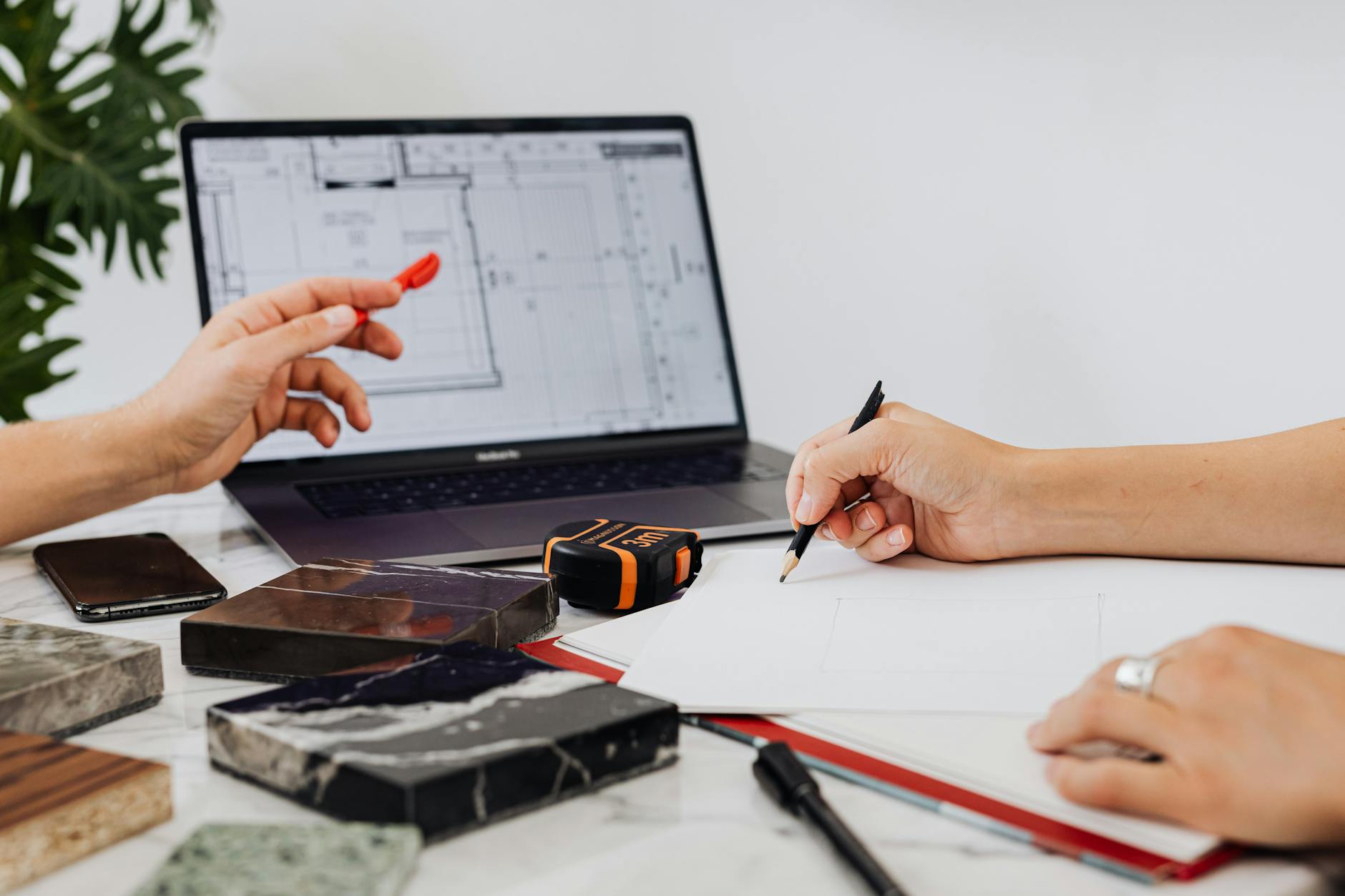
Today, the collaboration between architects and interior designers is further enhanced by technology. Innovations such as Building Information Modeling (BIM) and 3D rendering have revolutionized the design process. These tools allow both parties to visualize the project in real-time, making it easier to identify potential conflicts before they arise.
For example, a state-of-the-art design software can illustrate how natural light interacts with interior spaces, thereby enabling designers to make informed decisions about window placement and interior materials. Moreover, virtual reality (VR) provides an immersive experience, allowing clients to “walk through” their future space, significantly improving feedback collection. This technological synergy empowers architects and designers to build not just structures, but immersive environments that captivate and inspire.
Defining Roles: Architects vs. Interior Designers
Understanding the specific roles of architects and interior designers is crucial for effective collaboration. Architects primarily focus on the external structure, including site analysis, building materials, and environmental impact. Their task is to ensure that the building adheres to zoning laws and is structurally sound. This phase often involves consultations with engineers and local authorities, which can be time-consuming but is essential for project success.
In contrast, interior designers concentrate on the internal experience, transforming spaces through color, furnishings, and layout. They have a keen eye for detail and often work closely with artisans and craftsmen to curate bespoke elements that reflect the client’s style. Their role includes selecting finishes, furniture, and accessories that enhance the architecture while also fulfilling the needs of the occupants. Effective collaboration means that both architects and designers respect each other’s domains while working toward a unified goal.
A Case Study: A High-End Luxury Residence
One notable example of successful collaboration can be seen in the design of a high-end luxury residence in Los Angeles. The project began with the architect’s vision of creating a modern home that blends seamlessly with the natural landscape. This included large glass panels to enhance views and integrate the indoor and outdoor spaces.
Throughout the design process, the interior designer advocated for materials and colors that would complement the architectural elements. By selecting a neutral palette with vibrant accents, the designer maintained the home’s connection to its surroundings while ensuring that the interior felt warm and inviting. During regular meetings, they discussed how light would play within the space at different times of the day, adjusting plans accordingly to optimize the experience for future residents.
The collaborative effort culminated in a residence that not only met the architect’s vision but also reflected the lifestyle and preferences of the homeowners. As a result, the project received accolades in design competitions, showcasing how effective teamwork leads to exceptional outcomes.
Challenges in Collaboration and Their Solutions
Despite the numerous benefits of collaboration, challenges often arise in elite architecture and design projects. Differences in perspective can lead to conflicts, particularly regarding creative vision or budget constraints. For instance, an architect may prioritize sustainable materials that are costly, while an interior designer may favor more accessible alternatives that fit a specific aesthetic.
To navigate these complexities, establishing clear communication from the outset is vital. Regular meetings and shared platforms for documentation can help ensure everyone is on the same page. Furthermore, embracing a problem-solving mindset can transform challenges into opportunities. When disagreements arise, instead of viewing them as roadblocks, both parties can approach them collaboratively, seeking innovative solutions that respect each discipline’s integrity.
Looking Ahead: The Future of Collaboration
The future of collaboration between architects and interior designers is poised for transformation as new technologies and methodologies emerge. Sustainable design will increasingly demand holistic approaches, where both architects and interior designers must work together from the inception of the project to incorporate eco-friendly practices seamlessly. This could involve shared workshops or brainstorming sessions that foster creativity while maintaining an emphasis on sustainability.
As clients become more discerning, they will expect tailored experiences that reflect their individual lifestyles and values. This trend will push architects and designers to not only collaborate more effectively but also innovate continuously. The integration of smart technology into living spaces, for instance, will require both disciplines to engineer solutions that enhance user experience while maintaining aesthetic integrity.
Ultimately, the collaboration between architects and interior designers is a dynamic and evolving partnership. As they continue to blend their unique visions and skill sets, the result will be spaces that inspire, innovate, and meet the needs of an ever-changing world.
