
In a world that thrives on speed and efficiency, the concept of slow travel emerges as a tranquil antidote. This approach to travel emphasizes immersion in local culture, forging genuine connections, and appreciating the nuances of every destination. With this ethos at its core, many travelers are now seeking out accommodations that reflect the essence of their journey. This is where interior design plays an integral role. It shapes not only the aesthetic but also the experience of slow travel, encouraging guests to connect with their surroundings and embrace every moment.
The Essence of Slow Travel
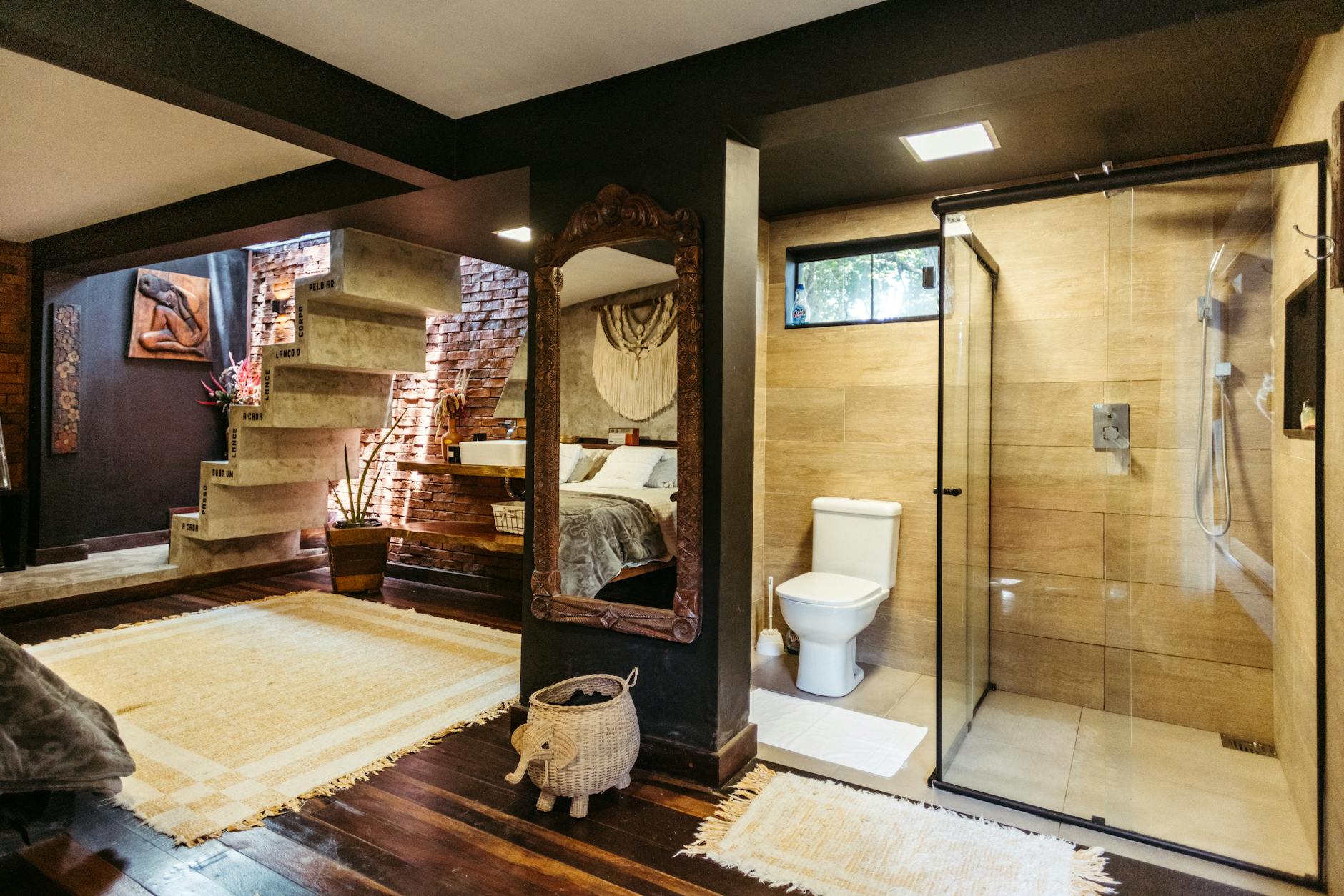
Slow travel is more than just a trend; it’s a lifestyle choice that reflects a desire to step away from the rushed pace of modern life. By choosing to spend longer periods in one location, travelers can delve deeper into local histories, cuisines, and customs. This approach often leads to more enriching experiences, as it allows individuals to forge connections with locals and develop a genuine appreciation for the place they are visiting. As the slow travel movement gains traction, it becomes vital for interior designers to create spaces that enhance this experience, fostering relaxation and reflection.
Designing for slow travel means focusing on comfort, locality, and sustainability. The ideal space should evoke a sense of home while integrating elements that celebrate the destination’s culture. By using locally sourced materials, artisans’ craftsmanship, and environmentally friendly practices, designers can create authentic environments that resonate with the principles of slow travel. This intentional approach not only contributes to an enjoyable stay but also supports local economies and preserves cultural heritage.
Creating Cozy, Inviting Spaces
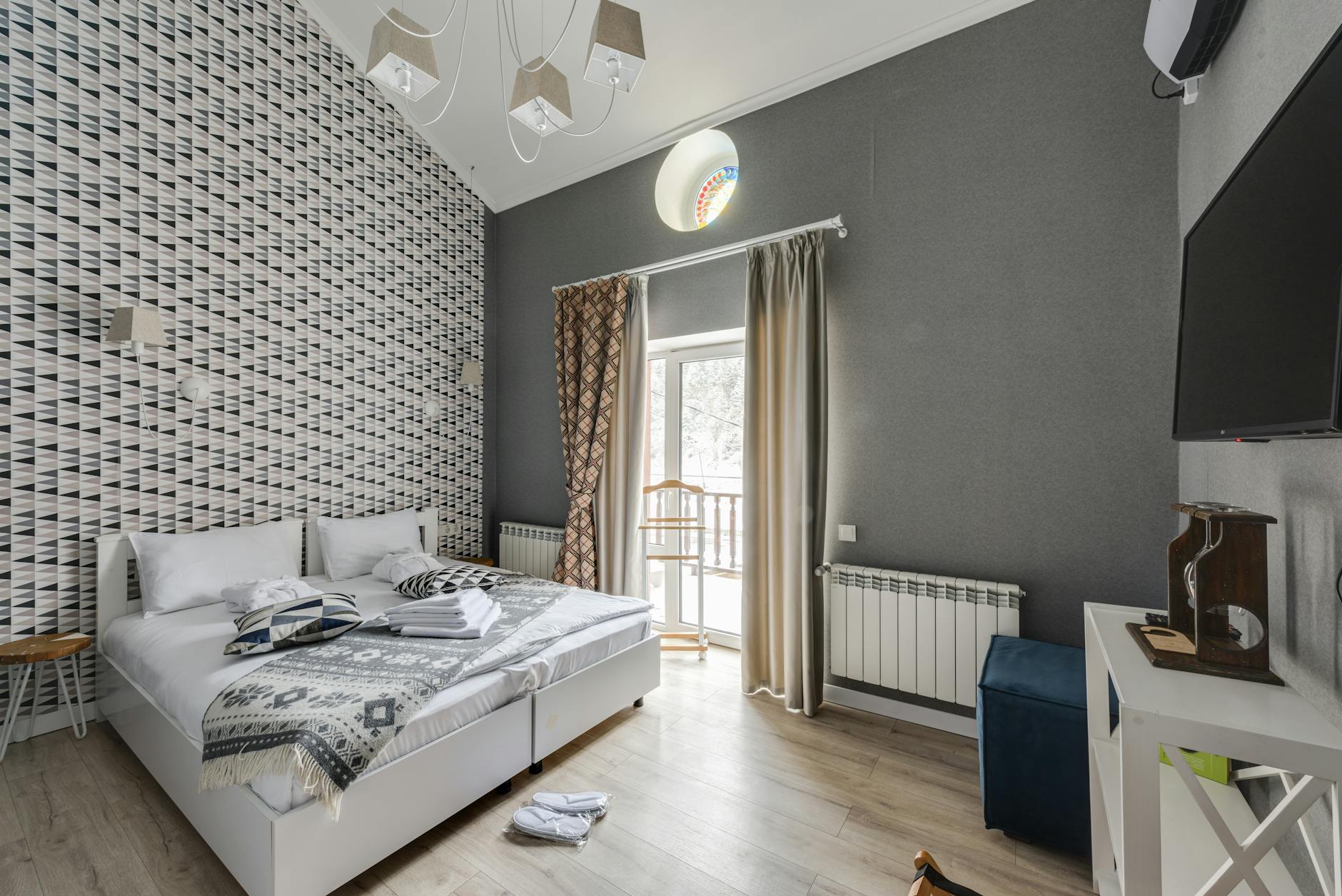
The hallmark of any slow travel accommodation is its ability to make a guest feel at home. This can be achieved through thoughtful design choices that prioritize comfort and warmth. When entering a space, soft lighting, plush furnishings, and tactile materials play crucial roles in setting an inviting tone. Integrating elements such as layered textiles—think blankets, cushions, and drapery—creates a sense of coziness, encouraging visitors to linger and immerse themselves in the environment.
Moreover, the layout of the space should facilitate both relaxation and interaction. Open-concept designs that incorporate communal areas, like kitchens or lounges, invite guests to engage with one another or with visiting locals, fostering a sense of community. Thoughtfully designed nooks and crannies can also offer private spaces where travelers can retreat and reflect on their experiences. This balance between solitude and socialization is essential in creating an environment where slow travel flourishes.
Infusing Local Character into Design
To embrace the spirit of slow travel, it’s essential for interior design to reflect the local culture and heritage of a destination. This can be achieved by incorporating art, textiles, and decor that are unique to the region. For example, showcasing artwork from local artisans not only supports the creative community but also provides guests with a visual connection to the area’s history and culture. Additionally, using region-specific materials, such as locally sourced stone or reclaimed wood, can enhance the overall ambience of an accommodation, providing a tactile and sensory experience that embodies the destination.
Furthermore, culinary experiences play a pivotal role in slow travel. Designing kitchens equipped with local ingredients and tools encourages guests to prepare and share meals, fostering a sense of connection and community. This not only creates lasting memories but also highlights the importance of food in understanding a culture. Thoughtfully designed dining spaces, whether indoor or outdoor, can enhance this experience, offering stunning views and an inviting atmosphere for shared meals.
The Importance of Sustainability
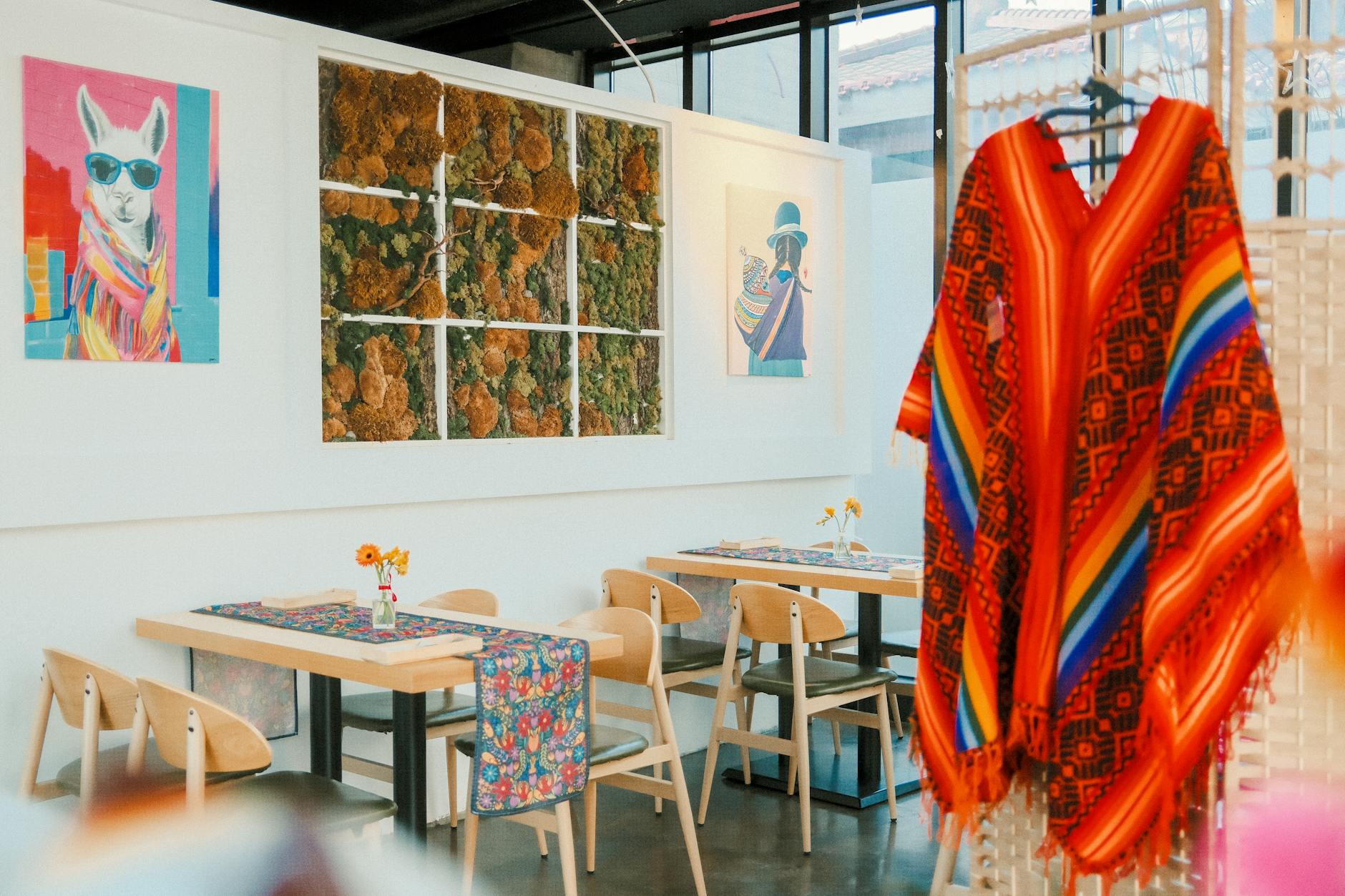
As awareness of environmental issues grows, slow travel has naturally aligned with sustainable practices. Travelers are increasingly looking for eco-friendly accommodations that minimize their impact on the environment while supporting local ecosystems. Interior designers can play a significant role in this by incorporating sustainable materials, energy-efficient appliances, and water-saving fixtures into their designs. Choosing low-VOC paints and natural finishes not only improves indoor air quality but also ensures that spaces are healthier for guests and the environment alike.
Moreover, sustainable design extends beyond materials; it includes promoting local economies and using regional resources responsibly. By sourcing furniture and decor from local vendors, designers can reduce their carbon footprint while adding authentic character to the space. This connection to local craftsmanship enhances guests’ experiences by giving them insights into the culture and traditions of the area, thus weaving the principles of slow travel throughout the design process.
In addition to material choices, interior design can also embrace technology in a mindful manner. Smart home systems can enhance guests’ experiences without compromising the aesthetics of a space. Thoughtfully integrated technology can provide convenience while allowing for energy savings, further aligning with the ideals of sustainability and simplicity inherent in slow travel.
Designing for Reflection and Connection
At its heart, slow travel is about creating opportunities for reflection and connection. Interior design can facilitate this by incorporating spaces that encourage mindfulness and contemplation. This can be achieved through the use of calming colors, natural light, and views that draw attention to the surrounding landscape. Quiet spaces, such as reading nooks or serene gardens, invite guests to pause, breathe, and reflect on their journey.
By designing spaces that hold a story—whether through historic architecture, local art, or meaningful objects—travelers are encouraged to engage with their surroundings on a deeper level. Each element within a space can become a conversation starter, igniting curiosity about local traditions, histories, or even the stories of previous travelers. These elements not only enhance the beauty of the accommodation but also enrich the overall travel experience, leaving lasting impressions and memories.
As the slow travel movement continues to evolve, the role of interior design will be paramount in shaping how travelers connect with the world around them. By prioritizing comfort, locality, and sustainability, designers can create spaces that resonate with the ethos of slow travel, allowing guests to fully embrace each destination. In a frantic world, these carefully curated environments serve as a reminder to pause, appreciate, and savor the journey.
