
In an era dominated by fleeting trends and fast-paced change, the concept of timeless design emerges as a beacon of stability and sophistication. Timeless design refers to interior aesthetic choices that remain elegant and relevant, irrespective of current trends. It stresses the importance of quality, functionality, and an appreciation for enduring style. This article explores the power of timeless design, highlighting its significance in creating spaces that endure the test of time while remaining inviting and livable.
Understanding Timeless Design
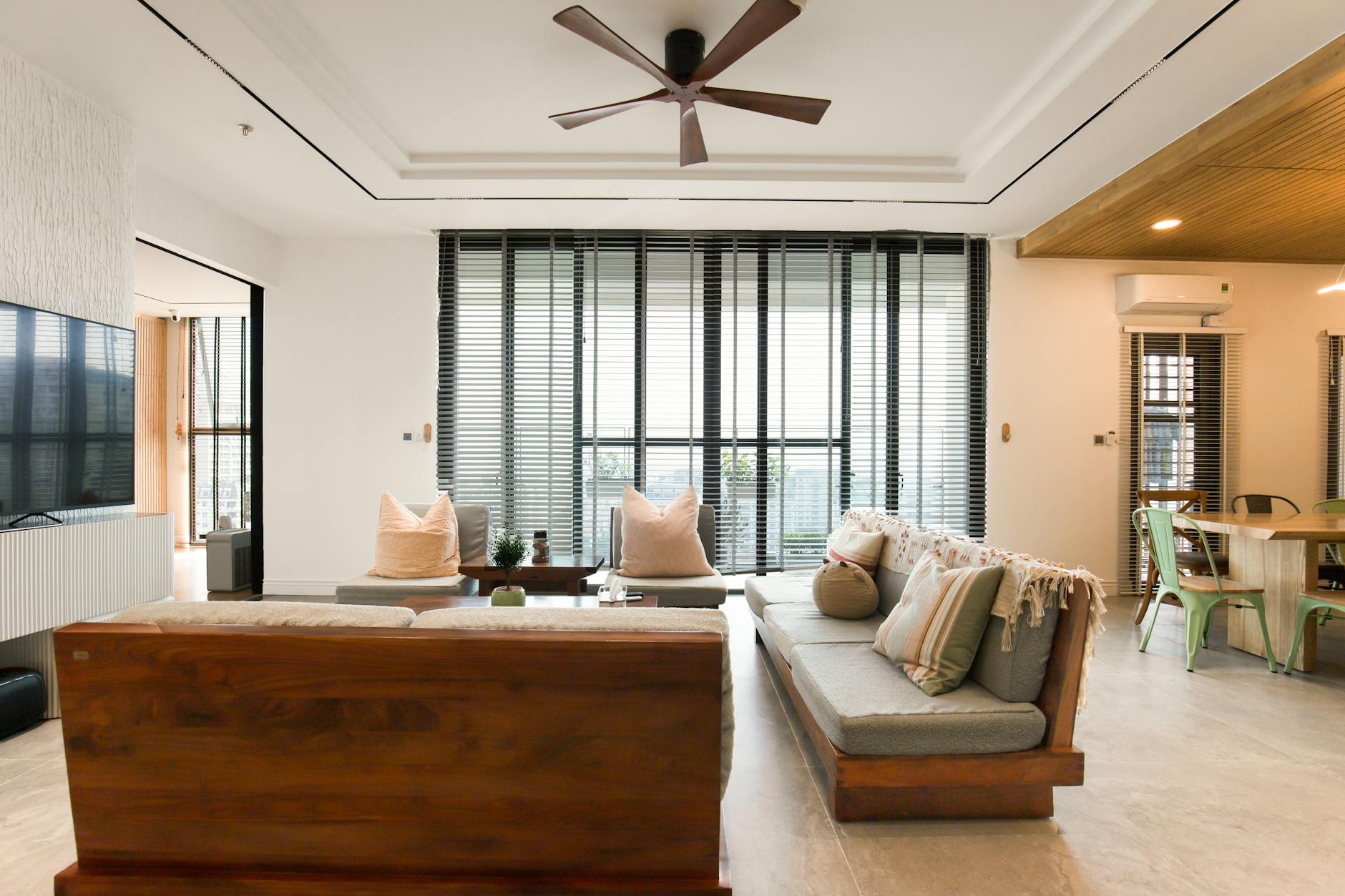
At its core, timeless design embodies simplicity, balance, and proportion, drawing inspiration from classic styles and elements that have historically stood the test of time. Think of spaces that evoke a sense of calm and continuity—rooms filled with carefully curated furniture, rich fabrics, and an overall harmony that connects the various elements at play. This style often embraces natural materials, subtle textures, and serene color palettes that work together to create an inviting ambiance.
One of the hallmarks of timeless design is its adaptability. Unlike seasonal trends that may quickly fall out of favor, timeless elements blend seamlessly with modern touches, allowing for personal expression without compromising on aesthetic integrity. As a result, a well-designed space can evolve with its inhabitants, transitioning from one life stage to another while maintaining its visual appeal.
Quality Over Quantity: The Emphasis on Materials
In timeless design, the choice of materials plays a pivotal role. High-quality materials such as hardwood, stone, and natural fabrics not only showcase craftsmanship but also age gracefully, enhancing the beauty of the space as time passes. A classic mahogany dining table may gain character through years of family gatherings, while a cotton upholstery can soften its edges and become more inviting with use.
Moreover, investing in fewer, higher-quality pieces rather than an abundance of lesser-quality items not only curates a more elegant aesthetic but also promotes sustainability—a vital consideration in today’s design landscape. By choosing well-made items that can withstand the rigors of daily life, homeowners are not just creating a beautiful environment; they are laying the groundwork for a more sustainable future.
The Role of Color in Timeless Design
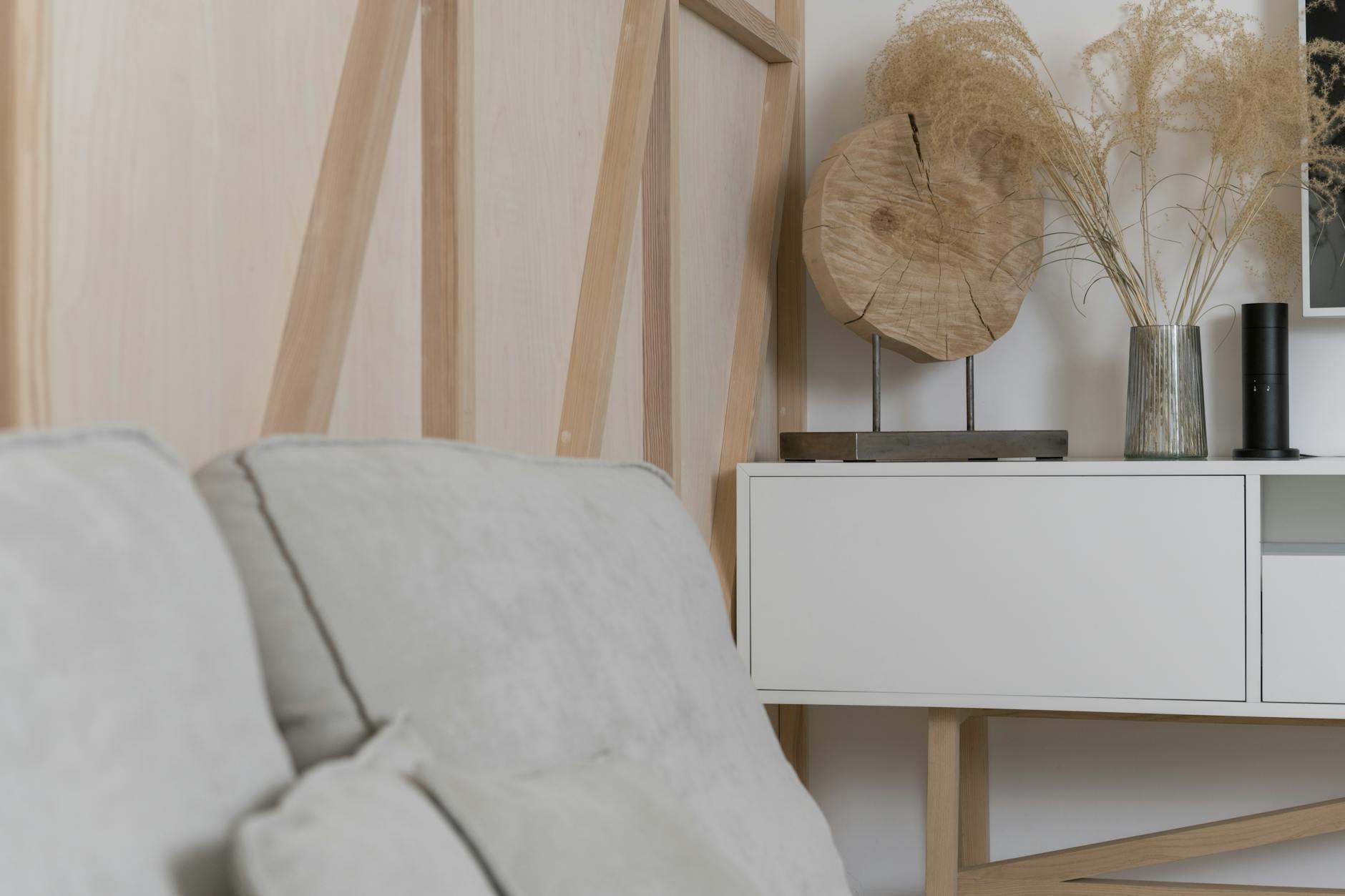
Color is a powerful tool in any interior design scheme. Timeless design often favors a muted, neutral palette that provides a versatile backdrop for furniture and decorative accents. Soft whites, creamy beiges, and subtle grays can evoke a sense of tranquility and spaciousness, making rooms feel open and inviting. These colors serve as a canvas on which homeowners can paint their unique stories through art, plants, and decor.
Importantly, this doesn’t mean that one must shy away from bolder colors entirely. Instead, incorporating these hues in small doses—such as through artwork, throw pillows, or an accent wall—allows for personal flair without overwhelming the senses. The key is to achieve a balanced composition that highlights the beauty of each element without becoming jarring or outdated.
Functionality Meets Aesthetics
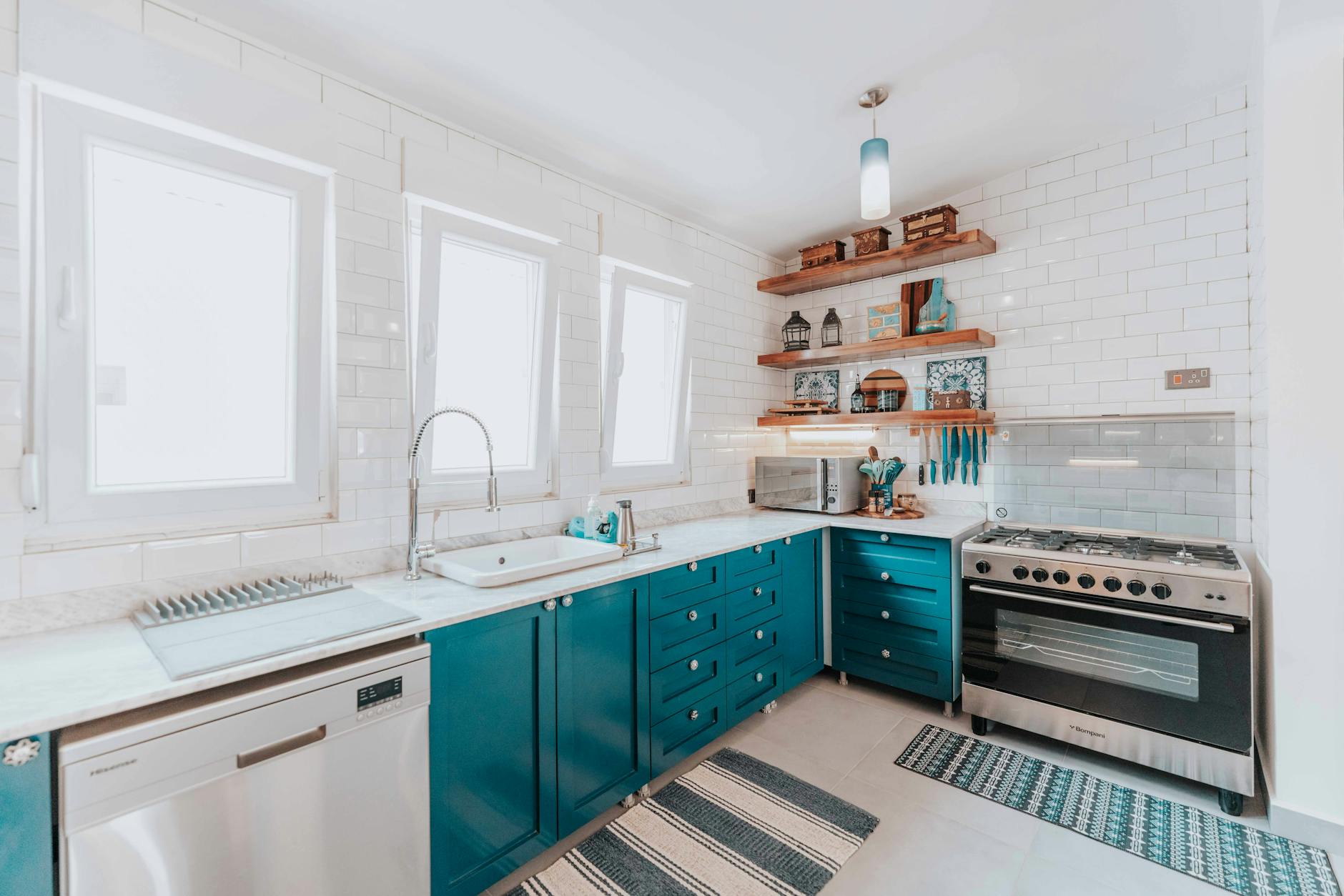
Timeless design is not solely about appearance; it is equally about function. Every element in a space should serve a purpose while complementing the overall design. This principle advocates for thoughtful layouts that prioritize flow and usability. For instance, a kitchen that marries elegant cabinetry with functional appliances ensures that the space remains practical for everyday use while exuding charm and sophistication.
Furniture selection plays a crucial role in achieving this balance. Pieces should be both comfortable and visually pleasing, inviting occupants to relax and enjoy their surroundings. A well-designed sofa can act as a focal point in a living room, enhancing the aesthetic while providing a cozy retreat for family and friends.
Cultivating Personal Narratives Through Timeless Design
Timeless design allows homeowners to curate environments that tell their stories. It encourages the inclusion of personal artifacts, heirlooms, or travel souvenirs that contribute depth and meaning to the space. These items resonate on a personal level, making the design not just an aesthetic choice but a lived experience.
Incorporating family heirlooms—a vintage clock passed down through generations or an art piece collected during a significant trip—infuses character into a space and creates a connection to the past. As these elements mingle with contemporary furnishings, they forge a cohesive narrative that embodies the homeowner’s unique history and values. This rich tapestry of personal experience and thoughtful design elevates the significance of the space beyond its visual appeal.
Conclusion: A Lasting Legacy
The power of timeless design lies in its ability to create spaces that endure—both in style and emotional significance. By focusing on quality materials, thoughtful layouts, and personal storytelling, timeless interiors foster environments that not only stand the test of time but also promote a sense of well-being. In a world where trends are transient, embracing timeless design principles ensures that our spaces remain inviting, functional, and reflective of who we are through generations to come.
In crafting your own timeless sanctuary, consider the essence of each piece you choose—its quality, its function, and the story it tells. When each element aligns with your vision, you create a home that is not only beautiful but also uniquely yours, a true reflection of your journey through life.
