
In an era characterized by rapid consumption and fast fashion, the concept of heirlooms is experiencing a fascinating revival. As more individuals seek depth and meaning in their possessions, modern heirlooms are emerging as valuable treasures that weave together personal stories, craftsmanship, and sustainability. This article delves into the rise of modern heirlooms, exploring their significance in today’s interior design landscape and how they can transform living spaces into reflections of personal history and identity.
Defining Modern Heirlooms
While traditional heirlooms often conjure images of furniture passed down through generations, modern heirlooms can take on a wider range of forms. They might include carefully curated art pieces, handcrafted textiles, or even custom-made furniture designed to withstand the test of time. The key characteristics of modern heirlooms are their intrinsic value, quality craftsmanship, and the ability to tell a story. Unlike mass-produced items, these pieces resonate on a personal level, connecting the past with the present and inviting future generations to engage with the narrative encapsulated within them.
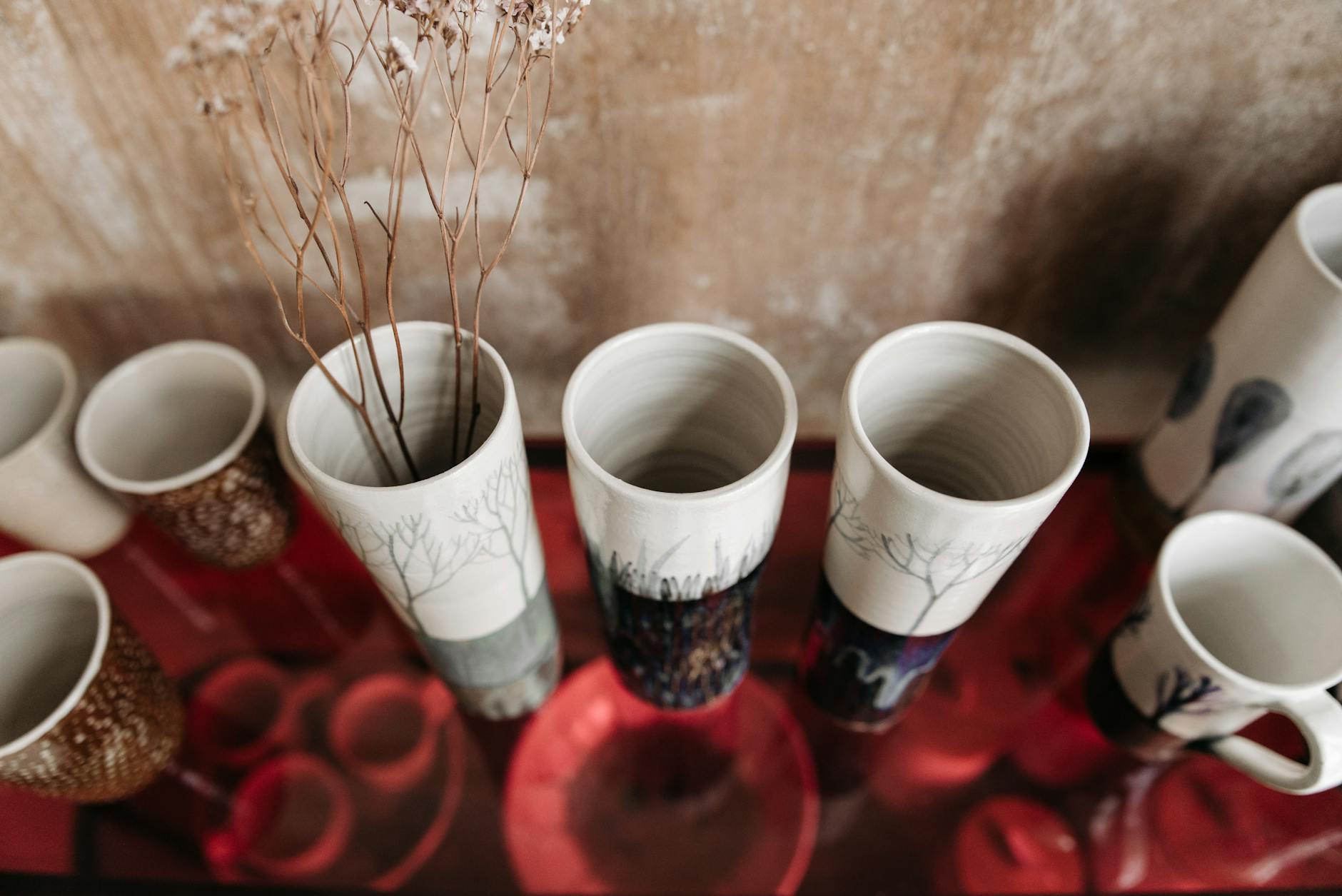
As the shift towards minimalism and intentional living gains traction, many people are opting for fewer but more meaningful possessions. In this context, modern heirlooms emerge as a practical and emotional antidote to the throwaway culture that prevails today. Each piece is imbued with significance, not only enhancing the aesthetics of a space but also fostering a deeper connection between the inhabitants and their surroundings.
The Role of Craftsmanship in Modern Heirloom Design
One of the defining features of modern heirlooms is the emphasis on craftsmanship. In a world dominated by machine-made products, there is a growing appreciation for items that are handcrafted with skill and passion. Artisans who dedicate their lives to perfecting their craft infuse each piece with a story and a sense of authenticity. This revival of craftsmanship aligns with a broader trend towards sustainability and ethical consumerism, as buyers become increasingly aware of the impact of their purchasing decisions on the environment and society.
From bespoke furniture to artisanal ceramics, the value of modern heirlooms lies in their uniqueness. They can serve as focal points in a room or as subtle accents that complement a larger design scheme. Consider a hand-carved wooden table that not only functions as a dining space but also serves as a conversation starter, inviting guests to learn about the artisan behind its creation. Such pieces enrich interiors while nurturing a sense of belonging and heritage.
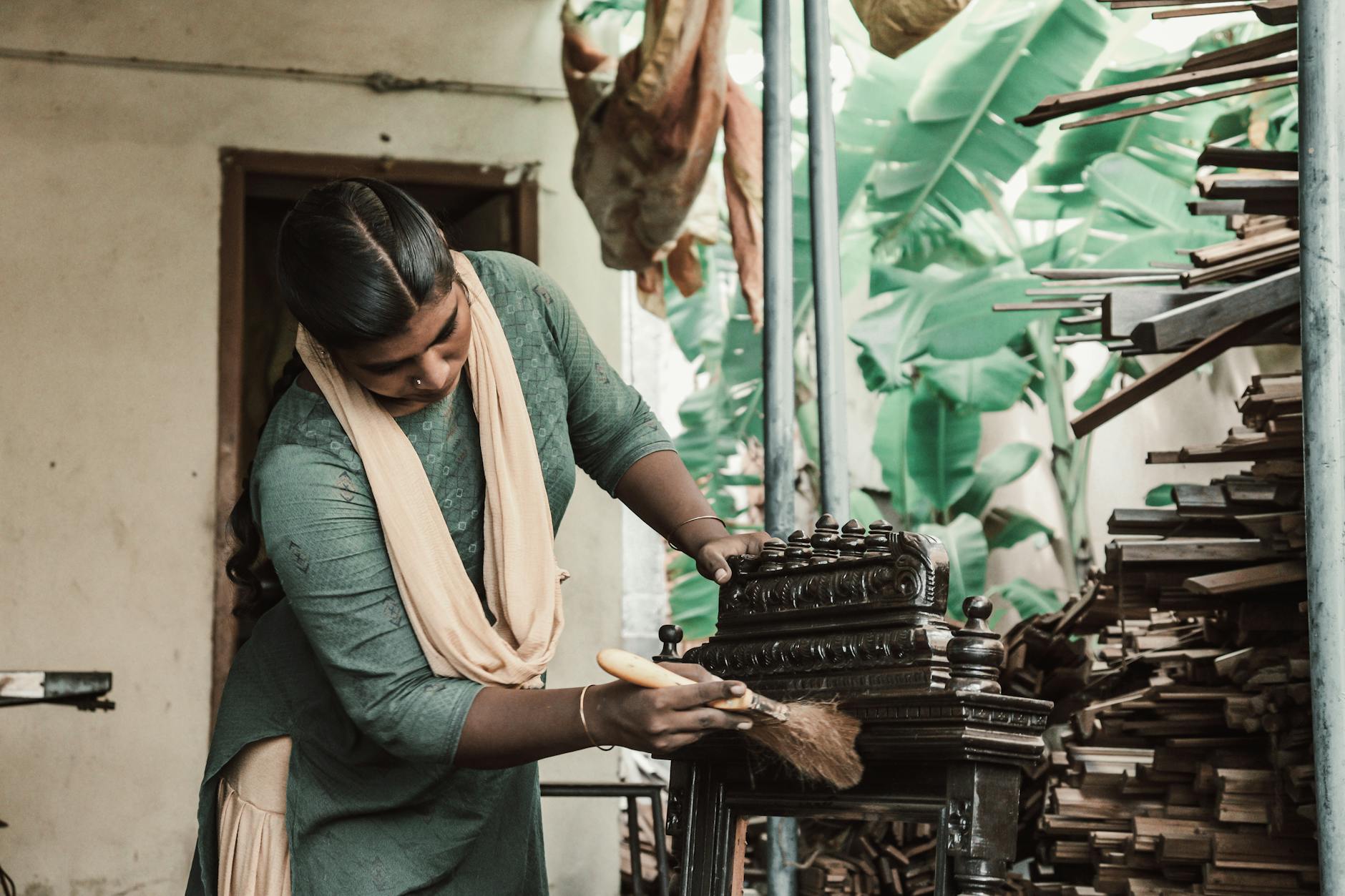
Moreover, the rise of e-commerce platforms and social media has made it easier for artisans to connect with consumers seeking one-of-a-kind pieces. Through online marketplaces, buyers can discover unique creations that resonate with their aesthetic preferences, allowing for a more personalized approach to interior design. Shopping for modern heirlooms has become an experience, as individuals seek to curate spaces that reflect their values and identities.
Emotional and Cultural Connections
Modern heirlooms do not just occupy physical space; they carry emotional weight and cultural significance. Items that hold personal stories foster a sense of continuity and identity within families and communities. For example, a handcrafted quilt made by a grandparent could evoke cherished memories, representing love and tradition. Such pieces become channels through which stories are passed down, bridging generations and reinforcing familial bonds.
In addition to personal narratives, modern heirlooms often reflect cultural histories. Artifacts that showcase local craftsmanship or traditional techniques offer a glimpse into the values and practices of distinct communities. Incorporating these pieces into one’s home can create a tapestry of cultural appreciation, honoring heritage while contributing to contemporary design. This conscientious approach to decor not only elevates aesthetics but also celebrates diversity and promotes understanding.
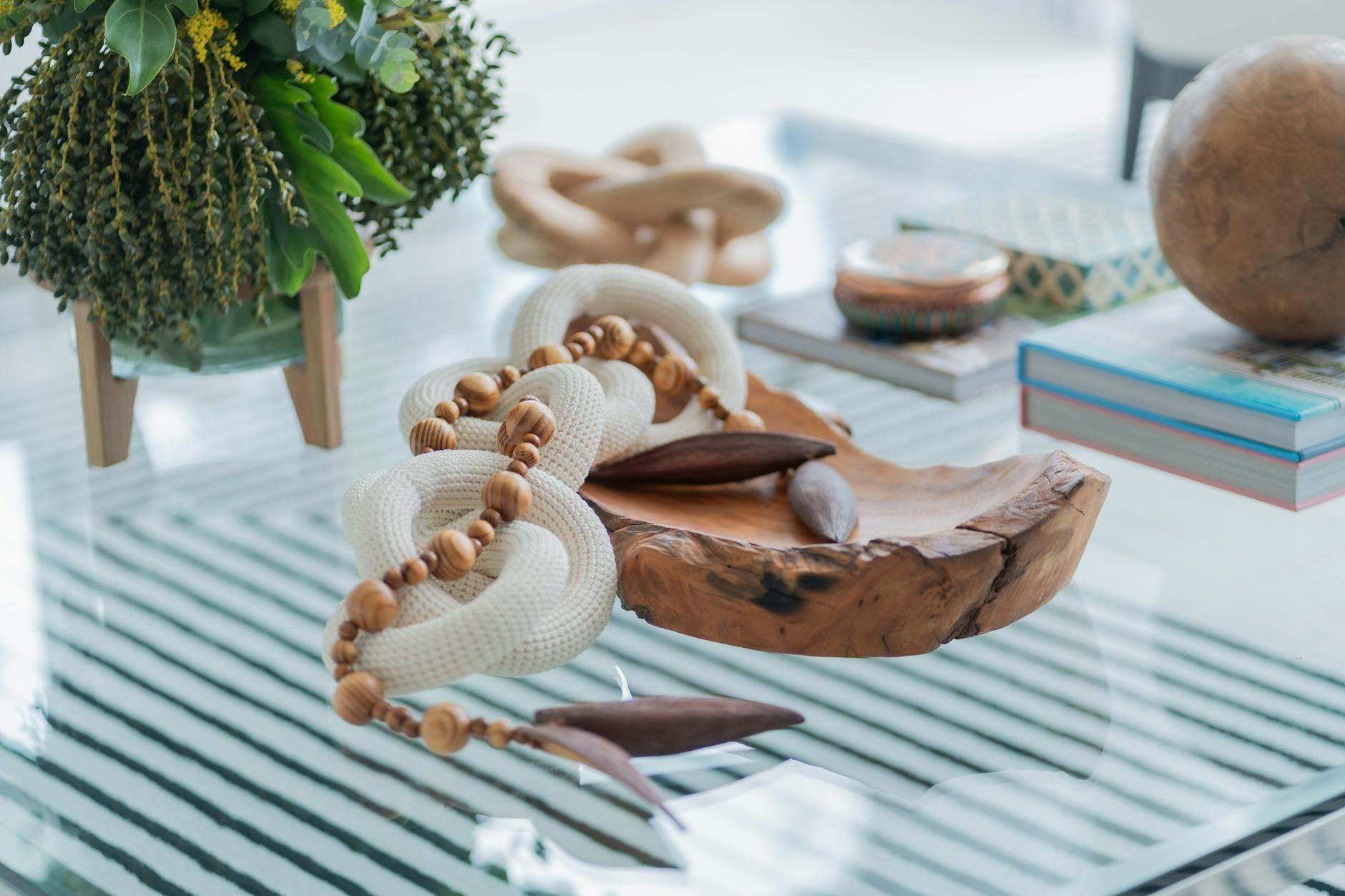
As the relevance of modern heirlooms increases, interior designers are embracing this ethos, encouraging clients to invest in items with histories and stories. In doing so, they help cultivate spaces that resonate on an emotional level, transforming houses into homes where memories are honored, and history is cherished.
The Intersection of Sustainability and Modern Heirlooms
As concern for the environment grows, the sustainability movement is deeply intertwined with the rise of modern heirlooms. Consumers are becoming more discerning, opting for quality over quantity. This trend is reflected in the growing demand for sustainable materials and ethically sourced products. Modern heirlooms symbolize a commitment to preserving the planet, as they are often crafted using eco-friendly methods and materials that are less harmful than their mass-produced counterparts.
Investing in heirloom-quality items challenges the disposable culture that has dominated consumer behavior for decades. Instead of replacing furniture or decor every few years, the focus shifts to acquiring pieces that are made to last. This not only minimizes waste but also encourages a mindset of appreciation for craftsmanship and design. Consumers begin to view their possessions as investments rather than temporary fixes, creating a more sustainable cycle of consumption.
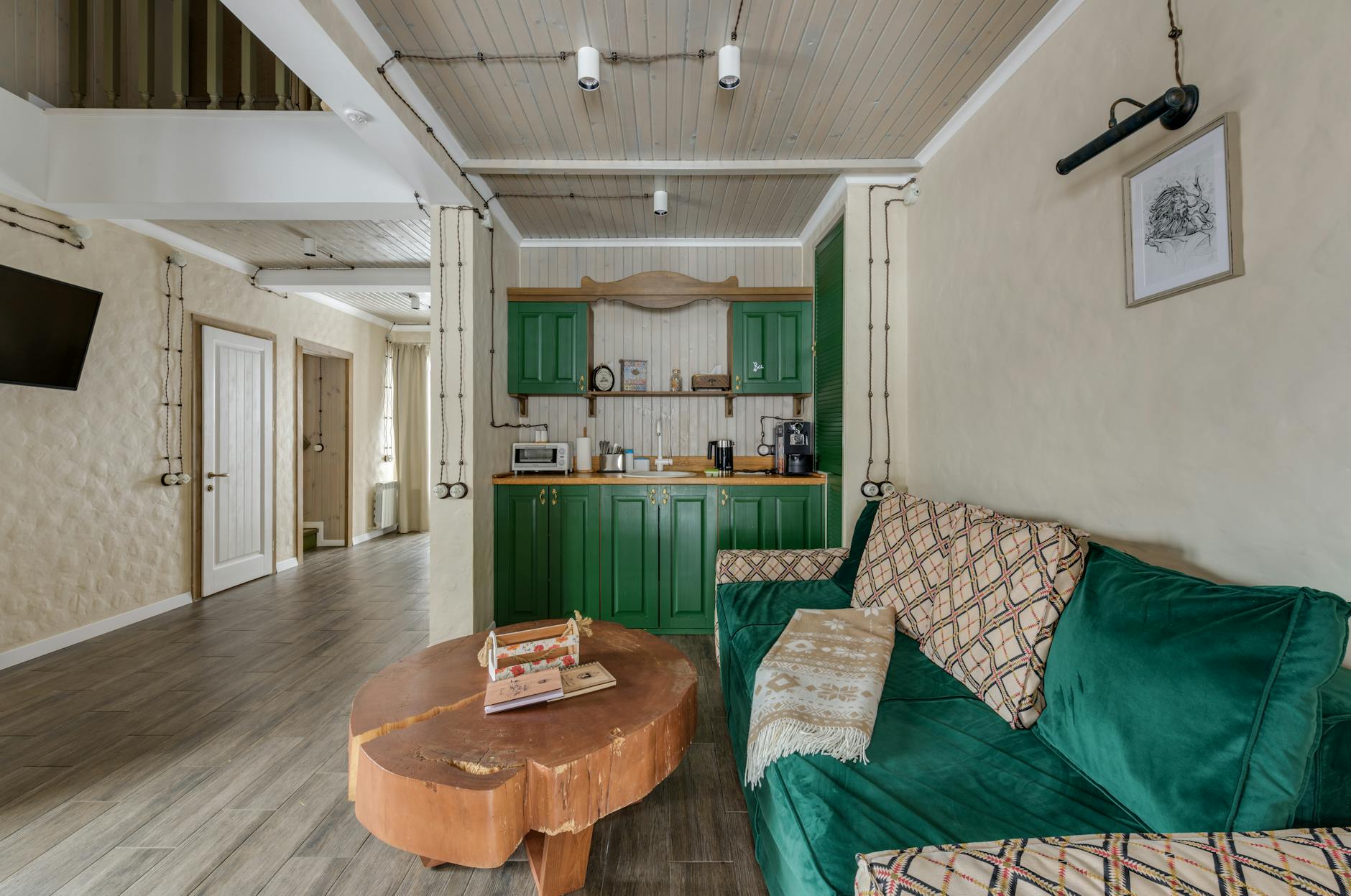
Furthermore, many artisans are adopting practices that emphasize slow production and local sourcing. By supporting these creators, consumers can play a role in revitalizing local economies and preserving traditional skills. This not only enriches the individual’s living space but contributes to a greater narrative of sustainability and responsibility. Ultimately, modern heirlooms emerge as not just decor, but as a part of a holistic approach to living harmoniously with the environment.
Curating Your Own Modern Heirlooms
The journey to curate a collection of modern heirlooms begins with intentionality. Homeowners should reflect on what stories they want to tell through their decor and how each piece can contribute to that narrative. This process involves exploring local artisan markets, attending craft fairs, and researching makers who resonate with one’s aesthetic and values. Investing time in selecting each item allows for a deeper connection to the pieces that fill one’s living space.
In addition to purchasing modern heirlooms, individuals can also create their own. Engaging in DIY projects or collaborating with local artisans to design custom pieces can deepen the emotional connection to home decor. Whether it’s a handcrafted piece of furniture, a custom painting, or even a family heirloom restored with a personal touch, these creations carry the essence of their makers, embedding personal stories within the home.
As homeowners thoughtfully incorporate modern heirlooms, they contribute to a larger narrative of sustainability, craftsmanship, and cultural connection. Each piece becomes a bridge between generations, a testament to the resilience of quality over quantity, and a celebration of the stories that define us.
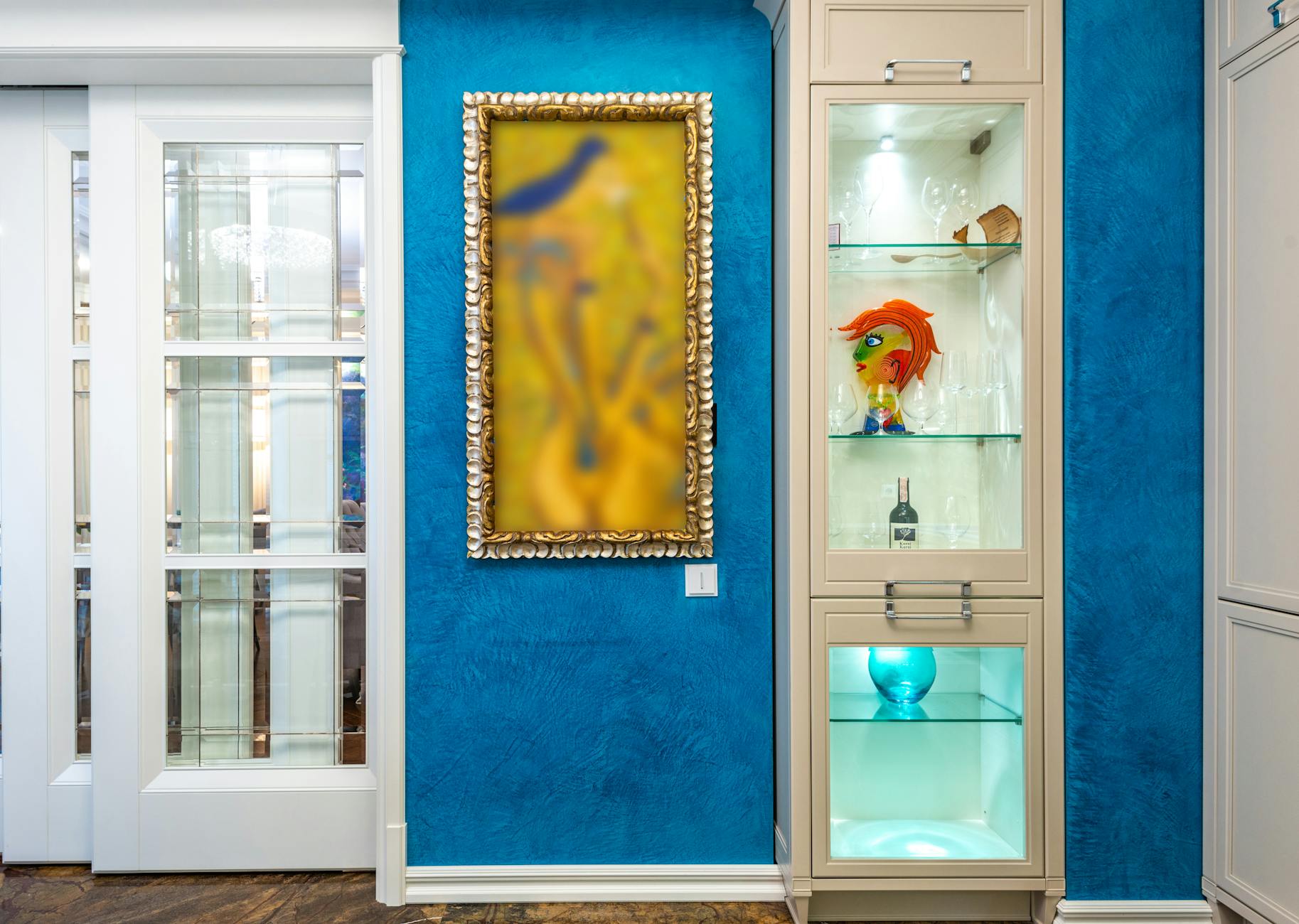
The rise of modern heirlooms represents more than just a design trend; it signifies a cultural shift towards valuing meaningful, sustainable, and artisan-made items that resonate with personal narratives. By embracing this movement, individuals not only enhance their living spaces but also cultivate connections that bridge time and place, transforming their homes into sanctuaries of stories and treasured memories.
