
In a world increasingly driven by modern aesthetics and rapid change, the significance of heritage in shaping brand identity has never been more relevant. Within the realm of interior design, heritage is not just a testament to the past; it offers a rich tapestry from which brands can draw inspiration. This article explores the myriad ways heritage influences brand identity, accentuates uniqueness, and creates lasting connections with consumers.
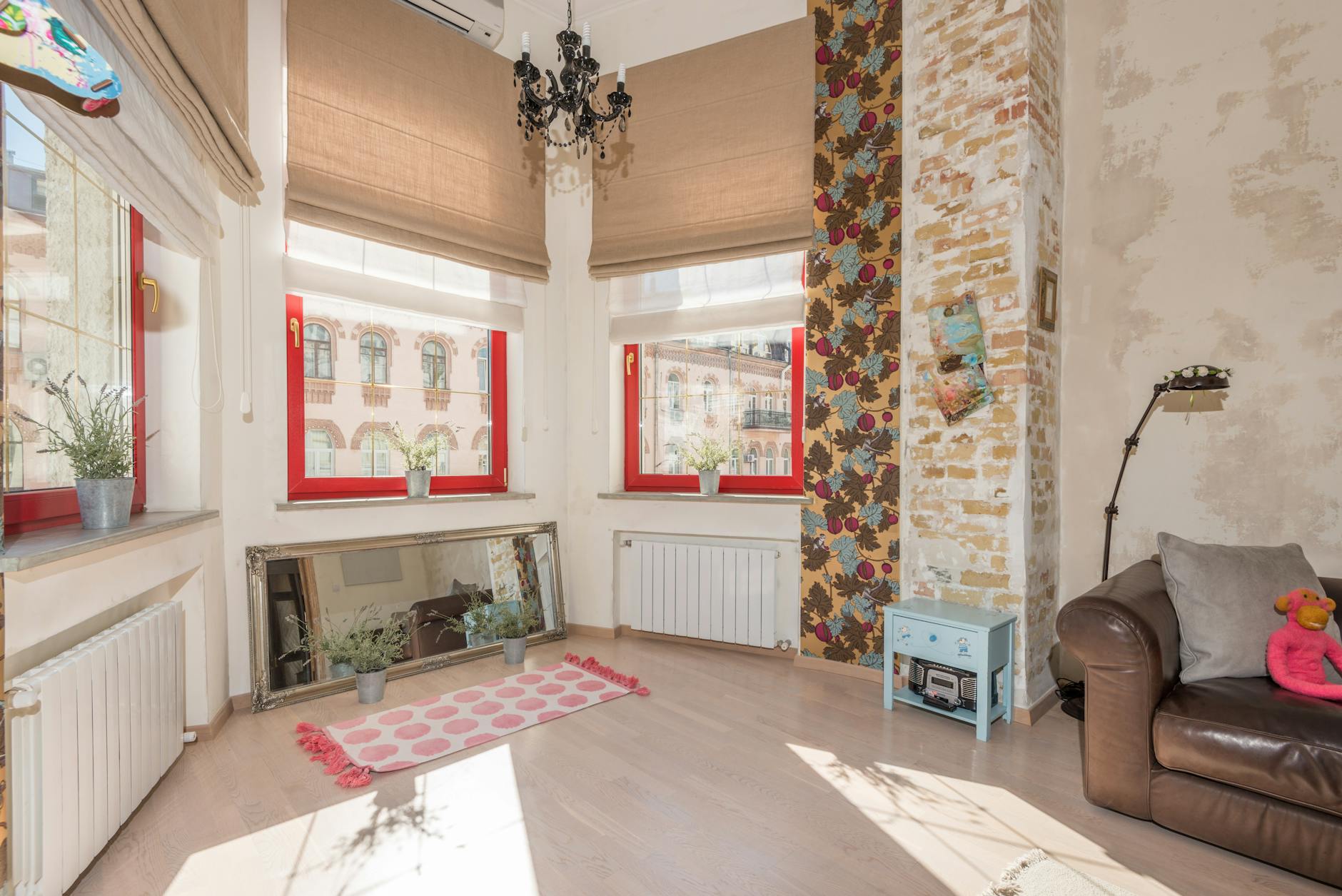
The Essence of Heritage in Design
Heritage encompasses a broad spectrum of cultural, historical, and personal narratives that influence design choices. It serves as a reminder of what has come before, often infusing modern practices with depth and authenticity. For interior design brands, tapping into cultural heritage means weaving local traditions, indigenous materials, and time-honored crafting techniques into their identity. By doing so, brands not only distinguish themselves in a crowded market but also resonate emotionally with their audience.
Take, for instance, the revival of Art Deco style in contemporary hotels and restaurants. These spaces seek to capture the glamour and elegance of the early 20th century, drawing on the rich architectural vocabulary of a bygone era. Brands that embrace this heritage are often perceived as more authentic, fostering a deeper connection with their clientele. The nostalgia evoked through design can significantly enhance customer experience, create lasting impressions, and even encourage repeat visits.

Cultural Stories: Crafting Unique Narratives
Every brand has a story, and heritage can be the backbone of that narrative. For designers and brands, crafting a unique identity founded on cultural heritage provides an opportunity to reflect the values and aspirations of their target audience. This is evident in brands that seek to revive artisanal techniques passed down through generations, celebrating craftsmanship in a world dominated by mass production.
Consider how Scandinavian brands incorporate minimalism and functionality into their designs while also respecting and showcasing local craft traditions. Furniture designers like Hans J. Wegner and Alvar Aalto drew upon historical contexts and regional materials, integrating them into their work, creating timeless pieces that resonate even today. Such designs not only sell products but also offer a glimpse into the cultural tapestry of the region, fostering a sense of belonging and pride in customers.
Modern Interpretations of Heritage
The challenge for contemporary designers is to reinterpret heritage in a manner that feels relevant today. This process often means blending historical elements with modern technology and sustainable practices. For example, a brand may opt to utilize reclaimed wood in furniture designs, not only echoing traditional craftsmanship but also addressing modern concerns about sustainability. This fusion creates a new identity steeped in heritage while remaining grounded in current issues.
Similarly, brands can evoke heritage through color palettes, patterns, or textures that reference specific eras or cultural motifs. A textile company might use patterns derived from traditional weaving techniques, adapting them into contemporary home furnishings. This approach not only showcases the history of the craft but also allows for innovation and contemporary relevance, appealing to a broader audience.
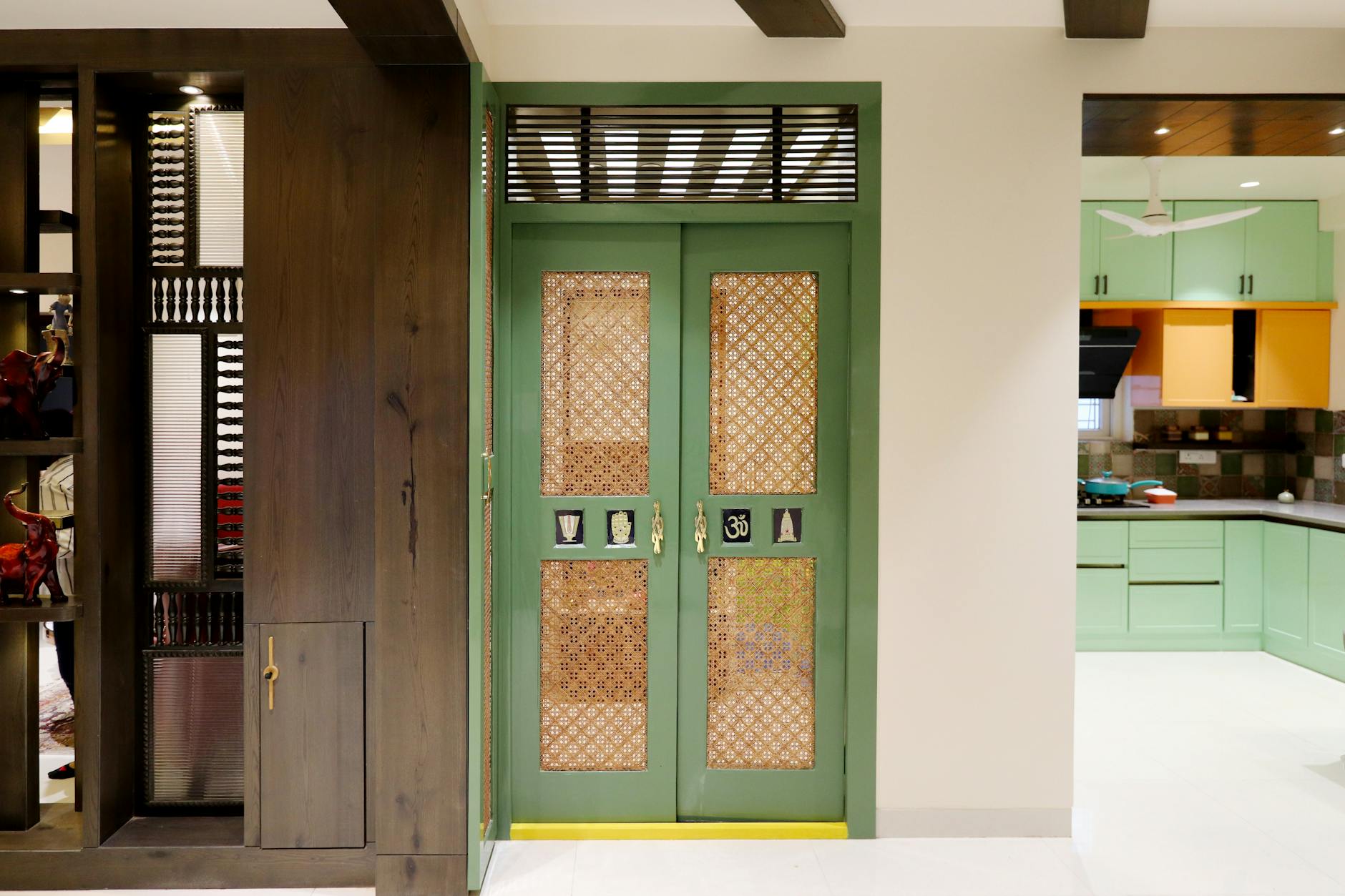
Building Authentic Connections with Consumers
In an age where consumer preferences are increasingly leaning towards authenticity and transparency, brands that embrace their heritage can create meaningful connections with their audience. By sharing the stories behind their designs, brands not only engage customers but also invite them to be part of a larger narrative. This transparently fosters trust and loyalty, qualities that are invaluable in today’s marketplace.
Take, for example, brands like Muji, which leverage simple design and transparency about their sourcing practices as part of their heritage narrative. By emphasizing their origins and methodology, they build a bridge between the product and the consumer, transforming mere transactions into shared values and experiences. Customers feel more inclined to support brands that reflect their own values, often leading to brand loyalty that extends beyond a single purchase.
The Future of Heritage in Interior Design
With the rise of globalism and technology, the landscape of interior design is continuously evolving. However, heritage will remain a significant pillar in shaping brand identity. As consumers increasingly seek brands that reflect their values, the integration of heritage into design narratives can serve as a guiding compass. The future will likely see a deeper exploration of cultural histories and identities, allowing brands to create not just products, but experiences that are rich in storytelling.
Moreover, as sustainability continues to shape consumer choices, brands that incorporate heritage in eco-friendly ways will likely thrive. By highlighting traditional practices and materials, brands can appeal to an environmentally conscious demographic that appreciates both the artistry of craftsmanship and the necessity of sustainability.
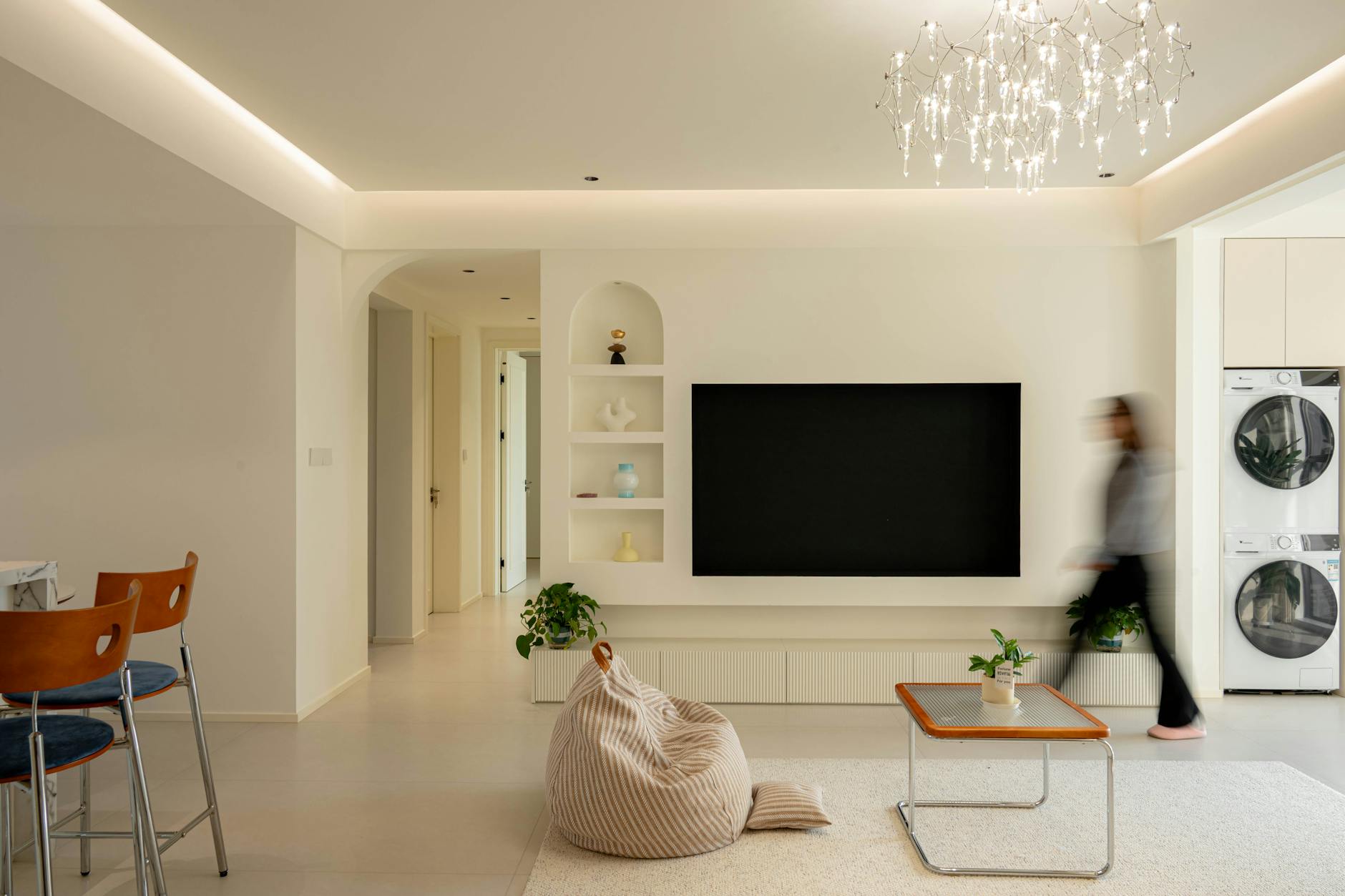
In conclusion, the relationship between heritage and brand identity in interior design is a dynamic interplay that enriches the consumer experience. By valuing the past while innovating for the future, brands can establish authentic connections with their audience, promoting not just products but also a sense of belonging and identity. As we move forward, those who embrace their heritage will undoubtedly stand out in a crowded industry, crafting not just spaces, but stories that endure.
