
In our increasingly interconnected world, balancing social life and personal time can be a daunting task. Many individuals find themselves overwhelmed by the demands of work, family, and social commitments, all while trying to carve out moments of solitude for themselves. The essence of finding this balance often lies not just in time management but also in how we design our living spaces. A well-thought-out environment can significantly impact our ability to enjoy social interactions while also providing the sanctuary we need for personal reflection and relaxation.
Creating Inviting Social Spaces
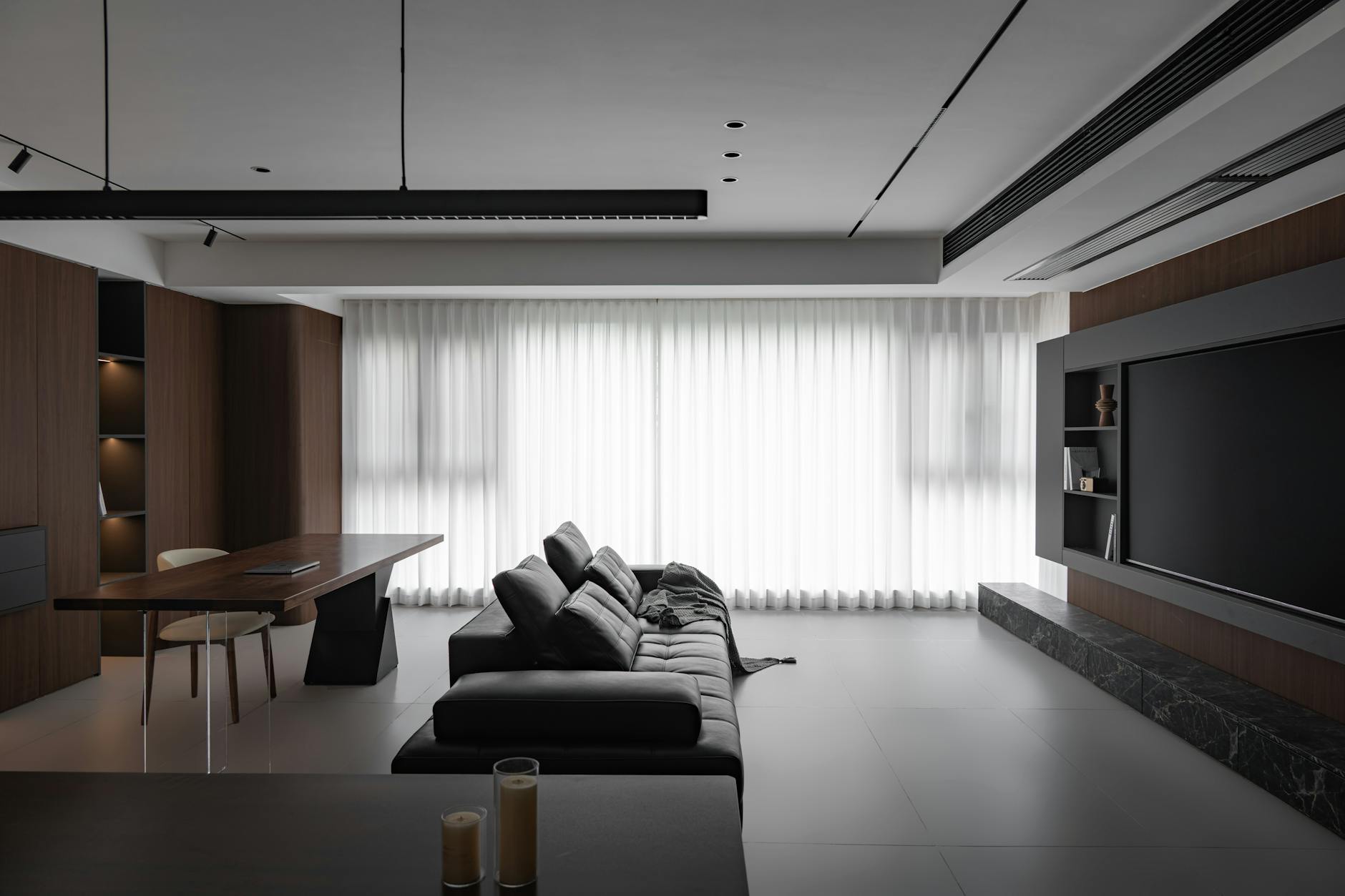
The first step in nurturing a balanced lifestyle is to create spaces that encourage social interaction. Living rooms, kitchens, and outdoor areas should foster connection. Open floor plans are a popular choice, allowing for easy movement and conversation flow. Consider a circular seating arrangement in your living room. This layout promotes inclusivity and conversation, making it easier for guests to engage with one another.
Incorporating versatile furniture can also help. Opt for pieces that can be easily rearranged or transformed for different social activities—think ottomans that can be used as seating or side tables that can double as serving carts. This flexibility allows you to adapt your space based on the occasion and the number of guests, ensuring that your home is always ready to welcome friends and family.
Another key element in designing social spaces is lighting. Natural light enhances the ambiance of your home, making it more inviting. For evening gatherings, consider ambient lighting solutions like dimmable overhead lights, wall sconces, or floor lamps that create a warm glow. Layering your lighting adds depth and invites people to linger in your space. When designing your home, think about how these elements can work together to create an engaging atmosphere.

Designing for Solitude and Relaxation
While social spaces are vital, creating areas for solitude is equally important. Personal time is essential for mental clarity and emotional rejuvenation. A dedicated workspace, reading nook, or quiet corner can serve as a retreat from the bustling activities of social life. Choose a location in your home that is away from high-traffic areas, ensuring you can truly disconnect.
Incorporating calming colors and textures can make these spaces feel more inviting. Soft blues and greens, along with natural materials like wood and linen, create a serene environment conducive to relaxation. Personal touches, such as artwork or photographs that inspire you, can enhance the sense of belonging and comfort in these spaces.
The furniture you choose is also crucial. A comfortable chair or a chaise lounge can make all the difference; invest in pieces that invite you to sit down with a book or relax with some music. Ensure you have adequate storage for your reading materials, hobby supplies, or anything that aids in your personal downtime, so these spaces remain uncluttered and inviting.
Integrating Social and Personal Spaces
Achieving harmony between social life and personal time requires a thoughtful blend of both environments. You don’t have to create completely separate areas for socializing and solitude; rather, consider integrating elements of both into your design. Multi-functional spaces can serve dual purposes effectively, allowing for interaction at one moment and personal time the next.
For instance, a home office can be arranged to encourage collaborative projects with friends or family, while still providing a quiet zone when it’s crucial to focus. Using a room divider or decorative screen can help establish a boundary when needed. This flexibility is essential for individuals who thrive on social interaction yet require personal time to recharge.
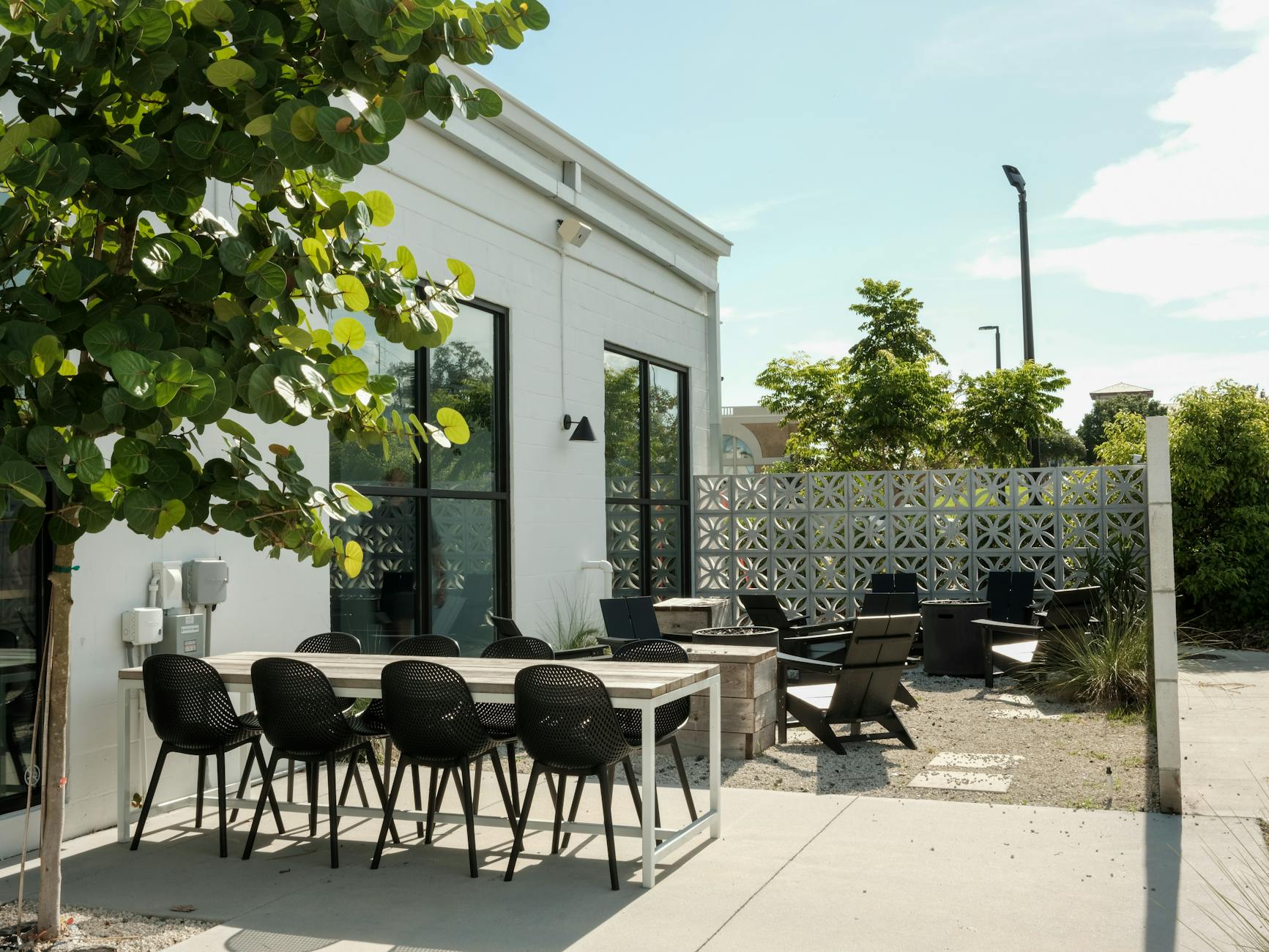
Another example is outdoor spaces. A patio or garden can be designed to accommodate lively gatherings while also allowing for quiet reflection. Elements such as cozy seating, lush greenery, and ambient lighting can create an inviting atmosphere for entertaining, but they also provide a tranquil retreat for moments of solitude. Merging these aspects can lead to a fulfilling lifestyle that balances social engagements with personal needs.
Establishing Routines That Honor Both Aspects
Beyond the physical environment, establishing routines can help maintain balance. Setting aside specific times for social activities can prevent them from encroaching on personal time. For example, designating one evening a week for friends or family can provide structure and something to look forward to, freeing up the rest of your week for self-care or hobbies.
Incorporating technology can also support this balance. Utilizing calendar apps to schedule time for both social events and personal activities can ensure that neither aspect is neglected. Notifications can act as gentle reminders to check in with yourself, encouraging you to engage in activities that recharge your spirit.
Moreover, engaging in activities that promote mindfulness—such as yoga or journaling—can help cultivate a sense of balance within your daily routine. By intentionally carving out moments for introspection and relaxation, you’re not only improving your quality of life but also enhancing the quality of social interactions when they occur. When you are well-rested and mentally clear, your connections with others flourish.
The Impact of Balance on Well-being
Achieving a balance between social life and personal time significantly impacts overall well-being. Social interactions are vital for emotional health, providing support systems and a sense of belonging. However, neglecting personal time can lead to burnout and stress. By creating a harmonious living environment that accommodates both facets, you are setting the stage for a fulfilling life.
Studies reveal that individuals who maintain a healthy balance between socializing and solitude report higher levels of happiness and lower levels of stress. This balance fosters not just personal wellness but also enhances relationships with others. When you allow yourself the space to recharge, you can engage more fully and meaningfully during social interactions. A well-designed home can serve as a catalyst for this balance, providing both lively social hubs and personal sanctuaries.
Ultimately, the journey to balance is an ongoing process that requires attention to both your environment and your routines. By thoughtfully designing your space and establishing dynamic routines, you create an atmosphere where both social connections and personal reflection can thrive harmoniously.
