
Confidence is a crucial element in everyday life, influencing how we interact with others, make decisions, and present ourselves. For many, building self-confidence can feel like a monumental task, particularly in social situations. However, much like creating an inviting space in your home, cultivating confidence is about layering small elements to achieve a harmonious and assured presence in various situations. This article explores practical strategies to build confidence in everyday interactions while offering tips on how to design environments that support and foster this essential trait.

Understanding the Foundations of Confidence
Confidence isn’t merely the absence of self-doubt; it is a belief in one’s abilities and the skill to navigate various life situations. At its core, confidence is derived from self-awareness and understanding one’s strengths and weaknesses. Just like a well-designed room that reflects the personality and preferences of its inhabitant, self-confidence should be an authentic representation of who you are.
Begin by identifying your strengths. Make a list of your accomplishments, talents, and experiences that have contributed to your growth. Similarly, when staging a room, it’s essential to highlight its best features. An honest assessment of what you excel in can form the bedrock of your self-belief. Additionally, awareness of your weaknesses allows you to approach challenges with a more constructive mindset, making it easier to seek help or develop new skills.
Another foundational aspect of confidence building is your mindset. A positive outlook can transform not only your perception of yourself but also how others perceive you. It’s crucial to practice gratitude and positive affirmations regularly. Surrounding yourself with supportive, uplifting individuals is akin to choosing decor that makes you feel at home; the right environment can elevate your spirit and enhance your confidence.

Creating a Supportive Environment
Your physical surroundings can significantly impact your confidence levels. Just as you would curate your home to reflect your style and provide comfort, consider how to design a personal environment that fosters confidence. Start with decluttering; a clean and organized physical space can provide clarity and promote positive energy. Eliminate distractions and create a dedicated area where you can engage in self-improvement activities or practice affirmations without interruptions.
Incorporate elements that inspire you. This could be artwork that resonates with your aspirations or books that empower you. Design a confidence corner in your room, adorned with items that remind you of your achievements, goals, and personal growth. The act of creating this space itself can serve as a daily reminder of your capabilities, much like a well-decorated shelf that holds cherished memories.
Lighting also plays a vital role in shaping our emotions. Natural light is known to elevate mood, so maximize daylight in your space. If a room feels dark or constricted, consider adding mirrors to create an illusion of openness, thereby symbolizing the vast potential you possess. Spaces filled with light and warmth are conducive to positive thinking—an essential component of building confidence.
Practical Strategies for Everyday Confidence
Beyond the physical environment, there are numerous actionable strategies to boost confidence in everyday situations. One effective method is to practice role-playing. This approach can help prepare you for various scenarios, whether it’s a job interview, a public speaking engagement, or a social gathering. By rehearsing what you want to say and how you’ll present yourself, you can reduce anxiety and increase your sense of readiness.
Moreover, setting realistic goals can pave the way for a confidence boost. Begin with small tasks that allow you to build momentum. Each completed task serves as a stepping stone, reinforcing your ability to achieve larger goals. Celebrate these accomplishments as you would an interior makeover; each little change contributes to a significant transformation in your confidence levels. When you see progress, you cultivate a sense of achievement that fuels future endeavors.
Additionally, engage in activities that push you out of your comfort zone. This could be as simple as initiating a conversation with a stranger or taking on a new challenge in your professional life. Each time you step outside your comfort zone, it expands, allowing you to tackle increasingly challenging situations. Think of it as experimenting with bold colors or unique furniture in a room; sometimes it takes a little risk to create an inviting and inspiring environment.
The Role of Body Language in Confidence
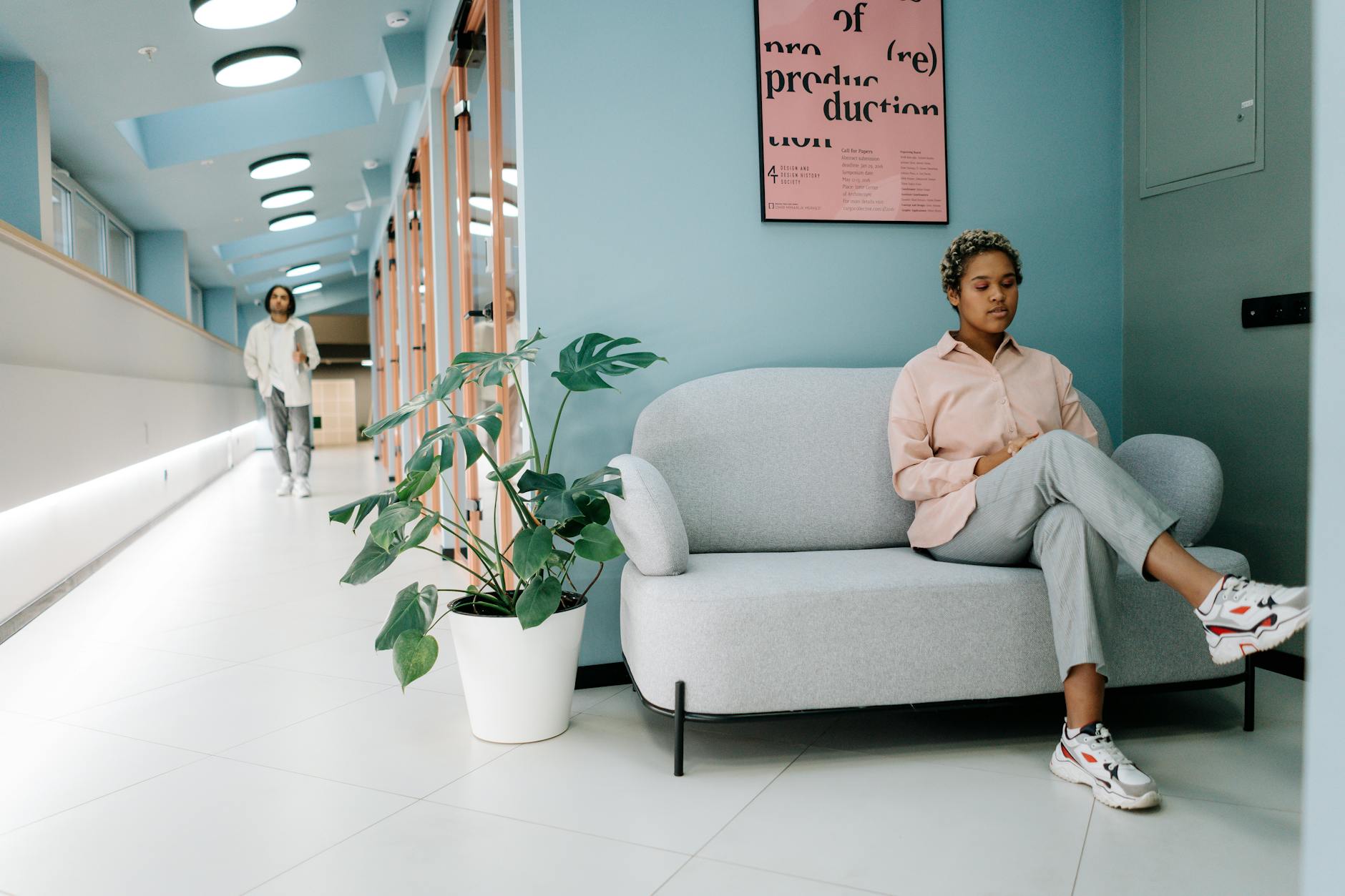
Body language serves as a powerful tool for conveying confidence, often even more than words. In social situations, how you carry yourself can speak volumes about your self-assurance. Practice maintaining an open posture—standing tall, with shoulders back and head held high. This not only projects confidence to others but can also trick your brain into feeling more self-assured. Just like how the right furniture arrangement can enhance the flow of a room, your physical stance can influence your interactions.
Furthermore, make eye contact during conversations. This simple yet impactful gesture expresses attentiveness and self-confidence. Engage your audience with nods and smiles, reinforcing your engagement and sincerity. As with creating an inviting atmosphere that encourages social interaction, positive body language invites others to connect with you on a deeper level.
Additionally, consider your vocal delivery. Speaking clearly and at a moderate pace not only enhances comprehension but also adds authority to your message. Practicing in front of a mirror or recording your voice can help you refine your delivery and build confidence in your verbal communication skills. Just as an expertly designed space can captivate visitors, your confident voice can captivate and engage those around you.
Integrating Reflection and Mindfulness
Building confidence is not just about outward appearances; it is also deeply rooted in introspection and self-reflection. Taking time to reflect allows you to recognize and address any limiting beliefs that may be hindering your self-esteem. Mindfulness practices, such as meditation or journaling, can offer insight into your thoughts and feelings, helping you to manage stress and remain present in social situations.
Start a reflection routine where you jot down your experiences and emotions after significant interactions. Analyze what went well and what you could improve upon. This practice will not only clarify your thoughts but also empower you to take actionable steps toward enhancing your confidence. Creating a space dedicated to reflection, such as a cozy nook in your home with a comfortable chair and calming decor, can further reinforce your commitment to personal growth.
Remember, the journey to building confidence is ongoing. Just like maintaining a well-designed space requires regular attention, so too does fostering self-assurance. Be patient with yourself as you navigate this process, and celebrate the small victories along the way. Every step you take toward self-improvement is a step toward a more confident, vibrant version of yourself.
By intertwining thoughtful design elements with practical confidence-building strategies, you can create a holistic approach to enhancing your self-esteem in everyday situations. The convergence of inner and outer environments can lead to a more confident, empowered you.
