
The world of interior design is rich and vibrant, populated by enthusiasts who are not just consumers, but curators of culture. Among them are collectors and patrons—individuals whose unique tastes and financial support help shape the trajectory of artistic expression and design. This article delves into the fascinating realm of these collectors and patrons, exploring their motivations, the impact they have on the design industry, and how their personal spaces reflect their passions.
The Motivation Behind Collecting: More Than Just Aesthetic Appeal
Collectors often begin their journeys with a deep-seated passion for art, history, or design. This passion can be traced back to various influences such as family heirlooms, cultural roots, or even memorable travels. For many, collecting becomes an avenue to preserve stories and legacies. They might seek out works that resonate with them personally, whether it’s a vintage chair that reminds them of their childhood home or a contemporary piece that encapsulates a modern aesthetic they admire.
The drive to collect is not merely about acquiring beautiful objects. It can often be an intellectual pursuit, a way to engage with history or the contemporary dialogue surrounding design. Collectors become knowledgeable about periods, materials, and techniques, sometimes even becoming experts in a specific genre or style. This expertise allows them to develop a discerning eye, enabling them to appreciate the nuances that differentiate a well-crafted piece from a mass-produced item.
The Role of Patrons: Supporting Innovation in Design
Patrons of the arts and design play a pivotal role in the ecosystem of creativity. Unlike collectors who might focus on personal acquisition, patrons often invest in projects that elevate the entire industry. They might fund emerging artists, sponsor exhibitions, or support design schools. Through their financial contributions, they empower creatives to push boundaries and explore innovative concepts that might not otherwise find a platform.
Moreover, patrons often serve as mentors and connectors within the field. By introducing designers to potential clients and other stakeholders, they help facilitate collaborations that can lead to groundbreaking work. This symbiotic relationship bolsters the creative community, ensuring a steady flow of fresh ideas and perspectives. For instance, a patron’s endorsement can elevate a little-known designer to prominence, enhancing their visibility and allowing their work to reach a wider audience.

Transforming Spaces: The Influence of Collectors and Patrons
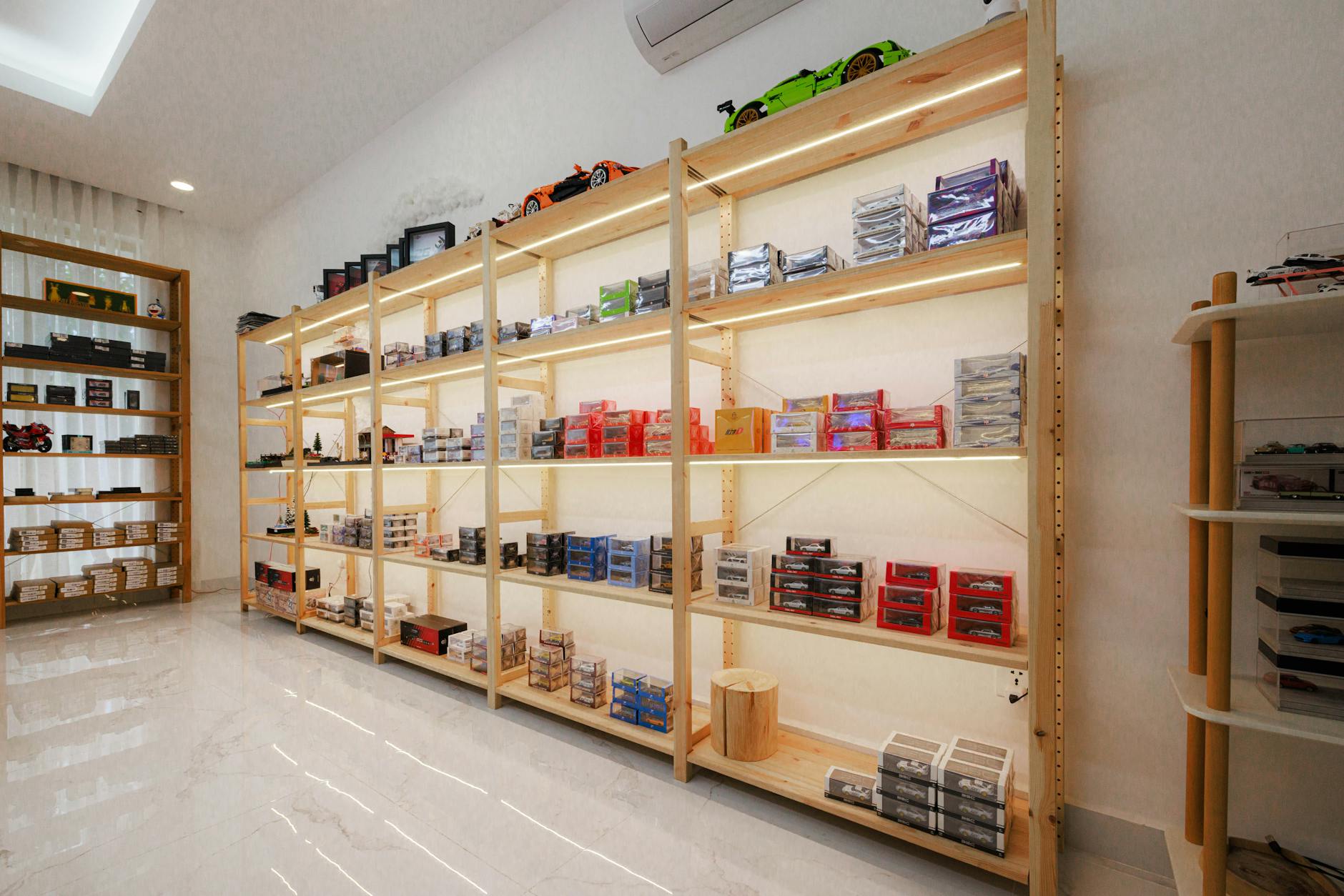
The impact of collectors and patrons extends beyond the studio or gallery into the very spaces in which they live. In many cases, collectors curate their homes as living exhibitions of their passions. Every item tells a story, creating a narrative that reflects their journey through design and artistry. The careful arrangement of artworks, furniture, and decor creates an immersive environment that is as much about personal identity as it is about aesthetics.
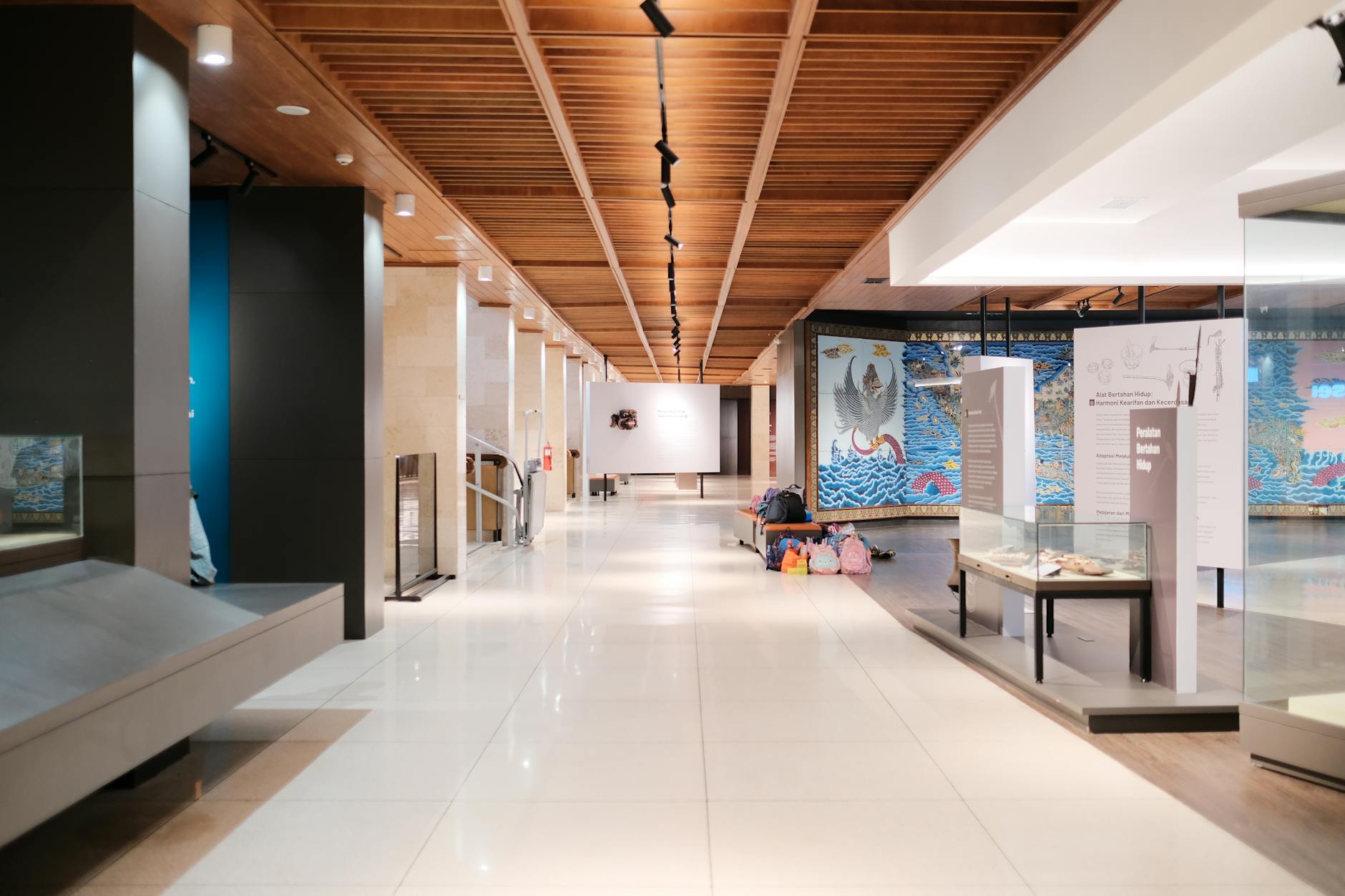
These curated spaces often serve as conversation starters, inviting guests to engage with the artwork, ask questions, and share in the collector’s enthusiasm. This dialogue not only enriches the social experience but also fosters a deeper appreciation for design. In some cases, collectors may even open their homes to the public, transforming private collections into exhibition spaces that enhance community engagement and cultural discourse.
Patrons, too, have a profound influence on design spaces, particularly when they invest in public art installations or community projects. By funding parks, sculptures, or community centers, these patrons shape the collective experience of place, enhancing not just the visual landscape but also the emotional and cultural fabric of a community. The very act of supporting these projects sends a message about the value of artistry in everyday life.
Challenges Faced by Collectors and Patrons
Despite their significant contributions, collectors and patrons face a myriad of challenges in the dynamic world of design. The market for art and design can be fickle, influenced by trends, economic factors, and even societal shifts. A collector may find that a piece they once viewed as highly valuable suddenly loses its appeal, leading to potential financial loss. Moreover, the emotional weight associated with parting from beloved items can be a difficult hurdle for collectors to navigate.
Patrons often encounter hurdles related to the sustainability of their investments. Funding a project or artist is risky; there’s always the possibility that the initiative might not yield the desired impact. Patrons must balance their generosity with strategic decision-making, ensuring that their contributions are not only supportive but also effectively used to create lasting change. This requires a deep understanding of the creative landscape, as well as the ability to navigate complex relationships with artists and institutions.
Furthermore, as both collectors and patrons engage more deeply with the design community, they often find themselves facing ethical questions. Issues such as cultural appropriation, provenance, and the role of commerce in art can complicate their relationships with the objects they love and the creators behind them. With increased awareness comes responsibility, requiring collectors and patrons to approach their collecting practices with a nuanced perspective.
Looking Forward: The Future of Collecting and Patronage in Interior Design
As the world of interior design continues to evolve, so too will the roles of collectors and patrons. The rise of digital platforms has transformed how collectors discover and acquire works, making it easier than ever to access global markets. Virtual exhibitions and online auctions allow collectors to engage with artists from around the world, expanding their horizons beyond local galleries.
Similarly, patrons are increasingly turning to innovative models of support. Crowdfunding initiatives and collaborative projects have emerged, allowing multiple contributors to come together for a common cause. This democratization of patronage empowers not only wealthy individuals but also those with a keen interest in supporting the arts, fostering a more inclusive environment for creativity to thrive.
Ultimately, the relationship between collectors, patrons, and the broader design community is one of partnership and mutual benefit. As each party navigates the complexities of design, they contribute to an ever-expanding narrative of creativity, innovation, and cultural significance. The world of interior design is not merely a marketplace but a thriving ecosystem, enriched by the passion and dedication of those who dare to collect and support.
