
Castles have long captivated our imaginations, representing a blend of history, architecture, and romance. From medieval fortresses to luxurious palaces, these structures reflect the cultures and stories of the regions they inhabit. This article will take you on a journey to some of the most beautiful castles around the globe, each steeped in its own unique history and allure.
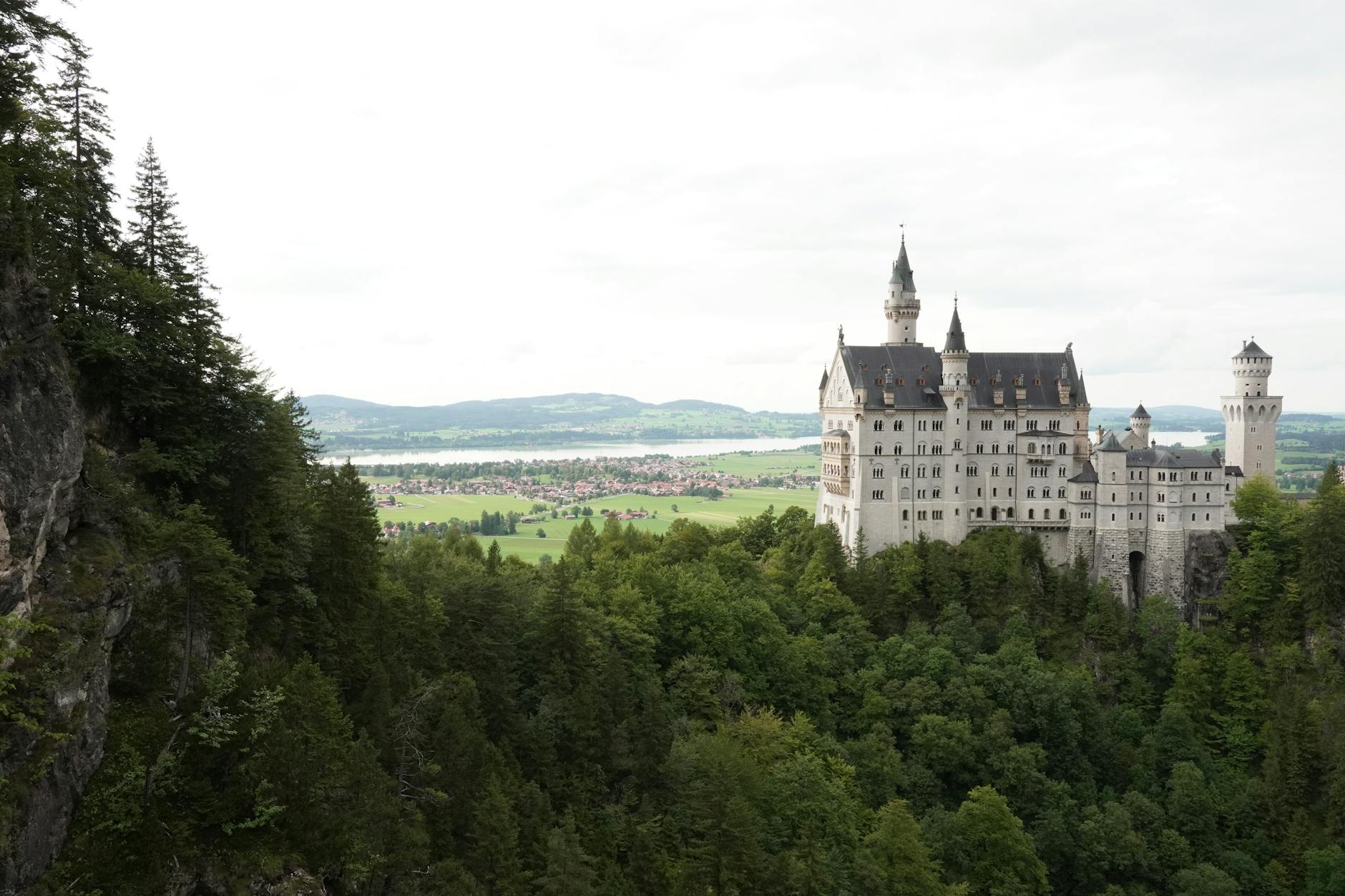
Neuschwanstein Castle, Germany
Often described as a “fairytale castle,” Neuschwanstein Castle is perched in the Bavarian Alps and draws millions of visitors each year. Commissioned by King Ludwig II in the 19th century, the castle’s design was inspired by the romantic ideals of the time and the operas of Richard Wagner, which Ludwig admired deeply. The vibrant turrets, intricate frescoes, and lush surrounding landscape create an enchanting atmosphere that is truly mesmerizing.
The design of Neuschwanstein is a departure from traditional medieval castles. It incorporates elements of Romanesque architecture with a flamboyant execution that defines its unique character. Inside, visitors can explore lavishly decorated rooms, including the impressive throne room and the opulent singer’s hall, which showcases the king’s artistic aspirations. The castle is not merely a historical site; it embodies a dream, making it a must-visit location for anyone traveling through Germany.
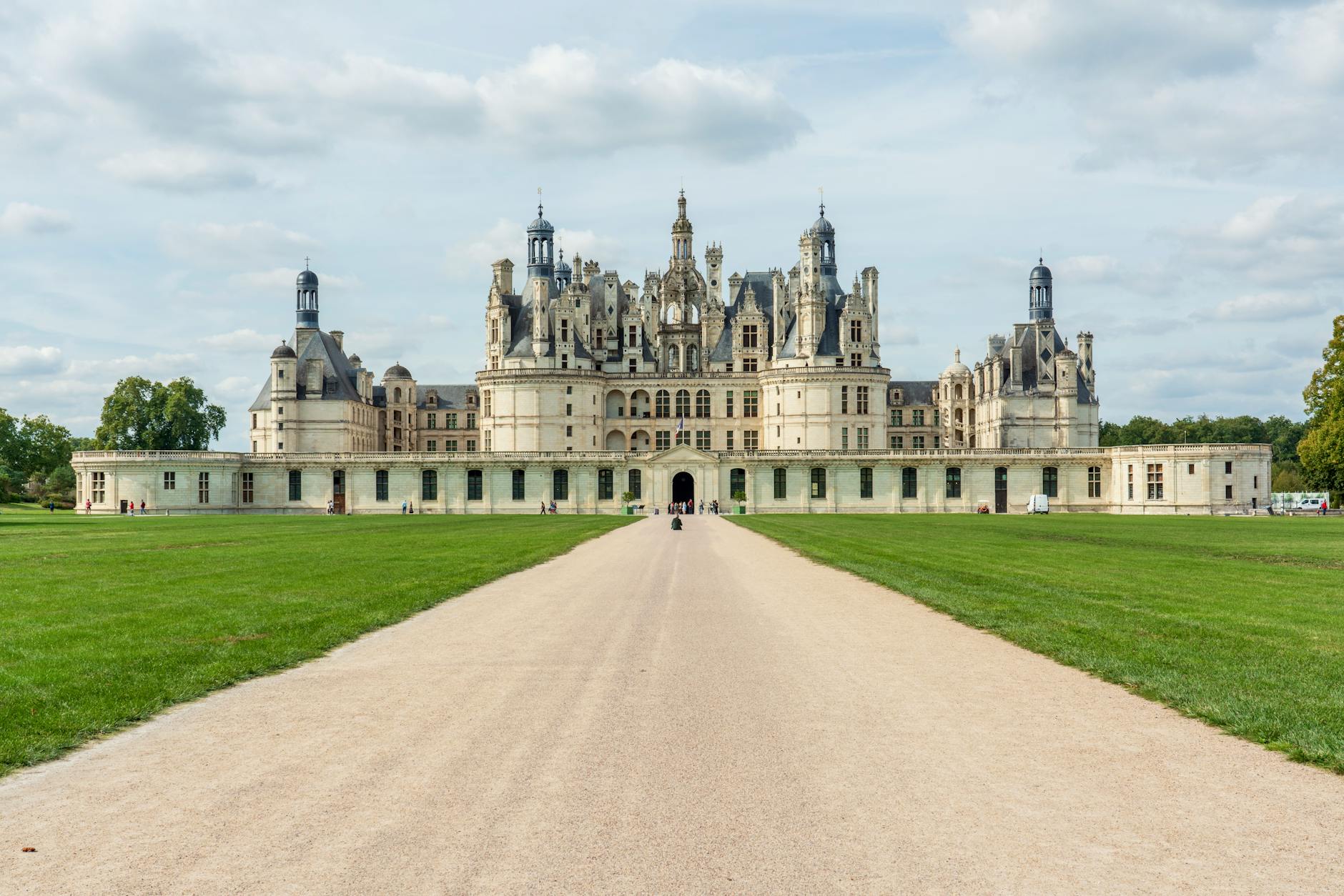
Château de Chambord, France
Located in the heart of France’s Loire Valley, the Château de Chambord is a masterpiece of Renaissance architecture. Built during the reign of King Francis I in the early 16th century, it is known for its striking design, marked by its distinctive double-helix staircase and ornate rooftop. The castle boasts over 440 rooms, each adorned with beautifully crafted details that echo the elegance of French nobility.
What sets Chambord apart is not just its grand architecture but also its harmonious integration with the surrounding landscape. The vast estate that encompasses the château is a protected wildlife reserve, making it a perfect destination for nature lovers as well. Visitors can stroll through the manicured gardens or take a bike ride along the scenic paths that wind through the woodland. The blend of history, culture, and nature makes Château de Chambord a timeless destination.
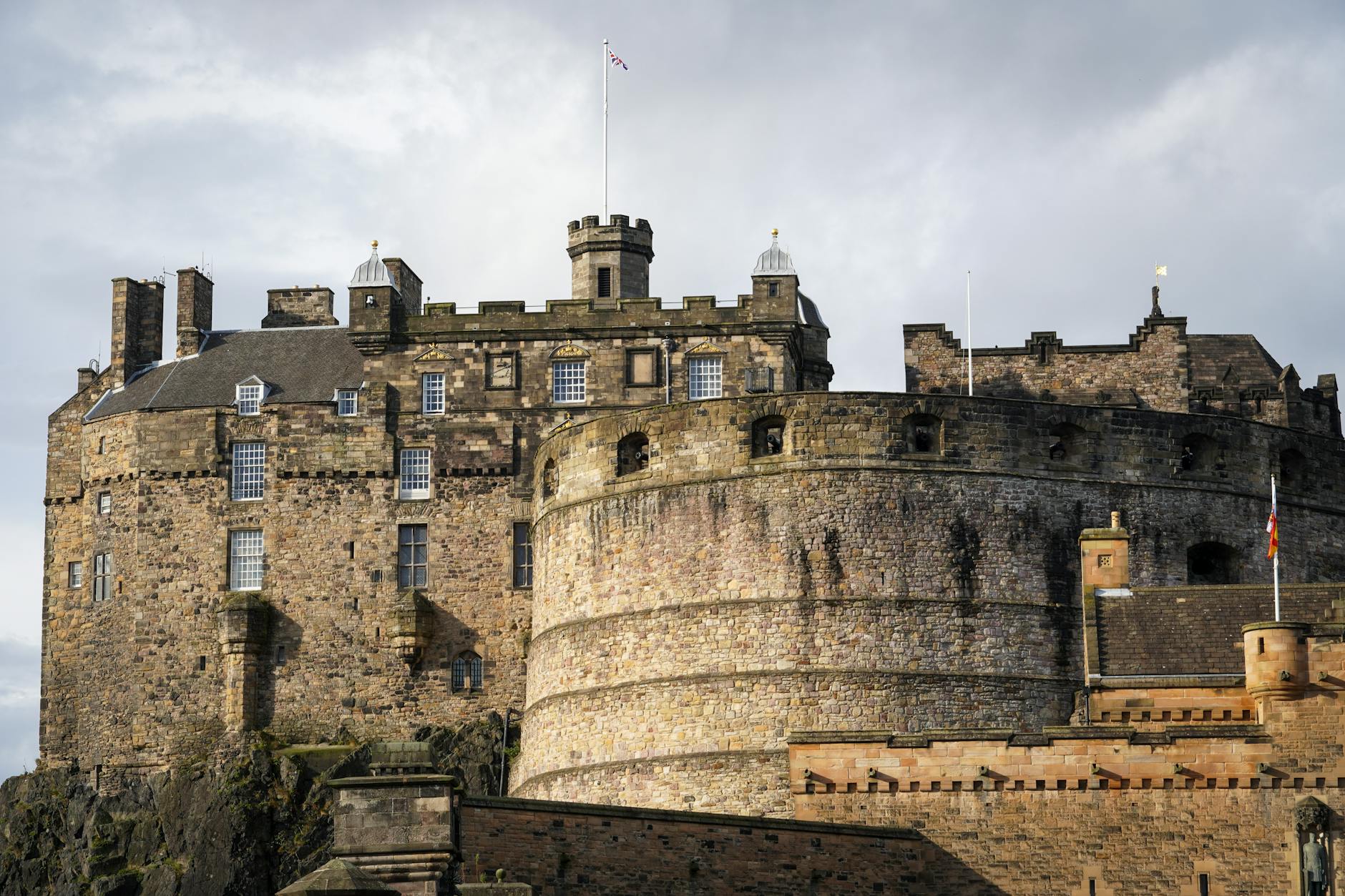
Edinburgh Castle, Scotland
Perched on Castle Rock, Edinburgh Castle is one of Scotland’s most iconic landmarks. With a history that stretches back over a thousand years, it has served as a royal residence and military stronghold. The views from the castle are breathtaking, offering expansive panoramas of the city of Edinburgh and the surrounding hills.
The castle houses the Honours of Scotland, the nation’s crown jewels, and the Stone of Destiny, a symbol of Scotland’s monarchy. Visitors can delve into the rich tapestry of Scottish history through the various exhibitions displayed throughout the castle. A highlight is the One O’Clock Gun, fired daily from the castle to signal lunchtime, a tradition that has lasted for over 150 years. Edinburgh Castle is more than just a structure; it is a symbol of Scotland’s resilience and cultural heritage.
Alhambra, Spain
Set against the backdrop of the Sierra Nevada mountains, the Alhambra is a stunning example of Moorish architecture and artistry. Originally constructed in the mid-13th century as a fortress, it was transformed into a lavish palace by the Nasrid rulers. Visitors to the Alhambra are greeted with intricate tile work, tranquil courtyards, and breathtaking gardens, all of which reflect the high level of craftsmanship of the era.
The Nasrid Palaces, the most famous section of Alhambra, are characterized by delicate stucco work and beautiful mosaics. The Generalife, the summer palace and gardens, offers a tranquil escape with its lush greenery and stunning views. As you wander through the halls and gardens, you can’t help but feel the echoes of history that resonate throughout this remarkable site. The Alhambra is not just a castle; it is a testament to the cultural exchanges that flourished in medieval Spain.
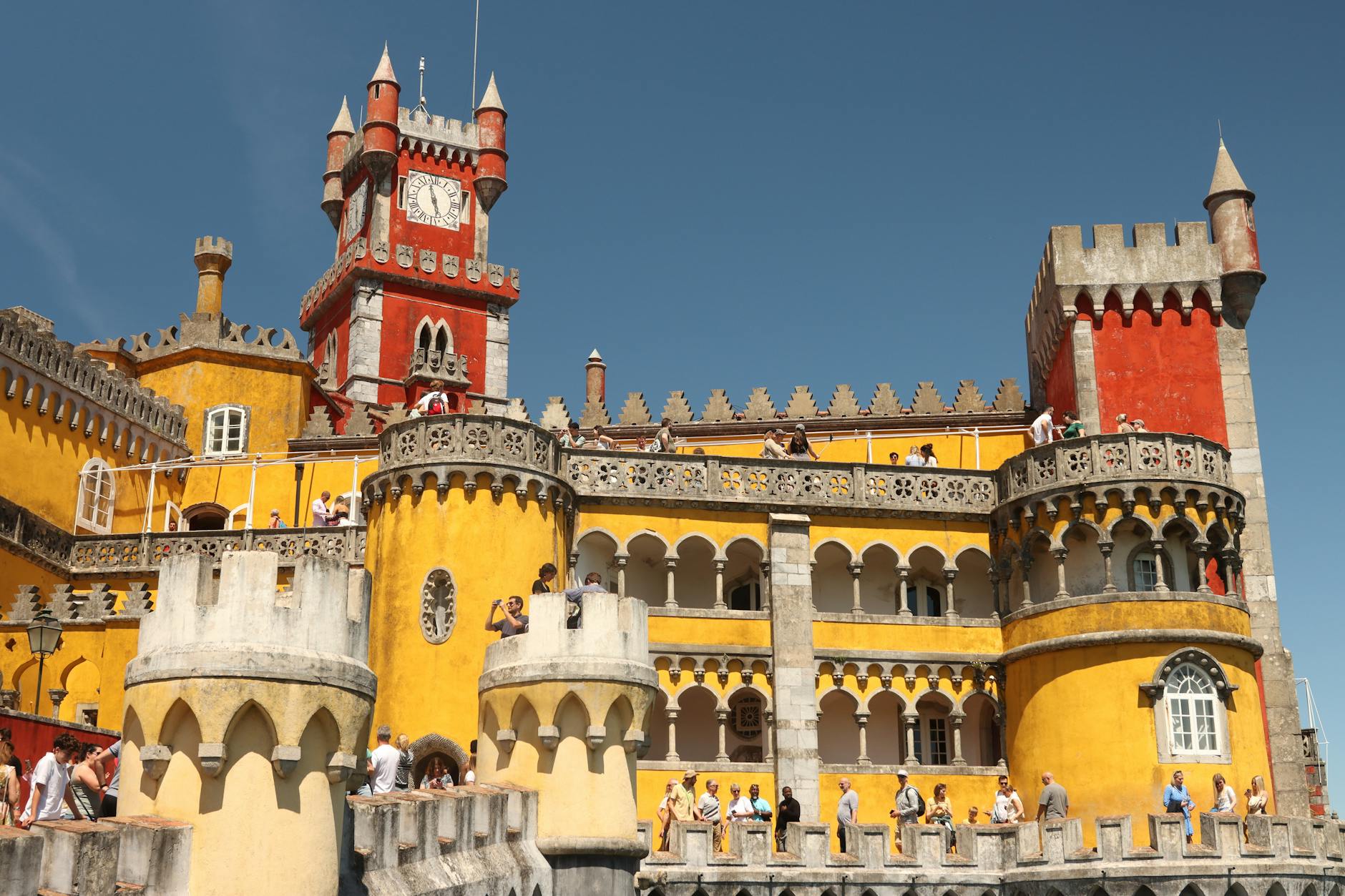
Pena Palace, Portugal
Nestled atop a hill in the Sintra mountains, the Pena Palace is a colorful and whimsical structure that exemplifies Romanticism in architecture. Constructed in the 19th century, its bold hues and fantastical design make it look like it was pulled from the pages of a storybook. The palace’s eclectic style combines Gothic, Manueline, and Moorish influences, resulting in an extraordinarily unique appearance.
The interiors are just as impressive, filled with vibrant tile work, intricate wood carvings, and stunning frescoes. Visitors can explore the lush gardens that surround the palace, filled with exotic plants and winding paths that lead to breathtaking viewpoints. Pena Palace represents the culmination of the Romantic movement in Portugal and remains a symbol of national pride and artistic expression.
Conclusion
These castles are not mere relics of the past; they are living monuments to history, each with its own story to tell. From the fairytale spires of Neuschwanstein in Germany to the romantic colors of Pena Palace in Portugal, each castle offers a unique glimpse into the past while captivating visitors today. Exploring these majestic structures connects us to the rich tapestry of human history and the dreams that continue to shape our world.
