
From the soaring skyscrapers of New York City to the historic palaces of Istanbul, architecture serves not only as a functional aspect of cities but also as a cultural artifact that tells the story of a place. Each city possesses its unique architectural signature, shaped by its history, climate, and the diverse influences that have swept through it over the years. In this article, we explore some of the cities around the globe famous for their stunning architecture, delving into the elements that make their designs exceptional.
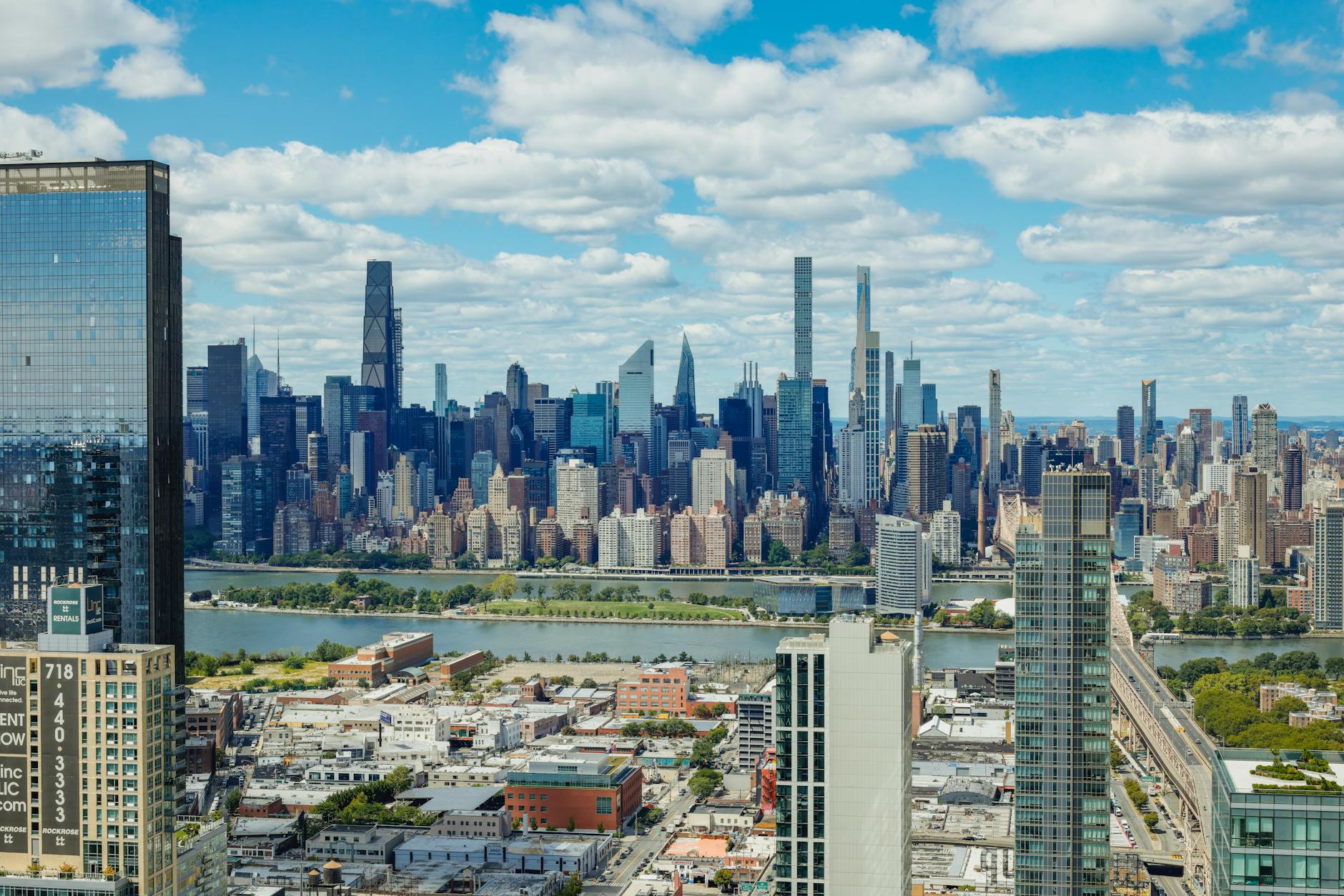
New York City, USA
New York City stands as a testament to modern architectural ingenuity. The skyline is punctuated by iconic structures such as the Empire State Building, One World Trade Center, and the Chrysler Building. Each of these landmarks embodies not just an architectural style but also the ambitions of the era in which they were built. The Empire State Building, completed in 1931, is a prime example of Art Deco architecture, renowned for its distinctive stepped silhouette. Visitors can ascend to the observation deck for breathtaking views of this vibrant metropolis.
Additionally, neighborhoods like Greenwich Village and SoHo showcase an array of architectural styles from the 19th and early 20th centuries. Brownstones line the streets, offering a glimpse into the past with their intricate facades and ornate details. Meanwhile, the High Line—a former elevated railway turned public park—demonstrates how adaptive reuse can breathe new life into old structures, highlighting an innovative blend of landscaping and contemporary design.
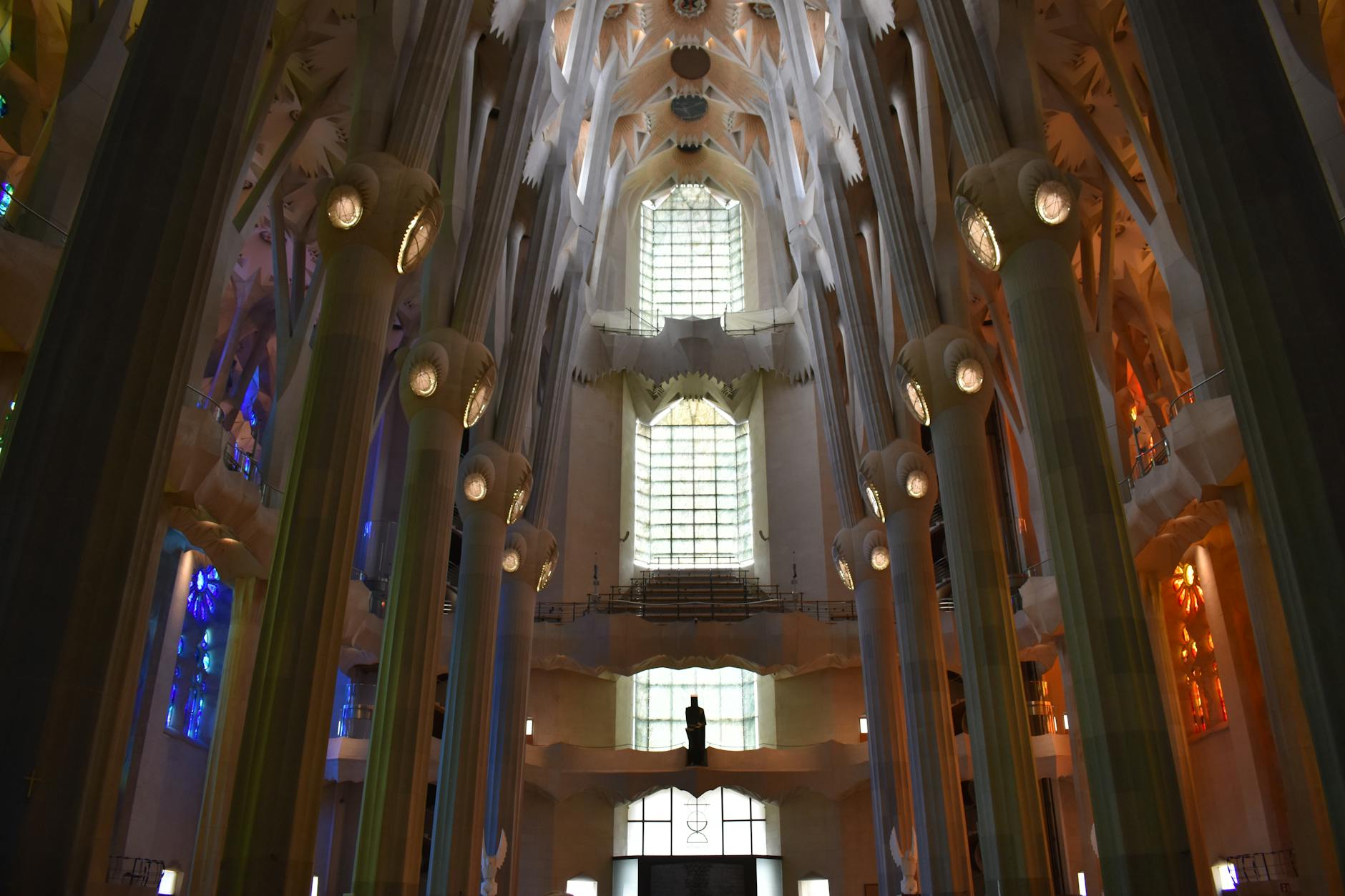
Barcelona, Spain
Barcelona’s architectural landscape is profoundly influenced by Antoni Gaudí, whose works are celebrated worldwide. The Sagrada Familia, an unfinished basilica that has been under construction since 1882, is a marvel of Gothic and Art Nouveau styles. Its striking facades and intricately designed interiors showcase Gaudí’s deep connection to nature and desire to create architectural forms that mimic organic shapes. The basilica represents more than just a religious structure; it is a symbol of Barcelona’s cultural identity and artistic innovation.
Beyond Gaudí, the city is home to impressive examples of Modernisme architecture, such as Casa Batlló and Casa Milà (La Pedrera). These buildings feature vibrant colors, unique curves, and elaborate ceramic mosaics, each telling a story about the city’s narrative of modernity. Walking through the streets of Barcelona is akin to navigating an open-air museum, where every corner reveals a new architectural gem.
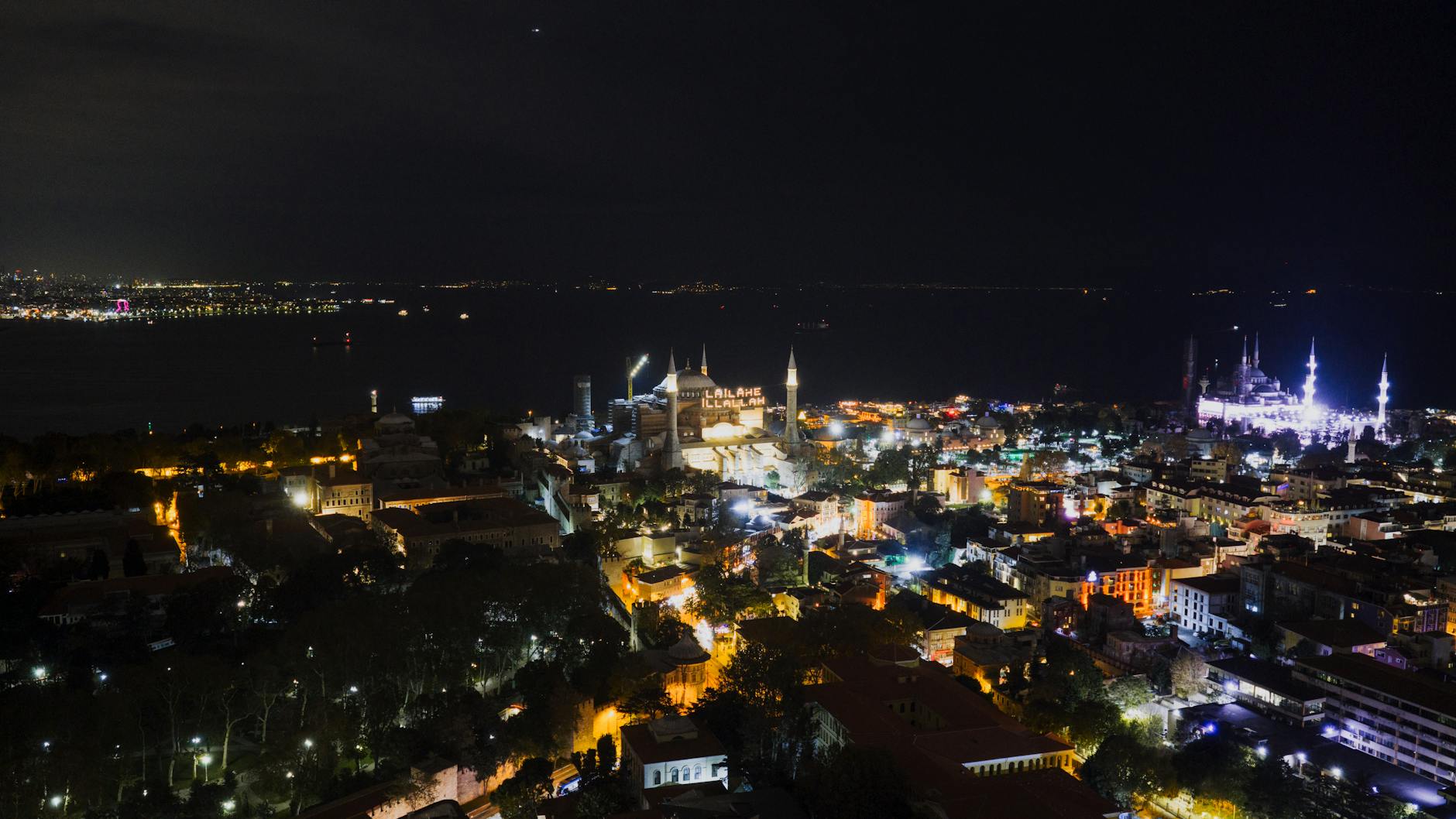
Istanbul, Turkey
Istanbul’s architectural scene is a rich tapestry woven from its historical significance as the capital of empires—the Byzantine and Ottoman, among others. The city is characterized by its stunning mosques, palaces, and ancient structures. The Hagia Sophia, originally built as a cathedral, later transformed into a mosque, and now a museum, is renowned for its massive dome and stunning mosaics, which reflect both Christian and Islamic artistry. It represents the city’s layered history, making it a focal point for both tourists and scholars alike.
The Blue Mosque, or Sultan Ahmed Mosque, is another architectural wonder, famous for its six minarets and beautifully tiled interiors. The mosque’s grandeur is a perfect representation of Ottoman architecture and remains a significant place of worship. Walking through the streets of Istanbul, one can experience not only the architectural diversity but also the enchanting interplay between the old and the new, as modern buildings coexist alongside historic sites.
Tokyo, Japan
Tokyo is a city where tradition meets cutting-edge modernity. The skyline is a blend of ultra-modern skyscrapers and historic temples, showcasing a unique architectural dichotomy. The Tokyo Skytree, the tallest structure in Japan, symbolizes the country’s technological advancement and stands out against the traditional pagoda-style structures found across the city. This juxtaposition reflects Japan’s ability to honor its heritage while embracing the future.
In addition to modern architecture, the city’s neighborhoods like Ginza and Harajuku are filled with unique buildings that showcase innovative design. The Prada Building in Aoyama, designed by Herzog & de Meuron, features a striking glass façade that challenges conventional architectural norms. Meanwhile, the serene grounds of Meiji Shrine provide a stark contrast, inviting visitors to experience traditional Japanese architecture amidst the urban hustle. Tokyo’s architectural landscape encourages exploration and appreciation of both tradition and innovation.
Florence, Italy
Florence is synonymous with the Renaissance, and its architecture is a true reflection of this artistic revival. The Florence Cathedral, also known as the Duomo, features a magnificent dome engineered by Filippo Brunelleschi, which remains one of the most significant architectural achievements of the time. The intricate façade, adorned with colorful marble, encapsulates the essence of Florentine artistry and craftsmanship.
The city’s palaces, including Palazzo Vecchio and Palazzo Pitti, showcase the grandeur of Renaissance architecture, characterized by decorative details and impressive courtyards. As one strolls through the historic center, it becomes clear that Florence is not just a city but a living museum, where every building contributes to its identity as the birthplace of modern art and architecture. The rich history infused into Florence’s structures transports visitors back to a time when art flourished in every aspect of life.
As our tour of these architectural marvels comes to a close, it is evident that the cities we have explored each possess their own unique narratives told through their buildings. From the innovative designs of the modern era to the preserved historical structures, architecture remains a profound expression of culture, ambition, and artistry. Whether you’re an architecture enthusiast or simply a curious traveler, these cities promise an unforgettable experience that transcends time and style.
