
As the most diverse and interconnected generation in history, Generation Z is redefining what it means to be “elite.” These digital natives, born roughly between 1997 and 2012, are challenging traditional norms and values that have long governed elite culture in various spheres, such as fashion, business, politics, and the arts. This vibrant cohort approaches life with a distinctive mindset, driven by their unique experiences, social consciousness, and technological fluency. As they come of age and begin to occupy positions of influence, their impact is palpable, prompting both admiration and concern from older generations.
Embracing Inclusivity and Diversity
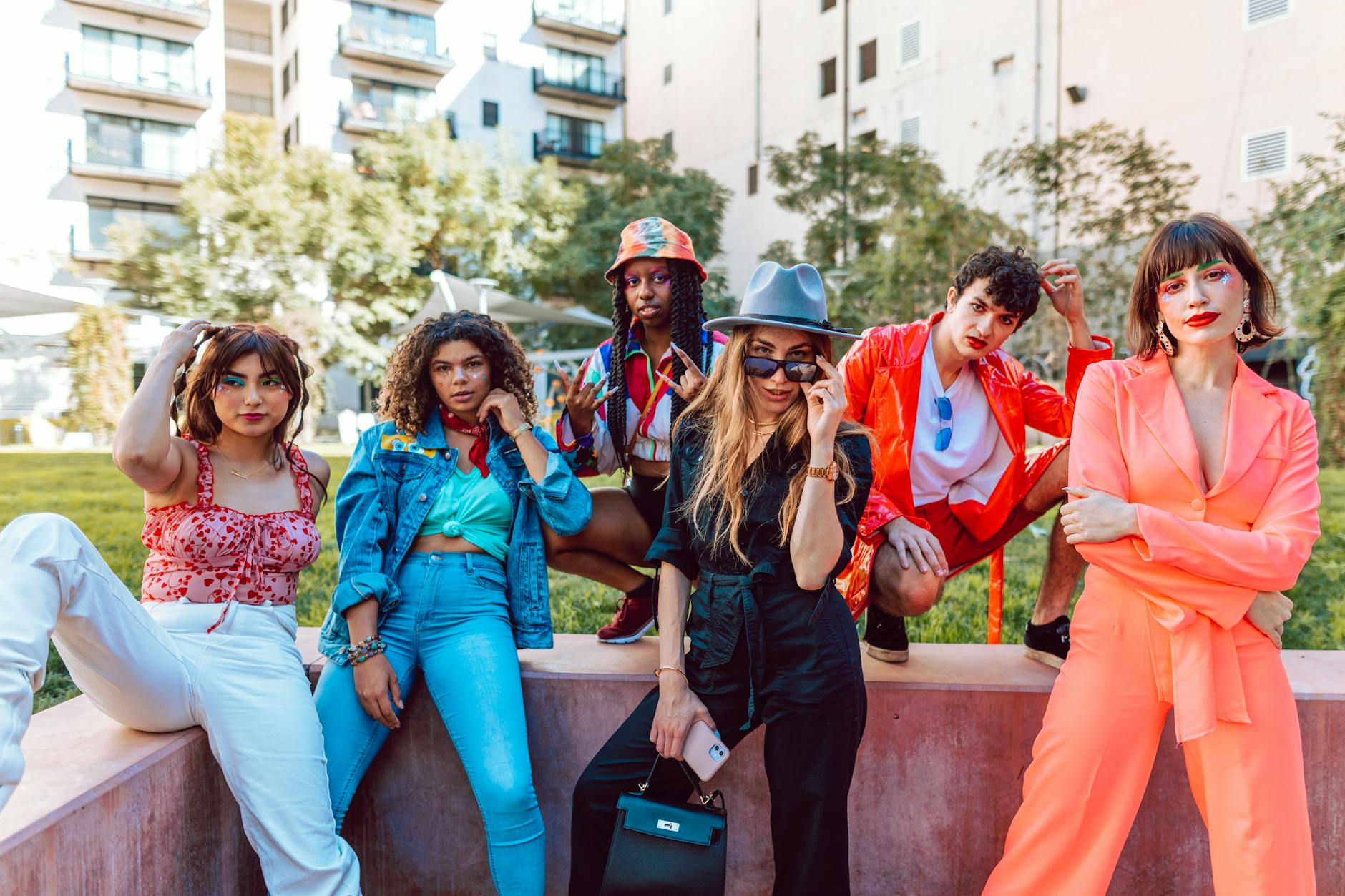
One of the most pronounced ways in which Gen Z is transforming elite culture is their unwavering commitment to inclusivity and diversity. In stark contrast to previous generations, who often upheld narrow standards of success and beauty, Gen Z embraces a broad spectrum of identities and expressions. They don’t just advocate for representation; they demand it across all aspects of culture, including politics, corporate leadership, and media. Companies that fail to address diversity may quickly find themselves out of touch and irrelevant.
This shift has resulted in the rise of brands that promote diversity as a core value. From fashion houses that prioritize size inclusivity to TV shows that feature diverse casts, Gen Z consumers are reshaping markets and holding brands accountable. The viral success of movements like Black Lives Matter and LGBTQ+ rights speaks to the generation’s fervent belief that everyone deserves a seat at the table. Notably, the **#OscarsSoWhite** controversy spurred by Gen Z activism led to significant changes within major award institutions, revealing how powerful their voices can be.
Redefining Success and Work Culture
For many in Gen Z, the traditional markers of success—such as wealth accumulation and corporate titles—hold little appeal. Instead, they prioritize personal fulfillment, work-life balance, and social impact. This shift is influencing workplaces as organizations adapt to retain top talent from this younger cohort. Remote work, flexible hours, and mental health support have become essential offerings for employers seeking to attract Gen Z workers.
Moreover, the entrepreneurial spirit that characterizes Gen Z is evident in their widespread pursuit of side hustles and gig work. Many have turned to platforms like Etsy, TikTok, and YouTube to build personal brands and generate income outside traditional employment frameworks. This inclination toward entrepreneurial ventures fosters innovation and creativity, challenging conventional business models and prompting established companies to rethink their operations and value propositions.

Transforming Aesthetic and Lifestyle Choices
Gen Z’s digital upbringing has profoundly shaped their aesthetic and lifestyle choices, leading to a rebellion against the elitism of luxury brands. While previous generations may have viewed luxury as synonymous with high price tags and exclusivity, Gen Z is redefining luxury as accessibility and authenticity. They are drawn to brands that promote sustainability, ethical production, and social responsibility, opting for second-hand shopping and thrift culture over fast fashion. This trend reveals a deeper understanding of global issues, reflecting a generation that prioritizes the planet over profit.
Younger audiences are also influencing industries like art and music, where they increasingly value originality over traditional measures of prestige. Platforms such as Instagram and TikTok have democratized the realm of creativity, allowing aspiring artists and musicians to share their work directly with audiences. The virality of independent artists proves that talent can originate from anywhere, challenging the gatekeeping that has long defined elite cultural circles. This shift is particularly significant in the art world, where Gen Z artists are questioning and often overturning established norms, favoring interactive and immersive experiences, which stand in stark contrast to the traditional gallery setups.
Revolutionizing Political Engagement
Finally, Gen Z’s approach to political engagement is redefining the nature of activism in elite culture. With social media as their primary tool for mobilization, they have effectively harnessed its power to amplify their voices and advocate for causes close to their hearts—including climate change, racial justice, and gender equality. Unlike previous generations, who may have relied on established political structures, Gen Z engages through grassroots efforts, leveraging digital platforms to organize protests and campaigns rapidly.
Their innovative approaches to activism have led to significant achievements, such as pushing climate change to the forefront of political discourse. The **Fridays for Future** movement, initiated by young climate activist Greta Thunberg, showcases how Gen Z is transforming conventional paradigms of political engagement. Gen Z’s commitment to activism is not only reshaping public policy; it also challenges elite institutions to reconsider their roles and responsibilities in addressing global issues. As younger voters increasingly participate in elections and make their opinions known, political elites are compelled to respond to this generation’s demands.
This transformation of elite culture is not without its challenges. Resistance from older generations may lead to tension, as traditionalists cling to established norms. However, the shift brought about by Gen Z cannot be dismissed; it is a catalyst for necessary change that reflects the complexities of modern society.
In summary, Generation Z is reshaping elite culture in profound and lasting ways. Their unwavering commitment to inclusivity, redefined notions of success, innovative consumer choices, and revolutionary political engagement signal a cultural paradigm shift that challenges long-held beliefs and structures. As they continue to rise in influence, it is essential for society to recognize and engage with their perspectives, ensuring that elite culture evolves in a way that reflects the collective values of a new generation.
