
Interior design has long been a reflection of cultural values, socio-economic conditions, and technological advancements. Over the decades, luxury interior design has evolved dramatically, influenced by factors ranging from economic prosperity to shifts in lifestyle preferences. This article explores the transformation of luxury interiors from the opulent extravagance of the early 20th century to the minimalist elegance of today’s personalized spaces, tracing how these changes mirror broader societal trends.
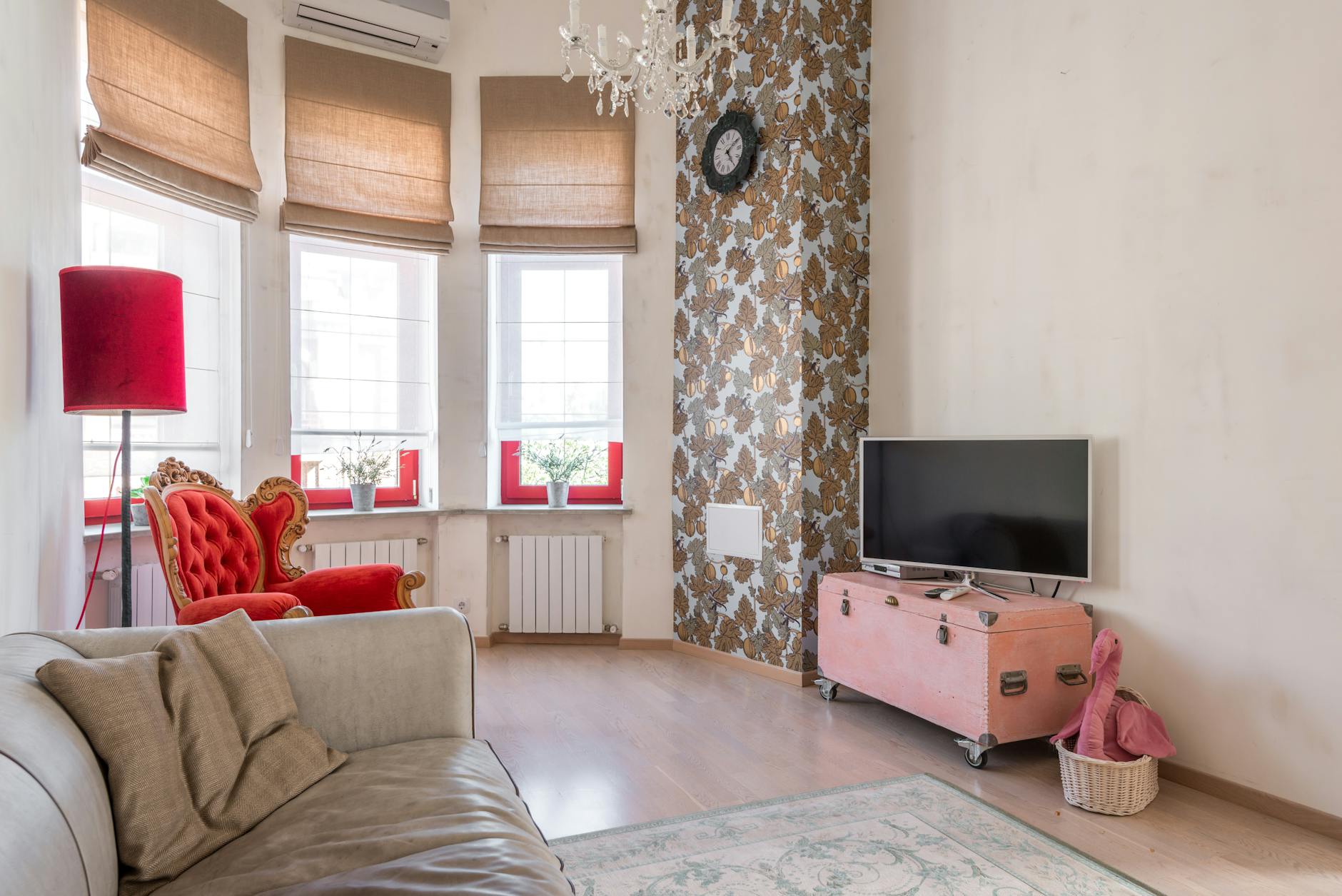
1920s to 1940s: The Age of Opulence
The early 20th century was characterized by extravagant styles such as Art Deco and the emergence of Modernism. Following the devastation of World War I, luxury began to redefine itself, with affluent individuals seeking to showcase their wealth through grand designs. Art Deco, with its geometric patterns and rich colors, became the go-to aesthetic for luxury interior spaces, featuring high-gloss finishes and materials like marble and exotic woods.
In the United States, the Roaring Twenties marked an era of financial prosperity, and this was reflected in luxury homes adorned with luxurious fabrics, ornate furniture, and intricate detailing. Elaborate chandeliers and deep, rich colors prevailed, creating spaces that were as much about spectacle as they were about functionality. However, the Great Depression of the 1930s brought about a stark contrast—extravagance was tempered, and design began to shift toward practicality and comfort, signaling the start of a new chapter in luxury interior design.
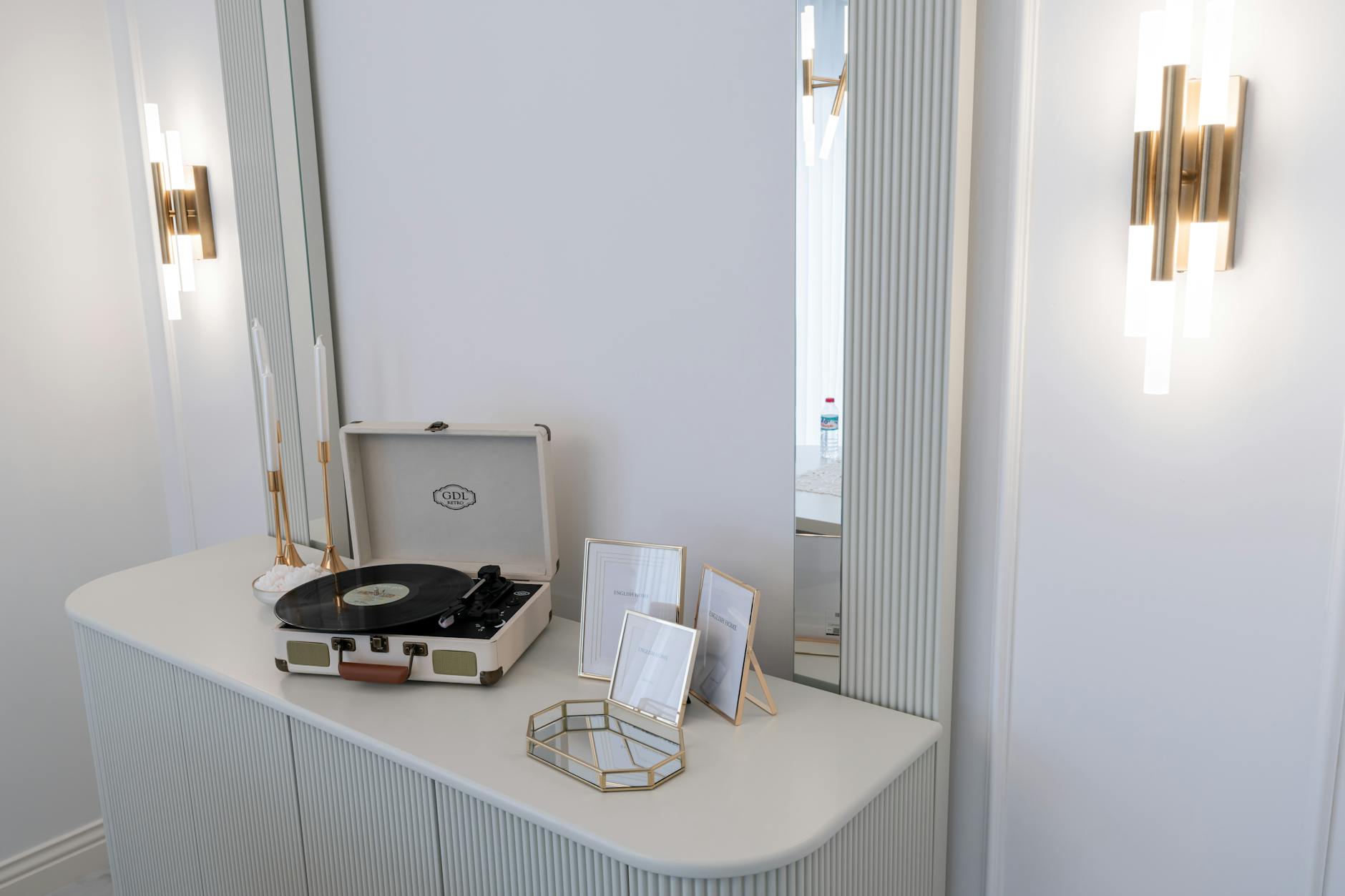
1950s to 1970s: A Shift Toward Modernism
The post-war era brought about a renewed sense of optimism and a focus on modernism, which emphasized simplicity and functionality. Mid-century modern design, characterized by clean lines and organic forms, became synonymous with luxury. Interior spaces in this era featured minimalist furniture and open floor plans, which encouraged a flow between living areas and promoted a sense of togetherness. The use of innovative materials such as plywood and fiberglass further differentiated mid-century design from previous styles.
As society became more mobile and families changed their dynamics, luxury interiors adapted to accommodate this shift. The focus moved away from heavy, ornate furniture toward pieces that offered versatility and comfort. Emerging materials like plastics and metals were embraced, resulting in a generation of designers who prioritized function as much as form. The introduction of iconic pieces, such as Eames chairs and Noguchi tables, revolutionized the notion of luxury, making it accessible in a new, modern context.
“Good design is as little design as possible.” — Dieter Rams
1980s to 1990s: Eclecticism and Personalization
The 1980s ushered in an era of bold expression and excess, where luxury was dominated by eclectic designs that blended different styles and cultures. The decade’s interiors celebrated individuality, showcasing a wider range of textures, colors, and patterns. This was the time for maximalism—rooms adorned with rich textiles, deep colors, and an array of decorative arts. Designers began to encourage homeowners to reflect their personal style, leading to a more personalized approach to luxury interiors.
By the 1990s, the concept of luxury began to evolve further with the rise of the tech boom. As technology became an integral part of daily life, luxury interior design started to incorporate smart home solutions, combining style with modern convenience. Home automation, integrated sound systems, and high-end appliances became a staple in luxury homes, providing a seamless blend of comfort and sophistication. This period also marked the resurgence of natural materials, with designers bringing the outdoors in through the use of stone, wood, and plants—further enriching the luxurious atmosphere.
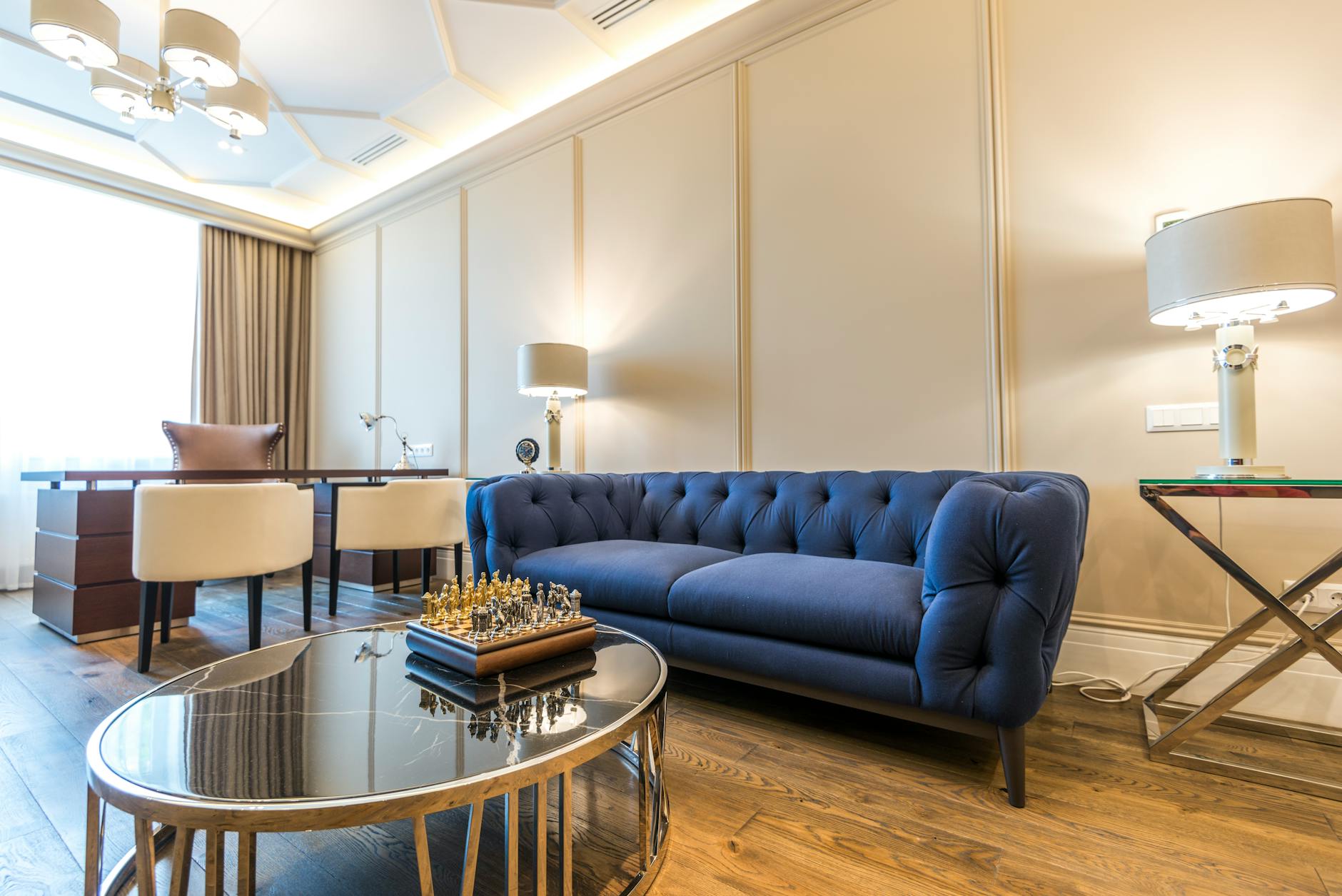
2000s to Present: Sustainable Luxury and Minimalism
As we moved into the 21st century, a significant shift occurred in the perception of luxury. The focus turned towards sustainability and conscious living, where luxury no longer meant excess but instead emphasized quality, craftsmanship, and environmental responsibility. High-end design now often incorporates sustainable materials and practices, reflecting a growing awareness of global issues. Luxury spaces are now designed to be eco-friendly while still maintaining elegance—recycled materials, energy-efficient appliances, and sustainable sourcing are at the forefront of modern luxury.
In addition, the rise of minimalist design has influenced luxury interiors profoundly. The philosophy of “less is more” has led to an aesthetic that celebrates open spaces, natural light, and uncomplicated lines. As individuals increasingly seek tranquility in their homes—a counterbalance to the fast-paced digital world—they embrace a lifestyle that prioritizes well-being and simplicity. Contemporary luxury now focuses on creating peaceful retreats that feature organic shapes, neutral color palettes, and artful decor that invites relaxation and mindfulness.
“Luxury is not a necessity, but it is an elegance.” — Karl Lagerfeld
The Future of Luxury Interior Design
Looking ahead, luxury interior design seems poised to evolve further with advancements in technology and design philosophy. The integration of artificial intelligence in design processes, virtual reality for home tours, and customizable elements that respond to individual preferences are trends likely to reshape how we approach luxury spaces. As generations prioritize experiences over possessions, luxury will continue to evolve, emphasizing authenticity, personalization, and a connection to one’s environment.
This evolution reflects not just changes in design but also broader societal values. The luxury of the future will likely prioritize wellness, sustainability, and connection—creating spaces that resonate with the inhabitants on a personal level while also respecting the environment. As we embrace these transformations, luxury interior design will remain a vital expression of what it means to live beautifully, harmoniously, and responsibly in an ever-changing world.
