

Classic tailoring, with its roots deeply embedded in history, continues to influence modern fashion. The meticulous craftsmanship involved in tailoring garments has evolved over centuries, reflecting societal changes, technological advancements, and shifting aesthetic values. Understanding the history behind classic tailoring allows us to appreciate not only its aesthetic appeal but also its cultural significance.
Origins of Tailoring: The Foundation of Style
Tailoring, as we know it today, can trace its origins back to the Medieval period. During this time, garments were primarily made by hand, with skilled artisans crafting clothing to fit individual customers. The term “tailor” is derived from the French word “tailler,” meaning “to cut.” In the 14th century, the use of tailored clothing began to spread across Europe, particularly among the nobility.
The evolution of fabric technology played a significant role in tailoring’s development. The introduction of new textiles, such as wool and silk, allowed tailors to experiment with more intricate designs and styles. As trade routes expanded, new materials became available, and this variety led to a diversification of styles, particularly in England and France.
> “Fashion is not something that exists in dresses only. Fashion is in the sky, in the street, fashion has to do with ideas, the way we live, what is happening.” – Coco Chanel
As the Renaissance ushered in new ideas about art and science, it simultaneously influenced clothing design. The introduction of fitted garments, which hugged the body’s contours, became a hallmark of stylish clothing. Tailors began to use techniques such as darting and shaping to create garments that flattered the wearer, marking a significant shift from the loose, flowing designs of earlier periods.
Classic Tailoring in the Age of Industrialization
The Industrial Revolution in the 18th and 19th centuries transformed the tailoring landscape in profound ways. The introduction of sewing machines and mass production techniques meant garments could now be produced more quickly and less expensively. Ready-to-wear clothing emerged, making stylish clothing accessible to a broader audience.
However, this shift also led to a decline in bespoke tailoring. The art of creating custom-fitted garments was overshadowed by the convenience and affordability of mass-produced clothing. Yet, a reaction against this trend emerged: discerning gentlemen and women began to seek the unique artistry of bespoke tailoring once more.
During the late 19th to early 20th centuries, tailoring regained its prestige, especially in cities like London and Milan. Savile Row in London became synonymous with high-quality bespoke suits, where each piece was meticulously crafted to the client’s specifications. Tailoring houses like Gieves & Hawkes and Henry Poole & Co. established themselves as leaders of this artisanal movement, combining traditional techniques with contemporary styling.
Classic Tailoring in the Modern Era
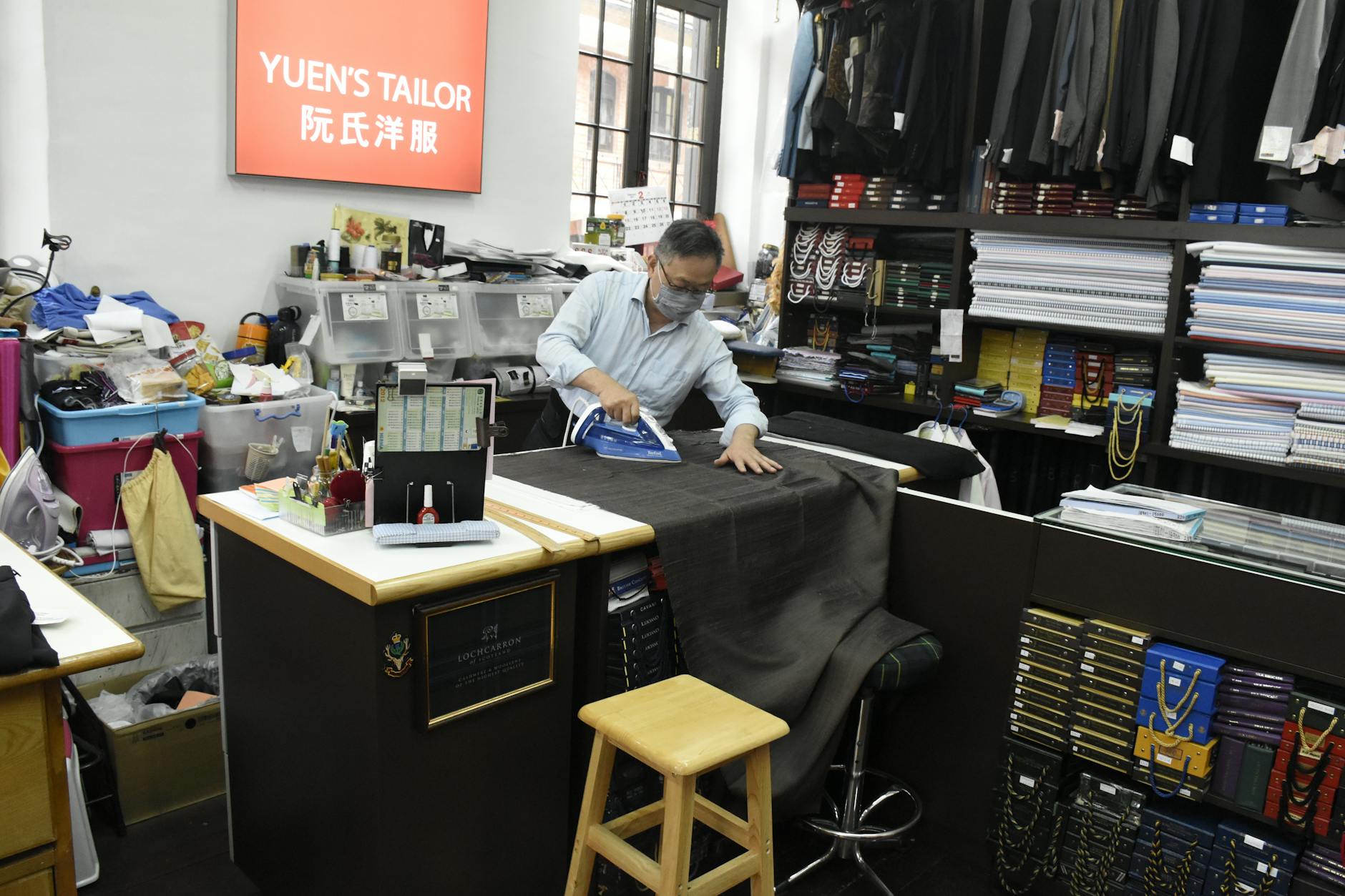
As we moved into the late 20th and early 21st centuries, classic tailoring underwent further metamorphosis. Although the casualization of fashion gained traction, especially in the wake of Silicon Valley’s influence on corporate dress codes, the craft of tailoring found ways to remain relevant. Icons such as Giorgio Armani and Ralph Lauren infused modern aesthetics into classic tailoring, creating silhouettes that were both sophisticated yet comfortable.
The cultural relevance of classic tailoring surged during periods of economic prosperity. The global elite, from celebrities to business moguls, embraced bespoke garments, leading to a revival of artisanal methods and the celebration of individuality. Tailoring became synonymous with power and prestige, a way for individuals to communicate their status and personal style.
In recent years, sustainability has emerged as a critical focus within the fashion industry, leading to a resurgence of interest in traditional craftsmanship. As consumers become more aware of the environmental impact of fast fashion, the appeal of bespoke tailoring, with its emphasis on quality and longevity, is stronger than ever.
> “Fashion is about what you look like, but it’s also about how you feel. A well-tailored suit can confer a sense of confidence and authority.” – Ralph Lauren
Craftsmanship: The Heart of Tailoring
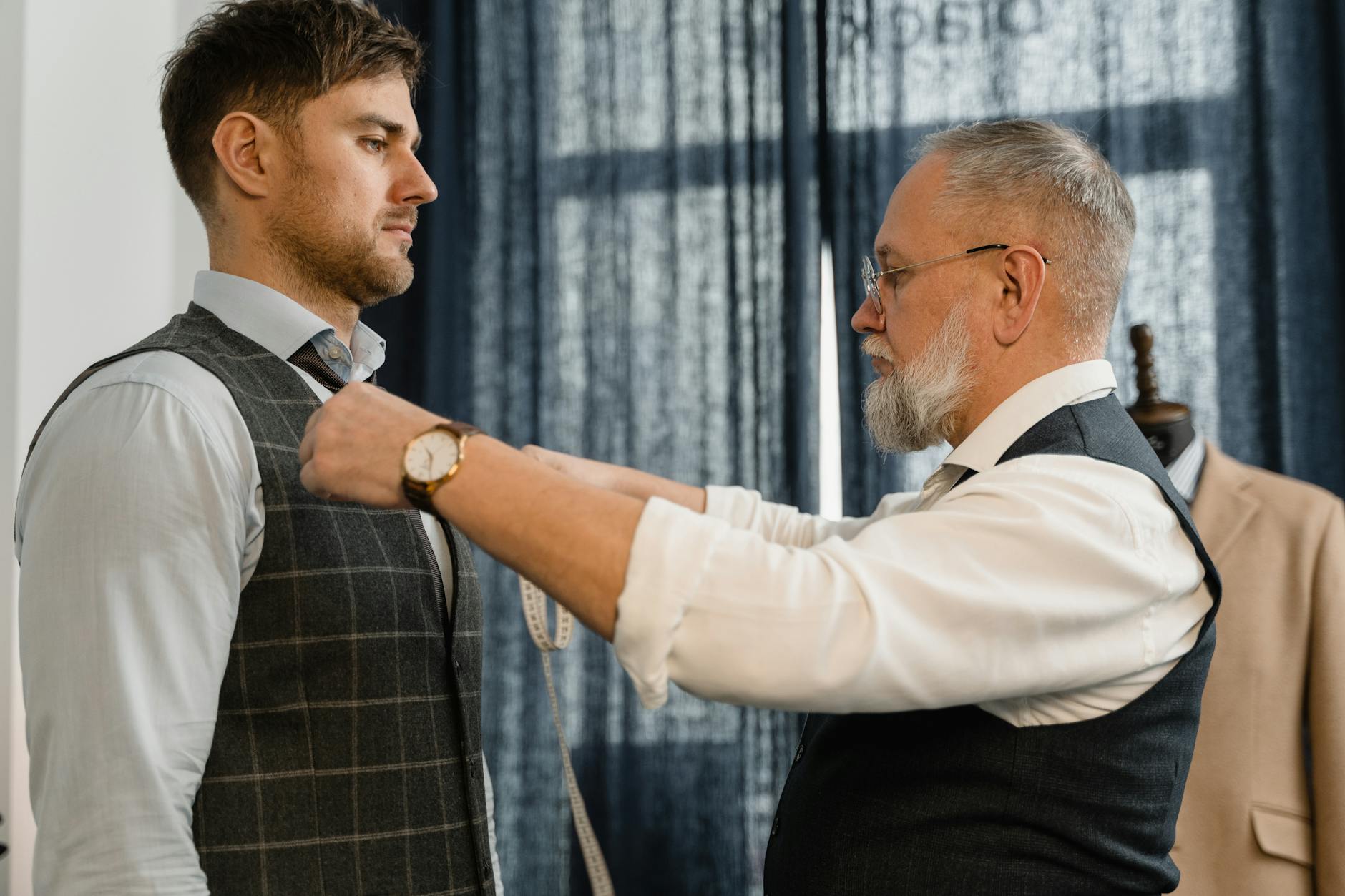
The craftsmanship behind classic tailoring is undoubtedly what sets it apart from mass-produced garments. The process of creating a bespoke suit involves several steps, each executed with precision. From taking the initial measurements to selecting quality fabrics, a tailor meticulously crafts each piece by hand.
Typically, the creation of a bespoke suit begins with a consultation where the tailor discusses various options with the client. This conversation is as much about understanding the client’s lifestyle and preferences as it is about the technical aspects of the suit. The tailor will then create a pattern customized to the client’s measurements, often involving multiple fittings to achieve the perfect fit.
The choice of fabric is another crucial aspect of tailoring. High-quality wool, cashmere, and linen are commonly favored for their durability and drape. Different cuts and styles can also enhance the character of the garment, allowing the wearer to express their personal style.
Moreover, the detailing of the suit—from stitching to lining—can reveal the level of craftsmanship. Various options for lapels, pockets, and button styles also allow for individual expression, creating a piece that is entirely unique.
In essence, classic tailoring remains an intersection of art and functionality. It represents not just clothing but a tradition that connects generations of artisans, each contributing to a legacy of exceptional craftsmanship.
Conclusion: The Future of Classic Tailoring
The history of classic tailoring is an ongoing narrative that illustrates the complex relationship between fashion, culture, and individuality. As we look to the future, it is clear that while trends may come and go, the timeless art of tailoring will always have a place in the world of fashion. The incorporation of sustainable practices and the continuous quest for individuality will only further solidify its relevance in contemporary society.
Classic tailoring embodies not only a commitment to quality but also the story of civilization’s evolution. Every stitch, seam, and fabric choice tells a tale—one that is worth celebrating and preserving for future generations. As we embrace the best of both tradition and innovation, classic tailoring continues to thrive, redefining elegance for a new age.
