
The world of fashion is a universe of creativity, cultural expression, and historical significance. Iconic fashion houses have not only shaped the wardrobes of generations but have also influenced art, culture, and society as a whole. This article delves into the origins of some of the most celebrated fashion houses, exploring their founders, early days, and how they became pivotal players in the industry.

Chanel: The Birth of Timeless Elegance
Founded by Gabrielle Bonheur “Coco” Chanel in 1910, Chanel has become synonymous with style, sophistication, and innovation. Coco began her career as a milliner in Paris, creating hats for the elite. Her first shop, located at 21 Rue Cambon, quickly garnered attention for its unique designs. By introducing comfortable yet elegant clothing, including the iconic Chanel No. 5 perfume and the classic Chanel suit, she revolutionized women’s fashion.
Chanel’s philosophy was rooted in liberating women from the constraints of the corset. Her designs emphasized simplicity and functionality, allowing women to express their individuality. The iconic Chanel suit, which features a fitted jacket and a flowing skirt, remains a staple in modern wardrobes, symbolizing empowerment and elegance.
In addition to clothing, Chanel’s impact extended to accessories. The quilted handbag, adorned with the signature interlocking “CC” logo, exemplified her commitment to marrying practicality with luxury. Today, Chanel continues to thrive, blending heritage with modern trends under the leadership of creative directors who maintain Coco’s original vision.

Gucci: The Florentine Legacy
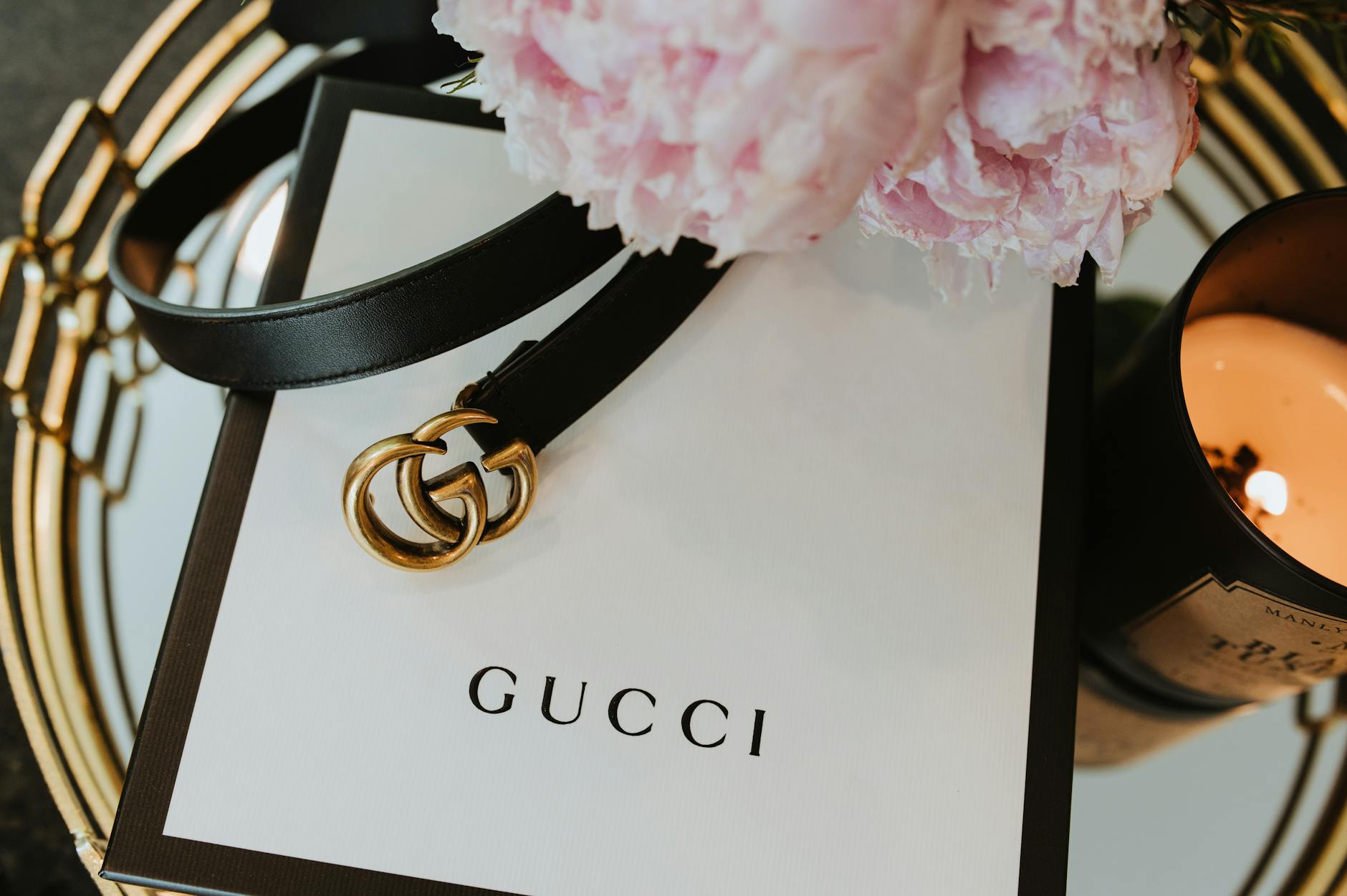
Established in 1921 by Guccio Gucci in Florence, Italy, Gucci originally started as a small leather goods shop. Guccio’s experience working in upscale hotels in London inspired his passion for luxury and craftsmanship. The brand gained recognition for its quality leather products, particularly bags and luggage that exuded sophistication. A distinctive touch was added with the introduction of the green-red-green stripe and the double G logo, which are now iconic symbols of the brand.
Throughout the 20th century, Gucci evolved, particularly during the 1970s and 1980s, when it became a favorite among celebrities and the elite. However, the brand’s trajectory wasn’t without challenges. The family feud in the 1990s led to significant changes in ownership and management. In the early 2000s, creative director Tom Ford revitalized the brand, infusing it with sensuality and a modern aesthetic that appealed to a new generation.
Today, Gucci stands at the forefront of fashion, pushing boundaries under the creative direction of Alessandro Michele, who embraces a maximalist approach blending eclectic styles. Gucci’s resurgence symbolizes the intersection of tradition and innovation in contemporary fashion.
Dior: The New Look that Shaped Post-War Fashion
Christian Dior launched his eponymous fashion house in 1946, just after World War II. His debut collection in 1947, famously known as “The New Look,” revolutionized women’s fashion by introducing a silhouette characterized by a fitted bodice and an exaggeratedly full skirt. This style celebrated femininity and opulence during a time when society was yearning for renewal and beauty.
Dior’s innovative designs contrasted starkly with the fabric rationing of wartime, and his luxurious use of fabrics and feminine lines won over women worldwide. His influence extended beyond clothing; the New Look sparked a cultural movement that celebrated women’s liberation and confidence. Dior’s ability to blend traditional craftsmanship with modern aesthetics became a hallmark of his brand.
Through collaboration with artisans and a commitment to quality, Dior expanded into fragrance and accessories, with products like the Miss Dior perfume becoming instant classics. The house has maintained its legacy through various creative directors, ensuring that the essence of Dior remains relevant while adapting to contemporary tastes.
Versace: The Bold Expression of Italian Glamour
Founded by Gianni Versace in 1978, Versace emerged as a defining force in the fashion world by bringing bold colors, daring cuts, and extravagant prints to the runway. Gianni was inspired by the art, culture, and mythology of his Italian heritage, which he infused into his designs. His signature Medusa logo, symbolizing power and beauty, encapsulates the brand’s essence and appeal.
Versace’s designs were not just about clothing; they were a statement of identity. The 1990s saw the brand reach unprecedented heights, thanks in part to supermodels and the unique collaborations between fashion and music. The glamorous aesthetic of Versace drew attention to the relationship between fashion and celebrity culture, making it a favorite of stars like Madonna, Jennifer Lopez, and Beyoncé.
Tragically, Gianni’s life was cut short in 1997, impacting the brand profoundly. However, his sister, Donatella Versace, took the reins and continued his legacy, blending nostalgia with a modern edge. Under her guidance, Versace has remained a symbol of luxury and innovation in the fashion industry, known for its bold designs and commitment to artful expression.

Prada: A Blend of Tradition and Modernity
Founded in 1913 by Mario Prada in Milan, Prada began as a manufacturer of leather goods and luxury accessories. Initially, the brand catered to the elite and was known for its craftsmanship. It wasn’t until the 1980s, under the direction of Mario’s granddaughter, Miuccia Prada, that the fashion house underwent a revolutionary transformation, shifting its focus to clothing and avant-garde fashion.
Miuccia’s designs challenged conventional fashion norms with a minimalist aesthetic that emphasized functionality over flamboyance. The introduction of the nylon backpack in the early ’80s exemplified this shift, combining practicality with luxury—an idea that was groundbreaking at the time. Prada’s commitment to innovation and intellectual engagement in fashion established it as a leader in the industry.
Today, Prada remains at the forefront of fashion, known for its unique ability to blend the past with the present. The brand continually explores themes of identity, femininity, and modernity, ensuring its legacy remains vibrant and relevant in a constantly evolving fashion landscape.
