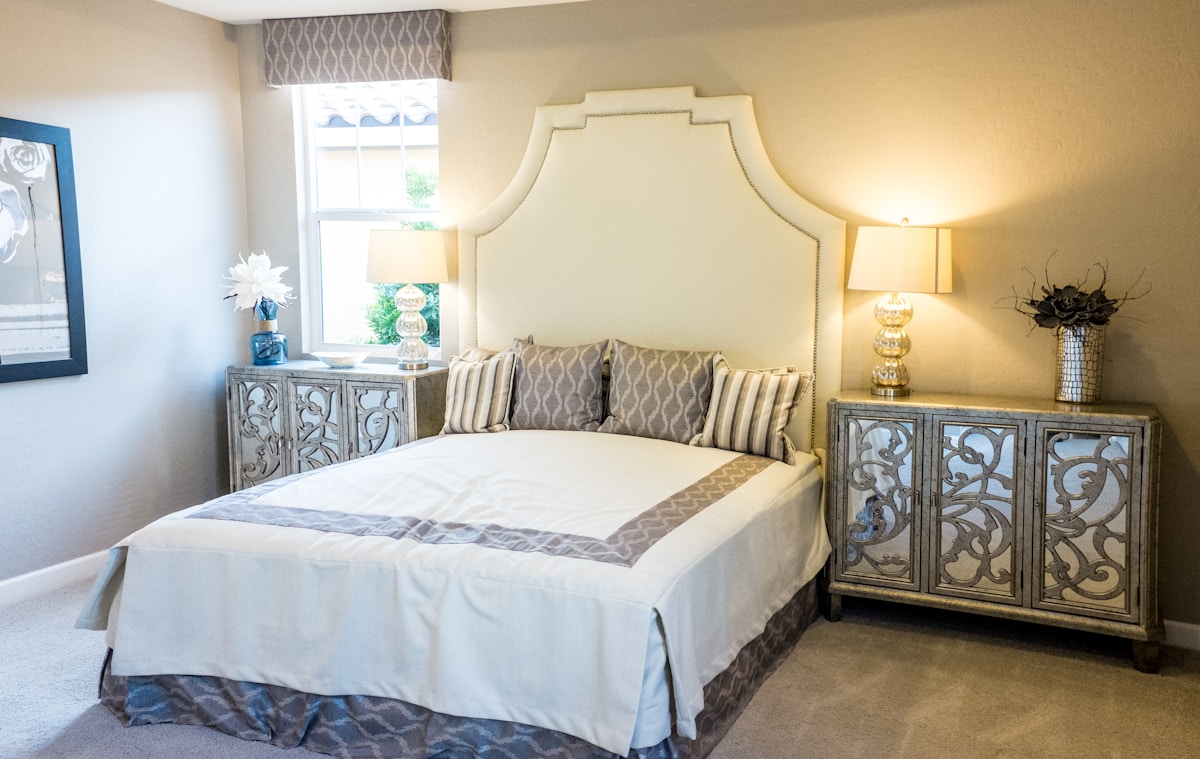
Transforming Spaces: The Art of Layering Textures in Interior Design
When it comes to interior design, one of the most effective strategies for creating a captivating and comfortable environment is the art of layering textures. Texture adds depth, dimension, and intrigue to any space, transforming a flat, lifeless room into a vibrant and inviting sanctuary. In this article, we will explore the importance of texture in interior design, the various types of textures you can incorporate, and practical tips on how to layer them effectively for a cohesive look.
The Importance of Texture in Interior Design
Texture plays a crucial role in the overall aesthetic and feel of a room. It engages the senses, creating a tactile experience that can evoke emotions and set the mood. Unlike color, which is often the first element people notice in a space, texture works behind the scenes to enhance the visual interest and comfort of a room. By varying textures, you can draw attention to specific areas, create focal points, and encourage movement throughout the space.
Moreover, layering textures can help balance a room. For instance, a space with hard surfaces—like metal, glass, or polished wood—can feel cold and uninviting. Introducing soft textures, such as plush textiles or natural fibers, can warm up the atmosphere and create a more inviting environment. This balance is essential for crafting spaces that feel both stylish and livable, catering to our inherent need for comfort and coziness.
Types of Textures to Consider
When layering textures, it’s essential to understand the different types available. Here’s a comprehensive list of textures you can incorporate into your design:
-
Natural Textures: These include materials such as wood, stone, and plants. Natural textures bring an organic feel to a space and connect us with nature.
-
Soft Textures: Fabrics like cotton, linen, velvet, and wool fall into this category. Soft textures are inviting and conducive to relaxation, making them ideal for bedrooms and living areas.
-
Hard Textures: Elements like glass, metal, and ceramic introduce a sleek, modern touch to a space. When used alongside softer materials, they can create a striking contrast.
-
Rough Textures: Think about exposed brick walls, stucco finishes, or reclaimed wood. Rough textures add character and can serve as a focal point in a room.
-
Smooth Textures: Sleek surfaces, such as polished marble countertops or smooth leather furniture, offer sophistication and elegance. They can help balance more rustic textures.
-
Patterned Textures: This includes wallpaper, area rugs, and textiles with intricate designs. Patterns can add visual interest and tie together various elements in a room.
By understanding these categories, you can create a diverse tapestry of textures that enhances the overall design of your space.
Practical Tips for Layering Textures
Now that we’ve established the importance of texture and its various types, let’s explore how to layer them effectively. Here are some practical tips to guide you:
-
Start with a Base Layer: Choose a dominant texture to serve as the foundation of your design. This could be a smooth wall finish, a soft area rug, or a large piece of furniture. This base layer will ground your design and provide a backdrop for the additional textures you introduce.
-
Mix Scale and Proportion: When layering textures, consider varying the scale of the items. For example, if you have a large, soft sofa, pair it with smaller, rough-textured accent pillows. This contrast creates visual interest and prevents the space from feeling monotonous.
-
Create a Cohesive Color Palette: While texture is important, color plays a significant role in tying different elements together. Choose a cohesive color palette that complements the various textures you’re layering. Neutral tones can serve as a great foundation, allowing bolder textures to shine.
-
Incorporate Natural Elements: Adding plants or flowers can enhance texture and introduce an organic feel to your space. The varying textures of leaves and blooms can soften hard surfaces and create a more dynamic environment.
-
Don’t Forget Lighting: Lighting can dramatically affect how textures are perceived in a space. Use a mix of ambient, task, and accent lighting to highlight different textures and create warmth. For example, strategically placed lamps can cast beautiful shadows on textured walls, enhancing their dimensionality.
-
Personalize with Accessories: Finally, use accessories to layer textures throughout your space. Consider items such as throws, cushions, curtains, and art pieces. These smaller elements allow for easy updates and can be swapped out seasonally to refresh your space.
Examples of Layering Textures
To illustrate the concept of layering textures, let’s look at a few examples of interior spaces that effectively utilize this technique.
Living Room: Imagine a cozy living room with a plush velvet sofa, a chunky knit throw draped over one arm, and a variety of patterned cushions. The walls are painted a warm gray, with an exposed brick accent wall that adds a rough texture. A soft wool area rug anchors the space, while sleek metal lamps provide modern flair. This combination of textures creates a warm, inviting atmosphere that feels both stylish and comfortable.
Bedroom: In a tranquil bedroom, a soft linen duvet cover contrasts with a reclaimed wood bed frame. Textured wallpaper adds depth to one wall, while fluffy sheepskin rugs provide warmth underfoot. A mix of decorative pillows in various fabrics and patterns adds visual interest, while sheer curtains allow soft light to filter in. This layering of textures creates a peaceful, restful retreat that invites relaxation.
Dining Room: Picture a dining room featuring a sleek glass table paired with upholstered chairs that have a soft texture. A woven table runner adds a natural element, while ceramic dishware introduces additional textures. An oversized pendant light made of woven rattan brings warmth and cohesion to the space, while the combination of hard and soft textures makes for an inviting dining experience.
Conclusion
Layering textures in interior design is an art that can transform any space into a visually enticing and comfortable environment. By understanding the various types of textures and employing practical layering techniques, you can create rooms that resonate with depth and personality. Remember to start with a strong base layer, mix different scales and proportions, maintain a cohesive color palette, and don’t shy away from incorporating natural elements and lighting. The result will be a harmonious blend of textures that not only looks beautiful but also feels inviting and livable.
As you embark on your design journey, explore ideas and inspiration online. Platforms like Pinterest can provide endless possibilities for layering textures, so be sure to check out creative examples from other designers. For instance, you may find inspiration in this collection [https://jp.pinterest.com/pin/962785226567497477/] or this one [https://ca.pinterest.com/pin/962785226600246106/]. Happy designing!