
In the whirlwind of modern life, it can be easy to feel disconnected, overwhelmed, and adrift. Amidst the chaos of daily obligations, creating meaningful rituals can offer a profound sense of stability and clarity. These daily practices serve as anchors, helping individuals to center themselves, reflect, and cultivate a deeper connection with their inner selves and the world around them. This article delves into the significance of daily rituals, how they can be tailored to fit your lifestyle, and the transformative benefits they can bring.
The Power of Rituals
Rituals have existed throughout human history, serving as a way to mark transitions, celebrate milestones, and connect with community. Today, the concept of ritual can be expanded beyond spiritual or religious practices to encompass everyday activities that bring intention and mindfulness into our lives. Rituals can range from the simple to the complex, yet their core purpose remains the same: to create a sense of purpose and belonging.
By establishing daily rituals, we create time and space for ourselves—time to pause, reflect, and recharge. In our fast-paced environment, these rituals can be immensely grounding. They provide structure to our days and invite a sense of sacredness into the mundane tasks we often rush through. Whether it’s a morning meditation, a post-lunch walk, or an evening journaling session, the opportunities to create meaningful routines are abundant.
Crafting Your Personal Rituals
The beauty of daily rituals lies in their adaptability; they can be customized to meet individual needs and preferences. Here are some steps to consider when crafting your personal rituals:
- Identify Your Intentions – Consider what you hope to gain from your rituals. Is it calmness, focus, creativity, or perhaps connection? Knowing your intentions will guide you in selecting the right practices.
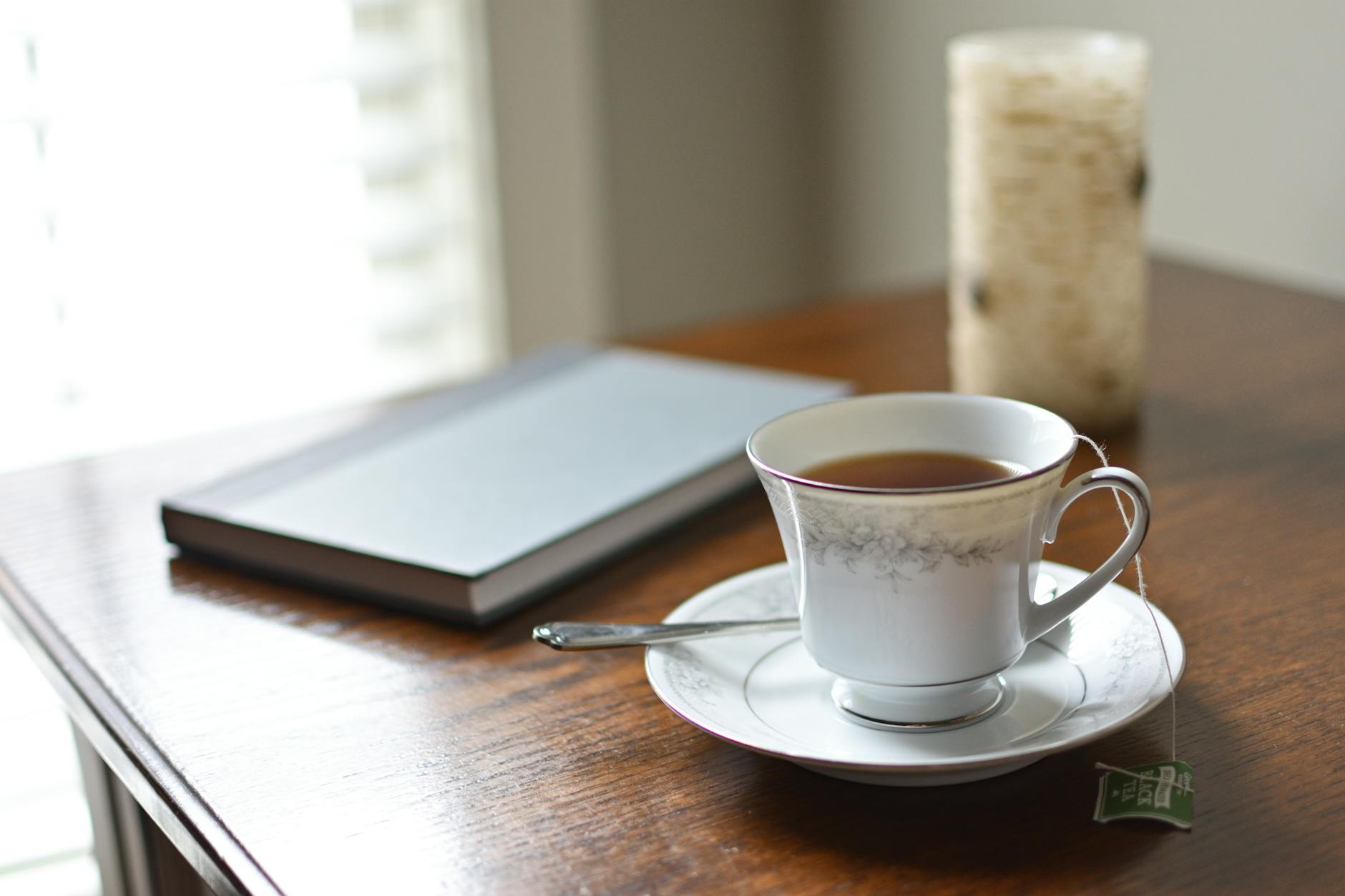
- Start Small – Begin with simple, manageable rituals that can be easily integrated into your daily routine. This could be as straightforward as sipping a cup of tea mindfully for five minutes each morning.
- Be Consistent – Consistency is key to establishing a ritual. Choose a specific time each day to perform your rituals, helping to turn them into ingrained habits.
- Stay Flexible – While consistency is essential, it’s also important to remain flexible. Life can be unpredictable, and the ability to modify your rituals will help you maintain their relevance and effectiveness.

Once you have identified the practices that resonate with you, consider varying the environments in which you perform them. Changing your location or ambiance can enhance the experience. For example, if you usually meditate in a bedroom, try moving to a quiet outdoor space to blend the serenity of nature with your practice. These small changes can refresh your ritual, keeping it meaningful over time.
The Transformative Benefits of Daily Rituals
Establishing meaningful daily rituals can yield profound benefits, influencing various dimensions of our lives. When practiced consistently, rituals cultivate mindfulness, enhance creativity, and contribute to emotional well-being.
Mindfulness and Presence – Engaging in ritualistic practices fosters a deeper sense of mindfulness. By dedicating moments in the day to focus entirely on a single task—be it lighting a candle, meditating, or journaling—we allow ourselves to be present, promoting clarity and reducing anxiety. This mindful presence can permeate other areas of our lives, making us more attuned to our experiences and emotions.
Creativity and Self-Expression – Rituals can also serve as an outlet for creativity. Whether through artistic expression, cooking, or crafting, incorporating creativity into rituals allows us to explore and express our identities. These moments of creation can be profoundly fulfilling and can lead to insights about ourselves that may not emerge in our everyday rush.
Emotional Resilience – Engaging in daily rituals provides an opportunity to cultivate emotional resilience. Regularly setting aside time for reflection or gratitude journaling can help foster a positive mindset. It encourages us to acknowledge our feelings, process our experiences, and ultimately develop a greater capacity to navigate the ups and downs of life.

Moreover, the practice of gratitude, often woven into personal rituals, can enhance our overall outlook on life. By regularly reflecting on what we are thankful for, we train our minds to focus on positive aspects, fostering a greater appreciation for life’s moments.
Incorporating Community into Your Rituals
While personal rituals can be profoundly meaningful, consider the benefits of incorporating community into your practices. Sharing rituals with others can enrich the experience, providing a sense of belonging and connection.
Community rituals can take many forms, from group meditation sessions to collective celebrations of milestones. These shared experiences can create lasting bonds and foster support systems that enhance emotional well-being. Engaging in rituals with others amplifies the energy and intention behind the practice, creating a shared memory that resonates beyond the moment.
In addition, consider partnering with friends or family to commit to shared rituals. This could be a weekly yoga class, a monthly book club, or even a simple dinner gathering where everyone shares something they are grateful for that week. Such activities not only strengthen relationships but also serve as a reinforcement of commitment to personal growth.

Ultimately, the beauty of daily rituals lies in their ability to foster personal and communal connections. By finding and nurturing rituals that resonate with us, we deepen our understanding of ourselves and the world, paving the way for a more fulfilling life.
As we explore and cultivate our daily rituals, we embark on a journey of self-discovery, mindfulness, and connection. The transformative potential of these practices reminds us that even in our busy lives, we can carve out meaningful moments that nourish our souls, enhance our well-being, and bring joy to our everyday experiences.
