
Luxury interior design is more than simply purchasing high-end furniture or adopting the latest trends. It’s about creating a cohesive and harmonious environment that reflects personal style while providing comfort and functionality. As homeowners and designers navigate the intricacies of luxury design, they often fall into common pitfalls that detract from the overall aesthetic. Understanding these mistakes is crucial in achieving a refined space that genuinely feels luxurious.
Prioritizing Trends Over Timelessness
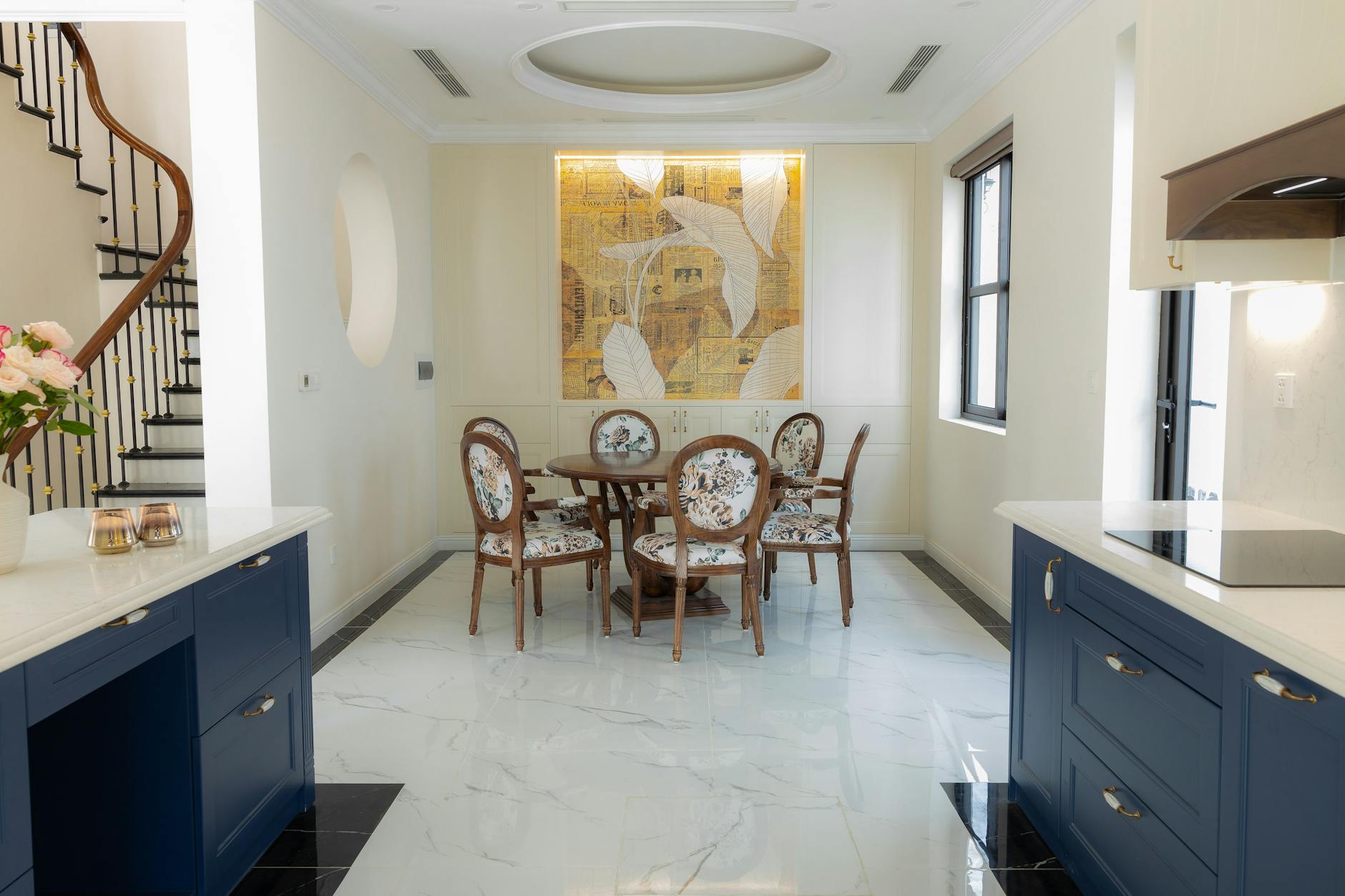
One of the most prevalent missteps in luxury interior design is prioritizing fleeting trends over enduring styles. While it may be tempting to incorporate the latest hues or popular materials, these choices can quickly become outdated. Instead, investing in timeless design elements ensures that a space will remain stylish and relevant for years to come. Classic colors, elegant textures, and enduring furniture styles create a foundation that can be easily updated with interchangeable accessories.
For example, rather than opting for a bright, trendy color palette, consider selecting a neutral base and layering in dynamic pieces through art, textiles, or decorative accents. This approach allows for flexibility, making it easier to refresh the look without a complete overhaul. Choosing high-quality, timeless materials—like natural stone or hardwood—also enhances the longevity of the design and underscores a sense of luxury.
“Timeless design transcends trends and speaks to a refined aesthetic that endures.”
Neglecting Proportions and Scale
Another common issue in luxury interior design is a failure to consider the scale and proportions of furniture and decor within a space. Selecting oversized furniture for a compact room or small pieces for a grand area can disrupt the flow and balance of the entire environment. Proper scale is key to creating an inviting atmosphere where each element complements the others.
To achieve harmony, it is essential to measure the dimensions of both the room and its furnishings before making purchases. Area rugs should also be selected wisely—larger rugs can unify a space, while smaller ones may make it feel disjointed. Additionally, paying attention to vertical space can draw the eye upward, creating an illusion of greater height and making the room feel more expansive.
Ignoring the Importance of Lighting
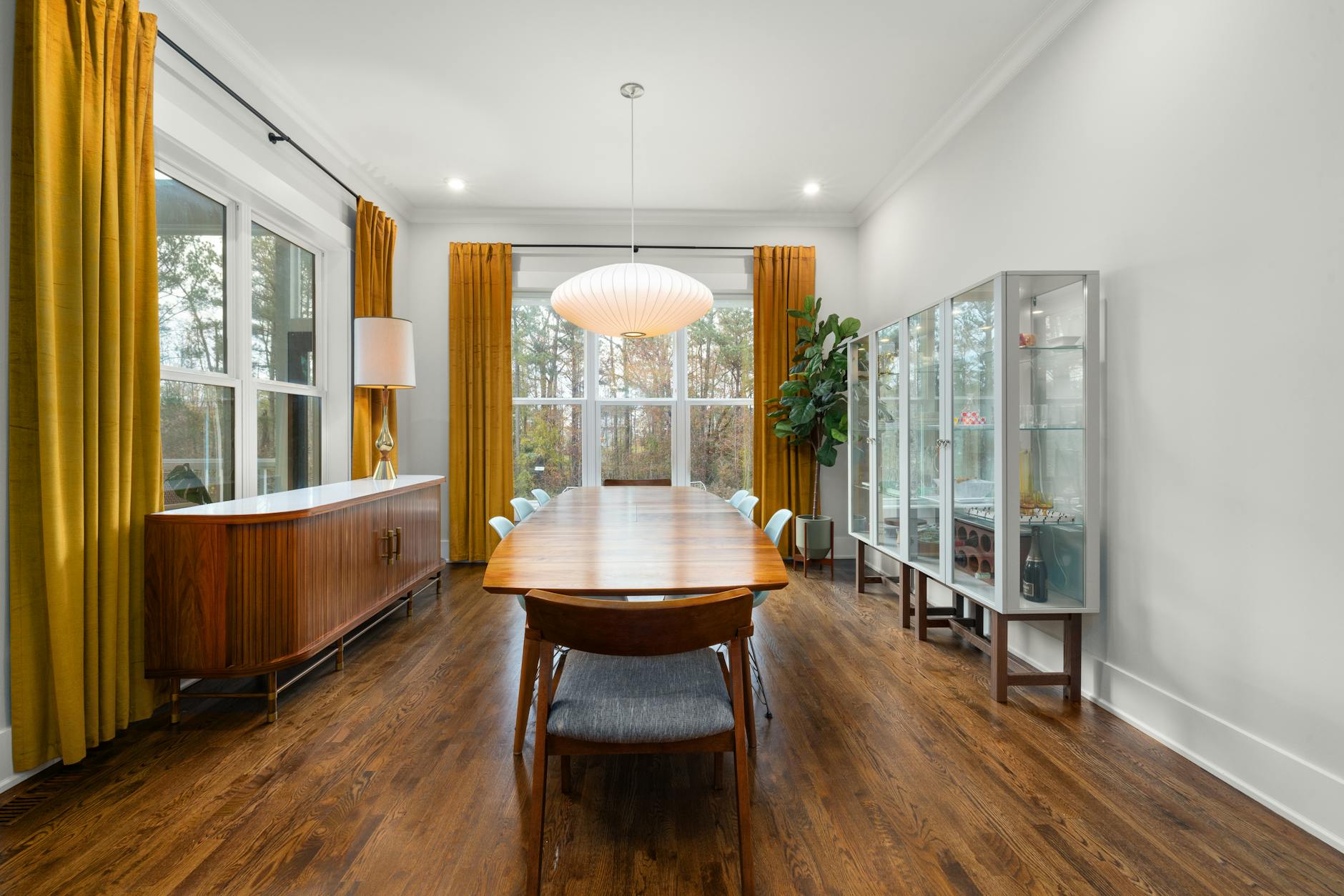
In the realm of luxury interior design, lighting often receives insufficient attention. However, it plays a pivotal role in shaping the ambiance and functionality of any space. Relying solely on overhead lighting can create harsh shadows and an uninviting atmosphere. Instead, a layered lighting approach that incorporates ambient, task, and accent lighting is essential to achieving a well-rounded and elegant feel.
Consider incorporating dimmable fixtures to adjust the mood throughout the day and selecting unique statement pieces, such as chandeliers or sculptural lamps, which can serve as focal points. Natural light shouldn’t be overlooked, either; maximizing windows by choosing sheer or light-diffusing curtains allows the beauty of the outdoors to enhance the interior while maintaining privacy.
“The right lighting can transform a space, highlighting its best features and setting the desired mood.”
Overcrowding the Space
Many individuals mistakenly associate luxury with excess, leading to cluttered and overcrowded interiors. While a curated selection of items can signal opulence, an overabundance of decor can overwhelm a space, making it feel chaotic rather than elegant. To achieve a sense of luxury, it is important to embrace the concept of minimalism, allowing each piece of furniture and decor to breathe.
Implementing a “less is more” philosophy encourages thoughtful selections that reflect personal style without sacrificing function. Focus on key pieces that make a statement, and consider utilizing negative space to create visual interest. This deliberate arrangement allows for a more relaxed atmosphere while still showcasing the beauty and craftsmanship of individual items.
Forgetting Personalization
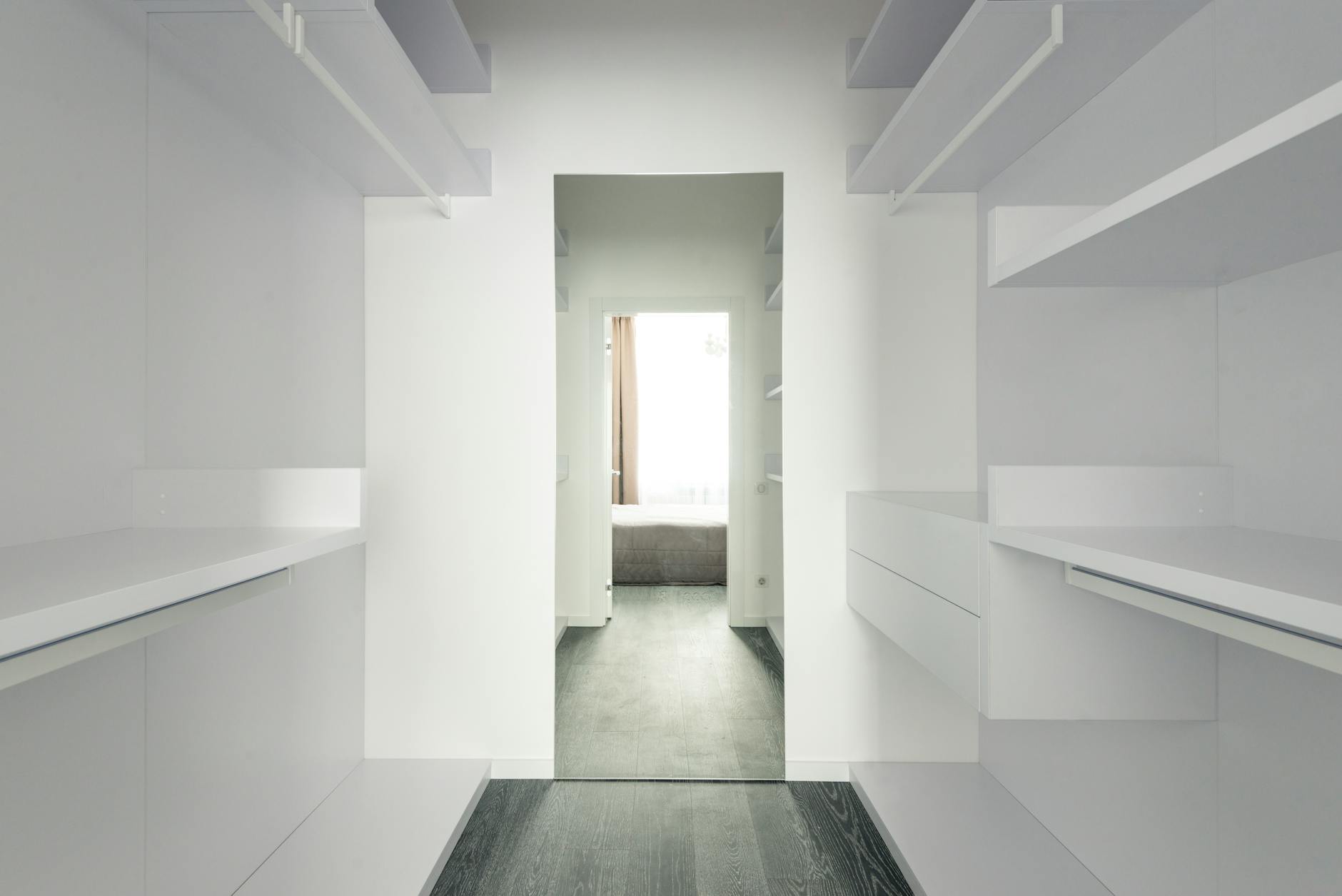
In the pursuit of luxury, some may forget the importance of personalization in interior design. A space that lacks personal touches can feel sterile, despite its high-end furnishings. Luxury is not only about the cost of objects but also about the significance they hold. Incorporating meaningful art, heirlooms, and decor that reflects personal history adds depth to a space, making it inherently luxurious.
Consider curating a gallery wall featuring personal photographs and artworks that resonate with your experiences. Meanwhile, a well-placed heirloom accent can serve as a conversation starter, enhancing the connection between the inhabitants and their environment. A well-designed luxury space should work in harmony with the stories and identities of those who dwell within it.
“Luxury design should reflect who you are, making every room a narrative of your life and style.”
Conclusion
Avoiding common mistakes in luxury interior design can lead to a more cohesive, elegant, and personalized space. By prioritizing timeless elements, considering scale and lighting, practicing minimalism, and infusing personal touches, homeowners can create an environment that truly embodies luxury. Remember, the goal is not just to fill a space with expensive items but to cultivate an atmosphere that resonates with beauty, comfort, and an unmistakable sense of style.
