
In the fast-paced world we inhabit today, authenticity in interior design has emerged as a crucial element. As we increasingly navigate through mass-produced items, digital distractions, and fast fashion, the desire for spaces that reflect our true selves is more pertinent than ever. Authenticity transcends mere aesthetics; it speaks to our values, our histories, and the experiences that shape who we are. This article delves into the significance of authenticity in interior design while exploring its impact on well-being, sustainability, and personal expression.
The Shift from Trends to Timelessness
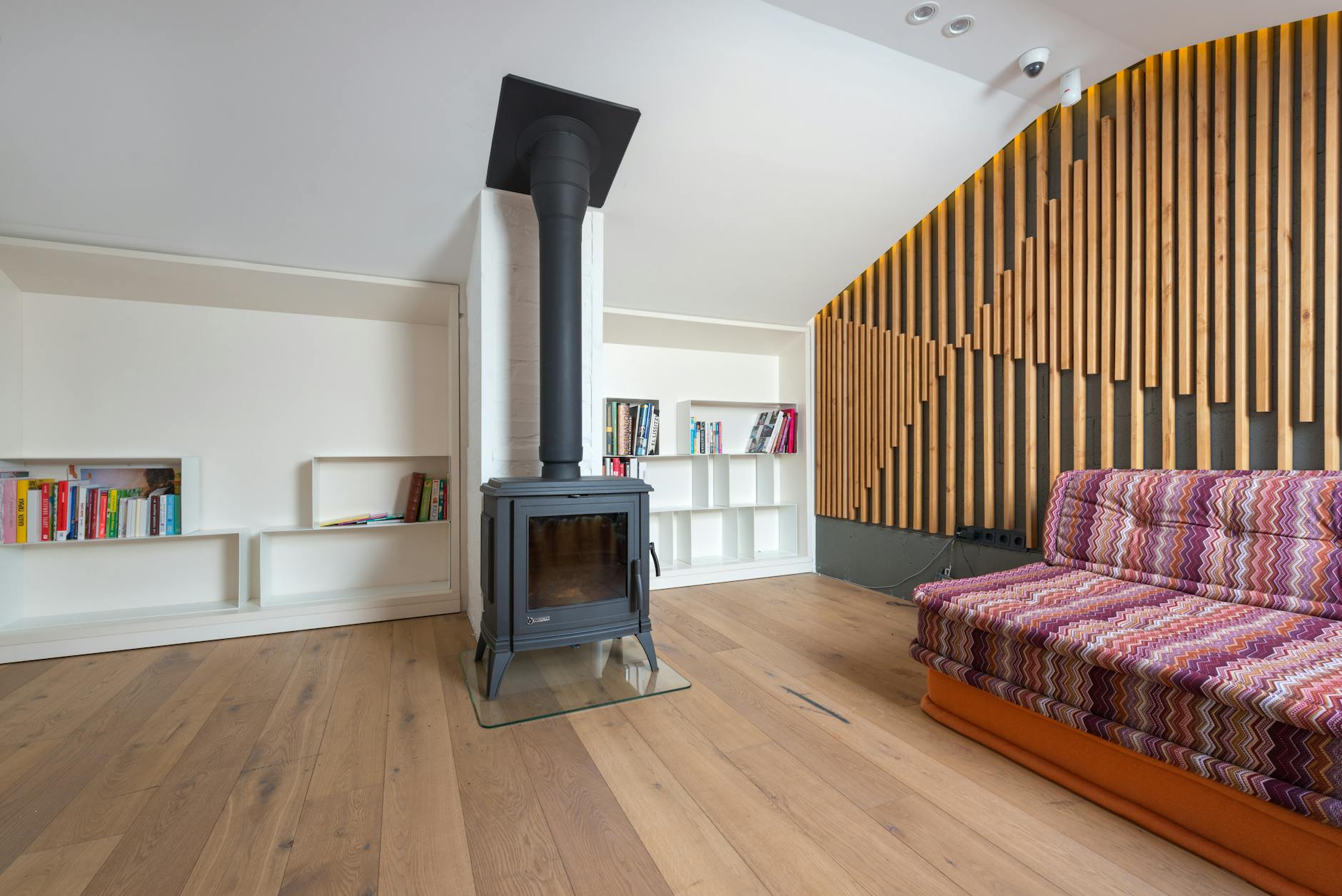
Interior design has long been influenced by trends—styles that capture the collective imagination of a moment but often fade as quickly as they arise. The rise of social media platforms has accelerated this phenomenon, making it easier to replicate looks without understanding their inherent value. However, the allure of trend-driven design often wears thin. People are beginning to realize that their homes should not be a reflection of the latest Instagram trend but rather a sanctuary that encapsulates their individuality.
This shift towards authenticity encourages homeowners to consider timeless designs that resonate with their personal narratives. Items collected from travels, family heirlooms, or even pieces created by local artisans form a narrative tapestry that celebrates unique experiences. When spaces are crafted with intention, they tell a story, fostering emotional connections that mere trend-chasing cannot replicate.
Fostering Connection Through Design
One of the most powerful aspects of authentic interior design is its ability to foster connection—both with ourselves and others. Spaces that reflect our true selves promote comfort and warmth, creating an atmosphere where genuine interactions can flourish. Whether it’s a cozy reading nook adorned with cherished books or a dining area that showcases the eclectic array of culinary tools from various cultures, authenticity encourages a deeper bond between the inhabitants and their surroundings.
“Your home should tell the story of who you are, and be a collection of what you love.” – Nate Berkus
Social gatherings become enriched when individuals feel at ease in environments that resonate with their identities. When spaces reflect personal stories and cultural backgrounds, they invite diverse narratives, fostering dialogue and connection. This authenticity encourages people to create memories in spaces they love, ultimately enhancing their relationships with others.
Sustainability and Authenticity: A Natural Alliance
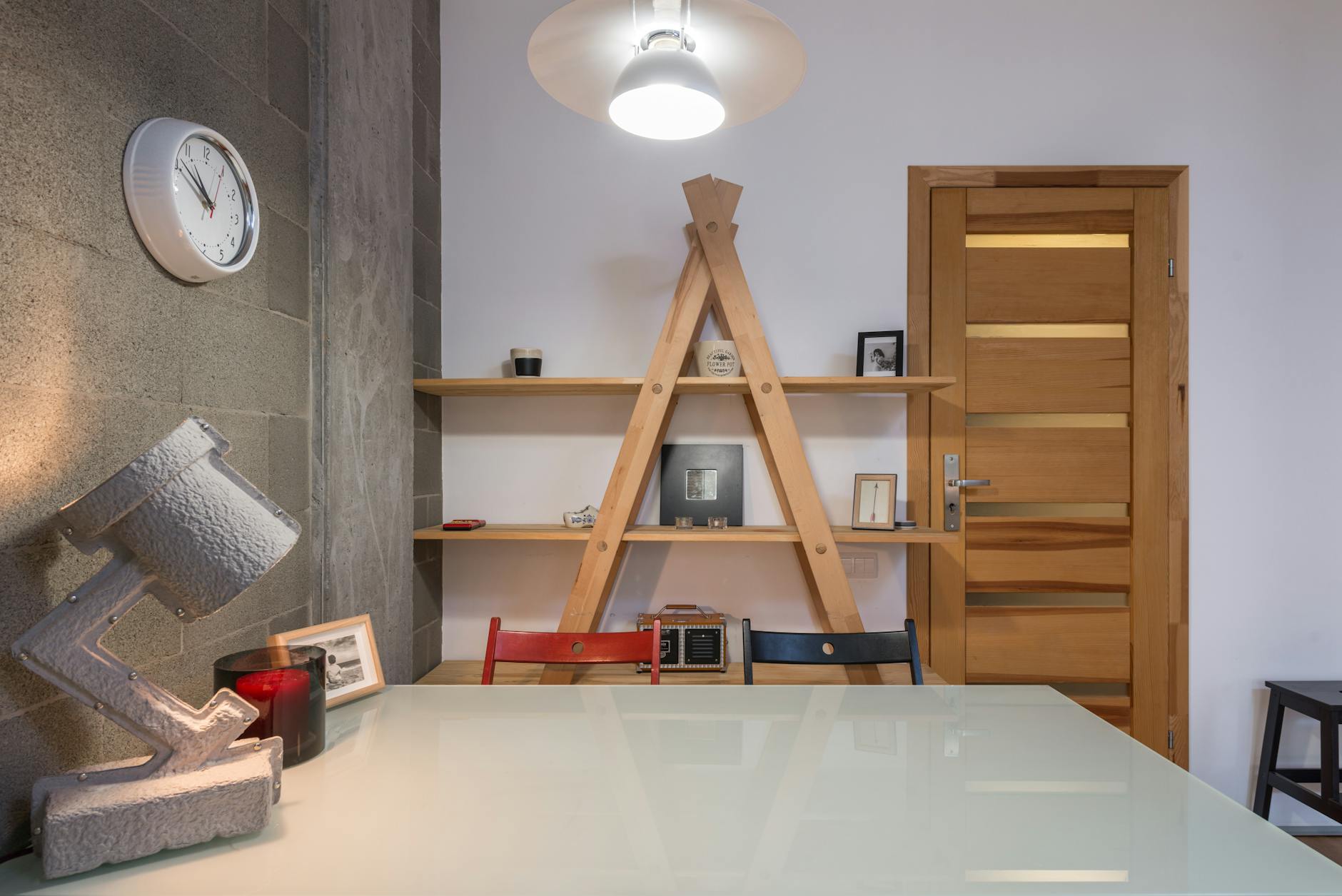
The pursuit of authenticity aligns closely with the principles of sustainability, as people increasingly seek to make mindful choices about the materials and items they bring into their homes. The fast furniture movement has propagated the idea that we must continuously consume new, fleeting designs; however, many are starting to question the long-term costs to the environment and their personal well-being.
Choosing authentic pieces often means opting for higher-quality, sustainably sourced materials that stand the test of time. Items that are well-crafted, whether they are handmade or locally produced, reduce waste and promote ethical practices within the industry. This not only benefits the environment but empowers local artisans and craftspeople, helping to sustain community economies that hold cultural significance.
Integrating sustainability into authenticity is about making conscious decisions that reflect our values. It encourages us to explore vintage markets, support local makers, and consider the life cycle of items we bring into our homes. Such choices contribute to a more authentic living experience by connecting us with the stories behind the materials we cherish.
Personal Expression and Psychological Well-being
When spaces are a true reflection of ourselves, they serve as powerful tools for enhancing psychological well-being. Authentic interiors resonate with our individual styles, fostering an environment that nurtures our mental health. Surrounding ourselves with meaningful objects can evoke positive emotions, inspire creativity, and nurture a sense of belonging.
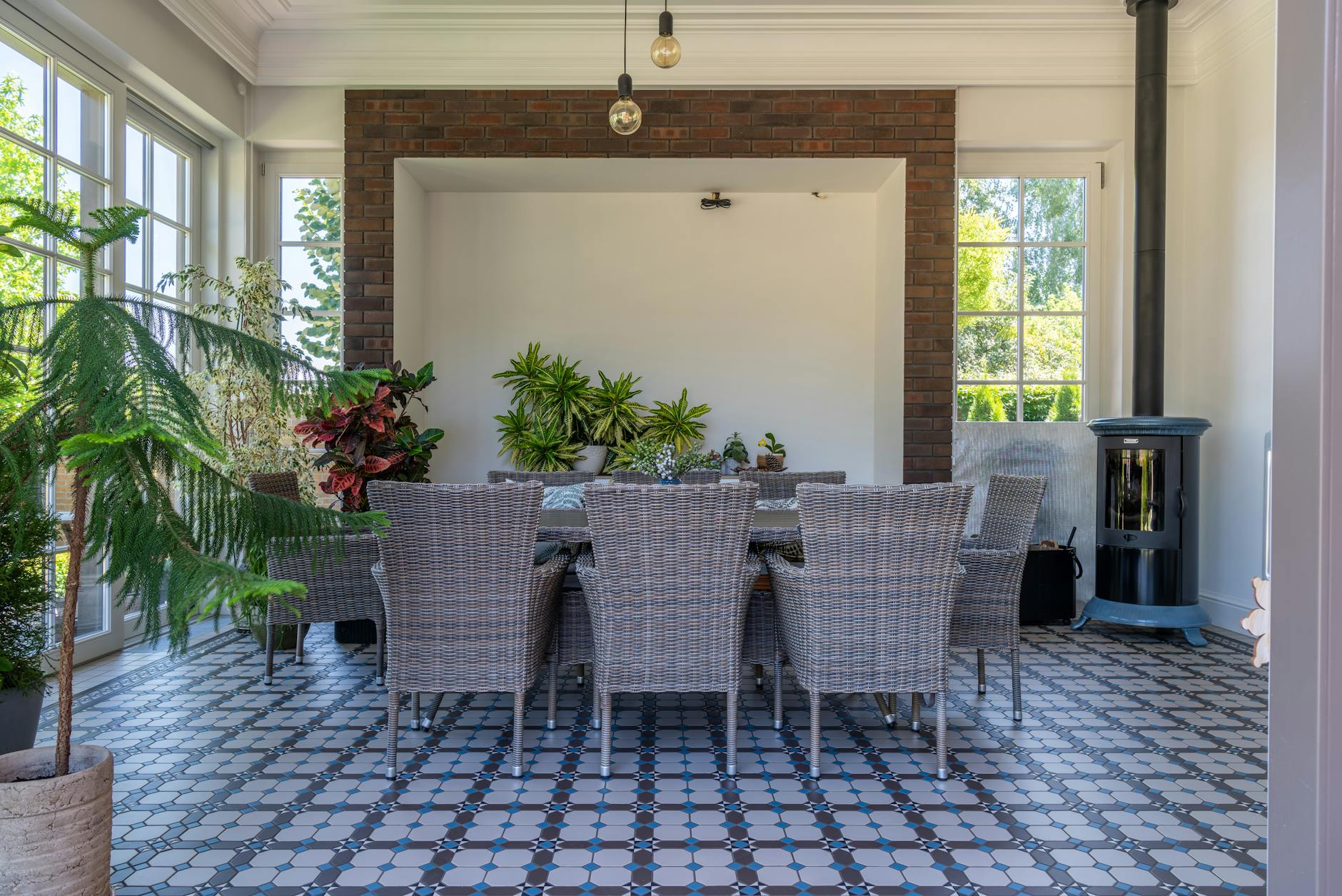
Consider how a carefully curated gallery wall, showcasing personal photography or art, might uplift the spirits of those who reside within the space. A room filled with natural light, verdant plants, and handcrafted furniture can significantly impact mood and productivity. Engaging with our environments in a manner that feels genuine not only creates a nurturing atmosphere but also promotes self-acceptance and authenticity in our daily lives.
Interior design that prioritizes authenticity becomes a form of self-expression, where every choice reflects personal taste and experiences. When we curate our spaces with intention, we articulate who we are, helping to create a sanctuary that resonates with our values and aspirations.
Conclusion: A Call to Embrace Authenticity
In a world increasingly characterized by disconnection, the embrace of authentic interior design offers a pathway to re-establishing a sense of identity, community, and well-being. As we navigate the complexities of modern living, making choices that resonate with our true selves holds the power to transform not only our spaces but also our emotional landscapes. Authenticity in design is more than just a trend—it’s a vital ingredient for crafting environments that nourish and inspire. Now is the time to reflect, curate, and create spaces that boldly express who we are and what we value.
