
Art fairs have become a dominant force in the art world, serving not just as a marketplace for buying and selling, but also as a vibrant social scene where high society gathers to celebrate culture, creativity, and investment. They provide an opportunity for collectors, artists, gallery owners, and art lovers to converge, foster connections, and engage in dialogues around contemporary art. This article delves into the significance of art fairs in high society, exploring their impact on culture, community, and the economy.
Avenue for Cultural Exchange
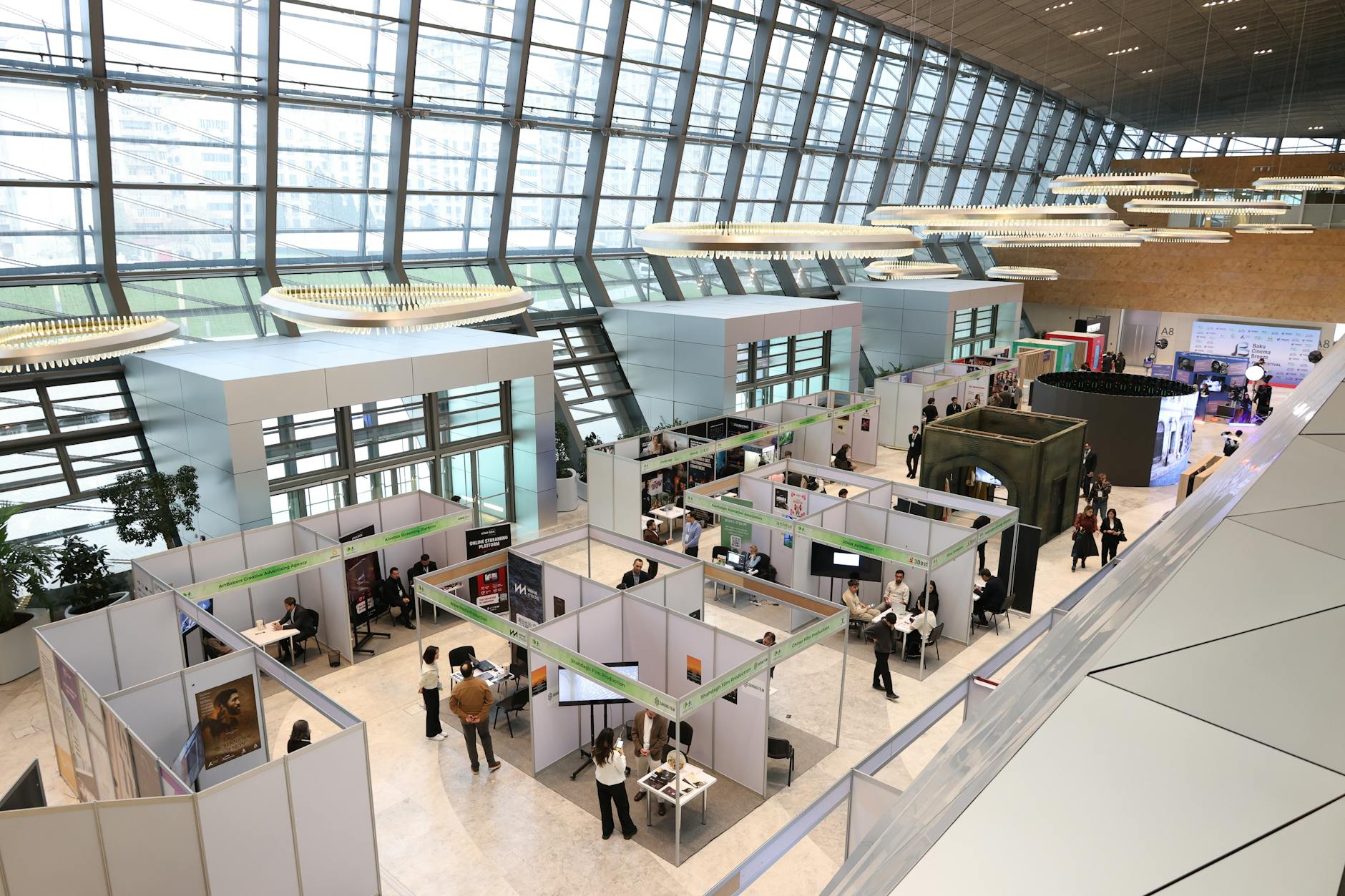
Art fairs offer a unique platform for cultural exchange, allowing diverse voices and perspectives to come together. Major events like Art Basel, Frieze, and The Armory Show attract international artists and galleries, providing a chance for collectors to discover new talent and emerging artists. These events feature a wide array of artistic styles, from contemporary installations to modern classical pieces, appealing to a variety of tastes and cultural backgrounds.
In addition to displaying artworks, art fairs often host panel discussions, talks, and presentations featuring thought leaders in the art community. These discussions encourage dialogue not only about the artworks on display but also about broader societal themes such as politics, identity, and environmental issues. Such conversations can elevate the art fair experience beyond mere commerce, transforming it into a pivotal moment for intellectual engagement and community building.
Furthermore, art fairs act as a mirror to contemporary society, reflecting its trends and challenges. The presence of socially engaged art, which often comments on pressing political and environmental issues, illustrates the deepening interconnection between art and activism. Through these exhibitions, attendees can engage with significant ideas while enjoying an elegant social atmosphere.
The Social Aspect: Networking and Influence
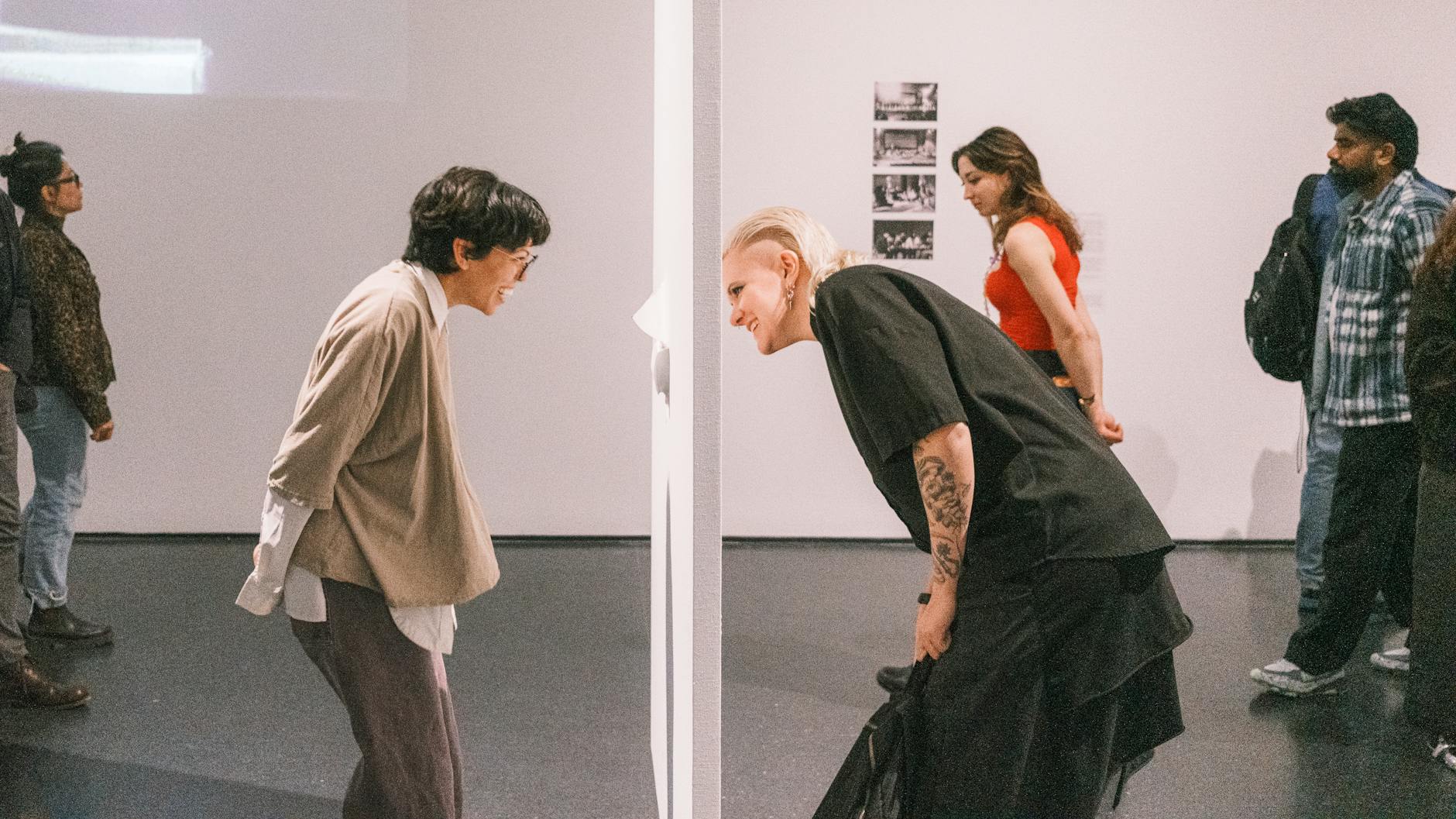
High society members have long utilized art fairs as networking opportunities. The glamour of art fairs attracts socialites, philanthropists, and influential figures from various sectors—business, fashion, and entertainment—creating an environment ripe for building connections. The mingling of personalities from different backgrounds enriches the art scene and allows for unique collaborations.
For many, ownership of art becomes not just a matter of aesthetics but a symbol of status and refinement. The acquisition of high-value pieces often leads to social recognition, establishing collectors as key players in the elite art world. Furthermore, attendees may find their social calendars enriched with invitations to exclusive events and galas tied to specific fairs or exhibitions, solidifying their standing in high society.
Moreover, art fairs often attract media attention, providing significant publicity for both the artists showcased and the collectors who purchase their work. This amplifies the prestige associated with ownership and participation, as coverage can elevate an individual’s profile within cultural and economic spheres. The synergy between art, social status, and media representation creates an environment where art fairs serve not only as an outlet for commerce but also as a means for influence and recognition.
Economic Impact and Investment Potential
The economic implications of art fairs extend far beyond the walls of the exhibition space. With billions of dollars generated in sales annually, they contribute significantly to the global art market. In recent years, the art sector has seen increasing interest from investors seeking alternative assets. Investing in art can yield considerable returns, especially for works from emerging artists and established names. Art fairs provide a concentrated venue where purchases can be made with the assurance of authenticity and provenance.
Additionally, the presence of art fairs in various cities boosts local economies. They attract tourism, and hospitality industries, and create jobs related to event planning, logistics, and service sectors. The economic benefits are not confined to the immediate area, as the rise of art fairs can influence the development of art districts, galleries, and creative spaces, further enriching the cultural landscape.
For collectors, art fairs offer opportunities to see a wide range of artworks in a short time, facilitating informed decision-making. This convenience is essential in a fast-paced market where trends shift rapidly. As collectors navigate the art fair landscape, they often find that their investments have profound implications for their personal aesthetic, cultural identity, and social standing.
The Future of Art Fairs in High Society
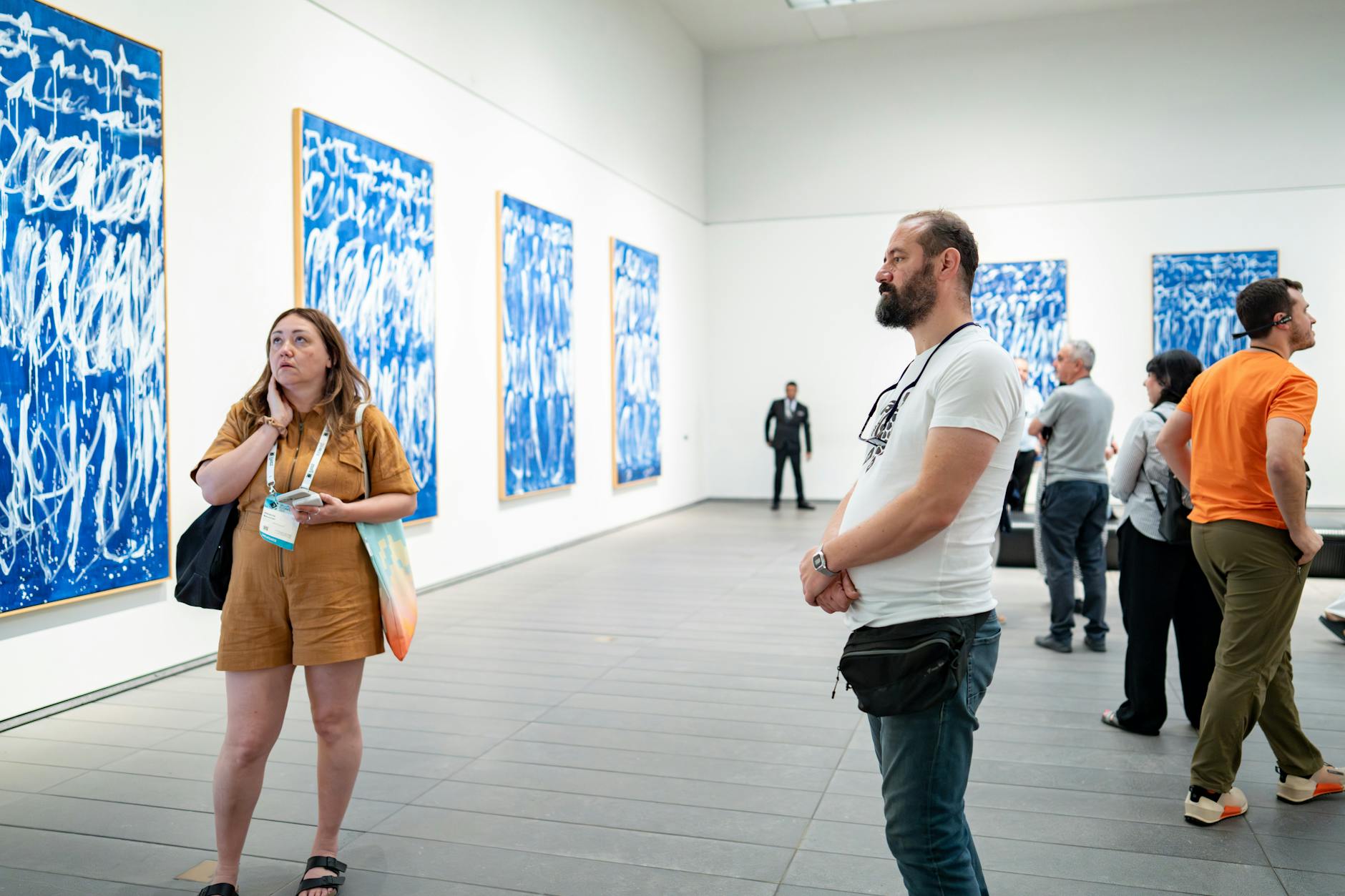
The future of art fairs in high society is poised for transformation as technology continues to evolve. Digital art fairs and virtual exhibitions have emerged, particularly accelerated by the recent global events that shifted the landscape of social gatherings. Hybrid models combining both physical and online experiences are likely to continue, making art more accessible to a broader audience while retaining the exclusivity that high society values.
As the art world embraces diversity and inclusivity, we can expect to see a shift in the types of artists and works showcased at these fairs. Emerging and underrepresented artists will likely gain a foothold, reflecting the changing values of collectors and attendees who seek to support broader narratives within the art community. This evolution will enrich the cultural tapestry of high society and challenge traditional notions of prestige and taste.
In summary, art fairs serve as much more than mere sales platforms; they are dynamic arenas where high society intersects with culture, community, and commerce. The intricate relationships formed at these events can shape trends, influence investments, and promote meaningful dialogues that resonate far beyond the gallery walls. As we look to the future, the role of art fairs will undoubtedly continue to evolve, adapting to the needs of a changing society while remaining a staple in the fabric of high culture.
