
Interior design is not merely about aesthetics; it is about the thoughtful integration of materials that evoke a sense of luxury and uniqueness. In elite interiors, where every detail is meticulously curated, rare materials play an essential role. From artisanal finishes to sustainable sourcing, the use of rare materials not only enhances visual appeal but also imbues spaces with stories and heritage. This article explores some of the most exquisite rare materials in elite interior design, how they are sourced, and the impact they have on a space.
1. The Allure of Exotic Woods
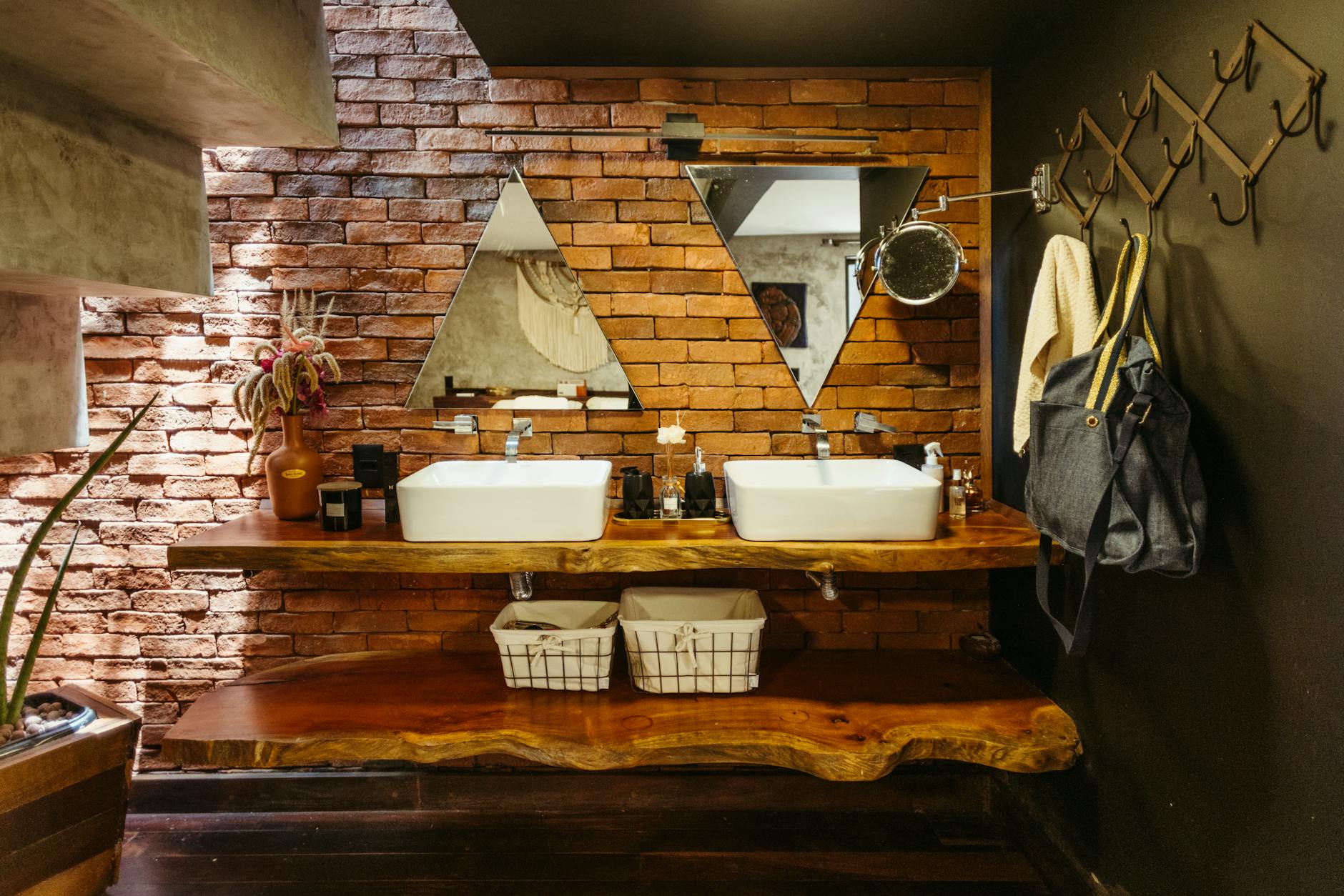
Exotic woods, such as ebony, mahogany, and teak, are prized for their rich colors, distinct grain patterns, and durability. These materials are not only beautiful but also offer a tactile experience that elevates the ambiance of a space. For example, African Blackwood—an extremely rare and dense timber—has a deep, dark hue that adds sophistication and warmth to high-end interiors. Due to its scarcity, blackwood is often used sparingly, making any piece crafted from it a conversation starter.
Moreover, sustainable sourcing of exotic woods is becoming a critical concern. Designers are increasingly looking for verified suppliers who provide materials harvested responsibly. This trend is exemplified by the rise of reclaimed woods, which not only reduces the demand for newly sourced timber but also adds a layer of history to design projects. Each piece tells a story that connects the present with the past, a narrative that resonates with discerning clients.
2. Handcrafted Stone Surfaces
Natural stones like onyx, marble, and granite continue to be a favorite among elite designers, but some are choosing less conventional options for their designs. Rare stones like Calacatta Viola, characterized by its bold purple veining, create an eye-catching focal point in spaces. Unlike its more common counterparts, this marble source is limited, making every slab a unique treasure. Incorporating such rare stone surfaces into countertops, flooring, or wall features can transform mundane areas into spectacular showcases.
But the allure doesn’t end with appearance. The textures of these materials add depth and dimension to any design. Designers frequently experiment with backlighting on translucent stones like onyx, creating a dramatic effect that radiates luxury. Besides looks, the coldness of stone brings a natural coolness to interiors, making it perfect for warm climates. It’s a marriage of beauty and practicality—a hallmark of elite design.
“Craftsmanship and uniqueness are paramount; rare materials like handcrafted stone surfaces speak to a dedication to artistry in design.”
3. Textiles of Distinction
Textiles can dramatically influence a space’s atmosphere, and the elite interior design realm is no stranger to rare fabrics. Materials such as silk from the rarest silkworms, cashmere from Himalayan goats, and even alpaca wool are highly sought after for their softness and drapability. These textiles not only offer comfort but also bring an air of luxury that is unmatched by synthetic alternatives. A room dressed in silk drapery or cashmere throws becomes an oasis of tranquility.
In addition to their sumptuous feel, rare textiles often possess unique qualities that enhance their allure. For instance, the intricate weaves and patterns found in traditional brocade or Ikat fabrics can add a cultural richness to a room. This makes the choice of textiles an opportunity to merge luxury with storytelling, giving each space a distinctive character while emphasizing the importance of artisanal craftsmanship.
4. Incorporating Precious Metals and Gems
For those looking to make a grand statement, incorporating precious metals and gems into the design can yield stunning results. Gold leaf, for instance, has been used in decoration for centuries, but its application in modern interior design—on ceilings, walls, and furniture—adds a layer of opulence that few other materials can match. Similarly, materials like brass and copper are being reimagined in contemporary designs, featuring prominently in fixtures, furniture, and accents.
Rare gemstones like lapis lazuli and malachite are also being highlighted in luxury interiors. These stones can be used in surfaces or as decorative accents, bringing vibrant colors and patterns into space. Moreover, the tactile and visual qualities of these materials convey a sense of exclusivity that resonates deeply with upscale clientele. In addition, integrating these elements requires a careful balance; too much can overwhelm whereas the right touch can elevate a design to new heights.
“In elite interior design, the integration of precious materials is more than décor; it is a lifestyle choice reflecting sophistication and prestige.”
5. Unique Artisanal Elements
The world of elite interior design is also rich with artisanal elements that contribute a unique character to spaces. From handmade tiles to custom furniture, these elements are often crafted in limited quantities, making them rare finds. Artisanal ceramics, with their rich textures and patterns, can serve as stunning focal points in kitchens or bathrooms. Meanwhile, bespoke furniture created from rare materials stands out not only for its design but also for the story behind its creation.
Such artisanal works often embody the principles of sustainability and ethical production. Many elite designers are keen to support local artisans, ensuring that their projects not only look good but also promote responsible practices. This focus resonates with a growing clientele that values not just aesthetics but also the narratives surrounding the materials they choose for their homes. Artisanal elements thus play a vital role in creating interiors that are both luxurious and meaningful.
6. Embracing Sustainability with Rare Materials
As sustainability becomes integral to design philosophy, the use of rare materials is evolving. Eco-sensitive sourcing of precious resources is gaining traction among elite designers, who are increasingly mindful of the environmental impact of their choices. This shift is evident in the popularity of materials like sustainably harvested woods, recycled metals, and organic textiles. By prioritizing sustainability, designers can create spaces that are not only luxurious but also responsible.
The commitment to sustainability can also elevate the story behind materials. Spaces that feature reclaimed wood not only add character but also inspire conversations about preservation and history. Similarly, the use of upcycled metals in furniture design can showcase innovation in craftsmanship while reducing waste. This blending of luxury and sustainability in elite interior design is a trend that invites clients to be part of a greater narrative—one that values beauty, quality, and responsibility.
Final Thoughts
Rare materials are the lifeblood of elite interior design, bringing depth, character, and luxury to spaces. From exotic woods and handcrafted stone surfaces to exquisite textiles and artisanal elements, each material tells a story of its own. As designers navigate the balance between opulence and sustainability, the emphasis on unique materials will continue to shape the future of interior design. By embracing these rare resources, designers create interiors that are not merely beautiful but also infused with meaning and identity, ensuring that each space is truly one of a kind.
