
Water has an enchanting quality that captivates the human spirit. Among the countless forms it takes, lakes stand out as serene oases of beauty, inviting exploration and reflection. From the crystal-clear glacial waters of the Arctic to the vibrant hues of tropical lagoons, every lake has its own tale to tell. In this article, we’ll embark on a journey to discover some of the most beautiful lakes in the world, each a gem in its own right.
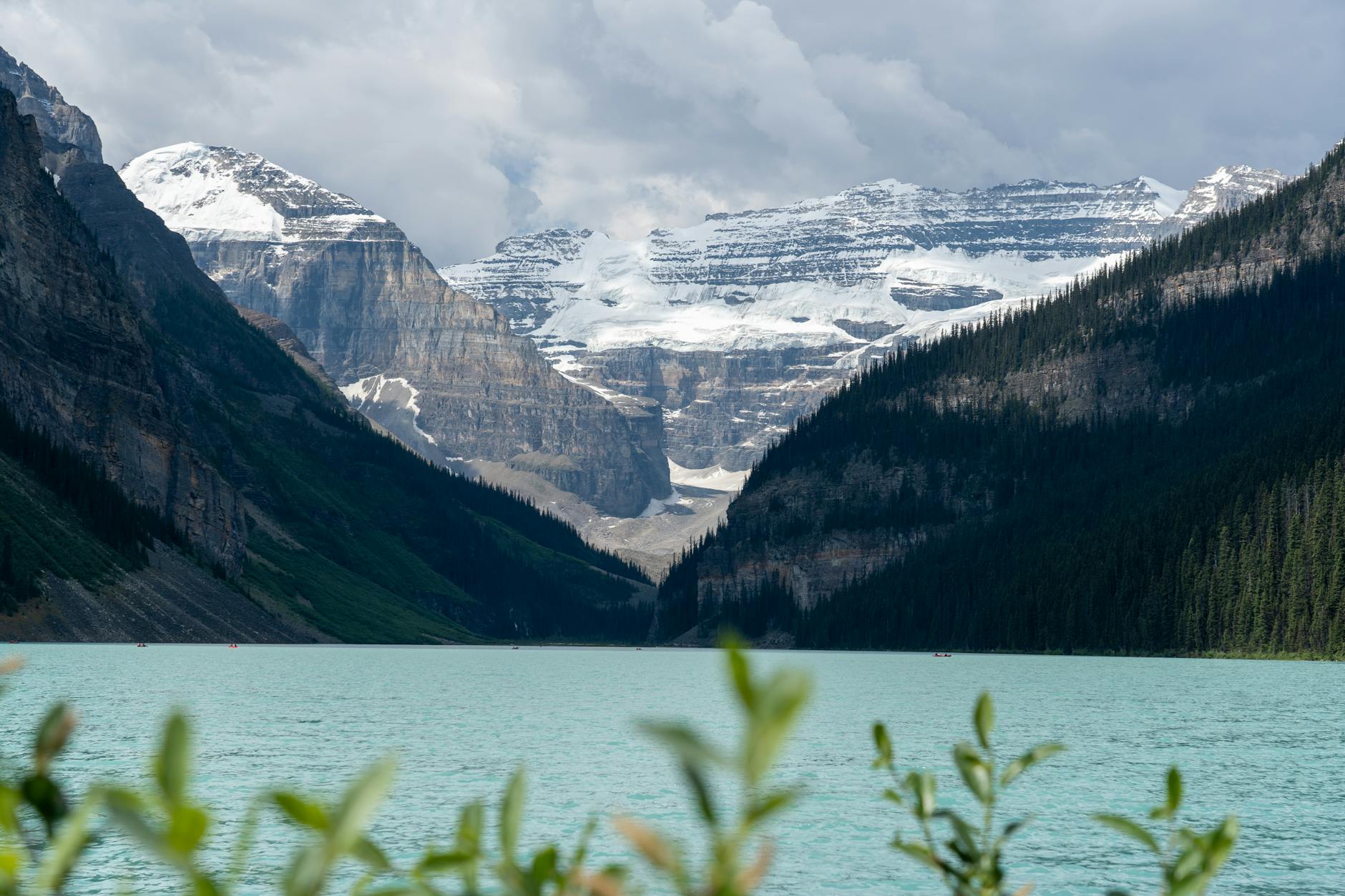
Lake Louise, Canada
Nestled in the heart of the Canadian Rockies, Lake Louise is often referred to as the jewel of Banff National Park. This stunning glacial lake is renowned for its striking turquoise waters, which come from the rock flour (finely ground rocks) carried into the lake by glacial melt. The vibrant color contrasts dramatically against the backdrop of rugged mountains and lush forests, making it a favorite for photographers and nature lovers alike.
The lake covers an area of approximately 50 hectares (around 124 acres) and is surrounded by hiking trails that offer breathtaking views of the surrounding landscape. In winter, the area transforms into a winter wonderland, attracting skiers and ice skaters. A visit to Lake Louise isn’t just about enjoying the views; it also offers opportunities for canoeing in the summer and exploring the surrounding wilderness.
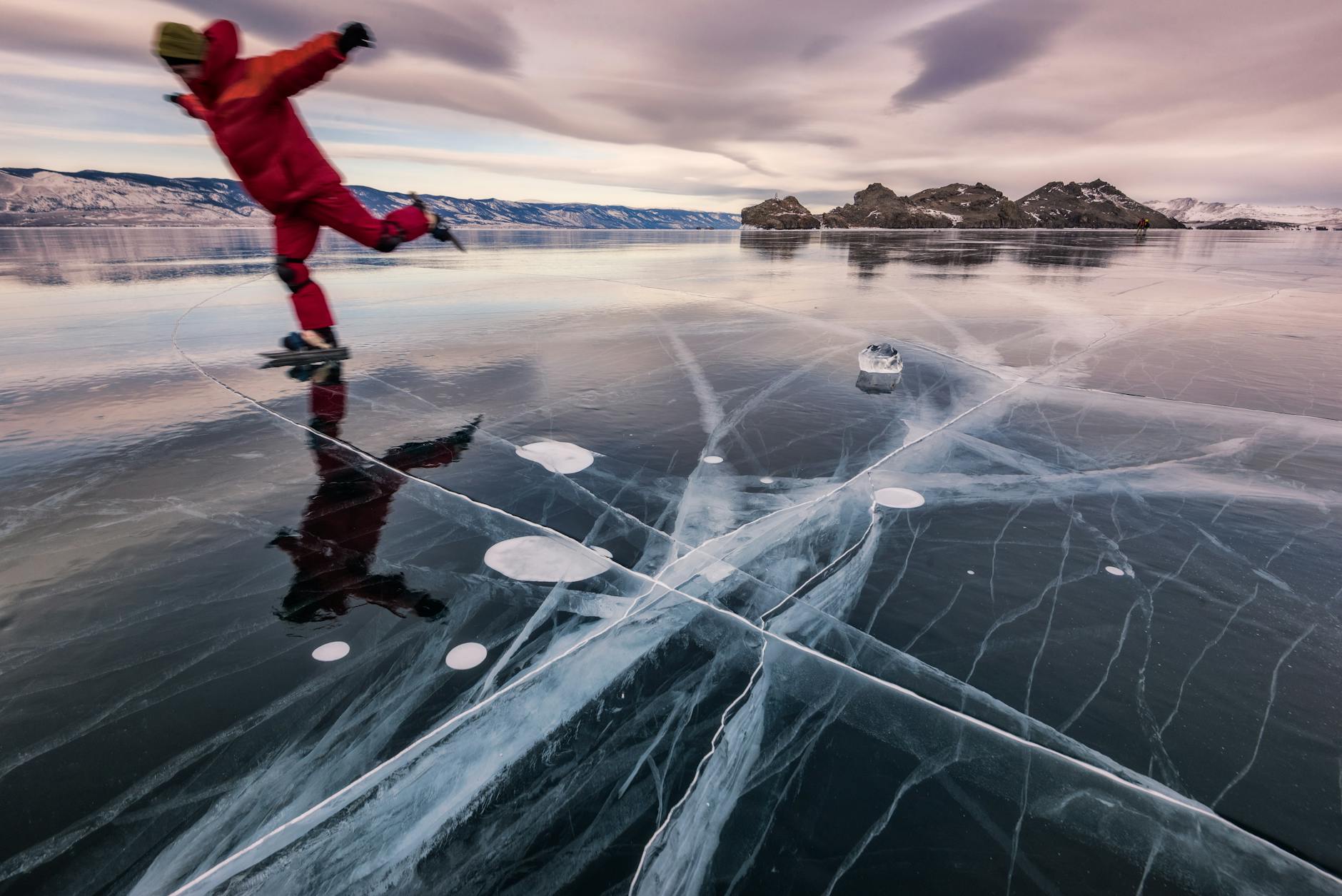
Lake Baikal, Russia
Located in Siberia, Lake Baikal is the world’s deepest and oldest freshwater lake, with a depth of over 1,600 meters (5,250 feet) and an estimated age of 25 million years. Often referred to as the ‘Pearl of Siberia’, Baikal is not only a natural wonder but also a UNESCO World Heritage Site. The lake’s unique ecosystem is home to thousands of species of plants and animals, many of which are found nowhere else on Earth, including the Baikal seal.
The incredible clarity of Baikal’s waters is a sight to behold, with visibility often exceeding 40 meters (131 feet). In winter, the surface freezes into a crystal-clear layer of ice, and adventurous spirits can explore its frozen expanse by walking or ice-skating. The vibrant colors of the surrounding landscapes, particularly during sunrise and sunset, turn this already breathtaking lake into a painter’s palette.
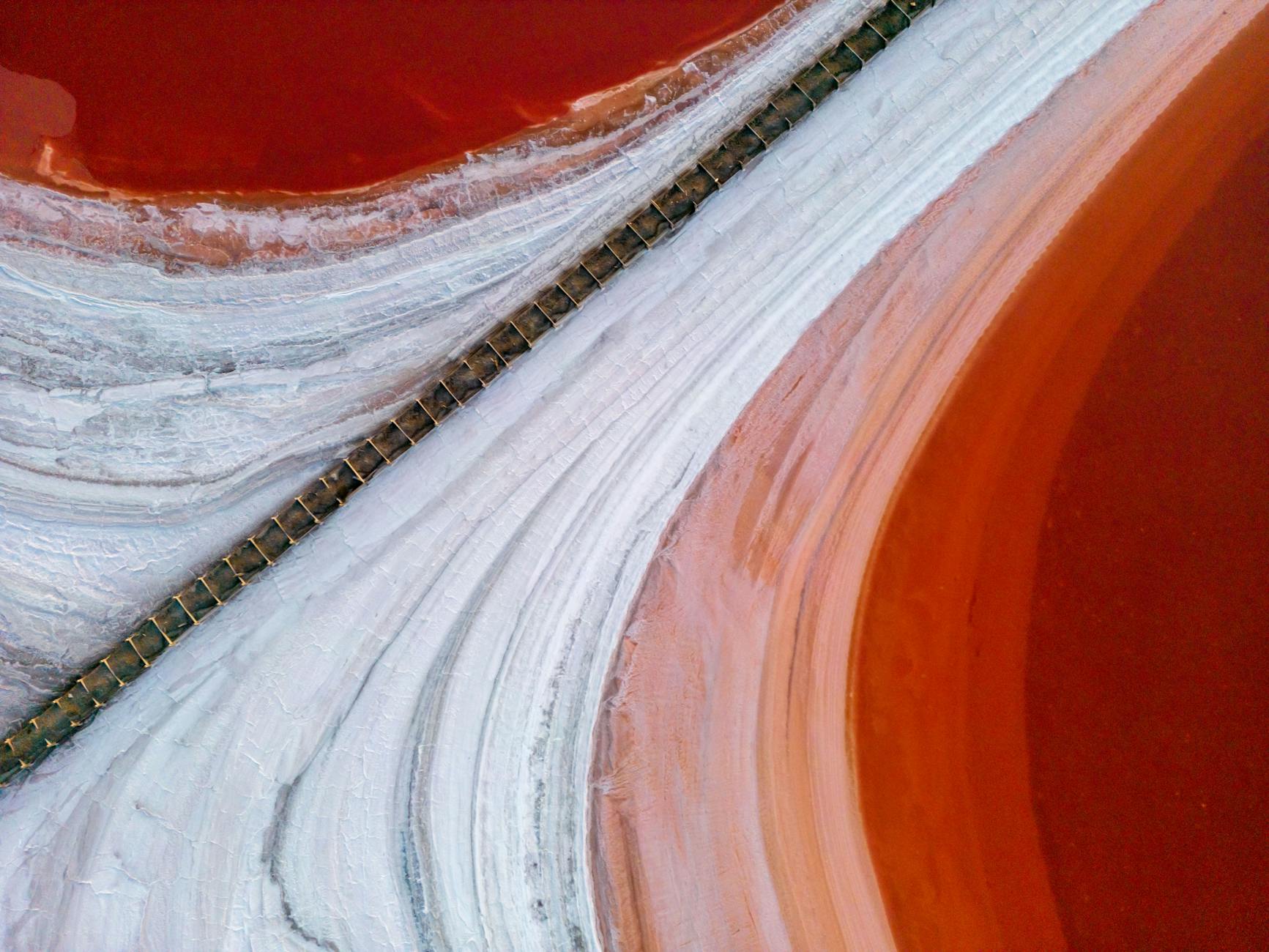
Lake Hillier, Australia
On Middle Island, the largest of the Recherche Archipelago in Western Australia, lies the extraordinary Lake Hillier. What sets this lake apart is its striking pink hue, a phenomenon attributed to the presence of certain algae and high salinity levels. Despite the peculiar color, the water is perfectly safe to swim in, although its vibrant shade is most visible from above.
The contrast between the electric pink water and the green of the surrounding forest creates a stunning spectacle for aerial visitors. While the island is relatively uninhabited, it is possible to see Lake Hillier from small aircraft, offering an unforgettable view of its unique landscape. This natural wonder is a reminder of the earth’s ability to inspire wonder through its myriad forms and colors.
Lake Como, Italy
In the Lombardy region of northern Italy, Lake Como captivates visitors with its charming villages, lush gardens, and dramatic mountain scenery. Known for its distinctive ‘Y’ shape, the lake has long been a retreat for aristocrats and celebrities alike. The picturesque towns of Bellagio, Varenna, and Tremezzo offer stunning views and a taste of Italian culture, from delectable cuisine to local crafts.
The clarity of the water, combined with the surrounding hills and quaint villas, creates a romantic atmosphere that has inspired many artists and writers. Boat trips across the lake provide an ideal vantage point to appreciate the beautiful landscapes and opulent villas that dot the shoreline, making it a favored destination for tourists seeking both relaxation and adventure.
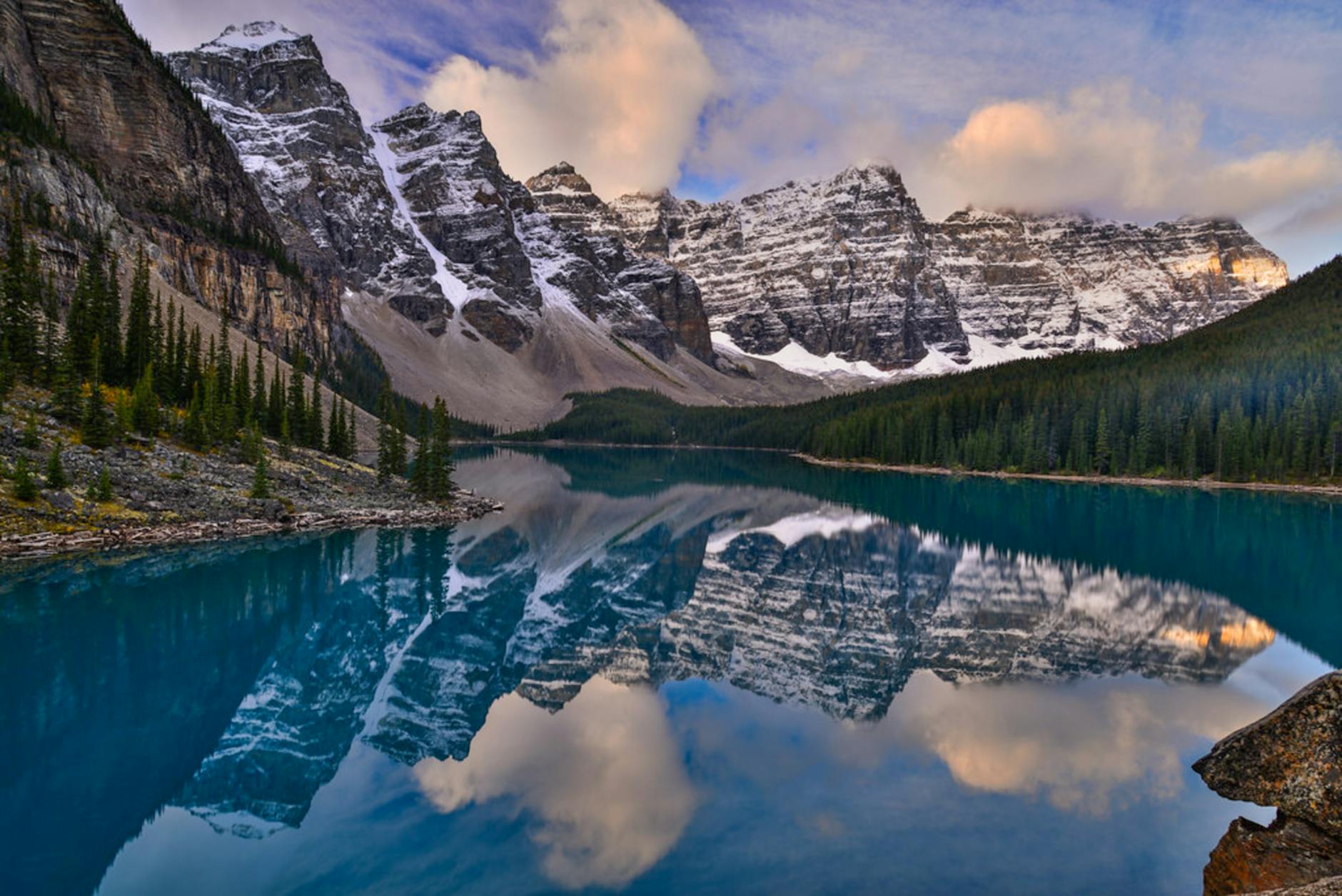
Moraine Lake, Canada
Another treasure of the Canadian Rockies, Moraine Lake is famed for its stunning blue waters, a result of glacial meltwater reflecting the sky. Located in Banff National Park, this glacially-fed lake is surrounded by the Valley of the Ten Peaks, offering some of the most breathtaking views in the world. The vibrant color of the water varies throughout the summer months, depending on the intensity of the sunlight and the glacial melt.
The picturesque setting makes Moraine Lake a popular spot for outdoor enthusiasts. Hiking trails lead to stunning viewpoints, while canoe rentals allow visitors to explore the lake’s pristine waters. The breathtaking backdrop of towering mountains and lush forests enhances the lake’s allure, drawing adventurers and dreamers alike to its shores.
Peyto Lake, Canada
Peyto Lake, often referred to as “the most photographed lake in the world,” boasts a striking heart shape that can be easily spotted from its most popular viewing platform. The lake’s bright turquoise color, caused by glacial silt, is enhanced by the surrounding pine forests and mountain peaks. Located in Banff National Park, Peyto Lake is accessible via a short hike from the parking area, making it a favorite stop for visitors exploring the Canadian Rockies.
In summer, wildflowers bloom along the trails, adding splashes of color to the scene, while winter offers a serene quietness as snow blankets the landscape. Regardless of the season, Peyto Lake captivates visitors with its beauty and serves as a stunning reminder of nature’s wonders.
Conclusion
The world’s lakes are more than just bodies of water; they are breathtaking landscapes that tell stories of the earth’s natural history. From the vibrant pink of Lake Hillier to the rich blues of Moraine Lake and Lake Louise, each lake showcases the diverse beauty our planet has to offer. Whether you’re seeking tranquility, adventure, or a deep connection with nature, these lakes provide unforgettable experiences that linger in the memory long after the visit. So pack your bags and set out on a journey to explore these magnificent bodies of water — each one a testament to the beauty of our planet.
