In a world that constantly demands our attention and energy, the concept of doing nothing has become increasingly rare. We live in an age defined by productivity, where busyness is glorified, and downtime is often viewed as wasteful or lazy. Yet, the art of doing nothing is not only essential for our mental and physical well-being; it also cultivates creativity and fosters deeper connections with ourselves and others. This article explores the significance of embracing stillness and the benefits of intentionally carving out time to do nothing.
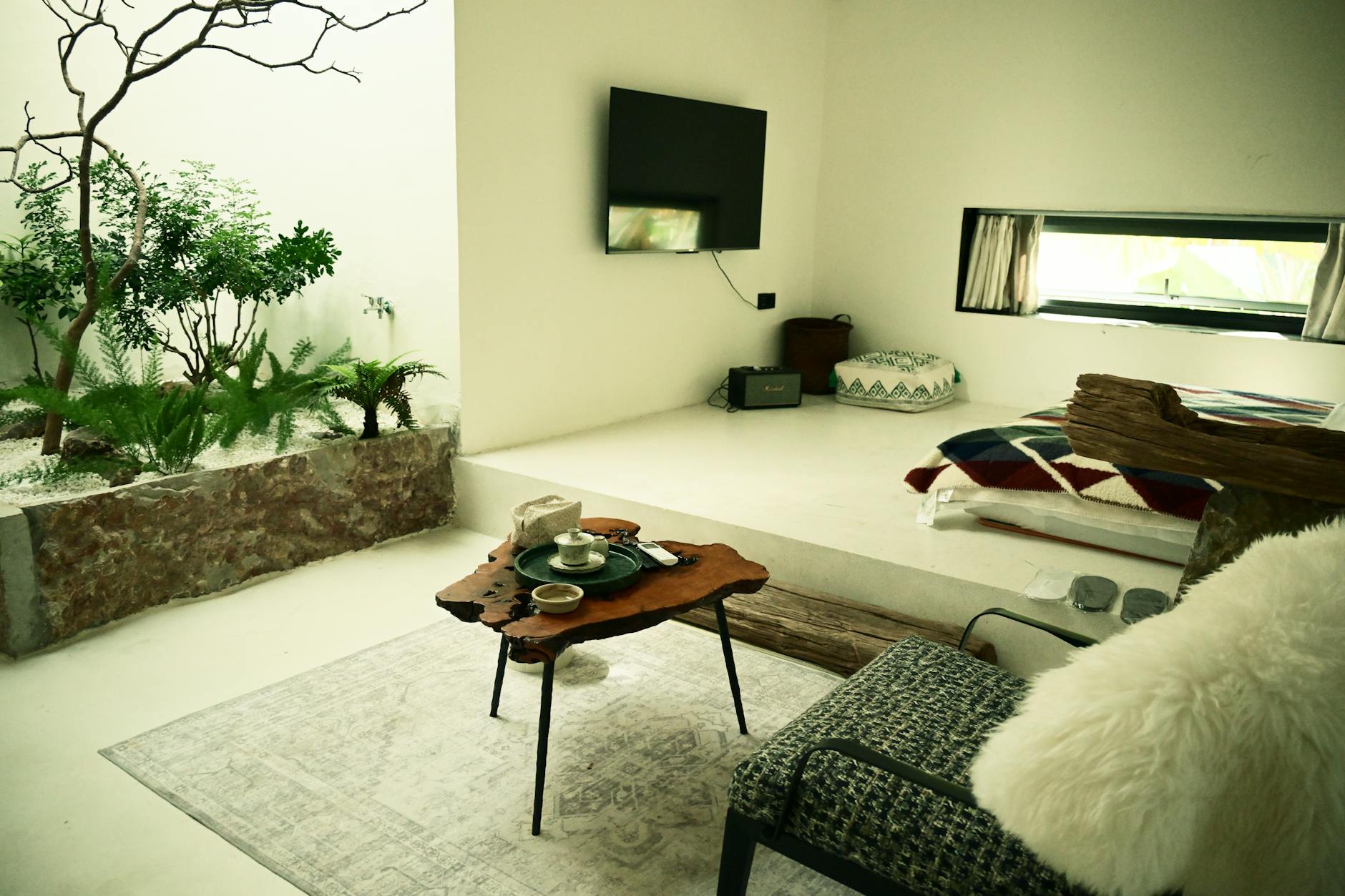
The Science Behind Stillness
Engaging in periods of stillness has profound implications for our mental health. Studies indicate that a lack of downtime can lead to heightened stress levels, anxiety, and even burnout. In contrast, doing nothing allows our brains to reset. Neuroscience reveals that when we are idle, our minds wander, engaging in what is known as “default mode” network activity. During this state, the brain processes thoughts and emotions, fosters creativity, and enhances problem-solving skills.
Research published in the journal *Psychological Science* highlights that daydreaming is linked to increased creativity. When we let our minds roam free, we often stumble upon innovative ideas and solutions we would otherwise overlook while being busily focused on tasks. Embracing the art of doing nothing thus becomes a tool for personal growth and intellectual exploration.
Reconnecting with Ourselves
In the hustle and bustle of modern life, it can be easy to lose touch with our inner selves. The art of doing nothing serves as an invitation to pause and reflect. Allocating time for introspection can lead to greater self-awareness and emotional well-being. It allows us to explore our thoughts, feelings, and desires more deeply, gaining clarity about our values and goals.
Moreover, the practice of mindfulness can greatly enhance the experience of doing nothing. By engaging in mindfulness exercises—such as observing our surroundings or focusing on our breath—we can anchor ourselves in the present moment. This not only promotes relaxation but also enables us to savor life’s simple pleasures. From the warmth of sunlight on our skin to the sound of rustling leaves, being attuned to the world around us enriches our everyday experiences.
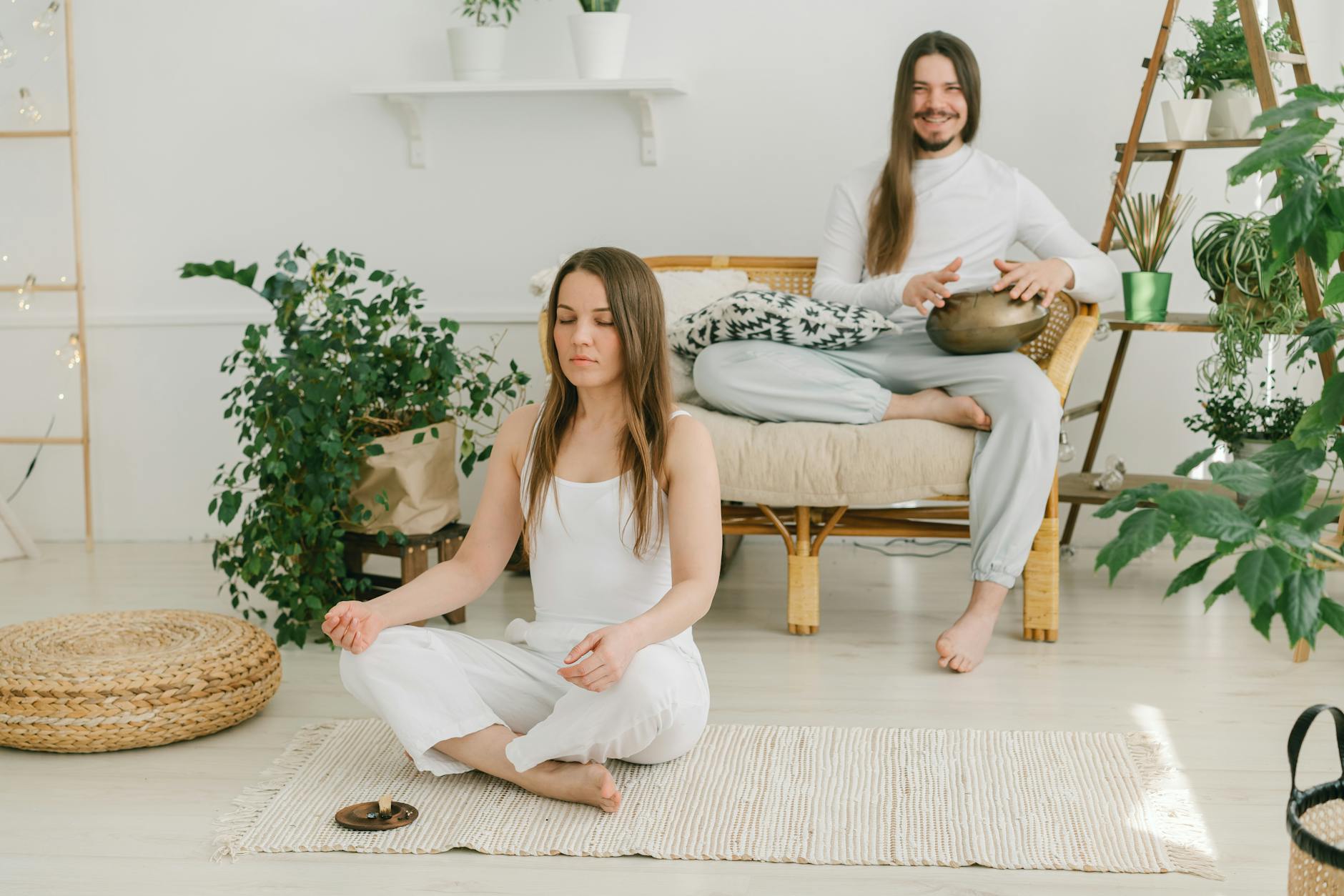
The Social Aspect of Idleness
Doing nothing does not have to be a solitary endeavor. It can also be a communal experience, fostering connections with others. In many cultures, the notion of “hanging out” without a fixed agenda is cherished. These moments of idleness shared with friends or family can create lasting memories and strengthen relationships. Whether it’s lounging on a beach, sipping coffee at a café, or simply enjoying the quiet of a park, shared stillness allows for meaningful conversations and deeper bonds.
Moreover, the art of doing nothing together can lead to a collective sense of relaxation. When we disengage from our devices and distractions, we become more present with one another, fostering genuine interactions. As we embrace these moments of shared stillness, we cultivate a sense of belonging that is essential for our emotional health.
Reimagining Productivity
To embrace the art of doing nothing, we must challenge society’s conventional definitions of productivity. It’s important to recognize that rest and downtime are not luxuries but necessities. In a culture that often equates worth with output, it can be radical to value the stillness between our activities as equally important. By reimagining productivity, we can create a healthier balance between work and rest, ultimately leading to improved efficiency and happiness.
Incorporating short breaks into our daily routines can be beneficial. Research suggests that taking regular breaks can enhance focus and prevent burnout. Instead of grinding through tasks relentlessly, consider scheduling brief moments of idleness—whether through meditation, a walk, or simply sitting in silence. This not only recharges our energy but also refreshes our perspectives, allowing us to tackle challenges with renewed vigor.

Practical Tips for Embracing Nothingness
If you’re uncertain about how to integrate the art of doing nothing into your life, here are a few practical tips:
- Schedule Downtime: Just as you would schedule a meeting or deadline, allocate specific times for doing nothing. Treat it as a valuable appointment.
- Limit Distractions: Create an environment conducive to stillness by minimizing noise and digital interruptions. Consider turning off your phone or finding a quiet space.
- Engage in Nature: Spending time outdoors can enhance the experience of doing nothing. Nature has a calming effect that encourages relaxation.
- Practice Mindfulness: Incorporate mindfulness techniques into your downtime. Focus on your breath, observe your surroundings, or simply sit in silence and let your mind wander.
By intentionally committing to the art of doing nothing, we can unlock a wealth of benefits that enhance our overall quality of life. While our fast-paced world may tempt us towards constant action, it is crucial to remember that rest, introspection, and meaningful connections are vital to our well-being. In embracing stillness, we free ourselves from the pressures of productivity and open doors to creativity, self-discovery, and deeper relationships.