
As we navigate through the complexities of modern society, the concept of status is undergoing a significant transformation. The traditional markers of status—wealth, education, and occupation—have been challenged by new, dynamic forces in 2026. Understanding this evolving definition is crucial for interpreting social trends and individual aspirations in our interconnected world.

The Shifting Landscape of Status Symbols
In 2026, the symbols of status are no longer confined to material possessions or elite educational pedigrees. Instead, they are shaped by factors such as digital presence, sustainability, and social impact. A key driver of this shift is the increasing importance of identity and values. Individuals now prioritize authenticity over ostentation, leading to a new appreciation for those who champion social causes, environmental stewardship, and community engagement.
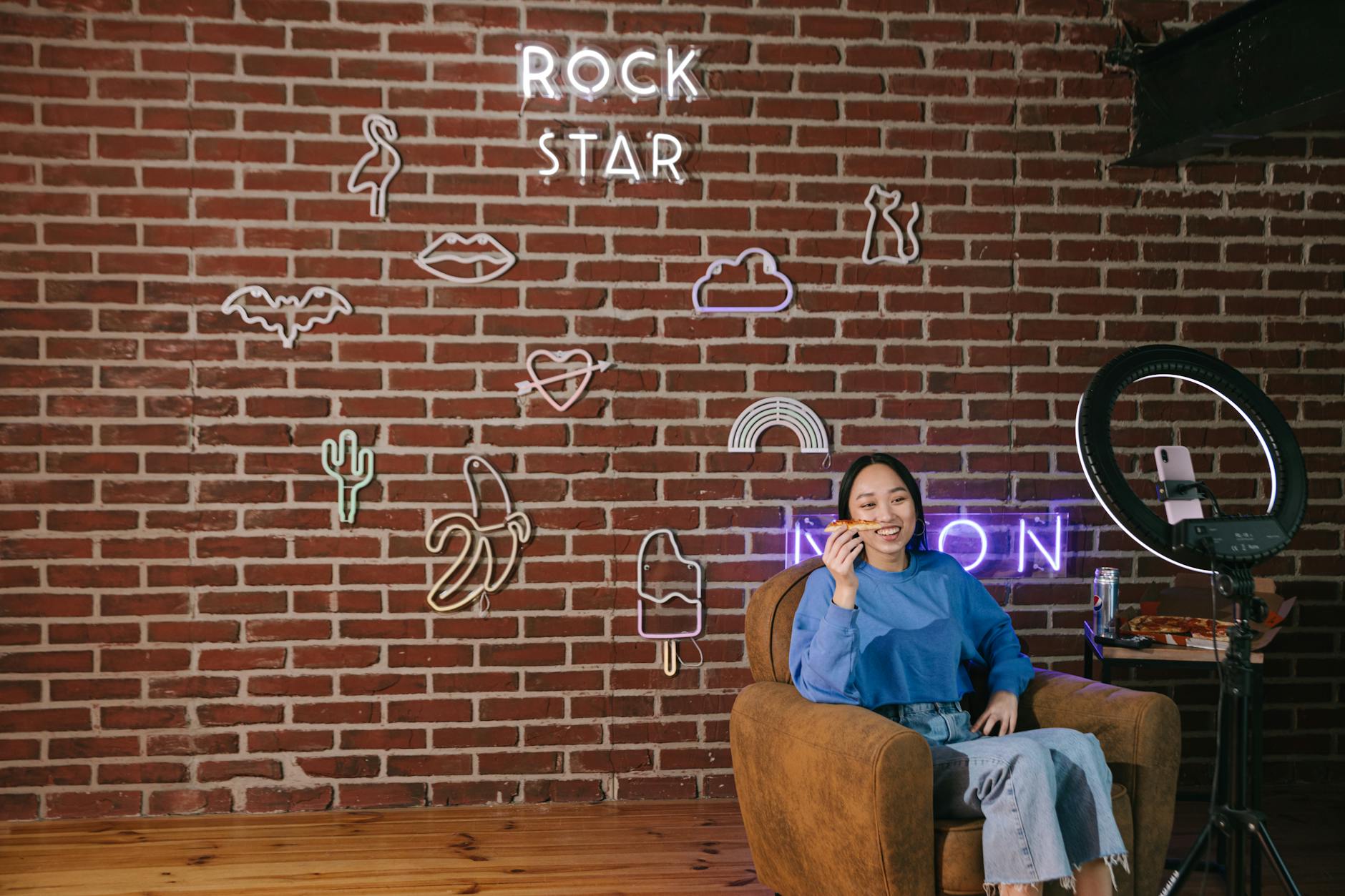
Digital presence has emerged as a new status symbol, with individuals showcasing their achievements on platforms such as social media. The popularity of “influencer culture” has highlighted the ability to leverage personal narratives and build communities around shared interests. Social media accounts, once merely platforms for sharing life updates, have become battlegrounds for status, where followers and engagement metrics are viewed as key indicators of personal value. Moreover, this phenomenon has given rise to “micro-influencers,” who may have smaller audiences but are often seen as more relatable and impactful, thereby redefining who can achieve “status” in the digital landscape.
The Role of Sustainability and Ethical Values
Today’s consumers are more informed, and they wield their purchasing power as a means of expressing their values. In 2026, sustainable living has become an integral part of status, with eco-conscious individuals distinguishing themselves through their choices. Brands that adopt environmentally friendly practices are not only preferred; they are hailed as status symbols. The rise of the “conscious consumer” indicates that purchasing decisions often reflect a commitment to sustainability—an emerging trend that places ethical considerations at the forefront of social status.
Moreover, the shift towards sustainability is not merely a trend but a necessary response to pressing global challenges. Individuals advocating for climate action, social justice, and responsible consumption are recognized and celebrated. Status is increasingly tied to the impact one has on the world, emphasizing the importance of community-oriented actions. The idea that “doing good is the new rich” encapsulates this shift, where the measure of success is found not just in personal gain but in the betterment of society as a whole.
The Intersection of Technology and Status
As technology continues to evolve, so too does its influence on societal structures. The rise of virtual and augmented reality experiences is reshaping how status is perceived and experienced. Events and gatherings that were once exclusively physical are now often hybrid, allowing for broader participation and a democratization of access that challenges traditional status hierarchies. In 2026, the ability to connect in virtual spaces can carry as much weight as physical presence, allowing individuals from diverse backgrounds to elevate their status through digital interactions.
Furthermore, the integration of blockchain technology has transformed concepts of ownership and authenticity. Digital assets such as NFTs (non-fungible tokens) are not just collectibles but can serve as modern status symbols. Ownership of unique digital artworks or virtual possessions can signify cultural capital in a way that traditional assets might have in previous decades. This new form of status challenges conventional notions of wealth and success, expanding the definition of value in a rapidly changing digital economy.

Community and Collaboration as Status Markers
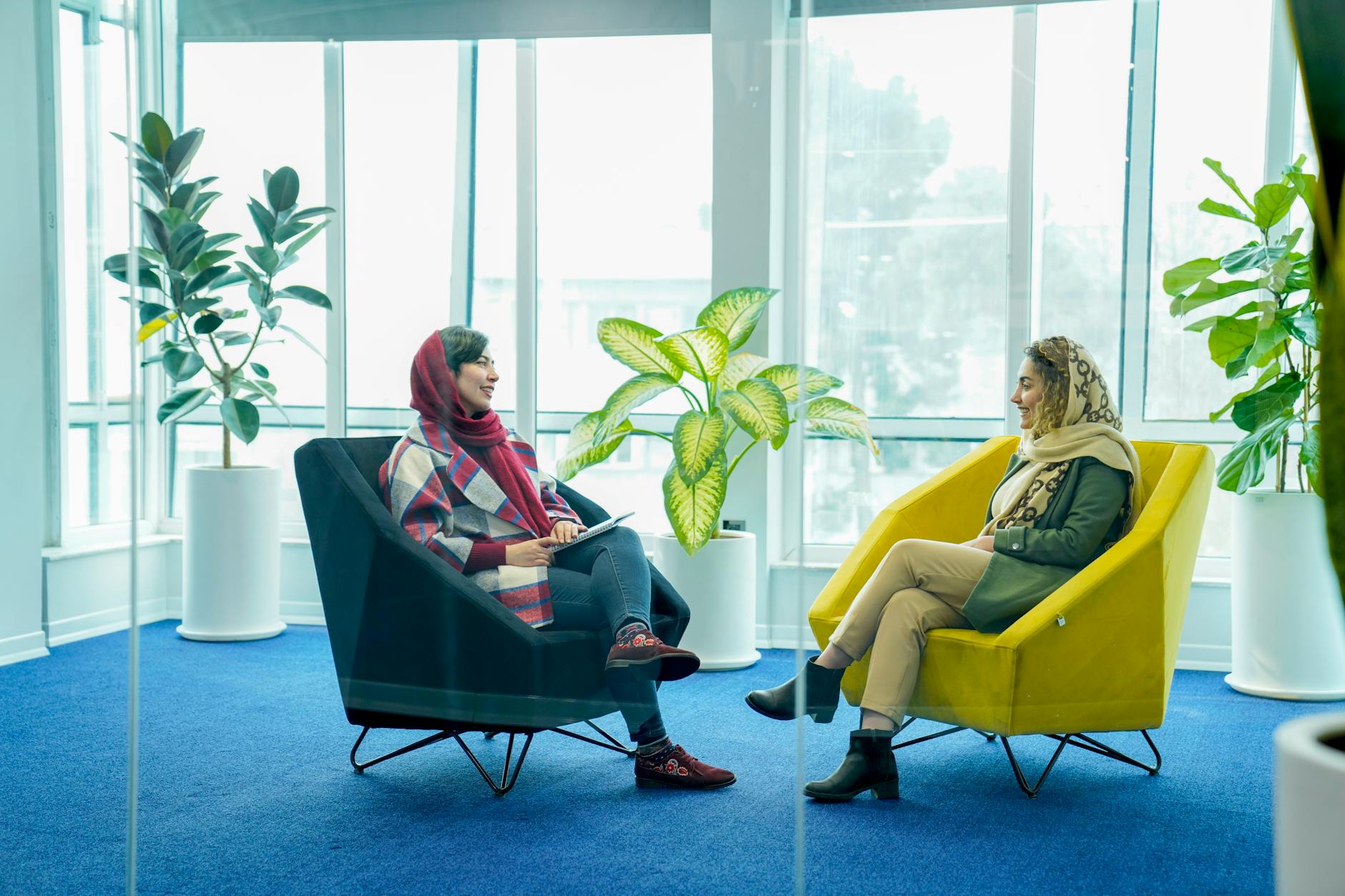
In a world increasingly defined by global interconnectedness, the value of collaboration has risen sharply. The status associated with individual achievements is being overshadowed by the importance of community-oriented leadership. As recognition shifts towards team-based accomplishments, individuals who foster cooperative efforts are becoming the new influencers. The idea of “networked collaboration” highlights the collective over the individual, positioning those who promote teamwork and shared success as the new elite.
Organizations and communities that prioritize inclusivity and collaboration are seen as desirable and progressive. Achievements in social entrepreneurship or community service are gaining recognition, representing a shift towards valuing contributions that enhance collective well-being. Therefore, the status of individuals today is increasingly determined by their ability to unify and uplift others, demonstrating that true success is found in community growth rather than individual gain.
In summary, the definition of status in 2026 reflects profound changes in societal values and expectations. Digital presence, sustainability, technological advancements, and collaborative efforts are shaping what it means to be esteemed in today’s world. As we adapt to this evolving landscape, it becomes clear that status is no longer about individual wealth or prestige but rather about how we contribute to the fabric of our society. This new understanding invites individuals to redefine their personal pathways to success and influence, ultimately leading to a more inclusive and equitable world.
