
When discussing premium interiors, the conversation often gravitates toward luxurious materials, bespoke designs, and exclusive brands. Yet, one element that frequently underpins the allure and sophistication of a high-end space is texture. Textures can transform an interior, adding depth, warmth, and character that elevate a room from ordinary to extraordinary. In this article, we’ll explore the significance of textures in premium interiors, their psychological effects, and how they can be effectively incorporated to create harmonious environments.
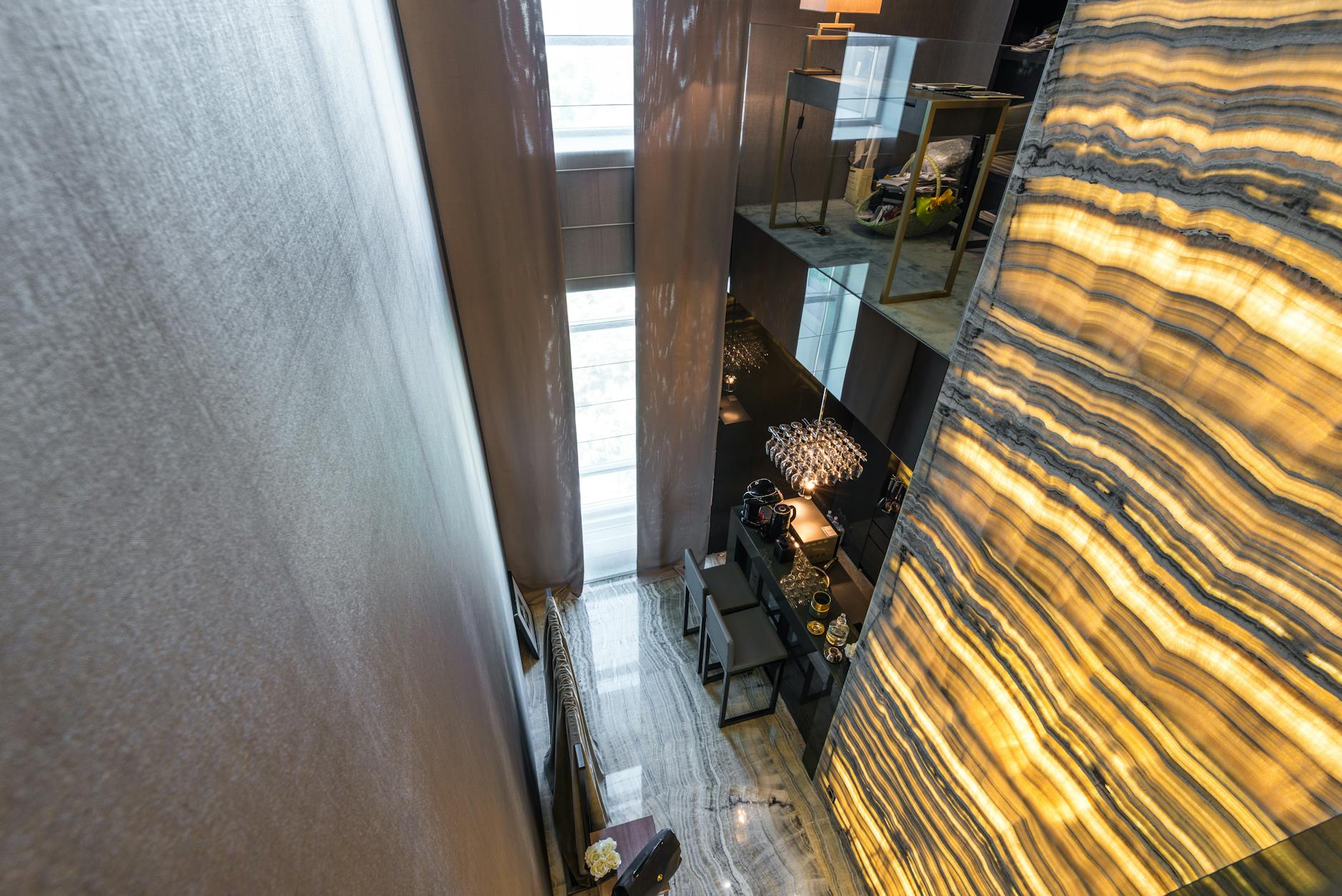
Understanding Texture: More Than Just Touch
Texture in interior design encompasses more than just the tactile quality of a material. It refers to the visual and physical surface characteristics that contribute to the overall aesthetic and sensory experience of a space. Textures can be categorized as either tactile or visual. Tactile texture engages the sense of touch—think of the softness of a velvet sofa or the coolness of a polished marble surface. Visual texture, on the other hand, is perceived through sight; a rough brick wall or a woven textile can create the illusion of a physical surface quality. Together, these textures play a crucial role in defining the mood and ambience of a room.
The effective use of texture can evoke emotions and influence how we interact with our living spaces. For instance, a smooth surface can impart a sense of cleanliness and order, while a rough texture might evoke a more rustic or organic feel. In premium interiors, where every detail counts, the thoughtful incorporation of diverse textures enables designers to create layered environments that resonate with comfort and sophistication.
The Psychological Impact of Textures in Interior Design
Research in design psychology shows that textures can significantly affect our emotions and perceptions. For example, soft textiles are often associated with comfort and relaxation, making them ideal for spaces designed for unwinding, such as bedrooms or living rooms. Conversely, harder surfaces can invoke feelings of starkness or minimalism, appealing to those who prefer modern aesthetics. By understanding these psychological triggers, interior designers can selectively choose textures that not only complement the style but also enhance the emotional experience of the space.
“Texture is the silent agent of emotional experience in design. It speaks to us in ways that colors and shapes often cannot.” – Renowned Interior Designer
Moreover, textures can act as a bridge connecting various design elements within a space. For instance, a plush area rug can ground a room filled with sleek furniture, introducing warmth and texture that invites interaction. Similarly, combining various textures—such as mixing leather, wood, and textiles—creates a tactile richness that engages the senses, encouraging occupants to explore and connect with their surroundings.
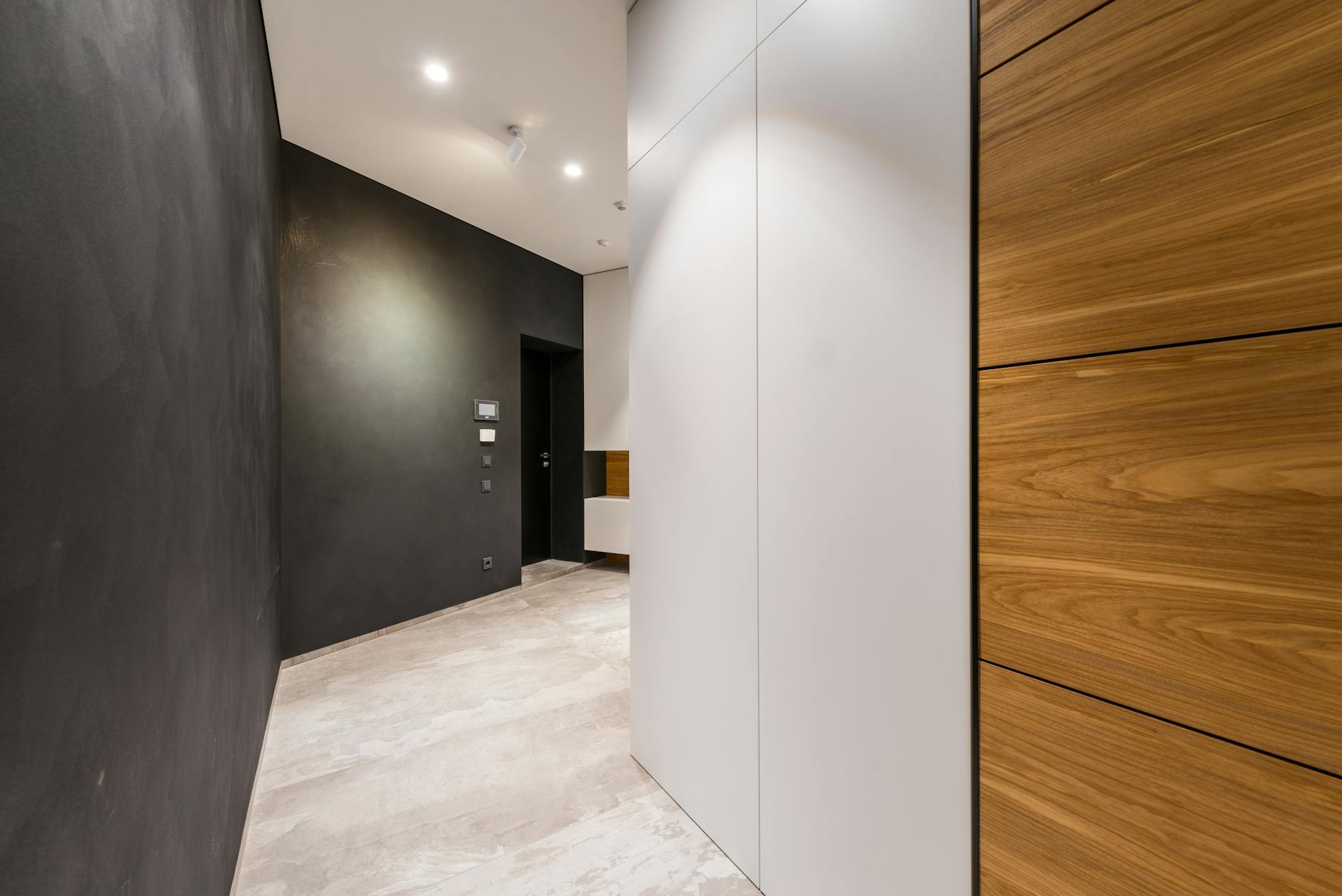
Incorporating Textures: Tips for Premium Interiors
Incorporating textures effectively requires a thoughtful approach that balances aesthetic appeal with functional considerations. Here are some strategies to enhance premium interiors through texture:
- Layering Textures: Combining different textures can create depth and interest. For example, place a soft throw over a leather couch, or pair a silk pillow with a wool blanket. Layering not only adds visual intrigue but also invites physical interaction.
- Focal Points: Use dramatic textures as focal points within a room. A textured accent wall or a statement piece of furniture can draw the eye and anchor the space. Consider using textured wallpapers, reclaimed wood, or even 3D wall panels to create stunning visual centers.
- Natural Elements: Integrating natural materials such as stone, wood, and plants can enhance the organic feel of your interior. The inherent textures found in nature bring warmth and authenticity, creating a relaxing and inviting environment.
- Balance and Harmony: Strive for a balance between textures to avoid overwhelming the senses. A well-designed space will have different textures that complement rather than compete with each other. For instance, pairing a rough-hewn coffee table with smooth ceramic vases can create a harmonious contrast.
Ultimately, the goal is to create an immersive experience where every texture contributes to the overall narrative of the interior space. Thoughtful consideration of how textures play together can evoke a powerful emotional response and enhance the functionality of a room.
The Future of Textures in Premium Interiors
As we move forward in the world of interior design, the importance of texture will continue to grow. With advancements in technology and material science, designers are now able to utilize innovative textures that were once unavailable. For example, tactile smart surfaces can respond to touch, adapting to the user’s needs and preferences. Additionally, the rise of sustainable materials has introduced new textures that are eco-friendly and visually appealing, allowing for a more responsible approach to luxury interiors.
Furthermore, the pandemic has reshaped how we value our living spaces, leading to an increased focus on comfort and wellness. Textured interiors are becoming more desirable as they provide sensory stimulation and a sense of grounding in an increasingly digital world. Designers are now adapting spaces to include a mix of textures that support both emotional well-being and aesthetic pleasure, emphasizing our innate connection to our environments.
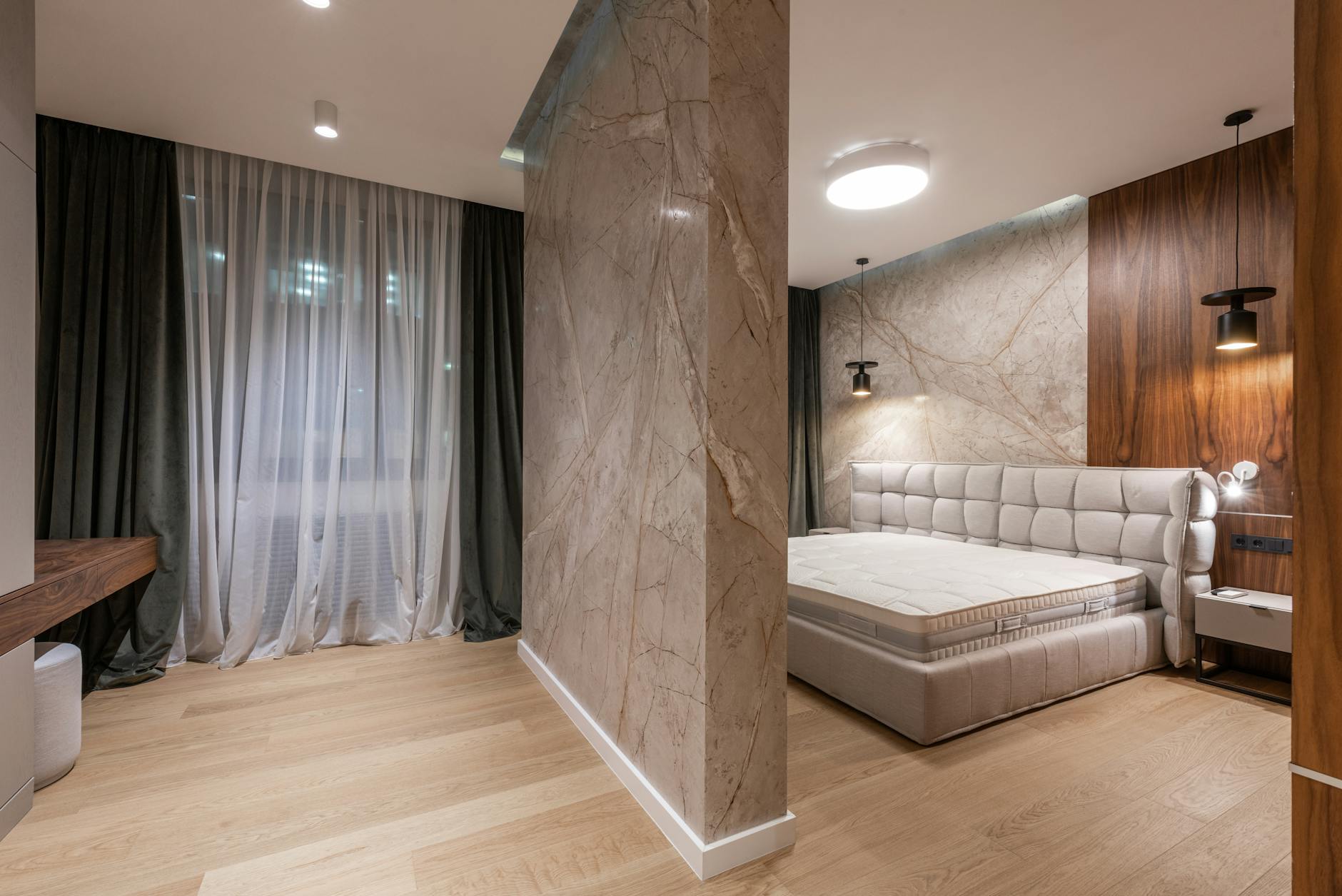
In conclusion, textures play an indispensable role in premium interiors. They enrich the sensory experience, creating spaces that are not only beautiful but also meaningful and engaging. By thoughtfully considering textures, designers can shape atmospheres that resonate with personal style and emotional comfort, firmly establishing the importance of textures as a foundational element in high-end design.
