
Luxury parties have long been an emblem of wealth, sophistication, and culture. From the opulent banquets of royal courts to intimate, curated gatherings of today’s elite, the evolution of luxury parties is a fascinating reflection of changing social norms, technological advancements, and shifts in consumer expectations. This article explores the history, transformation, and modern interpretation of luxury parties, shedding light on what makes them relevant in today’s world.
A Historical Perspective: The Birth of Opulence
The concept of a luxury party can be traced back to ancient civilizations, where gatherings were often a display of power and prestige. In Ancient Rome, lavish feasts were thrown by the elite, featuring extravagant dishes, flowing wine, and entertainment that included musicians, dancers, and even gladiators. These events served not only as social occasions but also as a way to reinforce status and build alliances.
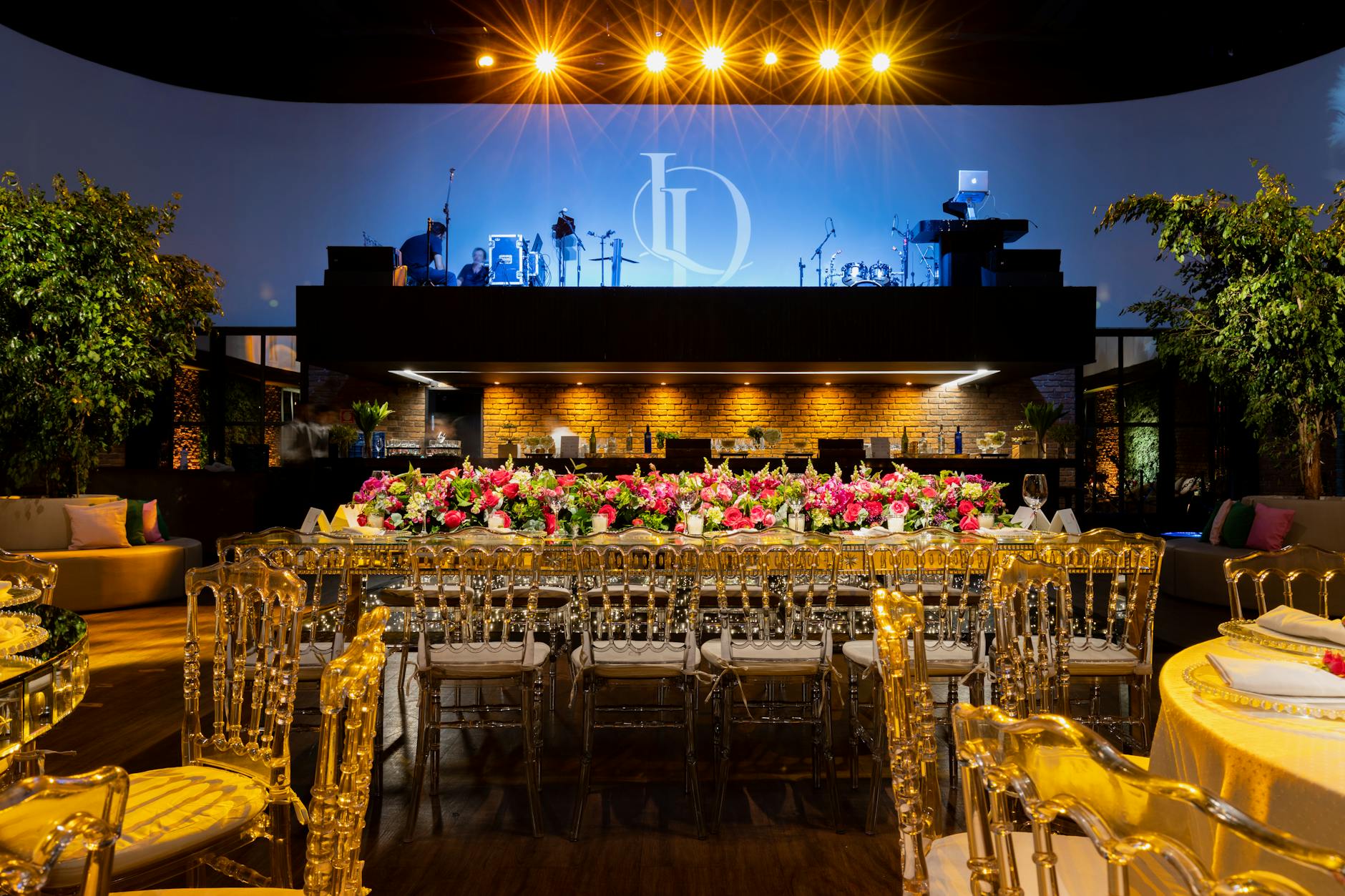
As we moved into the Renaissance, the display of wealth became even more pronounced. Monarchs and aristocrats hosted grand balls and soirées in opulent ballrooms adorned with chandeliers and gilded decorations. These events were often elaborate affairs, wherein the guest list was exclusive, and the entertainment was meticulously curated. The art of hosting became a reflection of one’s social standing and aesthetic taste, laying the groundwork for modern luxury parties.
Transforming Traditions: The 20th Century Revolution
The 20th century marked a significant shift in the nature of luxury parties, influenced by cultural movements and technological advancements. The rise of jazz in the 1920s introduced a new vibe to social gatherings, characterized by spontaneity and an emphasis on enjoyment over formality. This era saw the birth of the modern cocktail party, where the drink became the focal point, allowing for mingling and conversation rather than strictly structured dining.
Post-World War II, the affluence of the Baby Boomer generation brought about a new wave of luxury parties. The introduction of new technologies, such as the television, transformed gatherings into events that could be shared and broadcasted. Celebrities became a staple of luxury parties, as their presence added allure. Iconic parties, like those hosted by the likes of Truman Capote or Andy Warhol, blurred the lines between art, celebrity, and social engagement. The modern party began to embrace themes and experiences that reflected individual identities and interests rather than simply displaying wealth.
Redefining Luxury: Contemporary Trends
As we entered the 21st century, the meaning of luxury began to evolve yet again. Today, luxury parties are less about ostentation and more about creating unforgettable experiences. The rise of social media has transformed how events are planned, executed, and shared. Celebrities and influencers are now curating their parties not only for their guests but also for their online audiences. A party is no longer a private affair; it is an opportunity for individuals to showcase their lifestyle to the world.
Moreover, the demand for personalization has surged. Guests are no longer satisfied with cookie-cutter experiences; they seek events that resonate with their values and preferences. This shift has led to a rise in themed parties that reflect personal stories, hobbies, or even philanthropic efforts. For instance, eco-friendly parties featuring sustainable décor and organic catering are becoming popular as hosts strive to align luxury with social responsibility. Additionally, interactive elements such as live performances, immersive installations, and curated experiences have taken center stage, further enhancing the value of the event.
The Future of Luxury Parties: Innovations and Perspectives
Looking ahead, the future of luxury parties is poised to further embrace innovation and creativity. Virtual and augmented reality are becoming increasingly prevalent, offering hosts the ability to create visually stunning, immersive experiences that transcend traditional boundaries. Imagine attending a themed party in a digital landscape, where guests can mingle in a lavish mansion or a vibrant cityscape, no matter their physical location. This shift could redefine exclusivity, making attendance to high-end events more accessible while maintaining a sense of uniqueness.
In addition to technological advancements, the fusion of culture and entertainment will continue to shape luxury gatherings. Collaborations with artists, chefs, and performers will provide a platform for creative expression, turning a simple event into a multisensory experience. Food will also evolve as a centerpiece of luxury parties, with a growing interest in gourmet cuisine paired with unique beverage selections that cater to refined palates. The emphasis on culinary artistry combined with playful presentations can elevate any gathering into an unforgettable experience.
Another crucial aspect of the future will involve a more significant focus on well-being. As luxury consumers grow more conscious of their mental and physical health, parties that emphasize wellness—like yoga retreats, organic food offerings, and mindfulness experiences—will gain traction. Luxury will increasingly be defined by experiences that nourish the body and soul rather than merely showcasing wealth.
Conclusion: The Timeless Allure of Luxury Parties
The evolution of luxury parties reflects broader societal changes, from opulence and extravagance to a focus on authentic experiences and social engagement. As we continue to witness the fusion of technology, personalization, and cultural expression, luxury parties will be shaped by the desires and values of the modern consumer. They will remain a vital aspect of social interaction, a place for connection, and an opportunity to celebrate life’s milestones in an ever-changing landscape.
The true essence of a luxury party lies not just in its grandeur but in the memories created and the connections forged—a timeless allure that will continue to captivate and inspire.
