
In the realm of high-end interior design, lighting serves as both a functional necessity and an artistic statement. It transcends mere illumination, playing a critical role in shaping the mood, enhancing the aesthetics, and elevating the overall experience of a space. From luxurious residences to upscale commercial environments, understanding the nuances of lighting design can transform any setting into a breathtaking masterpiece. This article explores the various dimensions of lighting in high-end interior design, highlighting its significance and offering insights for those looking to curate a sophisticated atmosphere.
Creating Atmosphere: The Emotional Impact of Lighting
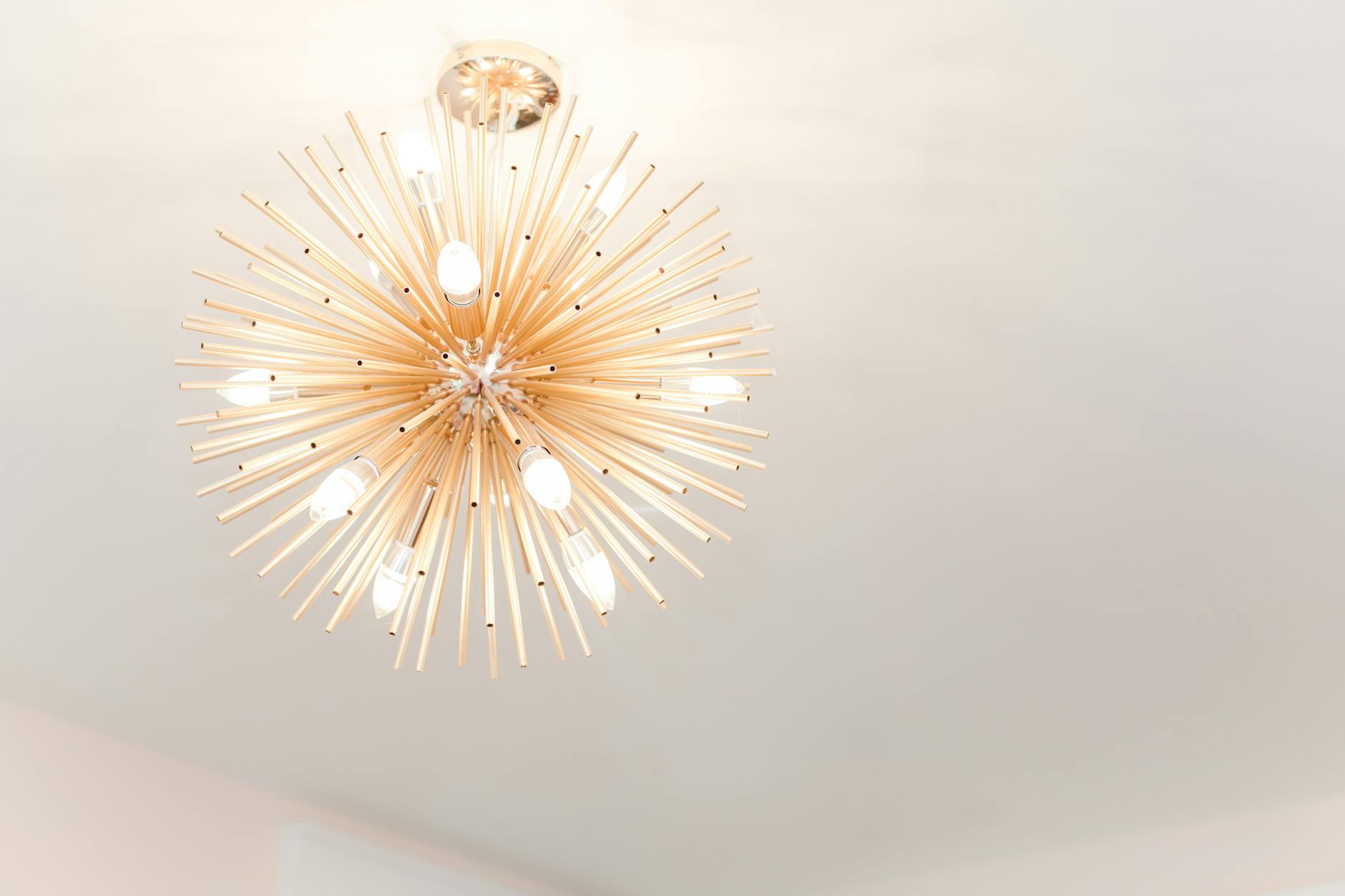
Lighting is fundamental in setting the atmosphere of a space. It has the power to evoke emotions, influencing how people perceive their surroundings. In high-end designs, where feelings of comfort and luxury are paramount, the choice of lighting can significantly alter the ambiance. Soft, warm lighting tends to create a welcoming and intimate environment, perfect for living rooms and dining areas. Conversely, cooler, brighter lights can invigorate spaces, suitable for kitchens and workspaces.
Moreover, the layering of light—incorporating ambient, task, and accent lighting—allows designers to manipulate the mood throughout different times of the day. For instance, in a sophisticated dining area, dimmable fixtures can transition from bright light for daytime entertaining to a softer glow for evening meals. This adaptability not only enhances the functionality of the space but also aligns with the concept of experiential design—creating moments that resonate emotionally with occupants.
Highlighting Design Features: The Art of Accent Lighting
Accent lighting serves as a vital tool in the palette of high-end interior design, offering a way to showcase architectural details and art pieces while adding layers to the overall look. Designers often employ spotlights or wall-mounted fixtures to draw attention to specific features, such as a stunning piece of artwork or a unique architectural element. This technique not only enhances visual interest but also creates focal points that guide the eye throughout the space.
For instance, in a contemporary living room with a striking sculptural installation, strategically placed accent lights can transform it into a captivating centerpiece. Similarly, in a high-end retail store, product displays illuminated with focused lighting create an enticing allure, encouraging customers to engage with the merchandise. By thoughtfully incorporating accent lighting, designers can complete a room’s narrative, allowing each element to tell its story while maintaining a cohesive aesthetic.
Technology Meets Aesthetics: Innovative Lighting Solutions
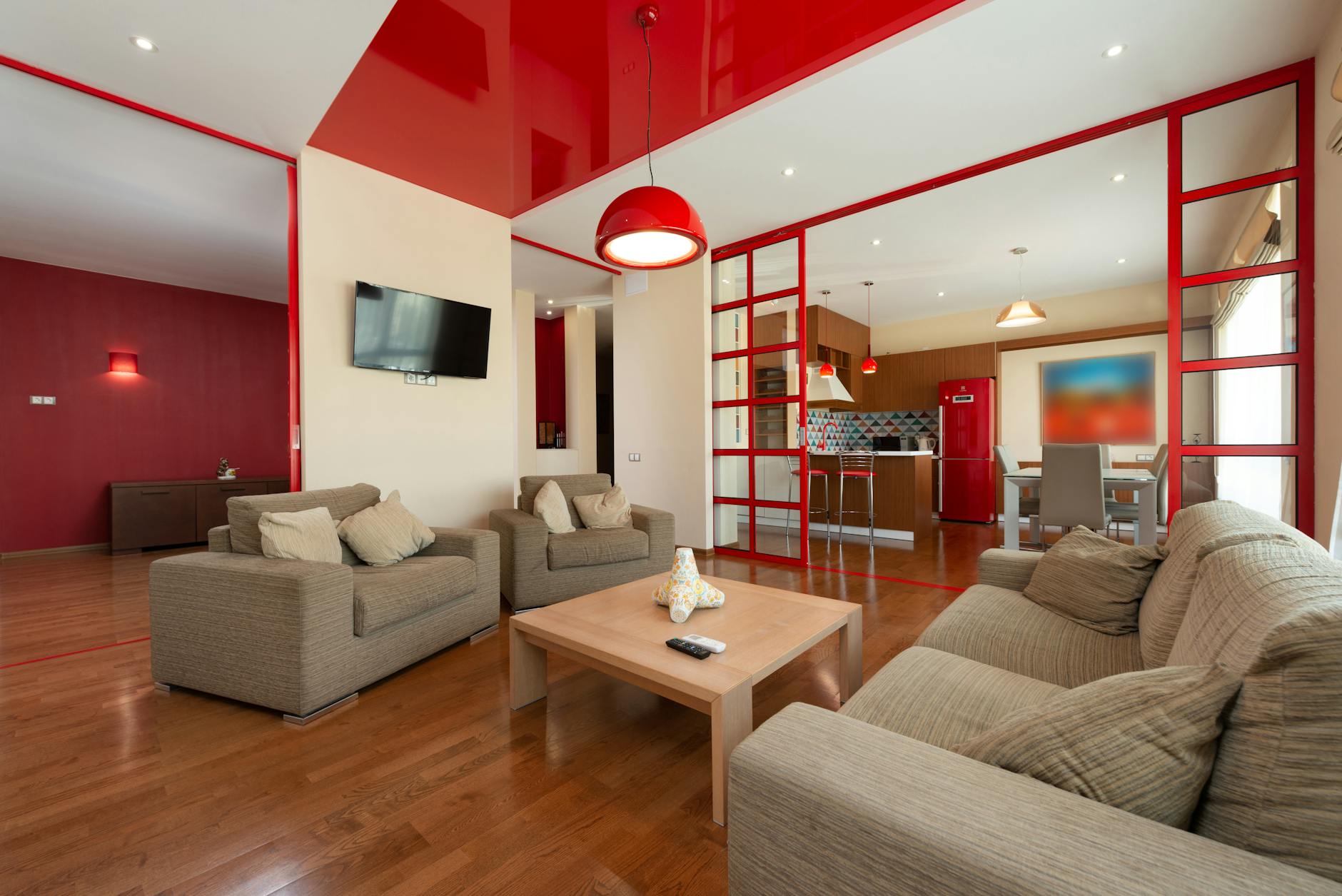
In recent years, technological advancements have revolutionized lighting design in high-end interiors. Smart lighting solutions, for instance, offer unparalleled versatility and control over a space’s illumination. These systems allow for customizable settings that can transform a room’s atmosphere at the touch of a button. Home automation systems can integrate lighting with other elements such as heating, security, and entertainment, creating a seamless living experience.
Moreover, the emergence of LED technology has enabled designers to push boundaries regarding creativity and sustainability. Unlike traditional bulbs, LEDs offer various color temperatures, allowing designers to experiment with different moods and aesthetics. Their energy efficiency aligns with the growing emphasis on eco-friendly design, making them a popular choice in luxury environments. By integrating innovative lighting solutions, designers can create dynamic spaces that evolve with the needs and preferences of the inhabitants.
Balancing Functionality and Elegance
While aesthetics in high-end interior design are paramount, the functionality of lighting should not be overlooked. Particularly in spaces where practicality meets luxury—such as kitchens and bathrooms—designers face the challenge of striking a balance between style and function. The use of layered lighting is crucial here, allowing for both task-oriented illumination and decorative elements to coexist harmoniously.
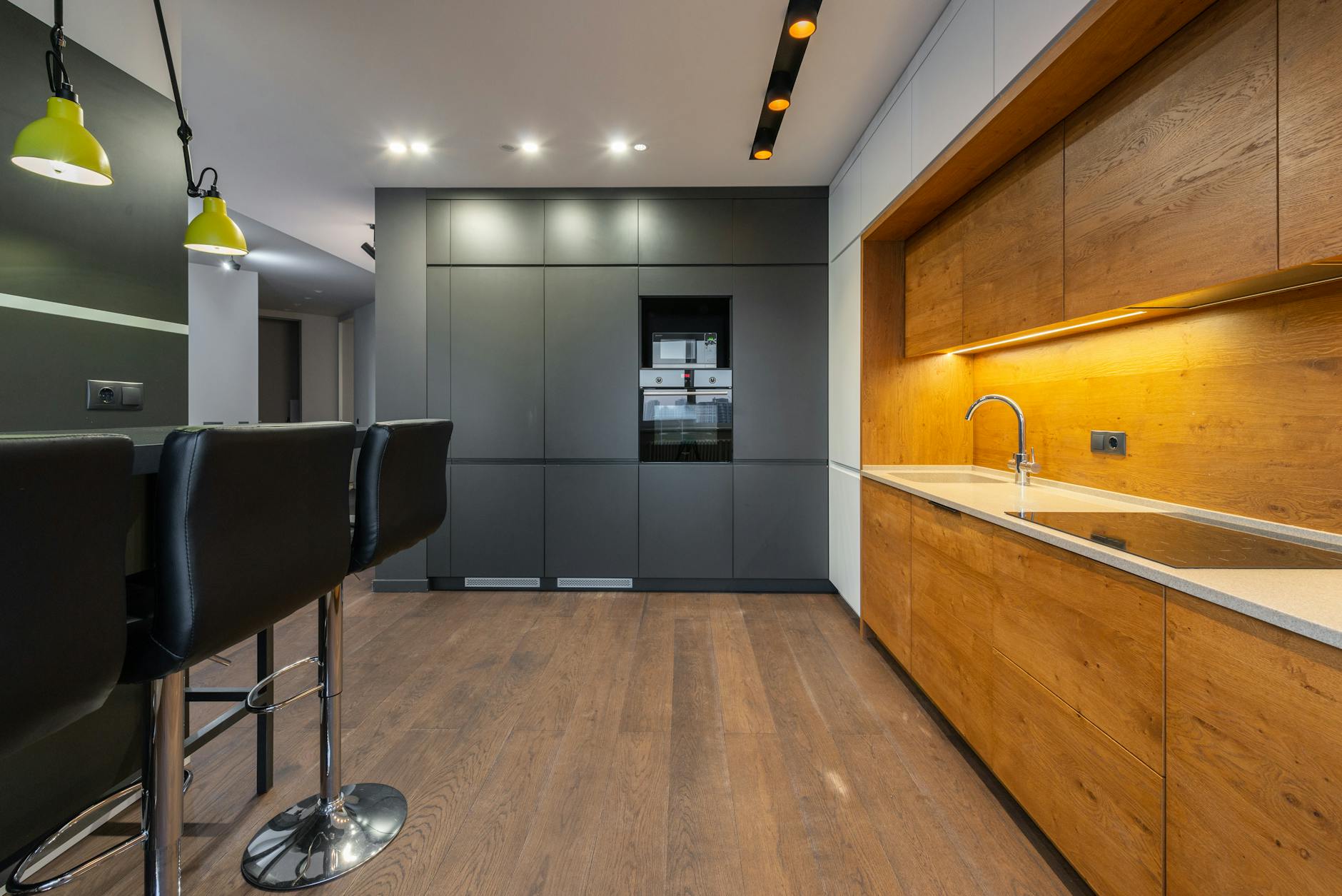
For example, in a luxurious kitchen, a combination of pendant lights over an island for aesthetic appeal and under-cabinet lighting for functionality provides an ideal solution. This approach enhances the workspace while maintaining a high level of design sophistication. Similarly, in bathrooms, ambient lighting can create a serene atmosphere, while bright task lighting near mirrors ensures functionality without compromising elegance. This balance is essential in high-end interior design, where every aspect must contribute to the overall experience.
Conclusion: Lighting as a Design Signature
As a crucial element of high-end interior design, lighting shapes the character and identity of a space. It is not merely an afterthought but an integral part of the design process that deserves careful consideration. Elevating a space through strategic lighting choices can create a lasting impression, enhancing both the beauty and functionality of the environment. Whether through innovative technology or careful layering techniques, the role of lighting is profound, offering designers a powerful tool to transform spaces into exquisite, nuanced experiences.
