
In the ever-evolving world of interior design, certain trends come and go, while others seem to stand the test of time. Recently, there has been a notable resurgence in the popularity of classic silhouettes. Inspired by the elegance of traditional architecture and design, these forms are finding their way back into modern interiors, bridging the gap between past and present. In this article, we will explore the reasons behind this revival, the distinctive elements of classic silhouettes, and how to incorporate them seamlessly into contemporary spaces.
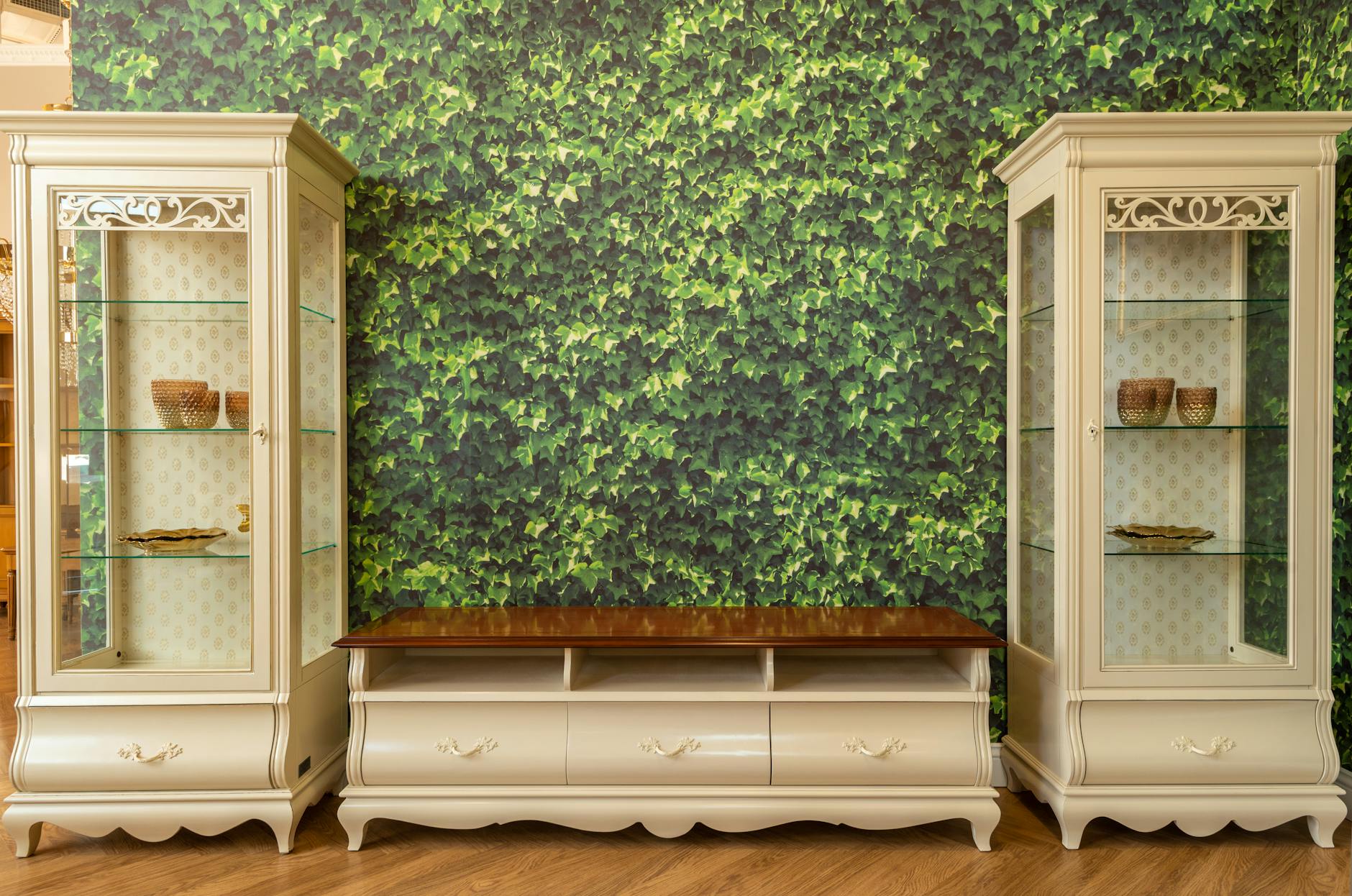
Why Classic Silhouettes Are Making a Comeback
The resurgence of classic silhouettes in interior design can be attributed to several factors. One of the most significant is the growing desire for comfort and familiarity in our living spaces, especially in a post-pandemic world where our homes have become sanctuaries. Classic designs often evoke feelings of nostalgia and warmth, making them appealing in times of uncertainty.
Another driving force is the sustainability movement. As more homeowners become conscious of their ecological footprint, investing in timeless pieces that can last for generations offers both style and environmental responsibility. Classic silhouettes often represent craftsmanship and quality, moving away from the disposable nature of modern consumerism. This shift encourages individuals to select pieces that not only enhance their homes but also reflect their values.
Additionally, the rise of eclectic styles has fostered an environment where classic silhouettes can coexist with modern elements. Designers are skillfully blending old and new, allowing classic pieces to provide a grounding effect in vibrant, contemporary settings. This creates a harmonious juxtaposition that captivates the eye and enriches the overall aesthetic.
Defining Classic Silhouettes
Classic silhouettes encompass a range of styles, including traditional, art deco, and mid-century modern. Each of these styles features unique characteristics that define their forms. For instance, traditional silhouettes often boast ornate detailing and curved profiles, invoking the grandeur of historical design. In contrast, art deco characteristics include geometric shapes and bold lines, showcasing the luxury and elegance of the early 20th century.
Mid-century modern silhouettes, on the other hand, are known for their clean lines, organic shapes, and functional designs. This style emphasizes simplicity and a connection to nature, often utilizing materials like wood, leather, and metal. As designers revitalize these classic forms, we see a resurgence of furniture that embodies both form and function, reimagined for contemporary living.
It’s essential to identify these silhouettes when curating spaces. Whether it’s a tufted sofa with rounded arms, a wingback chair with elongated legs, or a low-slung coffee table with tapered edges, the subtleties of design can significantly influence the overall ambiance of a room. By understanding these nuances, homeowners can make informed decisions on which classic pieces to incorporate into their interiors.
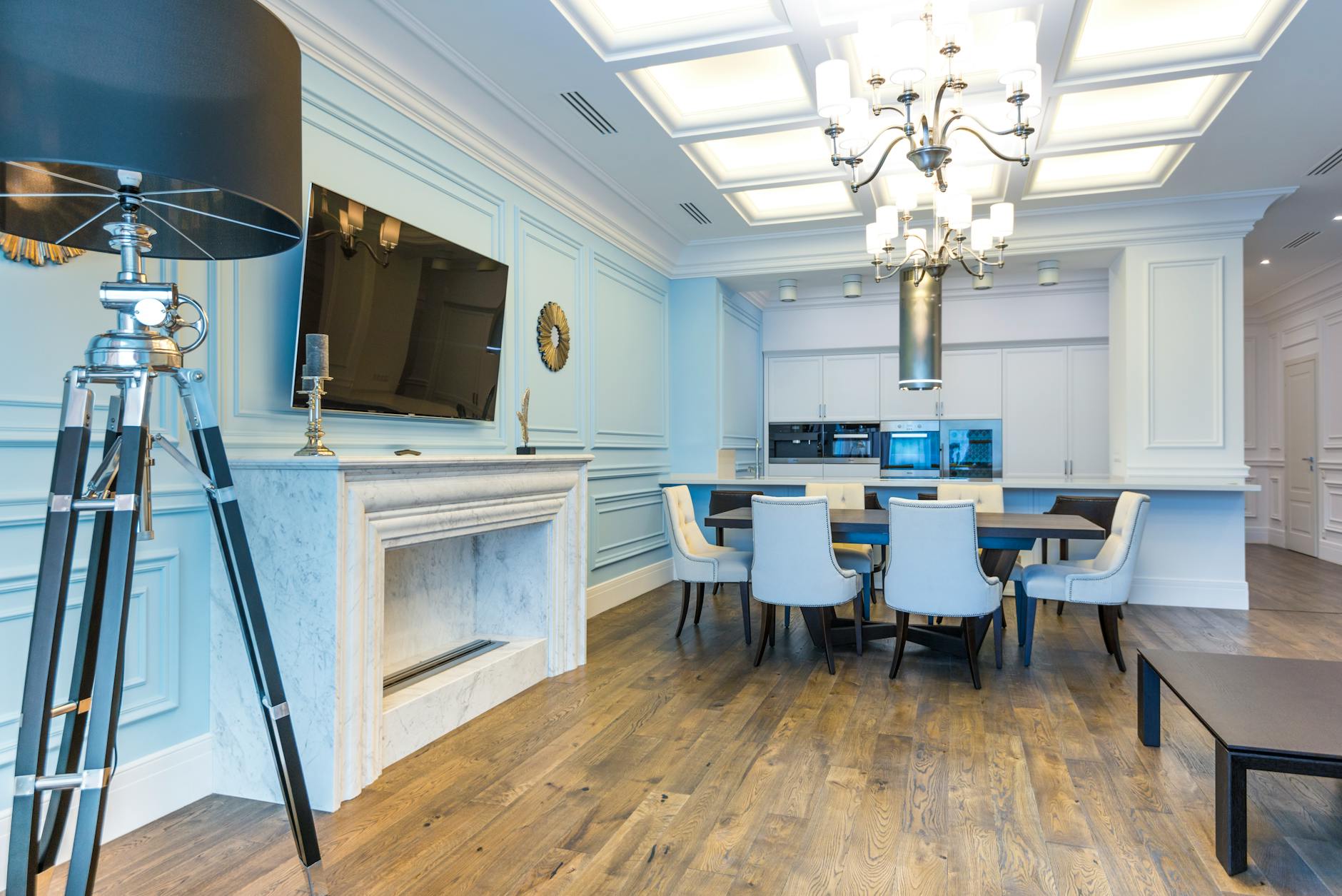
Incorporating Classic Silhouettes into Modern Design
Integrating classic silhouettes into modern interiors doesn’t have to be a daunting task. Here are some practical tips to help you blend timeless forms seamlessly into your living space:
- Choose Statement Pieces: Begin with a couple of standout items that embody classic silhouettes, such as a vintage chandelier or an antique sideboard. These focal points will anchor your decor and add depth to the room.
- Mix and Match: Don’t be afraid to juxtapose classic designs with modern elements. Pair an ornate, antique armchair with a sleek, contemporary coffee table to create an engaging visual contrast. This eclectic approach allows for personalization while honoring timeless aesthetics.
- Mind the Color Palette: Classic silhouettes often shine in rich, warm tones like deep greens, muted reds, and soft creams. Use these colors as a foundation for your design, balancing them with contemporary shades to create a cohesive environment.
- Accessorize Thoughtfully: Complement your classic silhouettes with modern accessories to maintain an updated look. For example, a traditional rug can be paired with minimalist decor items, merging styles effortlessly.
Moreover, consider the functionality of the pieces you select. Classic silhouettes can be both beautiful and practical, providing comfort and usability in everyday life. Invest in high-quality craftsmanship that not only enhances your home’s aesthetic but also stands the test of time.
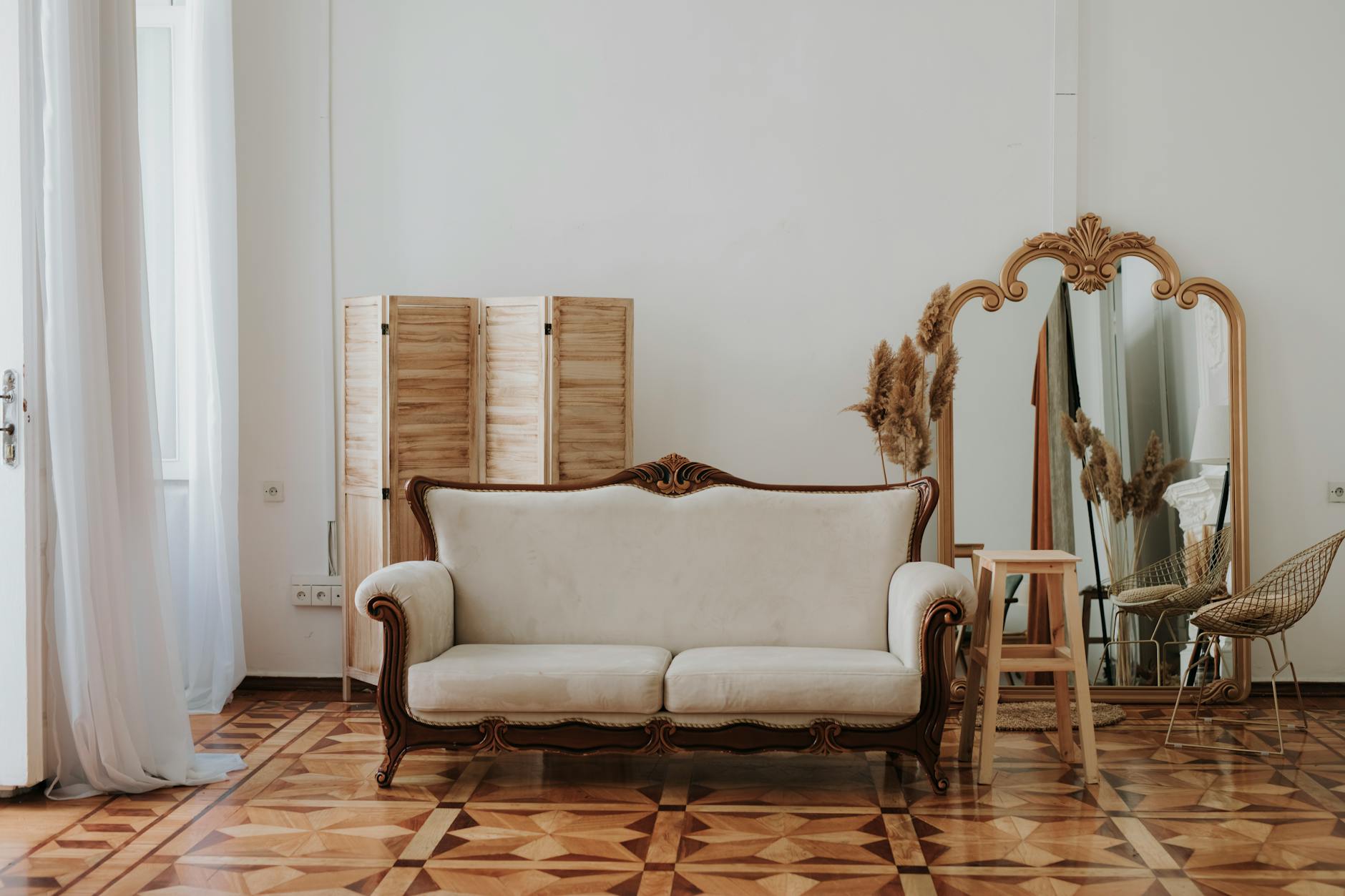
The Role of Textiles and Patterns
The choice of textiles and patterns plays a crucial role in highlighting classic silhouettes. Rich fabrics such as velvet, brocade, and linen can bring depth and texture to furniture pieces, enhancing their visual appeal. Likewise, patterns inspired by historical motifs, such as damask or paisley, can add an elegant touch, reflecting the heritage of classic design.
When selecting textiles, consider the overall theme of your space. If your decor leans towards modern aesthetics, choose subtle patterns or solid colors to allow the classic silhouettes to take center stage. Conversely, if you wish to celebrate a more traditional vibe, incorporate bold patterns that complement the intricate details of your classic furniture.
Layering textiles is another effective way to enhance classic silhouettes. Use throw pillows and blankets in complementary fabrics and colors to add warmth and comfort to your space. This not only enriches the tactile experience but also allows for easy updates and seasonal changes in your decor.
Ultimately, the return of classic silhouettes in modern interior design offers an opportunity to create spaces that reflect both history and personal style. Through thoughtful selection and integration, homeowners can curate environments that are not only visually stunning but also resonate with the timelessness of good design.
